
Filo Pastry Spinach Ricotta | The Ultimate Guide to a Perfect, Golden Pie
Filo Pastry Spinach Ricotta Pie – Easy Recipe, Tips & Variations
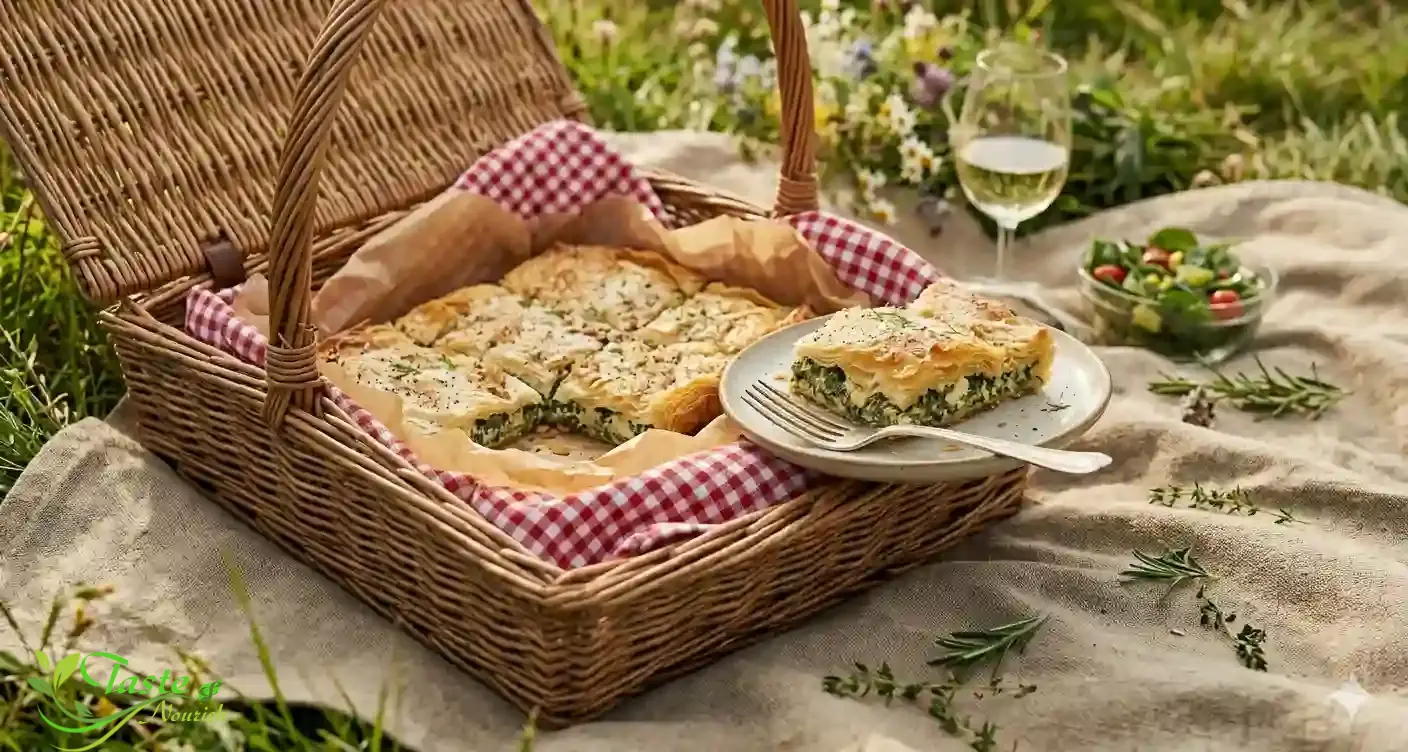
Filo Pastry Spinach Ricotta
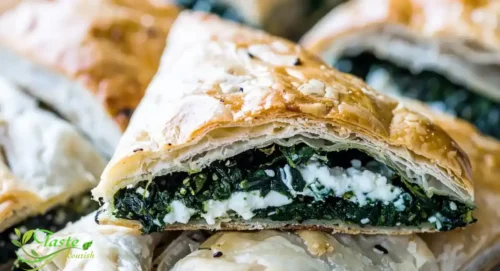
If you’ve been searching for the perfect filo pastry spinach ricotta recipe — one that’s genuinely crispy, outrageously creamy, and practically foolproof — you’ve landed in exactly the right place. This iconic combination sits at the heart of Mediterranean cooking, loved from the tavernas of Athens to the home kitchens of Melbourne, London, and New York. Whether you call it spanakopita, a spinach and ricotta filo pie, a phyllo pastry tart, or simply “that incredible cheesy pastry thing,” the essence is always the same: paper-thin layers of golden, shattering filo pastry wrapped around a soft, herb-kissed filling of creamy ricotta and tender spinach.
What makes this dish worthy of a permanent spot in your recipe rotation? For starters, it comes together in under an hour, costs very little, and feeds a crowd without breaking a sweat. It’s naturally vegetarian, packed with nutrients from iron-rich spinach and calcium-dense ricotta, and versatile enough to serve as a starter, a main course, or a buffet centerpiece. It also scales beautifully — make one large pie for a family dinner, or fold the same filling into individual triangles or rolls for a party. In this complete guide, you’ll find everything from a step-by-step filo pastry spinach ricotta recipe and expert pastry tips to nutritional information, creative variations, and serving ideas that will take this classic dish from your kitchen to the center of every table it graces.
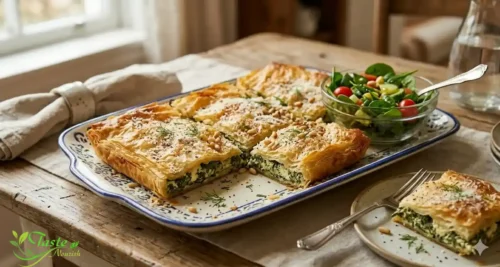
What Makes Filo Pastry Spinach Ricotta So Special?
There’s a reason this combination has stood the test of time across dozens of cultures and centuries of cooking. The trio of filo pastry, spinach, and ricotta is, quite simply, a masterclass in culinary harmony. Each element brings something the others lack: filo provides crunch and visual drama; spinach delivers earthiness, color, and nutrition; and ricotta supplies that essential creaminess that ties everything together. You could think of this dish as a kind of culinary jazz trio — each instrument distinct, but together they create something far greater than the sum of their parts.
Beyond flavor, there is also the incredible practicality of this dish. A spinach and ricotta filo pie can come in at under 200 calories per slice and can be ready in under an hour. That makes it one of the most efficient comfort foods in existence — low in guilt, high in satisfaction. It’s also naturally vegetarian, making it a crowd-pleasing option for dinner parties, potlucks, buffets, and weeknight meals alike. Whether you bake it as a grand, rustic pie or fold it into delicate triangles for a party appetizer, the results are always impressive. And the best part? Once you understand the basic principles, you can riff on this recipe endlessly to suit whatever is in your fridge.
A Brief History: From Ancient Kitchens to Modern Tables
Before we get into the kitchen, let’s take a moment to appreciate where this dish comes from — because its roots are deep and wonderfully tangled. The word “filo” (or phyllo) means “leaf” in Greek, which makes perfect sense given the leaf-like, razor-thin sheets of pastry it describes. Phyllo is generally considered Greek and Turkish in origin, though its roots stretch back into a complex history encompassing Middle Eastern and Balkan culinary traditions. Today, it is used in a wide array of dishes across Europe, the Middle East, and beyond — and it has even become a staple in some African and Indian regional cuisines.
The classic Greek dish most associated with this combination is spanakopita — a savory pie made with filo dough and a filling of spinach and feta. Over time, ricotta has been incorporated alongside or in place of feta to add a richer, creamier texture. In Greece, the dish is known as Spanakopita, while filo wraps as a format originate from Turkey and are closely related to the concept of börek. This Mediterranean recipe has been adopted throughout Europe and around the world, proving its universal appeal. Today, home cooks everywhere have put their own spin on this ancient combination, and the result is a dish that belongs to everyone.
Understanding Your Ingredients
Great cooking starts with great ingredients, and when it comes to filo pastry spinach ricotta, each component genuinely matters. Let’s break down what you’re working with and how to choose wisely.
Filo Pastry: The Star of the Show
Filo pastry is extraordinary — and slightly terrifying — in equal measure. Phyllo is a pastry dough rolled out in sheets that are paper-thin. Unlike a typical pie crust or shortcrust pastry, it does not contain leavening agents. Commercial phyllo is usually found in the frozen section and may contain some additional ingredients to extend shelf life and ensure consistent texture. When you’re shopping, look for filo in the freezer aisle, usually near the puff pastry. It typically comes in rolled packages containing two rolls, and you’ll want to thaw it properly before use. The best way to thaw phyllo is to place it in the refrigerator the night before, since it is less likely to dry out and become brittle. Rushing this process is one of the most common mistakes beginners make.
Filo pastry is a healthier alternative to puff pastry because it is lower in saturated fat. This is a significant advantage if you’re watching your fat intake but still want that satisfying, pastry-wrapped experience. Each layer is brushed with butter or olive oil before being stacked, which is what gives the finished product its signature golden sheen and shattering crunch. Don’t skip this step — it’s non-negotiable for texture.
Spinach: Fresh vs. Frozen – Which Is Better?
This is one of the most debated questions in the world of filo pies, and honestly? Both work beautifully, provided you handle them correctly. For convenience, frozen chopped spinach that has been thawed, squeezed, and drained is a practical and effective option for this kind of pie. The golden rule with spinach — whether fresh or frozen — is that it must be as dry as possible before it meets the ricotta. Wet spinach is the enemy of crispy filo. It creates steam inside the pie as it bakes, which can turn your gorgeous golden crust soggy from the inside out. Use a clean cloth or your hands to wring out as much moisture as you possibly can. You might be surprised by how much liquid comes out — typically close to half a cup or more.
Fresh spinach, on the other hand, gives you a slightly more vibrant flavor and a lovely green color in the filling. If you go the fresh route, wilt it briefly in a hot pan, then drain it immediately and press out all the liquid. Either way, the end result, when properly drained, is delicious.
Ricotta Cheese: Choosing the Right Kind
Whole milk ricotta cheese adds richness, a creamy texture, and a slightly sweet flavor with a hint of tanginess to the filling. If you can get your hands on a high-quality, whole-milk ricotta — ideally the kind sold in tubs at a deli counter rather than the pre-packaged supermarket variety — you will notice the difference immediately. It’s silkier, less watery, and more flavorful. That said, reduced-fat ricotta is lower in saturated fat than regular ricotta while still providing protein and calcium, which is important for healthy bones and teeth, making it a solid choice for those who want to lighten things up without sacrificing nutrition.
Many recipes also call for the addition of feta cheese alongside ricotta. This is a brilliant move, because feta brings a salty, tangy punch that ricotta alone lacks. Adding ricotta alongside feta helps diminish the saltiness of the feta, balancing the overall flavor of the filling. The two cheeses together create a filling that is both creamy and complex — neither too bland nor too overpowering.

Complementary Ingredients That Elevate the Dish
Beyond the headline trio, a few supporting ingredients make a significant difference. Nutmeg is almost universally included in spinach and ricotta fillings — just a small pinch adds a warm, earthy depth that makes the whole thing taste more sophisticated. Eggs are essential too; they bind the filling together and help it set during baking, so your slices hold their shape beautifully. Garlic and onion, sautéed until soft and golden, add sweetness and aromatic depth. Lemon zest is a secret weapon that brightens the entire filling and cuts through the richness of the cheese. A few recipes also include parmesan for an extra savory, umami kick. Grated Parmesan adds a salty, savory flavor that complements the milder ricotta perfectly.
The Step-by-Step Recipe: How to Make Filo Pastry Spinach Ricotta
Preparing the Spinach Filling
Start by cooking your onion and garlic low and slow in a splash of olive oil. Fry the onion and garlic for about 10 minutes until soft but not colored, then add the spinach and cook for 5 minutes, stirring and allowing any liquid to bubble off. Tip the mixture into a sieve and press firmly to remove as much excess liquid as possible, then allow it to cool. Once cooled, combine the spinach and onion mixture with beaten eggs, ricotta, a generous pinch of nutmeg, salt, and black pepper. If you’re using feta, crumble it in at this stage. Stir everything together until well combined — the filling should look creamy, speckled green, and smell absolutely wonderful.
Freshly grated nutmeg lifts the flavor of the ricotta significantly, and pressing the filling down with a spoon once it’s in the pastry case ensures the pie cuts cleanly later. These are small details, but they make a real difference to the final presentation.
Working with Filo Pastry: Tips and Tricks
Here’s where many home cooks feel a flutter of anxiety — and honestly, that’s understandable. Filo is delicate. It tears, it dries out, it sticks to itself. But with a few simple habits, you can manage it with confidence. While the phyllo defrosts or sits unused, store it between two tea towels that are ever so slightly damp. If the towels are too damp, the phyllo will disintegrate. Handle the phyllo very gently and carefully to avoid excess tearing or breakage. Don’t worry too much if a sheet tears — filo is very forgiving when layered, and imperfect sheets are virtually invisible once they’re stacked and baked.
Each sheet of phyllo should be brushed with melted salted butter, which creates a crisp and airy texture and a delicious buttery flavor. You can substitute olive oil with a pinch of salt mixed in as a lighter alternative. Work quickly and efficiently — speed is your friend when dealing with filo. Have your butter or oil ready and your filling prepared before you open the pastry package. The process is all about flow.
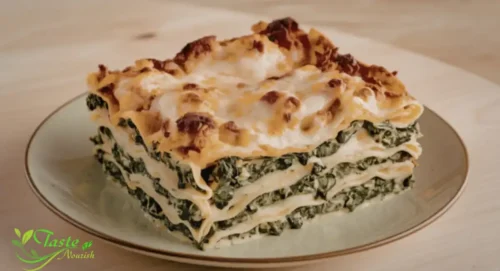
Assembling and Baking the Pie
Brush or spray both sides of a sheet of filo pastry with oil and lay it into the greased tray, allowing the pastry to hang over the sides. Repeat for all five pieces of pastry, changing the angle of the sheets so they overlap and create a basket-like structure. Put the filling into the pastry case and fold the overhanging pastry in toward the middle. Brush or spray a little more oil over the top and place in the oven to bake for about 30 minutes, or until the pastry is golden and crispy.
For a standard pie, the oven should be set to around 200°C (180°C fan / Gas 6). Let the pie cool for 5 minutes before slicing, as it holds together much better after a brief rest. That short wait is genuinely worth it — it transforms a wobbly, steaming pie into clean, picture-perfect slices.
Filo Pastry Formats: Pies, Rolls, Triangles, and Tarts
One of the most wonderful things about filo pastry spinach ricotta is that the same filling can be used across a range of different formats, each with its own charm and serving occasion.
Classic Filo Spinach Ricotta Pie
The pie format is the most dramatic and satisfying. You can make it in a round springform tin for a stunning centerpiece, or in a rectangular baking dish for something more casual and family-style. This style of pie is simple to prepare, bakes evenly, and slices neatly, making it perfect for buffets, family dinners, or as a festive side dish. It looks impressive yet is easier than most people expect.
Filo Spinach Ricotta Rolls
Rolls are a fantastic option when you want something that feels a bit more individual and portable. Lay two pieces of phyllo dough on a clean, dry surface and brush the top with melted butter. Place two more sheets on top and brush again with butter. Add filling along one edge and roll into a log shape. Rolls bake up beautifully crispy on all sides, slice well for sharing, and are great for parties. They can be prepped ahead of time, refrigerated, and then baked just before serving.
Spinach Ricotta Filo Triangles
Triangles are the ultimate crowd-pleaser for finger food occasions. Place a single tablespoon of the spinach mix in the corner of a strip of filo pastry and fold diagonally to form a triangle, repeating until the strip is used up. Arrange on oven trays, spray with oil, and bake for 20 to 25 minutes until golden. These little parcels are crispy, perfectly portioned, and utterly irresistible at any gathering.
There is also the filo tart format, where sheets are layered flat on a baking tray, topped with the filling, and the edges are folded over to create a rustic border. Spread the spinach and ricotta mixture on top, leave a 5cm pastry border around the edges, then fold over and brush with more oil. Bake for 25 minutes or until cooked, golden, and crisp, then serve with salads. It’s the quickest format and looks wonderfully relaxed and rustic.
Nutritional Value and Health Benefits
Let’s talk about why this dish is genuinely good for you — not just delicious. The combination of spinach, ricotta, eggs, and filo creates a nutritional profile that is surprisingly well-rounded for what feels like comfort food.
| Nutrient | Approximate Amount (per slice) | Why It Matters |
|---|---|---|
| Calories | ~200–336 kcal | Light to moderate, depending on format |
| Protein | 13–30g | Supports muscle repair and satiety |
| Calcium | High (from ricotta and feta) | Essential for bone health |
| Vitamin A | High (from spinach) | Supports eye health and immunity |
| Vitamin C | Present (from spinach) | Antioxidant, supports immune function |
| Iron | 2–3mg | Important for energy and circulation |
| Fat | 25g (whole-milk ricotta version) | Mostly from cheese and butter/oil |
| Carbohydrates | 14–16g | Primarily from filo pastry |
Spinach is rich in folate, which is believed to support the production of serotonin — the feel-good brain chemical. Ricotta and feta are also good sources of tryptophan, an amino acid that helps promote serotonin production. So in a very real sense, eating this pie might actually make you happier. That’s a nutritional claim most comfort foods can’t make. Beyond that, the combination of protein from the cheese and eggs, iron and vitamins from the spinach, and the relatively light nature of filo pastry compared to heavier pastry options means this dish genuinely earns its place in a balanced diet.
Common Mistakes and How to Avoid Them
Even experienced cooks can fall into a few predictable traps when making filo pastry spinach ricotta. The most critical mistake — and the one that ruins more pies than any other — is failing to drain the spinach adequately. Excess moisture is the silent killer of crispy filo. Take your time wringing out every drop you can, because the difference between a soggy and a crispy result often comes down entirely to this one step.
The second biggest pitfall is letting the filo dry out before it’s assembled. Filo pastry can easily dry out if not kept covered. If you live in a dry climate or environment, cover the plastic wrap with a barely damp kitchen towel while working. Dried-out filo becomes brittle, cracks when you try to fold it, and doesn’t adhere properly to itself even when brushed with butter. Working quickly and keeping unused sheets covered is the single most effective way to prevent this.
Another common error is under-buttering or under-oiling the sheets. Every single layer needs to be brushed — don’t skimp. Skipping even one sheet can result in dry patches that don’t crisp up properly. And finally, don’t neglect the rest period after baking. Cutting into a pie that’s still piping hot means the filling hasn’t had time to set, and your slices will be messy and shapeless. Give it five to ten minutes, and you’ll be rewarded with clean, beautiful cuts.
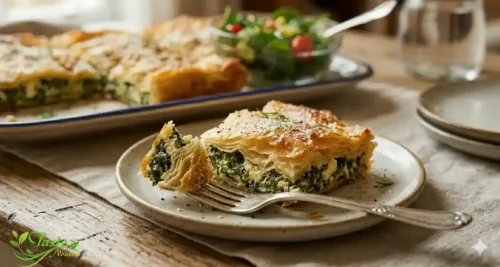
Variations, Substitutions, and Creative Twists
One of the most exciting aspects of the filo spinach ricotta concept is how endlessly adaptable it is. The basic template is just a starting point — from there, the possibilities are genuinely thrilling.
If you want to add more depth of flavor, consider incorporating sundried tomatoes into the filling, which add a sweet, concentrated umami punch. Mixing sundried tomatoes into the cheese and spinach filling along with nutmeg is a well-tested variation that adds a lovely sweetness. Fresh herbs like dill, parsley, or mint are classic Mediterranean additions that brighten the whole dish enormously. A pinch of chili flakes adds a subtle heat that plays beautifully against the cool creaminess of the ricotta.
For dietary needs, the dish is easily adapted. A vegan version can be made by substituting the cheese with mushrooms and using a vegan version of filo pastry, which is available in the UK and increasingly in other markets. For a more indulgent version, increase the proportion of feta and add an extra egg for a firmer, richer filling. You can also play with the pastry format itself — some cooks love to scrunch the filo sheets loosely over the filling rather than layering them neatly, which creates a wild, crinkled, dramatically textural topping that looks incredibly impressive on the table.
Serving Suggestions and Pairing Ideas
The beauty of filo pastry spinach ricotta is that it works across almost every dining context. Served warm from the oven, it’s a showstopping main course. Sliced cold the next day, it’s arguably even better — the flavors have had time to meld and deepen, and the texture is still remarkably good for a pastry dish.
For a light lunch, pair a wedge of spinach ricotta filo pie with a crisp green salad dressed in lemon vinaigrette. The acidity of the dressing cuts beautifully through the richness of the filling and the butteriness of the filo. For a more substantial dinner, roasted cherry tomatoes and a scoop of tzatziki on the side create a full Mediterranean spread that feels effortlessly elegant. If you’re serving filo triangles as party food, a dipping sauce of garlic-spiked yogurt or a simple tomato relish is an ideal companion.
If you prefer something non-alcoholic, a sparkling water with a squeeze of lemon is genuinely refreshing alongside this dish.
Storage, Make-Ahead, and Reheating Tips
One of the most practical advantages of filo pastry spinach ricotta is that it lends itself beautifully to advance preparation — which is a lifesaver when you’re entertaining. For a make-ahead approach, assemble the pie in the morning and then bake it later the same day. This way, all the fiddly work is done when you have time and energy, and all you need to do is slide it into the oven when your guests arrive.
Storing leftovers is simple. Transfer slices to an airtight container and refrigerate for up to three days. To reheat, place the slices on a baking tray and warm them in a 180°C oven for about 10 to 15 minutes. This restores the crispiness of the filo in a way that a microwave simply cannot. Freezing is not recommended for assembled pies, as filo pastry loses its crispness in the freezer. However, you can freeze the filling separately and then assemble and bake fresh when needed — a smart compromise for batch cooking.
Conclusion
Filo pastry spinach ricotta is one of those dishes that manages to be both humble and spectacular at the same time. It draws on centuries of Mediterranean culinary wisdom, combines a handful of genuinely nutritious ingredients, and delivers a result that looks and tastes far more complex than the effort involved. Whether you make it as a grand pie for a dinner party, roll it into crispy logs for a buffet, or fold it into delicate triangles for an afternoon snack, the combination of golden, shattering filo and creamy, herb-scented spinach and ricotta filling never fails to delight. Understand the basics — drain your spinach, protect your filo, and brush every layer generously — and you’ll be turning out this Mediterranean classic with confidence and joy every single time.

Frequently Asked Questions
1. Can I use fresh spinach instead of frozen for filo pastry spinach ricotta?
Absolutely — fresh spinach works beautifully. Wilt it briefly in a hot pan, then drain and squeeze out every drop of moisture before adding it to the filling. The flavor will be slightly brighter, but the technique is exactly the same as with frozen spinach.
2. How do I stop my filo pastry from drying out while I’m working with it?
The key is to work quickly and keep any unused sheets covered. Place them between two slightly damp tea towels or under a piece of cling film while you assemble your pie or rolls. Never leave filo exposed to the air for more than a minute or two.
3. Can I make filo pastry spinach ricotta ahead of time?
Yes — you can assemble the pie and refrigerate it unbaked for several hours before cooking. Bake it fresh when you’re ready to serve for the best possible texture and crispiness.
4. What can I substitute for ricotta cheese in this recipe?
Cottage cheese (well-drained) is the most natural substitute and provides a similar creamy, mild flavor. Cream cheese can also work in a pinch, though it’s richer and less grainy. For a dairy-free version, silken tofu blended with a little lemon juice makes a surprisingly effective stand-in.
5. Why is my filo pastry spinach ricotta soggy instead of crispy?
The most likely culprit is excess moisture in the spinach. It’s almost always the spinach. Squeeze it out as firmly as you possibly can before combining it with the cheese. The second possible cause is insufficient brushing of each filo layer with butter or oil — don’t skip this step on any layer.