
Feta in Filo Pastry | The Ultimate Guide to Greece’s Most Irresistible Appetizer
Feta in Filo Pastry | Recipes, Tips, Variations & Expert Tricks for the Perfect Crispy Parcel
Feta in Filo Pastry
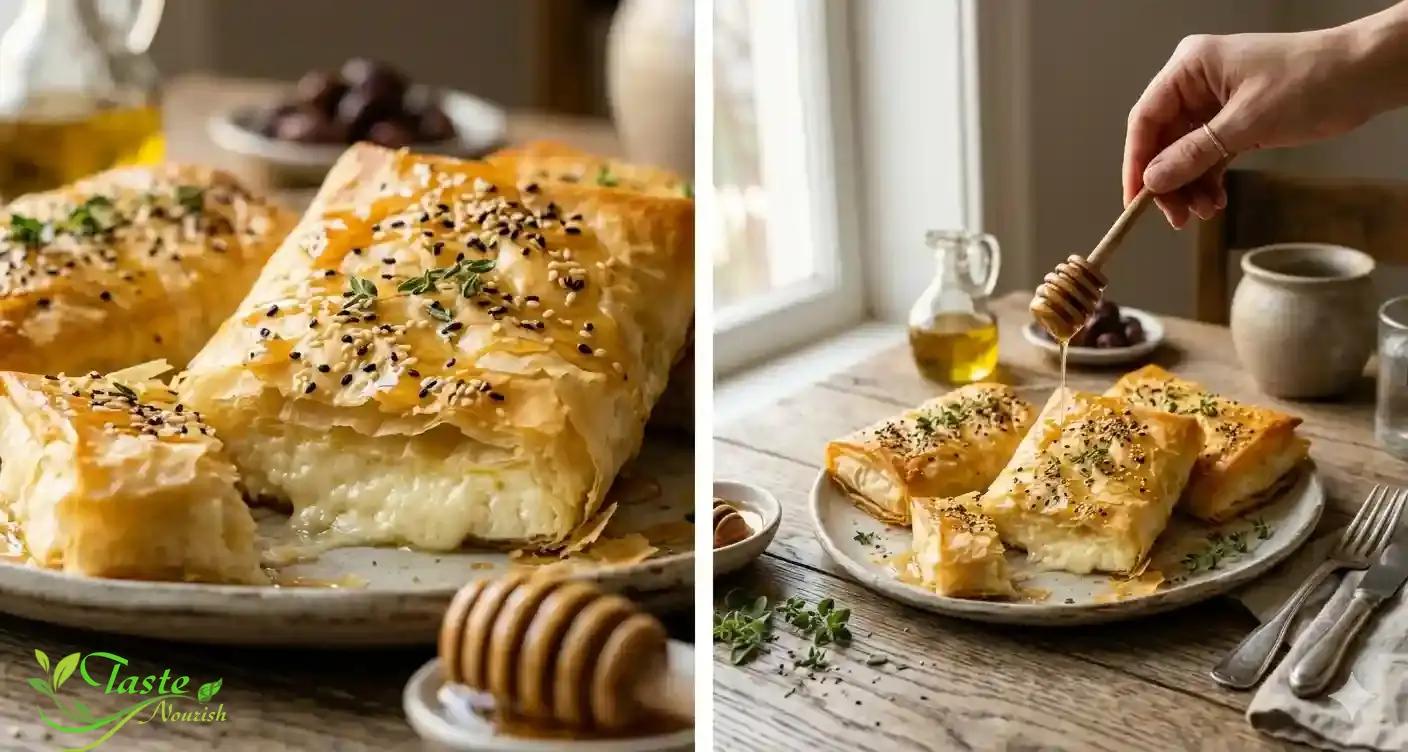
Feta in filo pastry is one of those dishes that makes people pause mid-conversation, put down their drink, and ask, “Wait — what is this, and why haven’t I been eating it my whole life?” Picture this: paper-thin sheets of golden, shatteringly crisp pastry wrapped around a warm, creamy, tangy block of Greek feta cheese, finished with a generous drizzle of honey and a scatter of toasted sesame seeds. It sounds almost too simple. And yet, the result is one of the most electrifying combinations of flavors and textures you’ll ever encounter at a table.
This dish — beloved across Greece as a classic meze — has officially crossed over into global food culture, and it’s not hard to see why. In a world increasingly obsessed with Mediterranean cuisine, feta wrapped in filo pastry hits every note that modern food lovers crave: it’s visually stunning, packed with bold flavor, ready in under 30 minutes, and endlessly adaptable. Whether you’re hosting a dinner party, putting together a mezze board, or simply craving something special on a Tuesday night, this recipe delivers every single time.
But here’s the thing — as simple as it looks, feta in filo pastry has its nuances. The right type of feta, the correct number of filo layers, the baking-vs-frying debate, the timing of the honey drizzle — get these details right, and you’ll produce something genuinely restaurant-worthy. Get them wrong, and you’ll end up with soggy pastry or a cheese explosion on your baking tray. That’s exactly why this guide exists: to walk you through every detail, from ingredient selection to creative variations, so your feta in filo is nothing short of perfect every time you make it.
What Is Feta in Filo Pastry?
The Origins of This Greek Classic
Feta in filo pastry — known in Greek as feta se fyllo — is deeply rooted in the culinary tradition of Greece, a country where both feta cheese and phyllo (filo) dough have been kitchen staples for centuries. Greek families have long kept phyllo dough and feta among their essential pantry staples, using them to make everything from tyropitakia (small cheese pies) to spanakopitakia with feta. When they needed something especially quick and crowd-pleasing, wrapping a block of feta in filo and baking or frying it was the go-to move. Mia Kouppa It’s the kind of dish that feels improvised but is actually the product of generations of culinary wisdom.
The dish belongs to the Greek tradition of mezes — small, shareable plates that accompany drinks and conversation. Filo-wrapped feta cheese with honey and sesame seeds is one of the most beloved modern Greek appetizers, celebrated for its salty-sweet combination where the feta melts inside the crispy phyllo and is then drizzled with honey and sprinkled with crunchy sesame seeds while still hot. Real Greek Recipes It’s essentially a quick, miniature version of tiropita — the classic Greek cheese pie — but served as a warm, indulgent individual portion rather than a sliced pie.

Why This Dish Has Gone Global
The rise of Mediterranean cuisine as a global phenomenon has carried feta in filo well beyond the borders of Greece. Food travelers who discovered it at tiny seaside tavernas in Mykonos, Santorini, or Crete brought their obsession home. One food blogger describes having these filo pastry-wrapped feta parcels as an appetizer in Mykonos, made with sheep’s milk feta and sprinkled with fresh thyme — a memory so vivid and delicious that it became impossible to stop thinking about them. Little Spice Jar That’s the power of this dish: it’s memorable in a way that very few appetizers are. It’s also riding the wave of the viral “baked feta” trend that took social media by storm in recent years, as home cooks discovered just how transformative heat can be for this ancient cheese.
Choosing the Right Ingredients
Picking the Perfect Feta Cheese
Your feta is the undisputed star of this dish, and the quality of your cheese will make or break the final result. Greek feta stored in brine is your best choice, not only because it’s more flavorful but also because it’s less crumbly. It typically comes in blocks, which is exactly the format you need for wrapping in filo. Lord Lucy You want a block that holds together, not pre-crumbled cheese from a container — that’s great on salads, but it’ll turn into a messy, impossible-to-wrap situation here.
The best feta cheese for baking in filo pastry is a firm, authentic Greek feta made from sheep’s milk or a blend of sheep and goat’s milk. Look for brands like Athenos, Dodoni, or Mt. Vikos for their rich, tangy flavors and creamy texture that holds up well when baked. Avoid overly brined or crumbly feta, as it may not pair as well with sweet accompaniments like fig or apricot jam. Silk Road Recipes Beyond brand choices, always pat your feta dry with a paper towel before wrapping it. Excess moisture is the enemy of crispy pastry — it can make the filo soggy from the inside out before it even gets a chance to turn golden.
A block of soft, not overly ripened feta is ideal, as it will melt more easily inside the filo. Real Greek Recipes Let your feta sit at room temperature for about 15 minutes before you start wrapping — this helps the cheese warm up slightly and become more pliable, ensuring it melts evenly when it hits the heat.
Understanding Filo Pastry
Filo (also spelled phyllo) is one of the most magical and most misunderstood ingredients in the pastry world. It’s paper-thin sheets of unleavened dough that, when layered and brushed with fat, bake into an extraordinarily crisp, flaky structure. The catch? It dries out fast. Filo pastry can be purchased frozen — in which case you should defrost it for about an hour before use — or found ready-to-use in the refrigerated section. Because it’s super thin and dries out quickly once removed from its packaging, you need to work quickly or keep unused sheets covered with a slightly damp kitchen towel. Lord Lucy
The number of sheets you use matters more than you might think. While some recipes use only one sheet, using two layers is strongly recommended. A double layer helps prevent the feta from oozing out during baking and, more importantly, that second layer of filo adds an extra layer of crunch to balance out the creamy texture of the warm feta. Mia Kouppa Think of it like building a wall — one brick isn’t quite stable enough, but two creates something solid and satisfying.
The Supporting Cast: Oils, Honey, and Seeds
For frying, use any neutral vegetable oil such as sunflower, corn, or canola to brush the filo and help it stick together. For a baked version, olive oil or melted butter — or a combination of the two — gives the pastry a richer, more golden result. For the finishing drizzle, thyme or flower honey pairs best with the salty feta. A mixture of white and black sesame seeds is ideal, as black sesame seeds have a stronger, more distinctive flavor. Real Greek Recipes Don’t skip the sesame seeds — they add an essential nutty crunch that elevates the whole dish from good to unforgettable.

Baked vs. Fried Feta in Filo: Which Is Better?
This is the great debate in the feta-in-filo world, and the honest answer is: it depends on what you’re after. Both methods produce spectacular results, and understanding the difference will help you choose the right technique for your occasion.
The Case for Baking
Baking is the more forgiving, more hands-off method and the one most home cooks gravitate toward. You wrap your feta parcels, brush them with oil or butter, place them seam-side-down on a parchment-lined tray, and let the oven do the work. Bake on the middle rack at 350°F (175°C) for 15 to 20 minutes until the filo is golden brown, then immediately drizzle with honey and sprinkle with sesame seeds before serving. Mia Kouppa The result is a beautifully golden parcel with a slightly more matte, uniform crispiness. Baking is also the better choice if you’re making multiple portions for a dinner party, since you can cook several at once without babysitting a pan of hot oil.
The Case for Frying
Frying is the classic, traditional approach, and if you’re after the absolute most dramatic crunch, there’s simply no substitute. When fried, the filo becomes slightly more flaky and puffy compared to the baked version. The difference in texture and flavor is slight, but the fried version’s pastry is arguably the crispier and more spectacular of the two. Real Greek Recipes For shallow frying, heat olive oil in a pan over medium heat and fry the feta parcels for about 2 minutes on each side until the filo turns golden brown on both sides, then place briefly on folded paper towel to absorb excess oil before serving. Marilena’s Kitchen
Head-to-Head Comparison Table
| Feature | Baked | Fried |
|---|---|---|
| Texture | Golden, uniform, crispy | Flaky, puffy, ultra-crispy |
| Oil Used | 1–2 tbsp (brushed on) | 4–6 tbsp (for the pan) |
| Cook Time | 15–20 minutes | 4–5 minutes |
| Calories | Lower | Higher |
| Ease | Beginner-friendly | Requires more attention |
| Best For | Dinner parties, batches | Quick single servings |
| Flavor | Rich, buttery | Slightly richer, more golden |
Step-by-Step: How to Make Feta in Filo Pastry
Preparing Your Workspace
Before you do anything else, set up your station like a professional. Get your filo sheets out and covered with a damp towel, pat your feta dry, melt your butter (or pour out your olive oil), and have your pastry brush ready. Working quickly and methodically is the key to success with filo. Using a mixture of butter and olive oil is an excellent approach — the butter provides richness and helps achieve that deep golden color, while the olive oil highlights the Mediterranean character of the dish. Lord Lucy
Wrapping the Feta
Lay out one sheet of filo dough and brush it generously with olive oil. Place the second sheet directly on top and brush it with oil as well. Pat your feta dry and place it at the bottom and center of your filo sheets, leaving approximately 3 inches of space at the bottom edge. Mia Kouppa From there, fold the bottom edge up over the feta, then fold in the sides — like you’re wrapping a gift, or building an envelope. Trim the sides down into a triangle shape like an envelope and tuck them under. Brush the pastry with oil every time you make a fold, as this acts like glue keeping the layers tightly together. Finally, give the entire wrapped parcel a brush all over the outside and lay it seam-side-down on your baking tray. Lord Lucy
Cooking to Golden Perfection
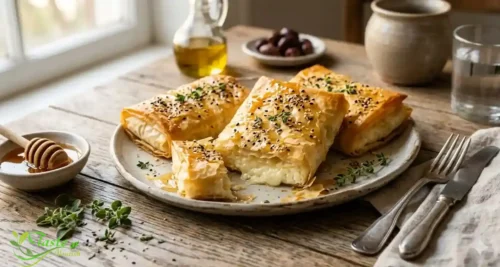
Bake in a preheated oven at 200°C (392°F) for 20 minutes, or until the parcel is a deep golden brown all over. Fooodlove Keep an eye on it toward the end — ovens vary, and filo can go from golden to too-dark quickly. When it comes out, act fast: add the honey and sesame just before serving. If you add them while still in the oven or too far in advance, the filo will become soggy. Fooodlove That last-minute drizzle of honey is what transforms a good dish into a showstopper.
Creative Variations and Flavor Combinations
Sweet and Savory Pairings
The genius of feta in filo pastry is how beautifully it adapts to creative interpretations. The most iconic version is simply feta, honey, and sesame — but the possibilities go much further. Along with crunchy pistachios, baked feta in filo can be paired with fig jam, apricot jam, or orange marmalade. The salty, tangy feta drizzled with honey and enveloped in buttery, flaky pastry alongside sweet fruit preserves makes an appetizer so delicious it’s almost criminal. Silk Road Recipes The contrast between the salty cheese and the sweet jam is one of those flavor combinations that seems daring on paper but makes total, intuitive sense in the mouth.
Spiral and Round Formats
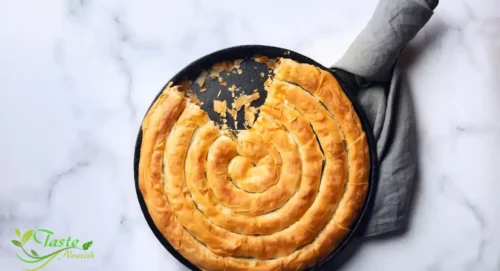
Not all feta in filo has to come in the classic rectangular parcel format. Feta cheese filo pastry spirals are a spectacular variation — butter-basted sheets of filo loaded with a combination of crumbled feta and shredded mozzarella are rolled, twisted into a coil shape, arranged in a baking dish, then baked until perfectly flaky and golden. A drizzle of hot honey finishes them off. Little Spice Jar This format is ideal for feeding a crowd because you can bake a whole dish of spirals at once and let guests pull them apart at the table. Another stunning option is the baked feta filo round — filo sheets are layered, filled with feta, topped with jam and crushed pistachios, rolled up, and then cut into individual round portions before being baked in a mini-muffin tin. Silk Road Recipes
Adding Nuts, Herbs, and Jams
Customization is where this dish really shines. For an extra layer of texture, add chopped nuts — crushed walnuts or pistachios are ideal, contributing a lovely crunch that complements the flaky pastry along with healthy fats and protein. Toast them lightly beforehand to bring out their natural flavors. everyplatedaily Fresh herbs are another wonderful addition: a scatter of fresh thyme leaves inside the parcel adds an earthy, aromatic note that cuts through the richness of the cheese. Dried chili flakes can introduce a gentle heat that makes the honey drizzle even more electrifying. The combinations are essentially endless, and experimenting with them is half the fun.
Nutritional Profile and Health Considerations
What’s Inside Feta Cheese?
One of the reasons feta in filo pastry feels like such a guilt-free indulgence — even when it isn’t particularly low-calorie — is that feta itself is genuinely nutritious. Compared to other cheeses, feta is lower in calories and fat, and it contains a high amount of B vitamins, phosphorus, and calcium, which can benefit bone health. It also contains beneficial bacteria and fatty acids, along with proteins and vitamins. Healthline
Feta contains more calcium than many other cheeses, which helps maintain healthy teeth and bones. It also has high levels of phosphorus, and consuming phosphorus and calcium together has been linked to improved bone density and may help prevent osteoporosis. WebMD Beyond bone health, feta has been shown to contain Lactobacillus plantarum, which accounts for about 48% of its bacteria. These bacteria can help promote immune system and gut health by protecting the intestinal tract from disease-causing bacteria like E. coli and Salmonella. Healthline
It’s also worth knowing that feta provides about 140mg of calcium — roughly 14% of the daily value — per ounce, along with vitamin B12, which supports energy metabolism and nerve function. As a fermented cheese, feta may also contain beneficial bacteria that support gut health, and it is naturally lower in lactose than many cow’s milk cheeses, making it easier to digest for some individuals. Curry Pizza House®
The main caveat worth knowing about? Feta cheese is high in sodium due to the brining process. Excessive sodium in the diet has been linked to high blood pressure, which doctors associate with ongoing health issues like kidney disease, stroke, and heart disease. WebMD If you’re watching your sodium intake, you can rinse your feta briefly under cold water before use — it won’t eliminate the salt, but it will take the edge off.
Filo Pastry: Light but Layered
Here’s a surprising fact about filo pastry: on its own, each sheet is incredibly low in calories — it’s the oil or butter you brush between the layers that adds the fat and richness. This makes filo a much lighter vessel than shortcrust or puff pastry. A serving of baked feta in filo contains approximately 250 calories, making it a delightful yet indulgent appetizer or snack that fits well within a balanced diet. It’s also a good source of protein, with around 11 grams per serving. everyplatedaily For a dish that feels this decadent, those are surprisingly reasonable numbers.
Serving Suggestions and Pairings
Feta in filo pastry is at its most spectacular when served immediately out of the oven or straight from the pan. This is not a dish that waits well — the crispiness of the filo is its whole personality, and every minute it sits, it softens slightly. Serve it on a wooden board or slate platter, drizzled generously with good honey and scattered with sesame seeds. You can serve baked feta wrapped in filo as is for a small group to share with a fork and knife, or accompany it with crackers, crostini, and sliced fruit like apples and pears. Serving it on a charcuterie-style board with fruit and nuts makes for a stunning visual presentation. Mia Kouppa
As for drinks, the saltiness of the feta and the sweetness of the honey call out for something crisp and cold. A chilled glass of Assyrtiko — the dry white wine from Santorini — is the perfect Greek pairing. A cold sparkling water with lemon works beautifully if you’re going non-alcoholic. For a dinner party spread, this dish works brilliantly alongside marinated olives, tzatziki, hummus, and warm pita, creating a Mediterranean mezze board that will have your guests reaching for seconds before they’ve even finished their first.
Storage, Reheating, and Make-Ahead Tips
One of the most practical aspects of feta in filo pastry is how easy it is to prepare in advance. To make this dish ahead, complete all the wrapping steps and finish before the final butter or oil brushing on the outside of the parcel. Then wrap tightly in cling film and keep in the fridge for up to 3 days, or freeze for up to 3 months. Lord Lucy This makes it a brilliant option for entertaining — do all the messy prep the day before, then simply brush and bake when your guests arrive.
You can also assemble the feta packages ahead of time, wrap them tightly with plastic wrap or place them in a zip-lock bag, and refrigerate until you are ready to cook. Marilena’s Kitchen If you find yourself with leftover baked feta in filo — a rare event, admittedly — store it in the fridge and reheat it in the oven or air fryer. An air fryer is particularly ideal for reheating, as it will crisp up the phyllo quite nicely. Mia Kouppa Whatever you do, avoid reheating in the microwave — it will make the filo chewy and sad, which is the exact opposite of what you want.
Common Mistakes to Avoid
Even simple recipes have their pitfalls, and feta in filo is no different. Here are the most common errors home cooks make — and how to avoid them.
The number one mistake is not drying the feta properly before wrapping. Removing excess moisture from the feta with a paper towel is essential to ensure the parcel gets nice and crispy, rather than steaming from the inside and making the filo soggy. Lord Lucy The second most common issue is letting the filo dry out before you’ve finished wrapping. Always keep unused sheets under a damp kitchen towel — this is non-negotiable.
Using too few layers of filo is another mistake. One sheet might seem like enough, but it tears easily and won’t provide adequate insulation for the cheese. Two sheets, well-oiled between the layers, give you a stable structure that holds together through the cooking process. And finally — adding your honey and sesame too early. If you drizzle honey over the feta parcels before serving, or worse, before baking, the filo will absorb the moisture and turn soggy. Always add your honey and sesame at the very last moment, just before the dish hits the table. Fooodlove
Conclusion
Feta in filo pastry is one of those rare recipes that manages to be simultaneously ancient and endlessly modern, humble and impressive, simple and sophisticated. It takes a handful of ingredients — a block of good Greek feta, a couple of paper-thin filo sheets, some olive oil or butter, honey, and sesame seeds — and turns them into something that stops conversations and empties plates. Whether you bake it low and slow for a dinner party or fry it quickly for a weeknight treat, whether you keep it classic or dress it up with fig jam and pistachios, the fundamental magic remains the same: crispy pastry, creamy cheese, and that extraordinary sweet-salty contrast that is the heart and soul of Greek cuisine. Once you make it, you’ll understand why generations of Greek families have kept filo and feta permanently stocked in their kitchens. This dish isn’t just a recipe — it’s a way of life.
FAQs
1. Can I use pre-crumbled feta for feta in filo pastry?
It’s strongly not recommended. Pre-crumbled feta won’t hold its shape during wrapping and will spill out of the filo before you even get it folded. Always use a solid block of feta and cut it into your desired portions yourself. Block feta also tends to have a better flavor and creamier texture than pre-crumbled varieties.
2. What can I use instead of honey for the drizzle?
If you’re not a fan of honey or need an alternative, maple syrup works surprisingly well — it adds a similar sweetness with a slightly more caramel-like depth. Pomegranate molasses is another wonderful option, adding tartness alongside sweetness. A balsamic glaze reduction also pairs beautifully with the salty feta and crispy filo.
3. Why isn’t my filo turning golden brown in the oven?
This usually comes down to two things: insufficient fat or oven temperature. Make sure you’re brushing every layer of filo generously with melted butter or olive oil — thin spots will stay pale. Also ensure your oven is fully preheated before the parcels go in. If they’re still pale after 20 minutes, you can switch your oven to broil for the last 2–3 minutes, keeping a very close eye on them.
4. Can I make feta in filo pastry vegan?
Technically, feta cheese is a dairy product and not vegan. However, there are several high-quality vegan feta-style cheeses on the market now made from almonds, cashews, or tofu that can replicate the briny, tangy flavor of feta reasonably well. Use olive oil instead of butter for brushing the filo, and drizzle with agave syrup instead of honey, and you’ve got a very respectable vegan version.
5. How do I stop the feta from oozing out of the filo during baking?
The key is using at least two layers of filo, wrapping tightly, and making sure all seams are tucked securely and brushed with oil (which acts as glue). Placing the parcel seam-side-down on your baking tray adds another layer of security. Patting your feta dry before wrapping also helps — excess moisture can cause the cheese to expand and push through the pastry as it heats.