
Orange and Mango Juice | Complete Nutrition Guide with Calorie Tables & Health Benefits
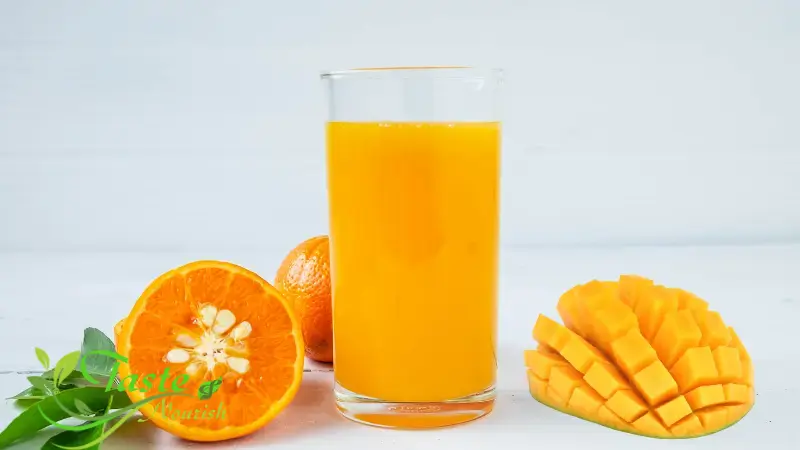
Have you ever wondered why orange and mango juice feels like liquid sunshine in a glass? There’s something almost magical about the way these two tropical powerhouses come together, creating a flavor explosion that’s both refreshing and energizing. But beyond the taste, what’s really happening inside your body when you drink this golden elixir?
In today’s health-conscious world, we’re bombarded with conflicting information about fruit juices. Are they nature’s candy or nutritional goldmines? The truth, as you’ll discover, lies somewhere in between—and understanding the nuances can help you make choices that truly benefit your health.
This comprehensive guide dives deep into everything you need to know about orange and mango juice, from their impressive nutritional profiles to the science-backed health benefits, and yes, even the potential drawbacks you should be aware of. Whether you’re a juice enthusiast or simply curious about adding these vibrant beverages to your diet, you’re in the right place.
The Nutritional Powerhouses: Understanding Oranges and Mangoes
What Makes Oranges Nutritionally Superior?
Oranges aren’t just about vitamin C, though they’re certainly famous for it. A single medium orange packs about 70 mg of vitamin C—nearly 78% of your daily recommended intake. But here’s what most people don’t realize: oranges contain over 170 different phytochemicals and more than 60 flavonoids, many of which have powerful anti-inflammatory and antioxidant effects.
The hesperidin found in oranges:
- for instance, has been shown to help lower blood pressure and cholesterol levels.
- Then there’s the folate content—crucial for pregnant women and anyone looking to support healthy cell division.
- let’s not forget about the potassium, which helps regulate blood pressure and supports heart health.
When you juice an orange, you’re extracting a concentrated dose of these nutrients, though you do lose some of the beneficial fiber found in the whole fruit. This is why understanding what you’re getting—and what you’re missing—becomes so important.
Mango: The King of Fruits and Its Nutritional Profile
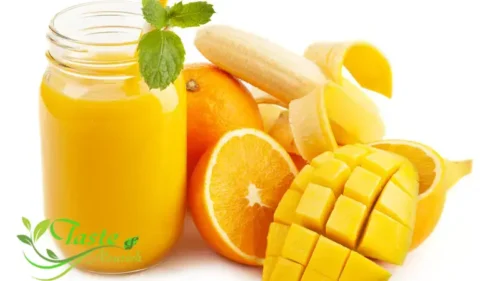
Mangoes have earned their royal title for good reason. These luscious fruits are bursting with beta-carotene, which your body converts into vitamin A—essential for vision, immune function, and skin health. A single cup of mango provides about 25% of your daily vitamin A needs.
But mangoes go beyond just vitamin A. They’re rich in vitamin C (though slightly less than oranges), vitamin E, and several B vitamins including B6, which plays a crucial role in brain development and function. The unique enzyme blend in mangoes, including amylases, helps break down carbohydrates and can aid digestion.
What’s particularly fascinating about mangoes is their polyphenol content, especially mangiferin—a powerful antioxidant that research suggests may have anti-cancer, anti-diabetic, and anti-inflammatory properties. This compound is so potent that it’s being studied extensively for potential therapeutic applications.
Calorie Breakdown: Orange Juice vs Mango Juice vs Blended Combinations
Detailed Calorie Tables for Different Serving Sizes
Understanding the caloric content of your juice is essential for making informed dietary choices. Here’s a comprehensive breakdown:
| Juice Type | Serving Size | Calories | Carbohydrates (g) | Sugars (g) | Protein (g) | Fiber (g) |
|---|---|---|---|---|---|---|
| Fresh Orange Juice | 8 oz (240 ml) | 110-112 | 26 | 21 | 2 | 0.5 |
| Fresh Orange Juice | 12 oz (355 ml) | 165-168 | 39 | 31.5 | 3 | 0.75 |
| Fresh Orange Juice | 16 oz (473 ml) | 220-224 | 52 | 42 | 4 | 1 |
| Fresh Mango Juice | 8 oz (240 ml) | 128-135 | 31 | 28 | 1 | 0.3 |
| Fresh Mango Juice | 12 oz (355 ml) | 192-202 | 46.5 | 42 | 1.5 | 0.45 |
| Fresh Mango Juice | 16 oz (473 ml) | 256-270 | 62 | 56 | 2 | 0.6 |
| Orange-Mango Blend (50/50) | 8 oz (240 ml) | 119-123 | 28.5 | 24.5 | 1.5 | 0.4 |
| Orange-Mango Blend (50/50) | 12 oz (355 ml) | 178-185 | 42.75 | 36.75 | 2.25 | 0.6 |
| Orange-Mango Blend (50/50) | 16 oz (473 ml) | 238-247 | 57 | 49 | 3 | 0.8 |
| Commercial Juice Type | Serving Size | Calories | Carbohydrates (g) | Sugars (g) | Added Sugars (g) |
|---|---|---|---|---|---|
| Store-bought Orange Juice (Not from Concentrate) | 8 oz (240 ml) | 110-120 | 26-28 | 22-24 | 0-2 |
| Store-bought Mango Nectar | 8 oz (240 ml) | 140-150 | 35-38 | 32-36 | 8-12 |
| Commercial Orange-Mango Blend | 8 oz (240 ml) | 130-140 | 32-35 | 28-32 | 4-8 |
How Processing Methods Affect Calorie Contentz
Here’s something most articles won’t tell you: the method you use to extract juice significantly impacts its nutritional profile and caloric density. When you use a centrifugal juicer, the high-speed spinning generates heat, which can degrade heat-sensitive vitamins like vitamin C by up to 15-20%.
Cold-press juicing, on the other hand, preserves more nutrients but also extracts more natural sugars from the fruit, potentially increasing the calorie content slightly. Blending (making a smoothie rather than juice) keeps all the fiber intact, which slows sugar absorption and increases satiety—though it also increases the overall calorie count because you’re consuming the entire fruit.
Commercial pasteurization, required for shelf-stable juices, involves heating the juice to high temperatures, which kills harmful bacteria but also destroys some vitamins and enzymes. This is why fresh-squeezed juice often tastes more vibrant—it literally contains more living nutrients.
Health Benefits of Orange and Mango Juice
Immune System Boosting Properties
Let’s talk about your immune system’s best friend: vitamin C. Both oranges and mangoes deliver this crucial nutrient in abundance, but they work in different ways to support your body’s defenses. Vitamin C stimulates the production and function of white blood cells, particularly lymphocytes and phagocytes, which help protect your body against infection.
But here’s the kicker: vitamin C also functions as a powerful antioxidant, protecting these immune cells from damage by harmful free radicals. A study published in the journal Nutrients found that adequate vitamin C intake can reduce the duration and severity of common cold symptoms by up to 8% in adults and 14% in children.
Mangoes bring their own immune-supporting arsenal through beta-carotene and vitamin A, which help maintain the integrity of mucous membranes in your respiratory tract—your body’s first line of defense against airborne pathogens. Think of it as reinforcing the walls of your fortress.
Digestive Health and Fiber Content
Now, I know what you’re thinking: “But juice doesn’t have much fiber!” You’re absolutely right, and this is actually one of the most important considerations when choosing juice over whole fruit. However, mangoes contain unique digestive enzymes called amylases that can help break down complex carbohydrates into simpler sugars, making them easier to digest.
When you consume mango juice, you’re still getting some of these beneficial enzymes, which can aid in overall digestive comfort. Orange juice, meanwhile, contains small amounts of soluble fiber (even after juicing) that can help support beneficial gut bacteria.
The key is balance. If you’re drinking juice regularly, make sure you’re also consuming plenty of fiber-rich whole fruits, vegetables, and whole grains throughout your day. Your gut microbiome will thank you.

Skin Health and Anti-Aging Benefits
Want to know a secret about radiant skin? It starts from the inside. The combination of vitamin C from oranges and vitamin A from mangoes creates a powerful duo for skin health. Vitamin C is essential for collagen synthesis—the protein that keeps your skin firm, elastic, and youthful-looking.
As we age, collagen production naturally declines, leading to wrinkles and sagging skin. By ensuring adequate vitamin C intake through foods like orange juice, you’re giving your body the raw materials it needs to maintain collagen production. Research published in the American Journal of Clinical Nutrition found that higher vitamin C intake was associated with better skin appearance and fewer wrinkles.
Mangoes contribute through their rich carotenoid content, which helps protect skin from UV damage and oxidative stress. These compounds literally act like an internal sunscreen, though they don’t replace the need for topical sun protection.
Eye Health and Vision Protection
Here’s where mangoes really shine. The high levels of vitamin A and beta-carotene in mango juice are crucial for maintaining healthy vision. Vitamin A is a component of rhodopsin, a protein in your eyes that allows you to see in low light conditions.
But the benefits go deeper. The antioxidants lutein and zeaxanthin, present in both oranges and mangoes, accumulate in the retina and help filter harmful blue light, potentially reducing the risk of age-related macular degeneration—a leading cause of vision loss in older adults.
Think of these nutrients as sunglasses for your eyes, working from the inside out to protect your precious vision as you age.
The Science Behind the Synergy: Why Combine Orange and Mango?
Enhanced Antioxidant Activity
Here’s something fascinating that researchers have discovered: when you combine different fruits, the total antioxidant capacity isn’t just additive—it can actually be synergistic. This means that orange and mango juice together may provide more antioxidant protection than each would individually.
A study in the Journal of Agricultural and Food Chemistry examined fruit combinations and found that certain polyphenols from different fruits can work together to enhance each other’s absorption and effectiveness. The flavonoids in oranges may help stabilize and increase the bioavailability of carotenoids from mangoes.
This is like having a team where everyone’s strengths complement each other, creating something greater than the sum of its parts.
Improved Nutrient Absorption
The vitamin C in orange juice can actually enhance your body’s absorption of other nutrients, particularly iron and certain plant compounds. When combined with mango’s fat-soluble vitamins (like vitamin A), the diverse nutrient profile creates an optimal environment for absorption.
Your body is incredibly smart—it absorbs nutrients more efficiently when they arrive in the context of whole foods or combinations of complementary foods. This is one reason why a varied diet is so important, and why combining orange and mango creates a nutritionally superior beverage.
Potential Drawbacks and Considerations
Sugar Content and Glycemic Impact
Let’s address the elephant in the room: fruit juice contains a lot of natural sugar. An 8-ounce glass of orange-mango juice can contain 24-28 grams of sugar—that’s about 6-7 teaspoons. While this sugar comes packaged with vitamins, minerals, and beneficial plant compounds (unlike refined sugar), it can still impact your blood glucose levels.
When you remove the fiber from fruit by juicing it, you’re eliminating the component that slows down sugar absorption. This means the natural sugars hit your bloodstream faster, causing a more rapid spike in blood glucose and insulin. For most healthy individuals, this isn’t a major concern in moderation, but it’s worth understanding.
If you have diabetes, prediabetes, or are trying to manage your weight, consider these strategies: dilute your juice with water (50/50), limit portion sizes to 4-6 ounces, or consume it alongside a meal that contains protein and healthy fats to slow sugar absorption.

Dental Health Concerns
Here’s something your dentist wants you to know: fruit juice, while nutritious, is acidic and can erode tooth enamel over time. Oranges have a pH of around 3.3-4.2, and the acids can temporarily soften enamel, making teeth more vulnerable to damage.
The solution isn’t to avoid juice entirely—it’s to be smart about consumption. Drink your juice in one sitting rather than sipping it throughout the day, use a straw to minimize contact with teeth, and wait at least 30 minutes before brushing (brushing immediately after can actually spread the acid around and damage softened enamel).
Rinsing your mouth with water after drinking juice can also help neutralize acids and wash away sugars.
Who Should Limit Their Intake?
While orange and mango juice offers numerous benefits, certain individuals should exercise caution. People with diabetes or insulin resistance should monitor their intake carefully and consider the timing of consumption. Those taking certain medications, particularly some blood pressure or cholesterol medications, should consult their healthcare provider, as grapefruit-related interactions are well-known, but other citrus fruits can occasionally interact as well.
Individuals with gastroesophageal reflux disease (GERD) might find that acidic orange juice exacerbates symptoms. And anyone watching their calorie intake for weight management should remember that juice is a concentrated source of calories without the filling fiber of whole fruit.
Fresh-Pressed vs Store-Bought: What’s the Real Difference?
Nutritional Degradation in Commercial Juices
When you buy juice from the store, even “not from concentrate” varieties, you’re getting a product that’s been pasteurized—heated to kill bacteria and extend shelf life. This process can reduce vitamin C content by 10-50%, depending on the temperature and duration of heating.
Fresh-pressed juice, consumed immediately, contains the full spectrum of nutrients, enzymes, and phytochemicals. However, even fresh juice begins losing nutrients quickly. Vitamin C, in particular, starts degrading within minutes of exposure to air and light. Within 24 hours, a fresh-pressed juice can lose 40-50% of its vitamin C content.
This doesn’t mean commercial juice is worthless—it still provides valuable nutrients. But if you’re drinking juice primarily for health benefits, fresh is definitively superior.
Hidden Ingredients to Watch Out For
Turn that juice bottle around and read the ingredients list. You might be surprised by what you find. Many commercial juices contain added sugars, even when labeled as “100% juice” (through the addition of concentrated fruit sugars). Others contain “natural flavors”—a catch-all term that can include dozens of synthetic compounds.
Some brands add synthetic vitamins to replace those lost during processing, which sounds good but isn’t quite the same as naturally occurring vitamins in whole food matrices. Look for juices with a single ingredient: juice. If you see anything else, you’re not getting a pure product.
“From concentrate” juices have had the water removed, been shipped, then had water added back. This process is cheaper for manufacturers but results in further nutrient loss and often a less fresh taste.
How to Make the Perfect Orange and Mango Juice at Home
Selecting the Best Fruits
The quality of your juice starts at the fruit selection. For oranges, look for fruits that feel heavy for their size—this indicates juiciness. The skin should be firm and smooth, not puffy or dried out. Color isn’t always the best indicator of ripeness; some perfectly ripe oranges have greenish patches.
Mangoes should yield slightly to gentle pressure, similar to a ripe avocado. The stem end should have a fruity, sweet aroma. Avoid mangoes with black spots or an overly soft, mushy texture. If your mangoes are firm, let them ripen at room temperature for a few days until they develop that characteristic sweet fragrance.
Here’s a pro tip: buy fruits in season when they’re at peak flavor and nutritional density. Oranges are typically best from November through June, while mangoes have different seasons depending on variety, but generally peak from March through September.
Equipment and Preparation Methods
You don’t need expensive equipment to make excellent juice at home. A simple citrus reamer and a blender can work wonders. For oranges, rolling them firmly on the counter before juicing helps break down internal membranes, releasing more juice.
If you’re using a blender for mangoes, cut them into chunks and blend with a small amount of water, then strain through a fine-mesh sieve or cheesecloth if you prefer a smoother texture. For a cold-press effect without expensive machinery, try the “twist and press” method: blend your fruit, pour into a nut milk bag or cheesecloth, then twist and squeeze to extract juice.
The ideal ratio for orange-mango juice is about 60% orange to 40% mango, though you can adjust based on personal preference. This ratio balances the bright acidity of orange with the creamy sweetness of mango perfectly.
Recipe Variations for Different Health Goals
For immune support: 2 oranges, 1/2 mango, 1-inch fresh ginger, 1/2 lemon. The ginger adds powerful anti-inflammatory compounds, while the extra lemon boosts vitamin C content.
For digestive health: 1 orange, 1 mango, 1/4 cup fresh pineapple, small handful of mint. Pineapple adds bromelain, another digestive enzyme, while mint soothes the digestive tract.
For energy and hydration: 1 orange, 1/2 mango, 1 cup coconut water, handful of spinach. The coconut water provides electrolytes, and the spinach adds iron and other minerals without affecting taste significantly.
For antioxidant power: 2 oranges, 1/2 mango, 1/4 cup blueberries, 1/4 teaspoon turmeric. This combination creates an antioxidant powerhouse, with turmeric adding curcumin’s anti-inflammatory benefits.
Best Times to Consume Orange and Mango Juice
Morning Energy Boost
Many people swear by a glass of fresh orange-mango juice first thing in the morning, and there’s some science to support this habit. After an overnight fast, your liver’s glycogen stores are partially depleted, and the natural sugars in juice provide quick energy to kickstart your metabolism.
However, drinking juice on a completely empty stomach can cause blood sugar to spike rapidly. A better approach? Have your juice alongside a balanced breakfast that includes protein and healthy fats—perhaps with eggs and avocado toast, or Greek yogurt with nuts. This combination provides sustained energy without the crash.
The vitamin C in your morning juice also enhances iron absorption from other breakfast foods, making it particularly beneficial if you’re eating iron-rich foods like fortified cereals or leafy greens.
Pre and Post-Workout Considerations
Timing matters when it comes to juice and exercise:
- About 30-60 minutes before a workout, a small glass (4-6 ounces) of orange-mango juice can provide readily available carbohydrates for energy without causing digestive discomfort. The natural sugars fuel your muscles, while the potassium helps prevent cramping.
- Post-workout, juice can be part of an effective recovery strategy. The carbohydrates help replenish depleted glycogen stores, while the antioxidants combat exercise-induced oxidative stress. For optimal recovery, pair your juice with a protein source—blend it with protein powder, or enjoy it alongside a handful of almonds.
Athletes and fitness enthusiasts often underestimate the importance of post-exercise nutrition timing. Consuming carbohydrates and protein within 30-60 minutes after exercise maximizes recovery and muscle protein synthesis.
Storage Tips and Shelf Life
Fresh juice is best consumed immediately, but life doesn’t always allow for that. If you need to store homemade juice, pour it into an airtight glass container, filling it to the very top to minimize air exposure (oxygen degrades nutrients). Store in the refrigerator at 40°F or below, and consume within 24-48 hours for maximum nutritional value.
For longer storage, freezing is your best option. Pour juice into ice cube trays or freezer-safe containers, leaving some room for expansion. Frozen juice maintains most of its nutritional value for up to 3 months. Thaw in the refrigerator rather than at room temperature to minimize nutrient loss.
Never store juice in metal containers, as the acidity can react with metal, affecting both taste and potentially causing the release of metal ions into your juice. Glass is always the safest, most inert option.
Conclusion
Orange and mango juice offers an impressive array of vitamins, minerals, antioxidants, and beneficial plant compounds that can support your health in numerous ways—from boosting immunity to protecting your vision and promoting glowing skin. The synergy between these two tropical fruits creates a beverage that’s not only delicious but nutritionally powerful.
However, like most things in nutrition, context matters. Juice is best enjoyed as part of a balanced diet rich in whole fruits, vegetables, whole grains, lean proteins, and healthy fats. It’s not a magic elixir, nor is it a dietary villain—it’s simply one tool in your nutritional toolkit.
The key takeaways? Choose fresh-pressed over commercial when possible, be mindful of portion sizes (4-8 ounces is plenty), consider the timing of consumption, and always balance juice with whole fruits that provide essential fiber. Listen to your body, work with your healthcare provider if you have specific health concerns, and enjoy this golden beverage as nature intended—as an occasional treat that nourishes both body and soul.
Remember, the best diet is one that’s sustainable, enjoyable, and personalized to your unique needs. Orange and mango juice can absolutely have a place in a healthy lifestyle—just make sure you’re sipping wisely.
Frequently Asked Questions (FAQs)
1. Is it better to eat whole oranges and mangoes or drink their juice?
Eating whole fruits is generally superior from a nutritional standpoint because you get all the fiber, which slows sugar absorption, promotes satiety, and supports digestive health. However, juice offers convenience and concentrated vitamins and minerals. The best approach is to enjoy both—have whole fruits most of the time and occasional juice as a treat or nutritional boost. If you’re drinking juice regularly, aim for no more than one 4-8 ounce serving per day and prioritize whole fruits for your other servings.
2. Can orange and mango juice help with weight loss?
While orange and mango juice contains valuable nutrients, it’s not typically recommended as a weight loss tool because it’s calorie-dense and lacks the fiber that helps you feel full. An 8-ounce glass contains 120-135 calories with minimal satiety. If you’re trying to lose weight, focus on eating whole fruits instead, which provide more volume and fiber for fewer calories. However, if you love juice, you can include small amounts as part of a calorie-controlled diet—just account for those liquid calories in your daily total.
3. How much orange and mango juice is safe to drink daily?
For most healthy adults, 4-8 ounces (120-240 ml) of fresh fruit juice per day is reasonable and can contribute to your overall nutrient intake. The American Academy of Pediatrics recommends limiting juice to 4 ounces daily for children ages 1-3, 4-6 ounces for ages 4-6, and 8 ounces for ages 7 and older. People with diabetes, prediabetes, or those watching their weight should consult with a healthcare provider about appropriate amounts. Remember that these servings count toward your daily fruit intake, not in addition to it.
4. Does orange-mango juice interact with any medications?
While orange juice doesn’t have the same well-documented drug interactions as grapefruit juice, it can potentially interact with certain medications. The high vitamin C content may enhance iron absorption from supplements, and the vitamin K (though minimal in juice) could theoretically interact with blood thinners. Some antibiotics should not be taken with acidic juices. If you’re on any medications, especially blood pressure medications, statins, or antibiotics, check with your pharmacist or doctor about potential juice interactions. It’s always better to be safe than sorry.
5. Can I drink orange and mango juice if I have diabetes?
People with diabetes can include orange and mango juice in their diet, but it requires careful planning and portion control. Juice causes a more rapid blood sugar rise than whole fruit due to the absence of fiber. If you have diabetes, consider these strategies: limit portions to 4 ounces, consume juice with a meal containing protein and healthy fats, monitor your blood glucose response, and count the carbohydrates toward your meal plan. Some people with diabetes find that diluting juice with water or sparkling water helps them enjoy the flavor while consuming less sugar. Always work with your healthcare team to determine what’s appropriate for your individual situation.
Scientific References:
- Carr, A. C., & Maggini, S. (2017). Vitamin C and Immune Function. Nutrients, 9(11), 1211. https://doi.org/10.3390/nu9111211
- Cosgrove, M. C., Franco, O. H., Granger, S. P., Murray, P. G., & Mayes, A. E. (2007). Dietary nutrient intakes and skin-aging appearance among middle-aged American women. American Journal of Clinical Nutrition, 86(4), 1225-1231. https://doi.org/10.1093/ajcn/86.4.1225
- Liu, R. H. (2013). Health-promoting components of fruits and vegetables in the diet. Advances in Nutrition, 4(3), 384S-392S. https://doi.org/10.3945/an.112.003517