
Orange and Carrot Juice | The Complete Guide to Benefits, Nutrition & Recipes (2025)

Have you ever wondered why some juice combinations just feel right? Orange and carrot juice isn’t just another trendy beverage—it’s a nutritional powerhouse that’s been quietly supporting human health for decades. When you blend the zesty brightness of oranges with the earthy sweetness of carrots, you’re creating more than just a delicious drink. You’re crafting a wellness elixir that packs vitamins, minerals, and antioxidants into every sip.
In today’s fast-paced world, we’re constantly searching for simple ways to boost our health without sacrificing taste or convenience. Orange and carrot juice hits that sweet spot perfectly. Whether you’re looking to strengthen your immune system, improve your skin’s radiance, or simply start your day with sustained energy, this vibrant juice blend delivers results that go far beyond what either ingredient could achieve alone.
The Nutritional Powerhouse: What’s Inside Orange and Carrot Juice?
Vitamins and Minerals Breakdown
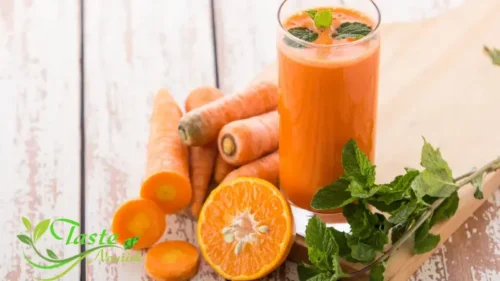
When you pour yourself a glass of orange and carrot juice, you’re essentially drinking liquid nutrition. Oranges bring an impressive vitamin C content to the table—we’re talking about roughly 70-90 mg per medium orange, which covers nearly your entire daily requirement. But that’s just the beginning.
♦ Carrots contribute an astronomical amount of vitamin A in the form of beta-carotene. A single cup of carrot juice can provide over 600% of your daily vitamin A needs. This isn’t excess—it’s stored safely in your body and converted to active vitamin A as needed. The combination also delivers meaningful amounts of vitamin E, vitamin K, folate, potassium, and B-complex vitamins including B1, B2, B3, and B6.
♦ The mineral profile is equally impressive. You’re getting potassium for heart health, magnesium for muscle function, phosphorus for bone strength, and trace minerals like manganese and copper that support various enzymatic processes throughout your body.
Antioxidant Properties
Here’s where things get really interesting. Orange and carrot juice contains a diverse array of antioxidants that work synergistically to protect your cells from oxidative stress.
- Oranges contribute flavonoids like hesperidin and naringenin, which have been studied for their anti-inflammatory properties.
- Carrots add carotenoids—primarily beta-carotene, but also alpha-carotene and lutein.
These antioxidants don’t just float around individually. They form a protective network that neutralizes free radicals more effectively than any single compound could manage alone. Think of it as having a security team rather than a single guard—multiple defenders with different specialties working together.
Caloric Content and Macronutrients
Let’s address the elephant in the room: calories and sugar. Yes, fruit and vegetable juices contain natural sugars, but understanding the full picture helps you make informed decisions. Orange and carrot juice is relatively low in calories while being nutrient-dense, meaning you get tremendous nutritional value for the caloric investment.
Health Benefits of Orange and Carrot Juice You Need to Know
Boosting Immune System Function
Your immune system is essentially your body’s defense department, and orange and carrot juice provides the resources it needs to function optimally. The high vitamin C content from oranges supports the production and function of white blood cells, your body’s primary defenders against pathogens.
♦ vitamin A from carrots plays an equally crucial role in immune health. It maintains the integrity of your mucosal barriers—the surfaces in your respiratory and digestive tracts that form your first line of defense against invaders. When these barriers are healthy, they prevent pathogens from even entering your body in the first place.
Research has shown that adequate vitamin A status is essential for both innate and adaptive immune responses. Without sufficient vitamin A, your body struggles to mount effective immune responses even when vitamin C levels are adequate.
Enhancing Vision and Eye Health
Everyone knows carrots are good for your eyes, but the orange component adds an often-overlooked dimension to eye health. The beta-carotene from carrots converts to retinal, a pigment absolutely essential for low-light vision. This is why vitamin A deficiency is the leading cause of preventable blindness worldwide.
Oranges contribute to eye health through their vitamin C content, which supports the health of blood vessels in the eyes and may reduce the risk of cataracts. The combination of antioxidants from both ingredients helps protect the retina from oxidative damage caused by light exposure.
Supporting Skin Health and Anti-Aging
Want to know the secret to glowing skin? It might just be in your juice glass. Vitamin C is essential for collagen synthesis—the protein that keeps your skin firm, elastic, and youthful. Without adequate vitamin C, your body literally cannot produce collagen properly, regardless of what expensive creams you apply topically.
Beta-carotene from carrots provides photoprotection, meaning it helps protect your skin from sun damage from the inside out. Studies have shown that carotenoid consumption can increase your skin’s natural sun protection factor, though it should never replace external sunscreen. The antioxidants in both ingredients combat free radical damage that accelerates aging, helping you maintain a more youthful appearance naturally.
Promoting Digestive Health
Here’s an angle rarely explored in depth: the impact of orange and carrot juice on digestive health. While juicing removes most of the fiber, what remains is a concentrated source of soluble fiber and beneficial plant compounds that support gut health.
The natural sugars in the juice also act as prebiotics, feeding the beneficial bacteria in your gut. A healthy gut microbiome is linked to everything from improved mood to stronger immunity. The alkalizing effect of both carrots and oranges helps maintain a balanced pH in your digestive system, potentially reducing issues like acid reflux.

Cardiovascular Benefits
Your heart loves orange and carrot juice, and the science backs this up. The potassium content helps regulate blood pressure by counteracting the effects of sodium. Studies have shown that hesperidin, a flavonoid found in oranges, can improve blood vessel function and reduce inflammation markers associated with cardiovascular disease.
Beta-carotene and other carotenoids have been associated with reduced risk of heart disease in epidemiological studies. The antioxidants help prevent the oxidation of LDL cholesterol, a critical step in the development of atherosclerosis. Think of it as rust-proofing your cardiovascular system.
The Science Behind the Synergy: Why Orange and Carrot Work Together
Enhanced Nutrient Absorption
This is where the magic really happens. Fat-soluble vitamins like vitamin A from carrots require dietary fat for optimal absorption. While both oranges and carrots are naturally low in fat, the simple addition of a small amount of healthy fat—perhaps from a handful of nuts eaten alongside your juice—dramatically increases beta-carotene absorption.
The vitamin C in oranges has another superpower: it enhances iron absorption from plant sources. While neither oranges nor carrots are particularly high in iron, the vitamin C ensures that any iron present is absorbed more efficiently.
Complementary Phytonutrient Profiles
Oranges and carrots contain different classes of phytonutrients that complement each other beautifully. Oranges provide flavonoids and phenolic acids, while carrots contribute carotenoids and polyacetylenes. These compounds have overlapping but distinct mechanisms of action, providing broader protection than either ingredient alone.
Research suggests that consuming a variety of phytonutrients is more beneficial than high doses of single compounds. Orange and carrot juice embodies this principle of nutritional diversity.
Calorie Information: Complete Nutritional Tables
Orange Juice Nutritional Profile
| Nutrient | Per 1 Cup (248g) | % Daily Value |
|---|---|---|
| Calories | 112 | 6% |
| Total Carbohydrates | 26g | 9% |
| Sugars | 21g | – |
| Protein | 2g | 4% |
| Vitamin C | 124mg | 138% |
| Folate | 74mcg | 19% |
| Potassium | 496mg | 11% |
| Thiamin (B1) | 0.2mg | 17% |
| Vitamin A | 496 IU | 10% |
Carrot Juice Nutritional Profile
| Nutrient | Per 1 Cup (236g) | % Daily Value |
|---|---|---|
| Calories | 94 | 5% |
| Total Carbohydrates | 22g | 7% |
| Sugars | 9g | – |
| Protein | 2g | 4% |
| Dietary Fiber | 2g | 7% |
| Vitamin A | 45,133 IU | 903% |
| Vitamin K | 37mcg | 31% |
| Potassium | 689mg | 15% |
| Vitamin C | 20mg | 22% |
| Vitamin B6 | 0.5mg | 27% |
Combined Orange and Carrot Juice Nutrition (50/50 Blend)
| Nutrient | Per 1 Cup (242g) | % Daily Value |
|---|---|---|
| Calories | 103 | 5% |
| Total Carbohydrates | 24g | 8% |
| Sugars | 15g | – |
| Protein | 2g | 4% |
| Dietary Fiber | 1g | 4% |
| Vitamin A | 22,815 IU | 456% |
| Vitamin C | 72mg | 80% |
| Potassium | 593mg | 13% |
| Folate | 37mcg | 9% |
| Vitamin K | 19mcg | 16% |
| Vitamin B6 | 0.3mg | 14% |
How to Make the Perfect Orange and Carrot Juice at Home
Choosing the Right Ingredients
Quality ingredients make all the difference:
♦ For oranges, choose fruits that feel heavy for their size—this indicates juiciness. The skin should be firm and smooth without soft spots. Valencia and navel oranges work beautifully, though blood oranges add a stunning color and slightly different flavor profile.
♦ For carrots, select firm, bright orange specimens without cracks or soft spots. Organic carrots are ideal since you’ll be juicing the entire vegetable, but if conventional carrots are your only option, scrub them thoroughly. Larger carrots often have more developed flavor, but younger, slender carrots tend to be sweeter.
Equipment You’ll Need
You have options here. A masticating (slow) juicer extracts maximum juice while preserving more nutrients through minimal heat generation. Centrifugal juicers work faster but generate more heat and oxidation. If you don’t have a juicer, a high-powered blender followed by straining through cheesecloth produces excellent results—you’ll just get more fiber, which isn’t necessarily a bad thing.
Step-by-Step Recipe Guide
Classic Orange and Carrot Blend
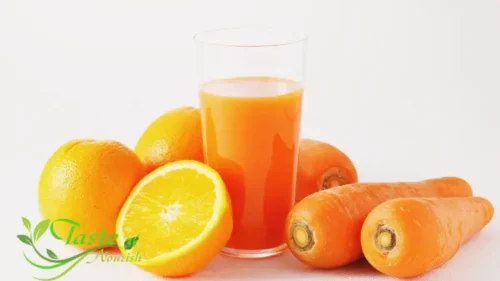
Start with 4 medium oranges and 6 medium carrots for approximately 16 ounces of juice. Peel the oranges, but you can leave some of the white pith—it contains beneficial flavonoids. Scrub the carrots well and trim the tops. If using a juicer, alternate between oranges and carrots to help push the denser carrots through. The citrus helps clean the machine as you work.
Process all ingredients, stir the resulting juice to combine thoroughly, and serve immediately over ice if desired. The flavor should be balanced—sweet, slightly earthy, with bright citrus notes.
Tropical Twist Variation
Add a 1-inch piece of fresh ginger and half a small pineapple to your orange and carrot base. The ginger adds warming spice and digestive benefits, while pineapple contributes bromelain, an enzyme with anti-inflammatory properties. This combination tastes like sunshine in a glass and provides additional vitamin C and manganese.
Spiced Immunity Booster
To your basic recipe, add a 1-inch piece of fresh turmeric root (or 1/2 teaspoon powder), a pinch of black pepper (which increases curcumin absorption from turmeric by up to 2000%), and half a lemon. This creates an anti-inflammatory powerhouse that’s particularly valuable during cold and flu season.
Best Practices for Maximizing Health Benefits
Optimal Consumption Timing
When should you drink orange and carrot juice? Morning consumption on a relatively empty stomach allows for rapid nutrient absorption. The natural sugars provide quick energy to start your day, while the vitamins support your body’s metabolic processes as they ramp up for the day ahead.
⇒ However, if you’re concerned about blood sugar spikes, consuming the juice with a meal that contains protein and healthy fats slows sugar absorption and provides the fat necessary for optimal vitamin A uptake. There’s no single “right” answer—adjust timing based on your individual needs and responses.
Storage and Freshness Tips
Fresh juice begins losing nutrients immediately upon exposure to light, heat, and air. For maximum benefit, consume your juice within 15-20 minutes of making it. If you must store it, use an airtight glass container filled to the top (minimizing air exposure) and refrigerate for no more than 24 hours.
♦ Adding a squeeze of lemon juice helps preserve color and nutrients through its antioxidant properties. Some people freeze juice in ice cube trays for extended storage, though this does result in some nutrient loss.
Avoiding Common Mistakes
Don’t make these rookie errors:
First, avoid adding sugar or sweeteners—the natural sweetness is sufficient and healthier.
Second, don’t discard the foam that forms on top, it contains concentrated nutrients and beneficial compounds.
Third, don’t over-dilute the juice with ice or water unless you genuinely prefer a milder flavor.
Potential Side Effects and Precautions
Sugar Content Considerations
Let’s be honest about sugar. A cup of orange and carrot juice contains approximately 15 grams of natural sugars. While these come packaged with vitamins, minerals, and antioxidants unlike refined sugars, they still impact blood sugar levels.
For people with diabetes or insulin resistance, moderation is key. Consider diluting the juice with water, limiting portions to 4-6 ounces, or consuming it alongside protein and fat to moderate the glycemic response. The juice’s benefits don’t disappear just because it contains sugar, but awareness allows for smart consumption.
Carotenemia: The Orange Skin Phenomenon
Here’s a fascinating side effect that surprises many people: if you consume large amounts of carrot juice regularly, your skin might develop an orange tint, particularly on your palms and soles. This condition, called carotenemia, is completely harmless and reversible by reducing carotenoid intake.
It’s actually a sign that you’re consuming plenty of beta-carotene, and unlike hypervitaminosis A (vitamin A toxicity), carotenemia poses no health risks. Your body is simply storing excess carotenoids in fatty tissues. Think of it as a temporary, completely benign color change—not a medical concern.
Who Should Limit Consumption?
Certain groups should approach orange and carrot juice with caution:
- People taking blood-thinning medications should consult their healthcare provider due to vitamin K content.
- Those with kidney disease need to monitor potassium intake carefully. People prone to kidney stones might need to limit orange juice due to oxalate content.
- Pregnant women can safely enjoy orange and carrot juice in moderation, but should be cautious about vitamin A supplementation from other sources to avoid exceeding safe limits.
Orange and Carrot Juice for Specific Health Goals
Weight Management
Can orange and carrot juice support weight loss? The answer is nuanced. At approximately 103 calories per cup, it’s not particularly calorie-dense, and the nutrients support metabolism and energy production. However, liquid calories don’t promote satiety as effectively as solid foods.
The best approach? Use orange and carrot juice as a nutrient-dense addition to a balanced diet rather than a meal replacement or weight loss shortcut. The vitamins support your body’s metabolic processes, but sustainable weight management requires a comprehensive approach to nutrition and lifestyle.

Detoxification Support
The concept of “detox” is often misunderstood. Your liver and kidneys handle detoxification naturally—you don’t need to flush toxins out. However, supporting these organs with proper nutrition is valuable. The antioxidants in orange and carrot juice help neutralize free radicals, reducing the oxidative burden on your liver.
The potassium supports kidney function, while vitamin C assists in certain detoxification pathways. Rather than thinking of the juice as a detox remedy, view it as nutritional support for your body’s ongoing, natural detoxification processes.
Athletic Performance Enhancement
Athletes often overlook orange and carrot juice, but it offers several performance benefits:
- The natural sugars provide readily available energy for workouts.
- The potassium helps prevent cramping and supports proper muscle function.
- Vitamin C aids in collagen formation, supporting connective tissue health.
- The antioxidants help combat exercise-induced oxidative stress, potentially speeding recovery.
- Some athletes report that regular consumption improves their endurance and reduces muscle soreness.
While it’s not a magic bullet, it’s certainly a valuable addition to an athlete’s nutritional strategy.
Store-Bought vs. Homemade: What You Need to Know
The convenience of store-bought juice is undeniable, but there are significant differences between commercial and homemade versions. Commercial juices undergo pasteurization, which extends shelf life but destroys heat-sensitive nutrients like vitamin C. Many also contain added sugars, preservatives, or are made from concentrate.
Cold-pressed juices found in refrigerated sections are closer to homemade quality, but they’re expensive and still not as fresh as what you make at home. If you do purchase juice, read labels carefully. Look for “100% juice” with no added ingredients, and consume within days of opening.
Homemade juice requires more effort and produces produce waste, but you control every ingredient and maximize nutrient retention. The taste is incomparably fresh, and you can adjust ratios to your preference. For regular consumption, investing in a quality juicer pays dividends in both health and taste.
Conclusion
Orange and carrot juice represents more than just a tasty beverage—it’s an accessible, affordable way to flood your body with essential nutrients. From immune support to skin health, from cardiovascular protection to digestive wellness, the benefits touch virtually every system in your body.
The beauty of this juice combination lies in its simplicity. No exotic ingredients, no complicated preparation, no questionable claims. Just two whole foods that humanity has cultivated and consumed for thousands of years, combined in a way that maximizes their individual strengths while creating new synergies.
Should you drink orange and carrot juice every day? That depends on your individual health status, dietary needs, and preferences. For most people, incorporating this juice several times per week provides significant health benefits without excessive sugar intake. Listen to your body, adjust portions as needed, and enjoy the vibrant flavor and genuine wellness benefits this remarkable juice combination offers.
Frequently Asked Questions
Q1: Can I drink orange and carrot juice every day?
Yes, most healthy adults can safely enjoy orange and carrot juice daily in moderate amounts—typically 4-8 ounces per day. However, monitor your overall sugar intake from all sources and watch for signs of carotenemia if consuming large quantities. If you have diabetes, kidney disease, or take certain medications, consult your healthcare provider about appropriate amounts.
Q2: Is it better to juice carrots and oranges together or separately?
Juicing them together is perfectly fine and actually convenient. The nutrients don’t interfere with each other, and the flavors blend beautifully. Some people prefer to juice them separately and blend to control the exact ratio, but this isn’t necessary for nutritional reasons—it’s purely about taste preference.
Q3: Does orange and carrot juice need to be consumed immediately or can I make it ahead?
For maximum nutritional benefit, consume within 15-20 minutes of juicing. However, if stored properly in an airtight glass container in the refrigerator, it remains reasonably nutritious for up to 24 hours. Expect some color change and nutrient degradation, particularly in vitamin C content, but many benefits remain.
Q4: Can children drink orange and carrot juice?
Yes, children can enjoy orange and carrot juice, but portions should be smaller—2-4 ounces for young children. The American Academy of Pediatrics recommends limiting juice consumption in children due to sugar content and recommends whole fruits and vegetables when possible. The juice should complement, not replace, whole produce in a child’s diet.
Q5: Will orange and carrot juice help me lose weight?
Orange and carrot juice alone won’t cause weight loss, but it can be part of a healthy weight management strategy. At about 103 calories per cup, it’s nutrient-dense rather than calorie-dense. The nutrients support metabolic function, but sustainable weight loss requires a comprehensive approach including balanced nutrition, physical activity, and appropriate calorie intake for your needs.
Scientific Sources:
- National Institutes of Health, Office of Dietary Supplements – Vitamin A and Carotenoids: https://ods.od.nih.gov/factsheets/VitaminA-HealthProfessional/
- Oregon State University, Linus Pauling Institute – Vitamin C: https://lpi.oregonstate.edu/mic/vitamins/vitamin-C
- American Heart Association – Potassium and Heart Health: https://www.heart.org/en/health-topics/high-blood-pressure/changes-you-can-make-to-manage-high-blood-pressure/how-potassium-can-help-control-high-blood-pressure