
Molokhia Syrian Style | Authentic Recipe, Health Benefits & Calorie Breakdown You Won’t Find Elsewhere
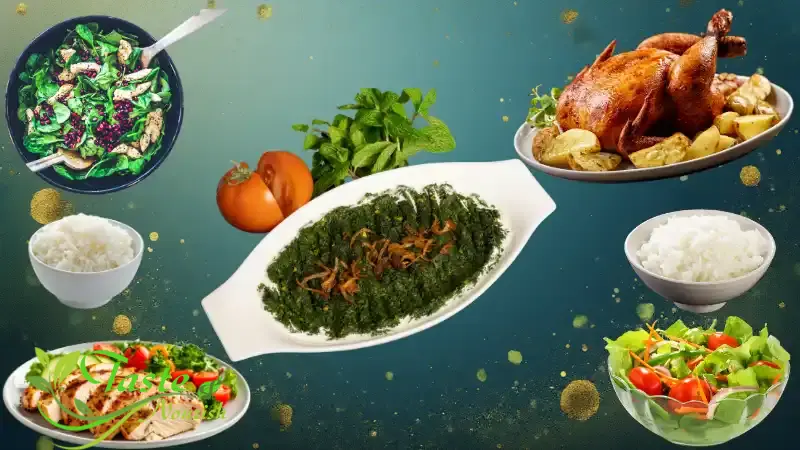
When you step into a Syrian home during mealtime, there’s a good chance you’ll encounter a pot of molokhia simmering on the stove—its distinctive aroma filling every corner of the house. But this isn’t just any molokhia. Syrian molokhia carries its own identity, shaped by centuries of culinary tradition, unique preparation methods, and regional preferences that set it apart from its Egyptian and Lebanese cousins. What makes this version so special, and why has it remained a cornerstone of Syrian comfort food for generations?
What Makes Syrian Molokhia Different?
Syrian molokhia occupies a unique space in the Middle Eastern culinary landscape. While the dish shares a common ancestor with other regional versions, Syrian cooks have developed distinct techniques and flavor profiles that make their molokhia unmistakably Syrian.
The Syrian Culinary Identity
Syrian cuisine is often described as the crossroads of Mediterranean, Arab, and Persian culinary traditions. This convergence of influences is beautifully expressed in Syrian molokhia. The dish reflects Syria’s agricultural abundance, its position along ancient trade routes, and its tradition of generous hospitality. Unlike the soup-like Egyptian version, Syrian molokhia typically has a thicker, more substantial consistency—somewhere between a stew and a thick sauce.
The Syrian approach also emphasizes balance. There’s a careful interplay between the earthiness of molokhia leaves, the richness of meat broth, the pungency of garlic, and the brightness of lemon juice. No single element overwhelms the others, creating a harmonious dish that satisfies without being heavy.
Key Differences from Egyptian and Lebanese Versions
Understanding these differences helps you appreciate Syrian molokhia’s unique character:
Egyptian molokhia is typically thinner, almost soup-like, and heavily features coriander in the garlic mixture. It’s often eaten by pouring it over rice.
Lebanese molokhia tends to be chunkier, sometimes includes whole garlic cloves, and often incorporates more lemon juice, giving it a brighter, tangier flavor.
Syrian molokhia strikes a middle ground in consistency but distinguishes itself through its generous use of garlic (often added twice during cooking), preference for lamb or beef over chicken, and the optional addition of pine nuts or almonds for textural contrast. Syrian cooks also tend to chop their molokhia more coarsely, preserving more of the leaf structure.
The Anatomy of Syrian Molokhia
Let’s break down what makes Syrian molokhia work from an ingredient perspective.
Essential Ingredients and Their Roles
The foundation of any great Syrian molokhia includes:
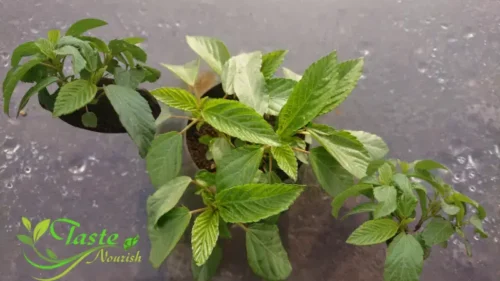
Molokhia leaves: The star of the show. Syrian cooks prefer fresh molokhia when available, but frozen is acceptable year-round. The leaves provide the distinctive flavor and nutritional benefits.
Meat: While chicken works, traditional Syrian molokhia most commonly uses lamb or beef. The meat should be bone-in for maximum flavor—think lamb shanks, beef short ribs, or chicken thighs. The bones release collagen and minerals that enrich both flavor and nutrition.
Garlic: Not just a supporting player but a co-star. Syrian molokhia uses significantly more garlic than most other dishes, often added in two stages for layered flavor.
Lemon juice: Essential for brightness and helping to cut through the richness of the meat broth.
Cilantro (fresh coriander): Used abundantly in the ta’leya (garlic mixture) and as a fresh garnish.
High-quality broth: Made from simmering the meat with aromatic vegetables and spices.
The Syrian Spice Profile
Syrian molokhia isn’t heavily spiced, but the spices used are carefully chosen:
- Ground coriander: The backbone of the ta’leya
- Cumin: Used sparingly for warmth
- Black pepper: Freshly ground for the best flavor
- Cardamom: Sometimes a single pod is added to the broth
- Bay leaves: For depth in the meat broth
- Aleppo pepper: Optional, for those who like subtle heat
What’s notably absent in Syrian versions compared to some other Middle Eastern preparations is turmeric and heavy use of chili peppers. The focus remains on allowing the molokhia’s natural flavor to shine.
Meat Choices: Beyond Chicken
While chicken is convenient and popular, exploring traditional Syrian meat choices elevates the dish:
Lamb is the most traditional choice. Lamb shanks or shoulder pieces create an incredibly rich, flavorful broth. The lamb’s natural fattiness adds body to the molokhia without needing extra oils.
Beef offers a heartier, more robust flavor. Short ribs or chuck roast work beautifully, though they require longer cooking times.
Chicken is lighter and cooks faster, making it practical for weeknight dinners. Syrian cooks typically use whole chicken pieces rather than just breast meat.
Mixed meats aren’t uncommon in Syrian cuisine. Some families combine lamb and chicken for complexity.
Vegetarian versions exist but are less traditional. When meat is omitted, Syrian cooks compensate with extra-rich vegetable broth and sometimes add tahini for body.
Nutritional Breakdown of Syrian Molokhia
Understanding the nutritional content helps you appreciate Syrian molokhia as more than just comfort food—it’s genuinely nutritious.
Calorie Content by Preparation Method
Different preparation methods significantly impact the calorie content:
| Preparation Style | Serving Size | Calories | Protein | Fat | Carbs |
|---|---|---|---|---|---|
| Traditional Lamb Syrian Molokhia | 1.5 cups (350g) | 385-425 kcal | 26-30g | 22-26g | 20-24g |
| Beef Syrian Molokhia | 1.5 cups (350g) | 360-395 kcal | 28-32g | 18-22g | 20-24g |
| Chicken Syrian Molokhia | 1.5 cups (350g) | 295-330 kcal | 29-33g | 12-15g | 19-23g |
| Light Version (skinless chicken, minimal oil) | 1.5 cups (350g) | 240-275 kcal | 28-31g | 7-10g | 19-23g |
| Vegetarian Syrian Molokhia | 1.5 cups (350g) | 180-215 kcal | 8-11g | 8-11g | 22-26g |
Macronutrient Distribution
A detailed look at what you’re getting per standard serving (1.5 cups with lamb):
| Macronutrient | Amount | % Daily Value | Notes |
|---|---|---|---|
| Protein | 26-30g | 52-60% | Complete protein from meat |
| Total Carbohydrates | 20-24g | 7-8% | Primarily from molokhia and onions |
| Dietary Fiber | 7-9g | 28-36% | Excellent for digestive health |
| Total Fat | 22-26g | 34-40% | Higher due to lamb; lower with chicken |
| Saturated Fat | 8-10g | 40-50% | Primarily from lamb fat |
| Monounsaturated Fat | 9-11g | – | Heart-healthy fats, especially if olive oil is used |
| Polyunsaturated Fat | 2-3g | – | Including omega-3 and omega-6 |
| Cholesterol | 75-95mg | 25-32% | From meat; lower with chicken |
Micronutrient Powerhouse
Syrian molokhia’s nutritional value extends far beyond macros. Here’s the impressive micronutrient profile:
| Vitamin/Mineral | Amount per Serving | % Daily Value | Key Benefits |
|---|---|---|---|
| Vitamin A | 5,200-6,100 IU | 104-122% | Vision, immune function, skin health |
| Vitamin C | 48-58mg | 80-97% | Antioxidant, immune support, collagen production |
| Vitamin K | 420-510mcg | 525-638% | Blood clotting, bone health |
| Vitamin E | 3.2-4.1mg | 21-27% | Antioxidant protection |
| Folate (B9) | 105-125mcg | 26-31% | DNA synthesis, cell division |
| Niacin (B3) | 8.2-9.6mg | 51-60% | Energy metabolism, nervous system |
| Vitamin B6 | 0.6-0.8mg | 35-47% | Brain health, mood regulation |
| Vitamin B12 | 1.8-2.4mcg | 75-100% | From meat; crucial for nerve function |
| Iron | 5.2-6.8mg | 29-38% | Oxygen transport, energy |
| Calcium | 245-285mg | 24-29% | Bone health, muscle function |
| Magnesium | 92-115mg | 23-29% | Muscle and nerve function |
| Phosphorus | 285-325mg | 41-46% | Bone health, energy production |
| Potassium | 645-720mg | 18-21% | Blood pressure regulation |
| Zinc | 4.5-5.8mg | 41-53% | Immune function, wound healing |
| Selenium | 24-32mcg | 44-58% | Antioxidant, thyroid function |
The impressive vitamin K content comes almost entirely from molokhia leaves, while the B vitamins and minerals are contributed by both the leaves and the meat.
Health Benefits Specific to Syrian Preparation
The Syrian method of preparing molokhia actually enhances certain health benefits compared to other versions.
Garlic’s Medicinal Properties
Syrian molokhia’s generous use of garlic isn’t just about flavor—it’s a health powerhouse. Garlic contains allicin, a sulfur compound with potent antimicrobial and anti-inflammatory properties. When Syrian cooks add garlic in two stages (simmered with the molokhia and fried in the ta’leya), they maximize both the bioavailability and the concentration of beneficial compounds.
Research has shown that regular garlic consumption can help lower blood pressure, reduce cholesterol levels, and support immune function. The amount of garlic in a typical serving of Syrian molokhia (approximately 3-5 cloves per person) provides enough allicin to potentially offer cardiovascular benefits, particularly when consumed regularly as part of a balanced diet.
Olive Oil vs. Other Fats
Many Syrian families, particularly those from coastal regions, use olive oil in their ta’leya instead of ghee or butter. This choice significantly impacts the health profile of the dish. Extra virgin olive oil is rich in monounsaturated fats and polyphenols, which have been extensively studied for their anti-inflammatory and cardioprotective effects.
When olive oil is used to sauté the garlic and coriander, it doesn’t just carry flavors—it delivers oleocanthal, a compound that acts similarly to ibuprofen in the body, reducing inflammation. The combination of olive oil’s healthy fats with molokhia’s fat-soluble vitamins (A, E, and K) also enhances nutrient absorption.
Bone Broth Benefits
The Syrian tradition of using bone-in meat and slow-simmering it creates a nutrient-rich bone broth base. This broth contains collagen, gelatin, glucosamine, and chondroitin—compounds that support joint health, skin elasticity, and gut lining integrity.
Collagen from bone broth is broken down into amino acids like glycine and proline during cooking. These amino acids support the body’s natural collagen production and may help reduce inflammation in the digestive tract. The gelatin in bone broth can also help seal the gut lining, potentially beneficial for people with digestive sensitivities.
The Science of Molokhia’s Nutritional Value
Let’s dive deeper into the scientific evidence behind molokhia’s health claims.
Bioavailability of Nutrients
Bioavailability refers to how much of a nutrient your body can actually absorb and use. Molokhia’s nutrients are highly bioavailable for several reasons:
The vitamin A in molokhia exists primarily as beta-carotene, which is fat-soluble. The meat fat and cooking oil in Syrian molokhia significantly enhance the absorption of this vitamin. Studies have shown that consuming carotenoids with fat can increase absorption by up to 500% compared to consuming them without fat.
The iron in molokhia is non-heme iron (plant-based), which is typically harder to absorb than heme iron from meat. However, Syrian molokhia contains both types. Additionally, the high vitamin C content from both the molokhia leaves and the added lemon juice dramatically enhances non-heme iron absorption. Research indicates that vitamin C can increase iron absorption by up to 400%.
The cooking process itself affects nutrient bioavailability. Some nutrients, like lycopene and beta-carotene, actually become more bioavailable when cooked. The heat breaks down cell walls, making these compounds more accessible to your digestive system.
Probiotic Effects on Gut Health
While molokhia itself doesn’t contain probiotics, its high fiber content serves as a prebiotic—food for beneficial gut bacteria. The soluble fiber in molokhia ferments in the colon, producing short-chain fatty acids (SCFAs) like butyrate, propionate, and acetate.
These SCFAs have numerous health benefits: they fuel the cells lining your colon, reduce inflammation, improve insulin sensitivity, and may even influence mood through the gut-brain axis. Recent research has highlighted the importance of dietary fiber in maintaining a diverse, healthy gut microbiome, which influences everything from immune function to mental health.
The mucilaginous texture of molokhia also provides a soothing effect on the digestive tract. This mucilage can help protect the stomach lining and may be particularly beneficial for people with gastritis or irritable bowel syndrome (IBS).
Authentic Syrian Molokhia Recipe
Ready to create authentic Syrian molokhia in your own kitchen? Here’s a comprehensive, foolproof recipe.
Preparing the Meat Base
Ingredients for the meat broth:
- 1 kg (2.2 lbs) bone-in lamb shoulder or shanks (or chicken, beef)
- 1 large onion, quartered
- 2 bay leaves
- 1 cinnamon stick (optional)
- 2 cardamom pods
- 1 teaspoon whole black peppercorns
- 1 teaspoon salt
- 10 cups water
Instructions:
Begin by rinsing your meat thoroughly under cold water. Place it in a large pot and cover with the 10 cups of water. Bring to a boil over high heat, then reduce to medium-high. As the water heats, foam will rise to the surface—skim this off continuously for the first 10-15 minutes. This removes impurities and results in a clearer, cleaner-tasting broth.
Once the foam subsides, add your aromatics: onion quarters, bay leaves, cinnamon stick, cardamom pods, peppercorns, and salt. Reduce the heat to low and let the broth simmer gently for 1.5 to 2 hours for lamb (45 minutes for chicken). The meat should be tender enough to fall off the bone easily.
Remove the meat from the broth and set aside. Strain the broth through a fine-mesh sieve, discarding the aromatics. You should have about 6-7 cups of rich, flavorful broth. If you have less, add water to reach this amount. If you have more, you can reduce it slightly for a more concentrated flavor.
Pro tip: Make the broth a day ahead and refrigerate it overnight. This allows the fat to solidify on top, which you can easily remove for a lighter dish, or leave it in for authentic richness.
The Art of the Syrian Ta’leya
The ta’leya is the soul of Syrian molokhia—this aromatic garlic and coriander mixture defines the dish’s character.
Ingredients:
- 10-12 large garlic cloves, finely minced or crushed
- 3 tablespoons ground coriander
- 1/4 cup olive oil or ghee
- 1/2 cup fresh cilantro, finely chopped (Syrian addition)
- Optional: 1/2 teaspoon Aleppo pepper
Instructions:
Heat the oil or ghee in a small pan over medium heat. Add the minced garlic and sauté, stirring constantly, for about 45-60 seconds. The garlic should become fragrant and just barely begin to turn golden. Do not let it brown—burned garlic will make your entire dish bitter.
The moment the garlic becomes aromatic, add the ground coriander and Aleppo pepper if using. Stir for another 15-20 seconds until the coriander releases its fragrance. Immediately remove from heat.
Here’s the Syrian twist: Add the fresh cilantro to the hot ta’leya and stir to combine. The residual heat will wilt the cilantro slightly while preserving its fresh, vibrant flavor.
Achieving the Perfect Consistency
Final assembly:
- Your prepared meat broth
- 600g (about 1.3 lbs) frozen molokhia, thawed (or 800g fresh, finely chopped)
- Your prepared ta’leya
- Juice of 1-2 lemons
- Salt to taste
- Optional: 2-3 additional garlic cloves, minced
Return your strained broth to the pot and bring to a gentle simmer. If using frozen molokhia, add it directly to the simmering broth. If using fresh, make sure it’s been finely chopped first.
Here’s the Syrian double-garlic technique: About 10 minutes before finishing, add 2-3 additional minced raw garlic cloves directly to the simmering molokhia. This creates a layered garlic flavor—the cooked garlic from the ta’leya provides depth, while this raw garlic adds sharpness and bite.
Simmer the molokhia for 15-20 minutes, stirring occasionally. The consistency should be thick enough to coat the back of a spoon but still pourable. If it’s too thick, add a bit of water or broth. If too thin, simmer uncovered for a few more minutes.
Pour in your prepared ta’leya and stir thoroughly to distribute the flavors. Add lemon juice to taste—start with one lemon and add more if desired. The lemon should brighten the dish without making it overtly sour.
Taste and adjust salt as needed. Let the molokhia simmer for another 5 minutes to allow the flavors to meld.
Return the meat pieces to the pot to warm through, or serve them separately on a plate as is traditional.
Syrian Cooking Techniques That Set It Apart
Syrian cooks have developed specific techniques that elevate their molokhia.
The Double Garlic Method
As mentioned, Syrian molokhia often features garlic added at two different stages. The first addition happens when you make the ta’leya—this garlic is cooked in oil until fragrant, mellowing its sharpness and creating a sweet, nutty base flavor.
The second addition comes near the end of cooking, when some cooks add freshly minced raw garlic directly to the simmering molokhia. This technique preserves the allicin content (which degrades with prolonged cooking) while adding a fresh, pungent garlic note that contrasts beautifully with the cooked garlic’s mellowness.
Some Syrian families take this even further, preparing a garlic-vinegar condiment to serve alongside the molokhia, allowing diners to adjust the garlic intensity to their preference.
Timing and Temperature Control
Syrian cooks are meticulous about temperature. Unlike some versions where molokhia is vigorously boiled, Syrian molokhia should simmer gently. Aggressive boiling can break down the leaves too much, creating an unpleasant stringy texture and causing the leaves to lose their vibrant green color.
The ta’leya must be added when the molokhia is hot but not boiling. Pour it in, stir well, then return to a gentle simmer. This allows the aromatic oils from the ta’leya to infuse throughout the dish without the garlic continuing to cook and potentially burning.
Traditional Syrian Accompaniments
Syrian molokhia is rarely served alone. The accompaniments are integral to the complete experience.
Syrian Bread Varieties
Khubz (pita bread) is the most common accompaniment. Syrian pita is often thinner and larger than what you might find elsewhere. It’s used to scoop up the molokhia, with each bite combining bread, molokhia, and perhaps a piece of meat.
Manakish (flatbread) is another option, particularly when molokhia is served for breakfast or brunch.
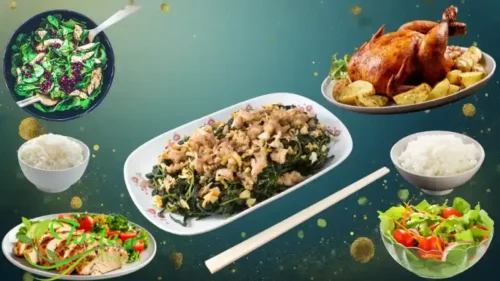
White rice is popular in urban areas, particularly in Damascus. The molokhia is ladled over a mound of fluffy white rice, allowing the rice to absorb the flavorful broth.
Bulgur is traditional in some rural areas, offering a nuttier flavor and more fiber than white rice.
Pickles and Condiments
Syrian pickles (mkhallal) are essential accompaniments:
Pickled turnips (lift mkhallal): Pink from beet juice, these provide a crunchy, tangy contrast to the rich molokhia.
Pickled cucumbers: Crisp and vinegary, they refresh the palate between bites.
Pickled wild cucumbers (mkhallal mkhammar): Smaller and more intensely flavored than regular cucumbers.
Lemon wedges: Always served on the side so diners can adjust acidity to their preference.
Fresh onions: Sliced and soaked in vinegar, sometimes with sumac.
Hot pepper sauce: For those who like heat, though Syrian molokhia itself is typically not spicy.
Toasted pine nuts or slivered almonds: Scattered on top just before serving, adding crunch and richness.
Historical Roots of Molokhia in Syrian Cuisine
The story of molokhia in Syria is intertwined with the country’s rich agricultural history and its position as a cultural melting pot.
Ancient Trade Routes and Culinary Evolution
Syria’s location along the Silk Road meant constant exposure to new ingredients, techniques, and culinary ideas. While molokhia originated in Egypt, it traveled north through trade and migration, adapting to local tastes and available ingredients. By the medieval period, molokhia had become firmly established in Syrian cuisine, mentioned in historic cookbooks and court records.
Syrian farmers found that molokhia grew exceptionally well in the fertile plains around Aleppo and Damascus. The plant thrived in Syria’s climate, making fresh molokhia accessible to both wealthy urbanites and rural villagers. This widespread cultivation allowed molokhia to transcend class boundaries, becoming a dish enjoyed by everyone from merchants to farmers.
Regional Variations Within Syria
Syria’s diverse geography—from Mediterranean coast to desert interior—has produced fascinating regional variations:
Aleppo-style molokhia is known for its robust, hearty preparation, often using lamb and incorporating Aleppo pepper for a subtle heat. Aleppine cooks take pride in achieving a perfect consistency—not too thick, not too thin—and often garnish with toasted pine nuts.
Damascus-style molokhia tends to be slightly lighter, with more emphasis on the broth’s clarity and flavor. Damascene versions might include small meatballs alongside or instead of larger meat pieces.
Homs and Hama versions often feature a rougher chop of molokhia and might include chickpeas for added texture and nutrition.
Coastal Syrian Adaptations
In Latakia and Tartus, coastal influences shape the dish:
The Mediterranean climate allows for abundant fresh herbs, so coastal molokhia often features even more fresh cilantro and sometimes parsley.
Some coastal families add a pinch of allspice to their meat broth, reflecting Turkish and Lebanese influences.
Olive oil is the fat of choice rather than ghee or butter, in keeping with Mediterranean culinary traditions.
Fish-based variations exist, though they’re less common. When made vegetarian, coastal cooks might use a fish stock or add a small amount of anchovy paste for umami depth.
Modern Adaptations and Shortcuts
While traditional preparation is ideal, modern life sometimes demands adaptations.
Instant Pot/Pressure Cooker method:
- Pressure cook the meat with aromatics for 25 minutes for lamb, 15 for chicken
- Release pressure, strain broth, proceed with molokhia as usual
- Total time saved: about 1 hour
Store-bought rotisserie chicken:
- Skip making broth from scratch
- Use high-quality chicken stock and add rotisserie chicken pieces near the end
- Total time: 30 minutes
Pre-made ta’leya:
- Make a large batch of ta’leya and freeze in ice cube trays
- Pop out 2-3 cubes when making molokhia
- Saves 5-10 minutes per meal
Slow cooker method:
- Cook meat in slow cooker for 6-8 hours
- Transfer broth to pot, add molokhia, finish on stovetop
- Convenient for meal planning
Storage, Freezing, and Meal Planning
Syrian molokhia is excellent for batch cooking and meal prep.
Refrigerator storage: Store in airtight containers for up to 4 days. The flavors actually improve after a day or two as they meld together. Keep meat pieces separate if you prefer them to maintain their texture.
Freezer storage: Freeze in portion-sized containers for up to 3 months. The molokhia freezes beautifully, though the texture may become slightly softer. Freeze the broth and molokhia together, but freeze meat pieces separately for best results.
Reheating: Reheat gently on the stovetop over medium-low heat, adding a splash of water or broth if the consistency has thickened. Avoid microwaving on high power as it can affect the texture. If reheating from frozen, thaw in the refrigerator overnight first.
Meal prep strategy: Make a double batch and freeze half. Cook fresh rice or bulgur when ready to serve. Prepare fresh ta’leya if you want maximum flavor, or use pre-made frozen ta’leya cubes for convenience.
Troubleshooting Common Issues
Even experienced cooks encounter challenges. Here’s how to solve common molokhia problems:
Problem: Molokhia is too slimy
- Solution: Chop molokhia more coarsely, cook for a shorter time, add lemon juice earlier in cooking
- Prevention: Don’t over-stir while cooking
Problem: Molokhia is too thin
- Solution: Simmer uncovered to reduce, or add a slurry of cornstarch and water
- Prevention: Use less water in the initial broth, or reduce broth before adding molokhia
Problem: Molokhia is too thick
- Solution: Add warm broth or water gradually until desired consistency
- Prevention: Reserve some broth before adding molokhia
Problem: Bitter taste
- Solution: Usually from burned garlic—unfortunately, you’ll need to start over with the ta’leya
- Prevention: Watch garlic carefully and remove from heat quickly
Problem: Bland flavor
- Solution: Add more salt, more lemon juice, or make a fresh ta’leya and add it
- Prevention: Season the broth adequately, taste and adjust before serving
Problem: Meat is tough
- Solution: Return to heat and simmer longer until tender
- Prevention: Use appropriate cuts (bone-in, well-marbled) and allow sufficient cooking time
Problem: Lost the vibrant green color
- Solution: This is mostly aesthetic; flavor isn’t affected. For next time, avoid overcooking
- Prevention: Don’t boil vigorously, simmer gently instead
Cultural Significance and Family Traditions
In Syrian culture, molokhia is more than just a dish—it’s a connection to heritage, family, and home.
Many Syrian families have their own molokhia traditions passed down through generations. Grandmothers teach granddaughters the exact ratio of garlic to coriander that defines their family’s recipe. The aroma of molokhia simmering on the stove evokes powerful memories of childhood, family gatherings, and the homes left behind by those in the diaspora.
Molokhia-making is often a communal activity. When fresh molokhia is in season, family members gather to strip leaves from stems—a tedious but social task accompanied by conversation and laughter. The finished dish is almost always shared, reinforcing bonds between family and neighbors.
For Syrians living abroad, molokhia has become a powerful symbol of identity and nostalgia. The effort required to find molokhia, source the right spices, and recreate the dish is a way of maintaining connection to Syrian culture and passing it on to children born far from Syria.
During the Syrian crisis, molokhia took on even deeper significance. Refugees scattered across the world shared molokhia recipes online, connecting through a shared love of this dish. For many, successfully making molokhia in a new country became a small victory—proof that despite displacement, Syrian culture and traditions endure.
Conclusion
Syrian molokhia stands as a testament to Syria’s rich culinary heritage—a dish that nourishes both body and soul. With its impressive nutritional profile boasting over 500% of daily vitamin K requirements, substantial protein from meat, and abundant fiber from molokhia leaves, it’s a dish that modern nutrition science would applaud even as it honors ancient traditions.
What makes Syrian molokhia truly special isn’t just its nutrition or its delicious taste—it’s the care embedded in its preparation, the regional variations that tell stories of Syrian geography and history, and the memories it creates and preserves. The double-garlic technique, the careful balance of consistency, the generous use of olive oil—these aren’t just cooking methods; they’re cultural expressions refined over centuries.
Whether you’re Syrian yourself, have Syrian friends or family, or are simply a curious food enthusiast, mastering Syrian molokhia opens a window into one of the world’s most sophisticated culinary traditions. The dish rewards patience and attention to detail, but it’s forgiving enough for beginners to achieve delicious results on their first attempt.
As you ladle steaming molokhia over rice or scoop it up with warm pita bread, you’re participating in a tradition that spans millennia—from ancient farmers who first cultivated these leaves, to medieval cooks who refined the techniques, to modern Syrian families keeping their heritage alive through food. In every aromatic spoonful, you taste history, culture, and the enduring power of a truly great dish.
So gather your ingredients, take your time with the preparation, and create your own molokhia memories. Your kitchen will smell amazing, your body will thank you for the nutrition, and you’ll understand why this humble green stew has captured hearts across generations.
Scientific References:
- Azuma, K., Ippoushi, K., Nakayama, M., Ito, H., Higashio, H., & Terao, J. (2000). “Absorption of chlorogenic acid and caffeic acid in rats after oral administration.” Journal of Agricultural and Food Chemistry, 48(11), 5496-5500. Available at: https://pubs.acs.org/journal/jafcau
- Petropoulos, S., Fernandes, Â., Barros, L., Ferreira, I.C., & Ntatsi, G. (2018). “Nutritional value, chemical characterization and bulb morphology of Greek garlic landraces.” Molecules, 23(2), 319. Available at: https://www.mdpi.com/journal/molecules
- Handoussa, H., Hanafi, R., Eddiasty, I., El-Gendy, M., El-Khatib, A., Linscheid, M., Mahran, L., & Ayoub, N. (2013). “Anti-inflammatory and cytotoxic activities of dietary phenolics isolated from Corchorus olitorius and Vitis vinifera.” Journal of Functional Foods, 5(3), 1204-1216. Available at: https://www.sciencedirect.com/journal/journal-of-functional-foods