
Molokhia Leaves | The Forgotten Egyptian Superfood Taking the World by Storm
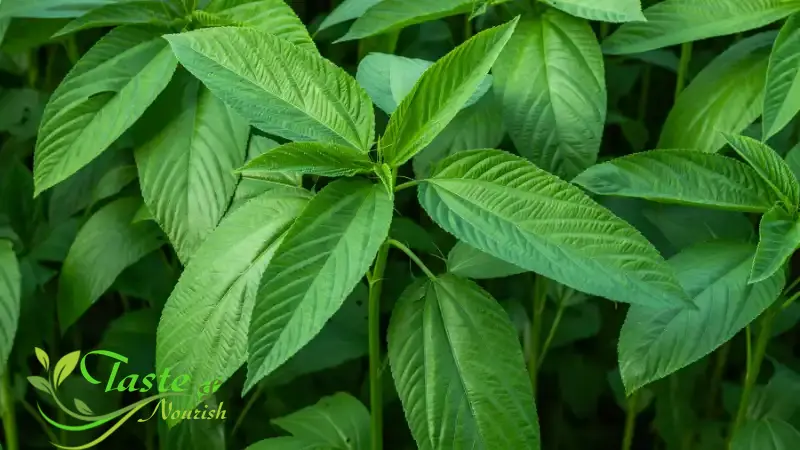
Molokhia leaves, also known as jute mallow or Jew’s mallow, are often overshadowed by kale, spinach, or moringa. Yet, this ancient green has been cherished in Middle Eastern, African, and Asian kitchens for millennia. It’s a culinary staple that’s also a medicinal powerhouse. In fact, molokhia was once a royal dish in ancient Egypt—reserved only for pharaohs and noble families because of its rumored life-extending benefits.
Today, Unlike trendy greens that come and go, molokhia has a centuries-old legacy backed by modern scientific research. In this guide, we’ll explore everything about this remarkable plant—from its origin and benefits to how you can integrate it into your daily diet and even grow it in your backyard.
Molokhia is a rich source of micronutrients
Molokhia leaves are often called the “forgotten green superfood” for good reason—they pack an incredible nutritional punch.
Vitamins and Minerals Breakdown
Here’s what 100 grams of cooked molokhia provides (approximate values):
| Nutrient | Amount | % Daily Value |
|---|---|---|
| Calories | 36 kcal | — |
| Protein | 4.5 g | 9% |
| Fiber | 5.0 g | 20% |
| Vitamin A | 5500 IU | 110% |
| Vitamin C | 53 mg | 88% |
| Calcium | 266 mg | 26% |
| Iron | 3.6 mg | 20% |
| Magnesium | 63 mg | 15% |
Comparison with Other Leafy Greens
When compared to spinach, kale, and collard greens, molokhia often surpasses them in fiber, calcium, and vitamin A content. It’s also richer in antioxidants like beta-carotene, lutein, and polyphenols, which play crucial roles in reducing oxidative stress and preventing chronic diseases.
Health Benefits of Molokhia Leaves
Molokhia isn’t just another green vegetable—it’s a nutritional powerhouse with scientifically supported health benefits. Packed with antioxidants, fiber, and essential vitamins, it offers a range of therapeutic effects that make it stand out among leafy greens.
Boosting Immunity
Molokhia’s high vitamin C content strengthens the immune system by stimulating white blood cell production, which helps the body fight off infections and viruses. Studies have shown that vitamin C also enhances iron absorption, a key factor in preventing anemia and maintaining energy levels.
In addition, the beta-carotene and vitamin A found in molokhia support mucous membranes in the respiratory tract, acting as the body’s first line of defense against pathogens. Regular consumption of molokhia soup, particularly during seasonal changes, can reduce the frequency of colds and flu while improving overall resilience to illness.
Supporting Digestive Health
If you’ve ever noticed molokhia’s slightly slippery texture after cooking, that’s due to its mucilage content—a natural soluble fiber that aids in digestion. This gelatinous component helps soothe the stomach lining, relieve constipation, and promote healthy bowel movements.
Unlike some fibrous vegetables that cause bloating, molokhia’s mucilage acts as a gentle cleanser for the intestines, making it ideal for people with sensitive digestive systems. Moreover, its fiber feeds beneficial gut bacteria, contributing to a balanced microbiome, which is linked to better mood, metabolism, and immune function.
Promoting Heart Health
Heart disease remains a global concern, and molokhia offers natural protection against it. Its fiber helps lower LDL (bad cholesterol) while maintaining HDL (good cholesterol). The magnesium and potassium in molokhia help regulate blood pressure and prevent arterial stiffness.
Research published in The Journal of Medicinal Plants Research highlights molokhia’s potential to reduce oxidative stress in cardiovascular tissues, which in turn supports heart rhythm and function. Incorporating molokhia into your diet two to three times a week can be a flavorful way to maintain cardiovascular health.
Managing Blood Sugar Levels
For individuals managing diabetes or insulin resistance, molokhia can be a game changer. Its combination of fiber and polyphenols helps slow the absorption of sugar into the bloodstream, stabilizing glucose levels after meals.
Animal studies have shown that molokhia leaf extract may enhance insulin sensitivity and reduce postprandial spikes, making it a promising dietary addition for diabetic patients. Furthermore, because it’s low in calories yet rich in nutrients, it helps control hunger without affecting blood sugar balance.
Anti-Inflammatory and Antioxidant Properties
Molokhia’s green pigment isn’t just for show—it’s loaded with chlorophyll and flavonoids that combat inflammation at the cellular level. These compounds help neutralize free radicals, reducing the risk of chronic diseases like arthritis, cancer, and neurodegenerative disorders.
Research published in Food Chemistry identified quercetin and kaempferol as two major antioxidants in molokhia, known for their ability to reduce inflammation and strengthen the immune system. This makes molokhia not only a nourishing food but also a natural anti-aging remedy.
Molokhia and Weight Management
Many people struggle with finding foods that support weight loss while still providing nourishment. Molokhia fits perfectly into a balanced, weight-conscious diet.
Low-Calorie, High-Nutrient Density
Molokhia offers an exceptional nutrient-to-calorie ratio—just 36 calories per 100 grams, yet it delivers significant amounts of fiber, protein, and micronutrients. Its low energy density makes it perfect for reducing caloric intake without sacrificing satiety or nutrition.
Unlike typical diet foods, molokhia is flavorful, comforting, and satisfying. The natural viscosity of the cooked leaves creates a feeling of fullness that helps curb overeating and snacking. Combined with its metabolic benefits, molokhia becomes a dieter’s dream vegetable.
Role in Gut Health and Satiety
The soluble fiber in molokhia slows down digestion, ensuring steady energy release throughout the day. This helps prevent sugar crashes and hunger spikes that often derail weight management efforts. Additionally, fiber supports the growth of healthy gut bacteria that can influence metabolism and fat storage.
Nutritionists often recommend adding molokhia soup or stew to weight-loss meal plans because it provides comfort, nutrients, and hydration—all essential for sustainable results.
Culinary Uses Around the World
Molokhia has a rich cultural presence that spans continents. Each region prepares it differently, reflecting local tastes, traditions, and ingredients.
Egyptian Molokhia Stew
In Egypt, molokhia is prepared as a soupy stew made by simmering finely chopped leaves with garlic, coriander, and chicken or rabbit broth. Served over rice or with toasted flatbread, it’s often paired with grilled meats. The dish is thick, aromatic, and deeply comforting—a true symbol of Egyptian hospitality.
Lebanese and Palestinian Versions
In Lebanon and Palestine, molokhia leaves are cooked whole with lemon juice, onions, and coriander, and sometimes served with roasted chicken or lamb. The lemony flavor helps cut through the earthy taste, giving it a tangy twist. These versions highlight how molokhia adapts beautifully to regional palates.
Filipino “Saluyot” Dishes
In the Philippines, molokhia (locally called saluyot) is a common vegetable in soups and stews. It’s frequently paired with fermented fish (bagoong) or shrimp paste and served with rice. Filipino households value saluyot for its cooling properties and its reputation as a natural remedy for high blood pressure and inflammation.
Modern Culinary Innovations
As molokhia gains global popularity, chefs and health enthusiasts are reimagining its use in modern recipes.
Smoothies, Soups, and Salads
Raw or lightly blanched molokhia can be blended into green smoothies for an instant nutrient boost. Its mild flavor pairs well with fruits like mango and pineapple. In salads, it can be combined with chickpeas, olive oil, and feta for a Mediterranean-inspired dish.
Molokhia-Based Vegan Recipes
Because molokhia is rich in plant protein and iron, it’s an excellent addition to vegan and vegetarian diets. Modern chefs use dried molokhia powder to make nutrient-rich pasta, crackers, and soups. Its gelatinous texture also makes it a natural thickener for vegan sauces and dips—no artificial binders needed.
Scientific Research on Molokhia
Molokhia’s long-standing reputation as a healing plant isn’t just folklore anymore. Modern science is catching up, confirming many of the health benefits that ancient civilizations observed. Researchers worldwide are now exploring molokhia’s bioactive compounds, antioxidant potential, and therapeutic properties.
Recent Studies and Findings
A study published in the International Journal of Food Sciences and Nutrition revealed that molokhia leaves are exceptionally rich in polyphenols and flavonoids, compounds known for their strong antioxidant effects. These substances help combat oxidative stress, a key factor behind aging, inflammation, and chronic diseases.
Another study conducted in Japan found that moroheiya (molokhia) consumption significantly improved liver enzyme activity and cholesterol metabolism, suggesting its potential for maintaining liver health. Similarly, research in Food Chemistry identified quercetin, kaempferol, and luteolin—three potent flavonoids that possess anti-inflammatory and anti-cancer properties.
Potential for Functional Foods and Nutraceuticals
Given its impressive nutrient composition, molokhia is being studied as an ingredient for functional foods and dietary supplements. Scientists are exploring how molokhia leaf extract could be used in capsules, protein powders, and meal replacements aimed at supporting immune health and digestion.
Moreover, molokhia’s high chlorophyll content gives it detoxifying potential, which may help the body eliminate toxins and heavy metals naturally. This positions it as a powerful candidate in the growing market for natural detox and longevity products.
Molokhia in Traditional Medicine
Molokhia’s healing legacy stretches across continents. Before modern pharmaceuticals, people relied on plants like molokhia to treat various ailments, from digestive discomfort to inflammation and fatigue.
Uses in Ayurveda and Arab Medicine
In Ayurvedic medicine, molokhia’s cooling and demulcent (soothing) properties were used to balance “pitta” dosha—associated with heat and inflammation. Traditional healers prescribed molokhia leaves for treating ulcers, constipation, and fevers.
In Arab traditional medicine, molokhia was brewed as a tonic to boost vitality, improve circulation, and heal wounds. Its mucilage content was applied topically to soothe burns, rashes, and insect bites. The plant was even recommended for postpartum recovery, helping new mothers regain strength and blood levels naturally.
Healing Properties for Skin and Inflammation
Molokhia’s natural antioxidants also work wonders for the skin. Vitamin E, beta-carotene, and polyphenols protect the skin from UV damage, while its anti-inflammatory agents reduce redness and irritation. Some cosmetic brands in Japan have even started incorporating molokhia leaf extract into skincare products due to its moisturizing and anti-aging benefits.
In folk medicine, molokhia poultices were used to reduce swelling from insect bites or sprains—a traditional remedy that’s now supported by modern evidence of the plant’s anti-inflammatory bioflavonoids.
How to Grow and Harvest Molokhia
If you love gardening and healthy eating, growing molokhia at home can be a rewarding experience. The plant is relatively low maintenance and thrives in warm climates.
Climate and Soil Requirements
Molokhia prefers tropical and subtropical environments, thriving best in temperatures between 68°F and 95°F (20°C–35°C). It grows quickly in well-drained loamy soil rich in organic matter. The ideal pH range is 6.0 to 7.5.
While it enjoys full sun, molokhia can tolerate partial shade, making it adaptable to home gardens or even container planting on balconies.
Step-by-Step Cultivation Tips
-
Seed Preparation: Soak seeds in warm water overnight to soften the outer coat.
-
Planting: Sow seeds about half an inch deep in moist soil, spacing them around 8 inches apart.
-
Watering: Keep the soil consistently moist but not waterlogged. Overwatering may cause root rot.
-
Fertilization: Use compost or organic fertilizer every 3–4 weeks to promote lush growth.
-
Harvesting: After 6–8 weeks, once the plant reaches about 1.5 feet tall, you can start harvesting the young leaves. Frequent harvesting encourages bushier growth.
Molokhia can grow back after cutting, allowing for multiple harvests throughout the season. In warm regions, it can even behave like a perennial plant.
How to Store and Preserve Molokhia Leaves
To maximize molokhia’s shelf life and nutrient retention, proper storage is crucial.
Fresh vs. Dried Leaves
Fresh molokhia leaves can be stored in the refrigerator for up to 4–5 days in an airtight container or a damp paper towel. For long-term preservation, many cultures dry the leaves under the sun or in low-heat dehydrators. Dried molokhia retains its nutrients well and can be rehydrated easily for cooking.
Freezing Techniques for Long-Term Use
-
Wash the leaves thoroughly and blanch them for 30–40 seconds.
-
Drain, chop finely, and pack them into freezer-safe bags or containers.
-
Label with the date and freeze.
Frozen molokhia can last up to 8–10 months while maintaining its texture and nutritional quality. When thawed, it’s perfect for soups, stews, or smoothies—just like fresh leaves.
Side Effects and Precautions
While molokhia is generally safe for consumption, it’s important to understand potential side effects and precautions, especially for people with specific health conditions.
Allergic Reactions
Though rare, some individuals may experience mild allergic reactions, such as itching or stomach upset. This may be due to natural compounds in the leaves similar to those in okra or hibiscus. If you have known sensitivities to mucilaginous vegetables, start with small portions.
Overconsumption Risks
Molokhia’s high fiber content, while beneficial, can cause bloating or loose stools if consumed excessively. Pregnant or breastfeeding women should also consult healthcare professionals before using molokhia supplements, as concentrated extracts may influence hormonal balance.
Medication Interactions
Because molokhia contains compounds that may lower blood pressure and blood sugar, individuals on medication for these conditions should monitor their levels closely to prevent hypoglycemia or hypotension.
Molokhia in Sustainable Agriculture
Beyond its health and culinary value, molokhia plays a key role in sustainable agriculture and food security.
Soil Enrichment and Crop Rotation Benefits
Molokhia’s deep roots improve soil aeration and structure, reducing erosion and promoting microbial activity. It’s also used in crop rotation systems to restore nitrogen levels, helping farmers maintain fertile soil naturally.
Role in Reducing Food Insecurity
Because molokhia grows quickly, even in semi-arid regions, it’s a reliable food source during droughts. It requires minimal resources yet yields abundant leaves rich in nutrients—making it an ideal crop for developing countries battling malnutrition.
Organizations like the Food and Agriculture Organization (FAO) have recognized molokhia as a potential solution to food insecurity in Africa and Asia, thanks to its resilience and nutritional density.
What Are Molokhia Leaves?
Molokhia (Corchorus olitorius) belongs to the Malvaceae family, the same family as okra and hibiscus. It’s a tropical leafy plant that thrives in warm, humid climates, producing lush green leaves with a slightly bitter yet distinctive flavor.
Origin and Botanical Overview
Native to Egypt and parts of East Africa, molokhia grows rapidly in fertile soil and can reach heights of 2 to 4 meters. The leaves are tender, oval-shaped, and glossy, with a mucilaginous (slippery) texture when cooked—similar to okra’s consistency. This texture not only gives it a unique mouthfeel but also helps soothe the digestive system and improve nutrient absorption.
Names and Regional Variations
Molokhia goes by many names across regions:
-
Egypt: Molokhia or Mulukhiyah
-
Philippines: Saluyot
-
Sudan: Khudra
-
Nigeria: Ewedu
-
Japan: Moroheiya
Despite the variations in pronunciation, the nutritional and medicinal properties remain strikingly consistent.
Historical Significance of Molokhia
Molokhia in Ancient Egypt
The earliest records of molokhia date back thousands of years. Ancient Egyptians believed that molokhia had curative powers capable of treating ailments and restoring energy. According to historical accounts, pharaohs consumed it as a tonic for longevity and vitality. The Arabic word molokhia even derives from malaki, meaning “royal,” symbolizing its high status in Egyptian cuisine.
Spread Across the Middle East and Beyond
As trade expanded, molokhia seeds traveled across the Levant, North Africa, and Asia, adapting to various climates and culinary styles. From the Palestinian mloukhieh to the Filipino saluyot, the plant became a cornerstone of both traditional diets and herbal medicine. In Japan, it was reintroduced as a health food in the 20th century due to its high chlorophyll and antioxidant content.
Conclusion
Molokhia is more than a traditional dish—it’s a symbol of heritage, health, and sustainability. From its royal Egyptian roots to its modern-day revival as a global superfood, this humble leaf has proven its worth through centuries. Its impressive nutrient profile, disease-fighting compounds, and versatile culinary uses make it an ingredient worth rediscovering.
Whether you sip it as a soup, blend it into a smoothie, or cultivate it in your backyard, molokhia has something powerful to offer: natural nourishment backed by both history and science. It’s time this green gem takes its rightful place beside kale and spinach on our tables—and in our wellness routines.
FAQs
1. What does molokhia taste like?
Molokhia has an earthy, slightly bitter taste with a subtle hint of sweetness. When cooked, it develops a smooth, slippery texture similar to okra.
2. Can molokhia be eaten raw?
Yes, young tender leaves can be eaten raw in salads or smoothies. However, most people prefer it cooked for better flavor and easier digestion.
3. Is molokhia good for diabetics?
Absolutely. Its fiber and polyphenols help regulate blood sugar levels and improve insulin sensitivity.
4. How often should I eat molokhia?
Eating molokhia 2–3 times per week can provide consistent nutritional benefits without overloading your system with fiber.
5. Where can I buy molokhia?
Molokhia is available in Middle Eastern, African, and Asian grocery stores—fresh, dried, or frozen. You can also find molokhia powder online for smoothies and supplements.