
Mandarin Orange Juice | Complete Nutrition Guide, Health Benefits & Why It’s Better Than Regular OJ
Understanding Mandarin Oranges: More Than Just Easy-Peelers
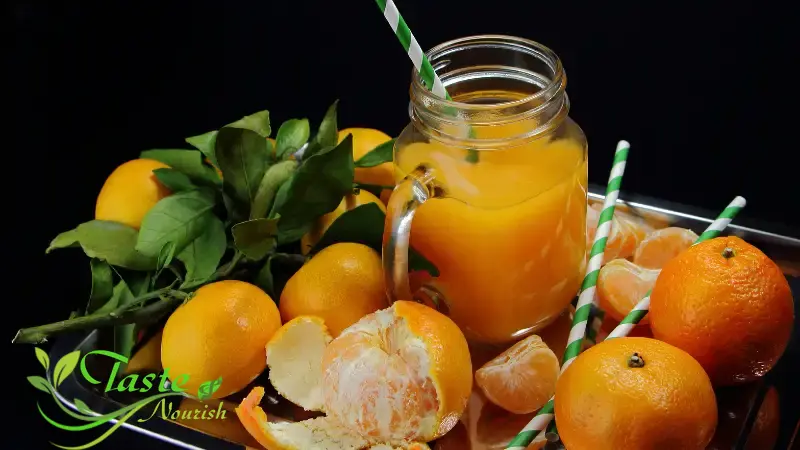
Mandarin oranges (Citrus reticulata) represent one of the original citrus species, cultivated in China for over 3,000 years before spreading across Asia and eventually worldwide. The term “mandarin” encompasses several familiar varieties including clementines, tangerines, satsumas, and honey mandarins, each bringing distinct characteristics to juice production.
Unlike standard navel or Valencia oranges used for most commercial orange juice, mandarins offer a different flavor chemistry altogether:
- Their juice presents a more complex sweetness with less acidity, often described as having honey-like or floral notes that regular orange juice cannot replicate.
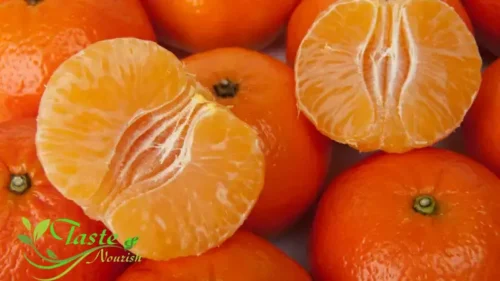
- The thinner membranes between fruit segments mean mandarin oranges release juice more readily, and their generally seedless nature makes them ideal for home juicing without extensive seed removal.
The botanical distinction matters for juice quality. Mandarins evolved in subtropical climates of Southeast Asia, developing characteristics that differentiate them from the sweet oranges (Citrus sinensis) that dominate commercial juice production. These evolutionary differences translate directly into juice properties: mandarin juice typically contains less acid, more aromatic compounds, and a different balance of sugars than standard orange juice.
Nutritional Profile: Small Fruit, Substantial Benefits
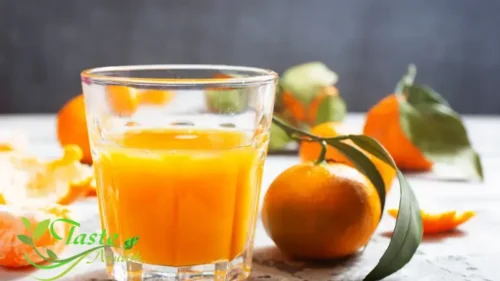
Mandarin orange juice delivers an impressive nutritional package that rivals and in some aspects surpasses regular orange juice. The concentrated nutrients from these small fruits create a beverage worth examining in detail.
Comprehensive Nutritional Breakdown Table
| Nutrient | Mandarin Orange Juice (8 oz, fresh) | Regular Orange Juice (8 oz, fresh) | Tangerine Juice (8 oz, fresh) | Clementine Juice (8 oz, fresh) |
|---|---|---|---|---|
| Calories | 106-110 | 112-120 | 106-108 | 102-106 |
| Total Carbohydrates | 24-26g | 25-28g | 24-25g | 23-25g |
| Sugars | 20-22g | 20-24g | 20-21g | 19-21g |
| Protein | 1.5-2g | 1.7-2g | 1.6-2g | 1.4-1.8g |
| Dietary Fiber | 0.5-1g | 0.5g | 0.5-0.8g | 0.4-0.6g |
| Vitamin C | 85-96mg | 80-124mg | 77-90mg | 80-92mg |
| Vitamin A | 2,120-2,400 IU | 496-500 IU | 1,800-2,200 IU | 1,900-2,300 IU |
| Folate | 50-62mcg | 45-75mcg | 48-58mcg | 46-54mcg |
| Potassium | 440-490mg | 450-500mg | 420-460mg | 410-450mg |
| Thiamin (B1) | 0.18-0.22mg | 0.2-0.23mg | 0.17-0.21mg | 0.16-0.19mg |
| Calcium | 40-52mg | 27-30mg | 38-48mg | 36-44mg |
| Magnesium | 24-28mg | 27-30mg | 22-26mg | 20-24mg |
| Beta-Carotene | 1,150-1,350mcg | 100-200mcg | 1,050-1,250mcg | 1,080-1,280mcg |
The Vitamin A Advantage
The most striking nutritional difference between mandarin and regular orange juice appears in vitamin A content. Mandarin juice delivers approximately four to five times more vitamin A than standard orange juice, primarily in the form of beta-carotene, which gives mandarin juice its deeper, richer orange hue.
This matters substantially for health. Vitamin A plays crucial roles in vision, immune function, skin health, and cellular communication. A single cup of mandarin orange juice can provide 40-50% of the recommended daily intake for vitamin A, making it an exceptional source of this often under-consumed nutrient. The beta-carotene form offers additional benefits as an antioxidant, helping neutralize free radicals that contribute to cellular aging and disease processes.
Regular orange juice, while nutritious, simply cannot compete in this category. The paler color of standard orange juice reflects its lower carotenoid content—what you see is what you get in terms of these beneficial compounds.
Flavonoid Richness
Mandarin oranges contain particularly high concentrations of specific flavonoids, especially nobiletin and tangeretin, which appear in lower quantities in regular oranges. These citrus flavonoids demonstrate promising properties in research settings, including potential anti-inflammatory effects, metabolic benefits, and neuroprotective qualities.
Nobiletin, found in notably high concentrations in mandarin peels and to a lesser extent in the juice, has attracted research attention for its potential effects on metabolic health. Studies suggest it may influence lipid metabolism and insulin sensitivity, though human research remains at early stages. When making mandarin juice at home with some peel included, these flavonoid levels increase substantially.
Tangeretin, another flavonoid more abundant in mandarins than regular oranges, demonstrates antioxidant properties and potential anti-inflammatory effects in laboratory studies. While drinking juice won’t provide therapeutic doses of these compounds, the cumulative effect of regular consumption may contribute to the overall health benefits associated with citrus consumption.
Taste Profile: Why Mandarin Juice Tastes Different
The sensory experience of mandarin orange juice distinguishes it immediately from regular orange juice. Understanding these differences helps explain why some people strongly prefer mandarin juice despite its limited commercial availability.
Sweetness balance: Mandarin juice typically registers as sweeter than regular orange juice, not because it contains dramatically more sugar (it doesn’t), but because its lower acidity allows the sweetness to come forward more prominently. The sugar-to-acid ratio in mandarin juice favors perception of sweetness, creating a smoother, less tart drinking experience.
Aromatic complexity: Mandarin oranges produce distinctive volatile compounds that create their characteristic fragrance. These aromatics transfer into the juice, contributing floral, honey-like, and sometimes slightly perfumed notes that regular orange juice lacks. The aroma compounds include esters and terpenes specific to mandarin varieties, creating a more complex sensory experience.
Texture considerations: Fresh mandarin juice often has a slightly different mouthfeel than regular orange juice, sometimes described as lighter or more delicate. This relates partly to the thinner segment membranes and different pectin content in mandarin oranges. Some commercial mandarin juices are filtered more extensively than orange juice to capitalize on this naturally lighter texture.
Aftertaste characteristics: Mandarin juice typically leaves a cleaner, less acidic aftertaste than regular orange juice. People who find standard orange juice too sharp or who experience stomach discomfort from acidic beverages often tolerate mandarin juice better.
Variety-Specific Flavor Differences Table
| Mandarin Variety | Sweetness Level | Acidity Level | Dominant Flavor Notes | Best Use for Juice |
|---|---|---|---|---|
| Clementines | Very High | Very Low | Pure sweet, honey | Drinking fresh, children’s preference |
| Satsumas | High | Low | Mild sweet, delicate | Fresh juice, blending with tart fruits |
| Tangerines | High | Moderate | Balanced sweet-tart, robust | All-purpose juicing, cooking |
| Honey Mandarins | Very High | Very Low | Intense sweet, floral | Dessert juices, special occasions |
| Murcott (Honey Tangerine) | High | Low-Moderate | Rich sweet, deep flavor | Premium fresh juice |
| Dancy | Moderate-High | Moderate | Traditional tangy-sweet | Nostalgic flavor, blending |
Health Benefits: What Research Reveals
The health implications of mandarin orange juice extend beyond basic nutrition into areas where specific compounds in mandarins demonstrate particular promise.
Immune System Support
- The vitamin C content in mandarin juice supports various immune functions, including white blood cell production and activity. While vitamin C doesn’t prevent common colds as once believed, adequate intake helps maintain immune system responsiveness and may reduce the duration and severity of respiratory infections.
- The vitamin A content provides additional immune support through different mechanisms, particularly supporting the integrity of mucous membranes that serve as the body’s first line of defense against pathogens.
- The combination of vitamins C and A in mandarin juice creates complementary immune support that single-nutrient supplementation cannot replicate.
Cardiovascular Considerations
Citrus consumption generally associates with favorable cardiovascular outcomes in population studies, and mandarin-specific compounds may offer particular benefits. The flavonoids in mandarin oranges, particularly hesperidin and nobiletin, demonstrate potential effects on blood lipid profiles and vascular function in research settings.
Potassium content in mandarin juice contributes to cardiovascular health by supporting healthy blood pressure regulation. Most people consume insufficient potassium relative to sodium, and beverages like mandarin juice can help balance this ratio, though whole fruits with their fiber content offer superior benefits.
Antioxidant Activity
Mandarin juice provides multiple antioxidant compounds working through different mechanisms: vitamin C as a water-soluble antioxidant, beta-carotene as a lipid-phase antioxidant, and various flavonoids with complex antioxidant and cell-signaling effects.
The cumulative antioxidant capacity of mandarin juice, while not as concentrated as in some berries or pomegranate juice, contributes meaningfully to overall dietary antioxidant intake when consumed regularly. The bioavailability of these compounds from liquid form may actually exceed that from supplements, as the natural matrix of juice supports absorption.
Skin Health Connection
The combination of vitamin C (essential for collagen synthesis), vitamin A (crucial for skin cell turnover and repair), and antioxidant compounds creates a beneficial profile for skin health. While topical applications receive more attention, internal nutrition fundamentally supports skin structure and function.
Vitamin C’s role in collagen production matters throughout the body but becomes particularly visible in skin quality. The vitamin A content supports skin cell differentiation and may help maintain skin elasticity and appearance, though expectations should remain realistic—no beverage produces dramatic cosmetic effects.
Metabolic Health Indicators
Emerging research on mandarin-specific flavonoids, particularly nobiletin, suggests potential effects on metabolic health markers including glucose metabolism and lipid profiles. However, most of this research involves concentrated extracts rather than juice consumption, making direct application uncertain.
The relatively low glycemic index of mandarin juice compared to many other sweet beverages means it produces moderate rather than extreme blood sugar responses, though individuals managing diabetes should still account for its carbohydrate content in meal planning.
Commercial vs. Fresh: Navigating Your Options
Mandarin orange juice appears in markets through several distinct forms, each with particular characteristics worth understanding.
Fresh-Squeezed Options
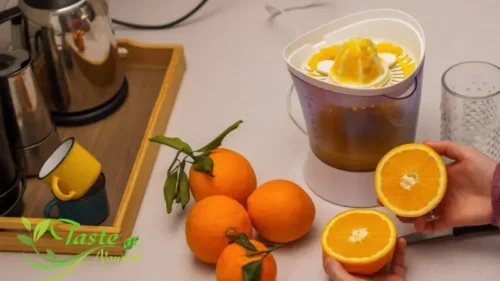
Home juicing represents the gold standard for mandarin juice, providing complete control over fruit selection and immediate consumption when nutrient levels peak. Mandarins’ easy-peeling nature and thin membranes make them surprisingly efficient to juice by hand or with simple citrus reamers, though electric juicers handle larger quantities more practically.
The yield from mandarins varies by variety and season, but typically expect 3-4 medium mandarins to produce one cup of juice. The slightly lower juice content compared to standard oranges is offset by the superior flavor and the fact that nearly every mandarin is seedless or contains minimal seeds, eliminating tedious seed removal.
Juice bar offerings in areas with Asian populations frequently include mandarin or tangerine juice as a premium option. These provide fresh juice convenience without home preparation, though at premium prices reflecting the fruit cost and labor involved.
Refrigerated Commercial Products
Several brands produce refrigerated mandarin juice, though availability varies dramatically by region. These products typically undergo gentle pasteurization to extend shelf life while maintaining fresh flavor characteristics. Quality varies substantially among brands, with some using juice from concentrate and others using not-from-concentrate juice that better preserves the mandarin flavor profile.
Reading labels carefully matters here. Some products labeled “mandarin orange drink” contain significant amounts of water, added sugars, and minimal actual mandarin juice. Premium products state “100% mandarin juice” or “pure mandarin juice” clearly on labels and list no added sugars in ingredients.
Frozen Concentrate
Frozen mandarin juice concentrate offers a middle ground between fresh and shelf-stable options. The concentration and freezing process inevitably affects flavor subtlety, but quality products maintain much of mandarin juice’s characteristic sweetness and nutritional value. The convenience and long storage life make frozen concentrate practical for consistent availability.
When reconstituting frozen concentrate, some enthusiasts use slightly less water than package directions suggest, creating more intensely flavored juice that better approximates fresh-squeezed quality.
Shelf-Stable Products
Shelf-stable mandarin juice faces significant quality challenges. The high-temperature processing required for shelf stability at room temperature affects both flavor and nutrition, often producing juice that tastes notably different from fresh. Many shelf-stable mandarin beverages are actually juice blends or drinks rather than pure juice.
These products serve best as occasional conveniences rather than regular choices, as the processing compromises much of what makes mandarin juice special.
Quality Comparison Table
| Product Type | Flavor Quality | Nutrient Retention | Convenience | Typical Cost per 8oz | Best Use Case |
|---|---|---|---|---|---|
| Fresh Home-Squeezed | Excellent | Highest | Low | $1.50-3.00 | Best flavor, special occasions |
| Juice Bar Fresh | Excellent | Highest | High | $3.00-6.00 | Convenience, guaranteed quality |
| Premium Refrigerated | Very Good | High | High | $1.00-2.00 | Regular consumption |
| Standard Refrigerated | Good | Moderate-High | High | $0.75-1.50 | Budget-friendly regular use |
| Frozen Concentrate | Good | Moderate | Moderate | $0.50-1.00 | Economical, reliable availability |
| Shelf-Stable | Fair-Poor | Low-Moderate | Very High | $0.60-1.25 | Emergency backup only |
Making Perfect Mandarin Orange Juice at Home
Creating exceptional mandarin juice at home requires selecting the right fruit, using appropriate equipment, and understanding a few key techniques.
Fruit Selection Mastery
Ripeness indicators: Perfect mandarins for juicing feel heavy for their size, indicating high juice content. The skin should yield slightly to gentle pressure without feeling mushy. Deep, uniform color signals ripeness, though some varieties remain slightly green even when fully ripe.
Variety selection: For straight drinking juice, clementines and honey mandarins provide the sweetest, most approachable flavor. Tangerines offer more complexity and work beautifully for blending with other citrus or in recipes. Satsumas create delicate, refined juice perfect for those preferring subtle flavors.
Seasonal timing: Peak season for most mandarin varieties runs from November through March, when fruit quality and juice content reach their highest levels. Early-season and late-season fruits often contain less juice and may taste less sweet.
Temperature matters: Juice room-temperature mandarins rather than refrigerated ones. Warmer fruit releases juice more readily and produces higher yields. If mandarins are refrigerated, let them sit at room temperature for 30-60 minutes before juicing.
Juicing Techniques
Hand-juicing method: Cut mandarins in half crosswise and use a citrus reamer, pressing firmly and rotating to extract maximum juice. This traditional method preserves more pulp and produces juice with fuller body.
Electric citrus juicer: Automatic citrus juicers work efficiently for mandarins, though their smaller size compared to regular oranges means slightly more frequent fruit changing. The electric method produces clearer juice with less pulp.
Centrifugal juicer approach: Running peeled mandarin segments through a centrifugal juicer creates very clear juice with minimal pulp. This method works well when blending mandarins with other fruits, though some fiber loss occurs.
Whole-fruit juicing: Using a masticating juicer with peel included dramatically increases flavonoid content but produces intensely flavored, more bitter juice. This works best when blending mandarin with sweet fruits like apple or pear to balance the peel’s bitterness.
Flavor Enhancement Strategies
Ginger infusion: Adding a small piece of fresh ginger (about half an inch) when juicing creates a warming, slightly spicy dimension that complements mandarin’s sweetness beautifully. This combination also adds potential digestive benefits from ginger’s active compounds.
Turmeric boost: A tiny amount of fresh turmeric (quarter-inch piece) adds anti-inflammatory compounds and a subtle earthy note without overwhelming mandarin’s delicate flavor. The fat-soluble compounds in turmeric absorb better when juice is consumed with a meal containing some fat.
Mint refresher: Juicing a few fresh mint leaves with mandarins creates a refreshing, spa-like beverage perfect for warm weather. The aromatic compounds in mint enhance the overall sensory experience.
Berry blend: Combining mandarin juice with a handful of strawberries or blueberries creates nutritional synergy, adding anthocyanins to mandarin’s carotenoids for broader antioxidant coverage.
Vegetable combinations: Mandarin’s sweetness balances beautifully with vegetable juices. Try combining mandarin with carrot (complementary sweetness), cucumber (refreshing contrast), or celery (savory counterpoint).
Storage and Preservation: Maximizing Freshness
Fresh mandarin juice, like all fresh citrus juices, begins degrading immediately after extraction. Understanding proper storage extends both safety and quality.
Immediate refrigeration: Fresh mandarin juice should be refrigerated within 30 minutes of juicing. Store in glass containers with tight-fitting lids to minimize oxygen exposure, which degrades vitamin C and affects flavor.
Consumption timeline: Drink fresh mandarin juice within 24-48 hours for optimal flavor and nutrition. Beyond 48 hours, vitamin C levels decline noticeably and flavors begin flattening, though the juice remains safe for 3-4 days if kept consistently cold.
Freezing for long-term storage: Mandarin juice freezes well for 2-3 months. Leave 1-2 inches of headspace in containers to accommodate expansion. Ice cube trays offer convenient portioning for adding mandarin flavor to smoothies or recipes.
Oxidation prevention: The vitamin C in mandarin juice acts as a natural preservative but itself degrades through oxidation. Minimizing air exposure by filling containers fully and keeping them sealed slows this process.
Separation and settling: Fresh mandarin juice naturally separates as pulp settles. This doesn’t indicate spoilage—simply shake or stir before drinking. Some people prefer straining juice through fine mesh to remove excess pulp for smoother texture.
Culinary Applications: Beyond the Glass
Mandarin orange juice serves as more than a breakfast beverage, offering versatility in cooking and mixing applications that capitalize on its unique flavor profile.
Cooking Applications
Marinades and glazes: Mandarin juice creates exceptional marinades for poultry and seafood, its natural sugars caramelizing beautifully during cooking while its acids tenderize proteins. A simple mixture of mandarin juice, soy sauce, garlic, and ginger produces restaurant-quality results for chicken or salmon.
Salad dressings: Combine mandarin juice with olive oil, Dijon mustard, and shallots for a sophisticated vinaigrette that pairs particularly well with bitter greens like arugula or radicchio. The sweet-tart balance complements rather than overwhelms delicate lettuces.
Sauce foundations: Reduce mandarin juice by half to create a concentrated base for pan sauces. This works beautifully with pork or duck, where the fruit notes complement the meat’s richness without creating excessive sweetness.
Baking enhancement: Substitute mandarin juice for liquid in cake batters, particularly in almond or vanilla-based cakes where its flavor shines. The result offers subtle citrus notes without the sharp acidity that lemon juice can bring.
Dessert applications: Mandarin juice creates exceptional sorbets, popsicles, and granitas. Its naturally smooth sweetness requires less added sugar than other citrus varieties, allowing the pure fruit flavor to dominate.
Beverage Mixing
Smoothie base: Mandarin juice serves as an excellent smoothie liquid, providing natural sweetness and vitamin content while blending seamlessly with both fruits and vegetables. It pairs particularly well with mango, banana, and leafy greens.
Mocktail applications: The sophisticated flavor of mandarin juice elevates non-alcoholic drinks beyond typical fruit punch territory. Combine with sparkling water, fresh herbs like basil or rosemary, and a touch of honey for elegant alcohol-free entertaining options.
Tea enhancement: Adding mandarin juice to hot or iced tea creates citrus-infused beverages without the bitterness that lemon sometimes contributes. This works especially well with green tea or oolong, where mandarin’s subtle sweetness complements tea’s natural flavors.
Cocktail mixology: For those who consume alcohol, mandarin juice creates exceptional cocktails, particularly in variations of margaritas, whiskey sours, or champagne-based drinks where its delicate flavor profile enhances rather than overwhelms spirits.
Special Considerations: Who Benefits Most?
Mandarin orange juice offers particular advantages for specific populations and situations.
Children and Picky Eaters
The naturally sweet, non-threatening flavor of mandarin juice appeals strongly to children who might reject more acidic orange juice. The lower acidity also means less potential for stomach upset in sensitive children. The exceptional vitamin A content supports healthy development, particularly for vision and immune function during crucial growing years.
⇒ However, parents should remember that whole mandarins provide superior nutrition through added fiber and the chewing process that moderates consumption speed. Juice serves best as an occasional treat or a vehicle for getting reluctant fruit-eaters to consume citrus nutrients.
Athletes and Active Individuals
Mandarin juice provides readily absorbable carbohydrates for energy along with electrolytes like potassium that support muscle function and recovery. The natural sugars digest quickly, making it suitable for pre-workout energy or post-exercise recovery when combined with protein sources.
⇒ The anti-inflammatory compounds in mandarin juice may support recovery processes, though whole foods should form the foundation of any athlete’s nutrition plan with juice serving as a supplementary option.
Individuals with Sensitive Stomachs
People who experience heartburn or stomach discomfort from regular orange juice often tolerate mandarin juice better due to its lower acidity. The pH of mandarin juice typically ranges from 3.8-4.2, compared to 3.3-4.0 for regular orange juice.
⇒ While still acidic, this difference can matter significantly for those with sensitive digestive systems.
Older Adults
The concentrated nutrition in mandarin juice offers advantages for older adults who may struggle to consume adequate whole fruits due to chewing difficulties, reduced appetite, or digestive changes. The vitamin A content supports vision health, particularly important as age-related eye conditions become more prevalent.
⇒ However, older adults managing diabetes or blood sugar issues should account for mandarin juice’s carbohydrate content and consider diluting juice with water to reduce sugar concentration while maintaining flavor.
Environmental and Economic Considerations
Understanding the broader context of mandarin juice production helps inform consumption choices.
Sustainability Factors
Mandarin oranges generally require less water than standard orange varieties, making them more sustainable choices in water-scarce regions. Their smaller tree size also means higher planting density and more efficient land use per fruit pound produced.
However, mandarin cultivation for commercial juice production remains geographically concentrated, primarily in China, Spain, and parts of the United States. This concentration creates transportation-related environmental costs for most consumers who don’t live near production regions.
Choosing locally grown mandarins during peak season for home juicing significantly reduces the environmental footprint compared to purchasing commercial juice transported long distances.
Economic Reality
Mandarin juice typically costs more than regular orange juice, reflecting several factors: mandarins generally command higher prices than standard oranges, lower juice yield per fruit, and more limited commercial production infrastructure.
♦ During peak season, purchasing whole mandarins for home juicing often proves more economical than buying commercial mandarin juice, with the added benefit of fresher flavor and higher nutrient retention. A pound of mandarins typically produces 8-12 ounces of juice depending on variety and ripeness.
Common Questions and Misconceptions
Several misunderstandings about mandarin orange juice persist, worth addressing directly.
“Mandarin juice is just sweeter orange juice” – While mandarin juice does taste sweeter, this reflects different biochemistry, not just sugar content. The distinct flavonoid profile, higher vitamin A content, and unique aromatic compounds make mandarin juice a fundamentally different product nutritionally and sensorially.
“All mandarins produce identical juice” – Dramatic variations exist between varieties. Clementine juice tastes noticeably different from tangerine juice, which differs from satsuma juice. Understanding these differences helps select the right variety for specific uses.
“Mandarin juice has less vitamin C” – Depending on variety and freshness, mandarin juice can match or exceed regular orange juice’s vitamin C content. The assumption that smaller fruit equals fewer nutrients doesn’t hold up to nutritional analysis.
“You can’t find real mandarin juice commercially” – While less common than orange juice, pure mandarin juice does exist from several brands, particularly those serving Asian markets or focusing on specialty citrus products. Reading labels carefully distinguishes pure juice from mandarin-flavored drinks.
The Verdict: Is Mandarin Orange Juice Worth Seeking Out?
Mandarin orange juice occupies a special place in the citrus beverage spectrum. It offers nutritional advantages over regular orange juice, particularly in vitamin A content and flavonoid diversity. The superior flavor profile—sweeter, less acidic, more aromatic—appeals to those who find standard orange juice too sharp or one-dimensional.
For regular consumption, the ideal approach combines occasional fresh-squeezed mandarin juice during peak season with whole mandarin consumption that provides fiber and supports natural portion control. Premium commercial mandarin juice serves well for consistent availability, while frozen concentrate offers economical backup options.
The higher cost compared to regular orange juice reflects genuine differences in fruit characteristics and production, not just marketing. For those who truly appreciate the flavor difference, mandarin juice justifies the premium. For others focused purely on vitamin C intake or basic nutrition, regular orange juice serves adequately at lower cost.
The most balanced perspective recognizes mandarin orange juice as a valuable option within a varied diet emphasizing diverse fruit consumption. It brings unique nutritional strengths, exceptional flavor, and versatility that standard orange juice cannot match. Whether it becomes a staple or an occasional indulgence depends on personal taste preferences, budget considerations, and individual nutritional priorities.
What remains clear is that mandarin orange juice deserves more recognition than it currently receives in Western markets. This ancient fruit, transformed into liquid form, offers a sophisticated alternative to ubiquitous orange juice—one that rewards those willing to seek it out with nutrition, flavor, and the satisfaction of discovering something genuinely special in the crowded beverage aisle.
References
- Grosso G, et al. Effects of vitamin C on health: a review of evidence. Frontiers in Bioscience. 2013;18:1017-1029. https://www.ncbi.nlm.nih.gov/pmc/articles/PMC3783921/
- Aptekmann NP, Cesar TB. Long-term orange juice consumption is associated with low LDL-cholesterol and apolipoprotein B in normal and moderately hypercholesterolemic subjects. Lipids in Health and Disease. 2013;12:119. https://lipidworld.biomedcentral.com/articles/10.1186/1476-511X-12-119
- Mulvihill EE, Burke AC, Huff MW. Citrus flavonoids as regulators of lipoprotein metabolism and atherosclerosis. Annual Review of Nutrition. 2016;36:275-299. https://www.annualreviews.org/doi/10.1146/annurev-nutr-071715-050718