
Kunafa with Mixed Nuts | How to Make This Golden Middle Eastern Delicacy at Home
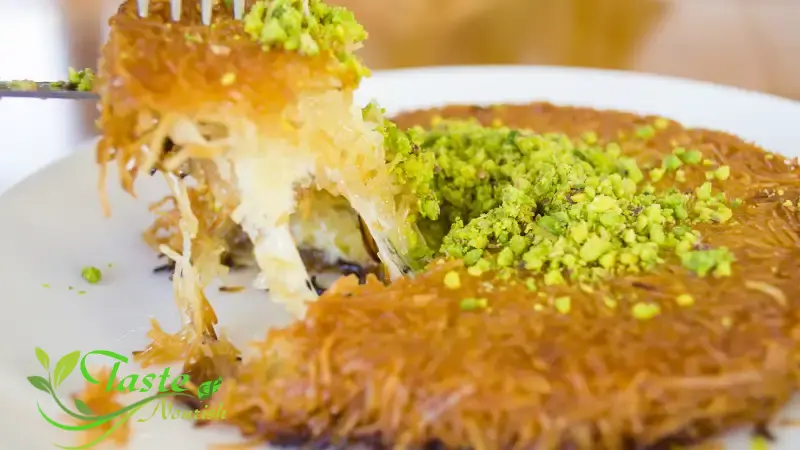
Have you ever experienced that magical moment when crispy, buttery strands meet creamy cheese and crunchy nuts, all drizzled with aromatic syrup? That’s the enchantment of kunafa with mixed nuts—a dessert that’s been captivating taste buds across the Middle East for centuries. Whether you’re a seasoned foodie or someone just discovering this golden treasure, you’re about to embark on a delicious journey through history, nutrition, and culinary artistry.
Understanding Kunafa with Mixed Nuts
What Makes This Variation Special?
Kunafa with mixed nuts stands out because it transforms a already indulgent dessert into something more complex and satisfying. The nuts don’t just add crunch—they introduce layers of flavor, from the buttery richness of cashews to the earthy depth of walnuts and the subtle sweetness of almonds.
This variation also addresses one of the main criticisms of traditional kunafa: its primarily carbohydrate-heavy composition. By incorporating a substantial amount of mixed nuts, you’re adding protein, healthy fats, and essential nutrients that make this treat slightly more balanced nutritionally.
The Role of Mixed Nuts in Enhancing Flavor and Texture
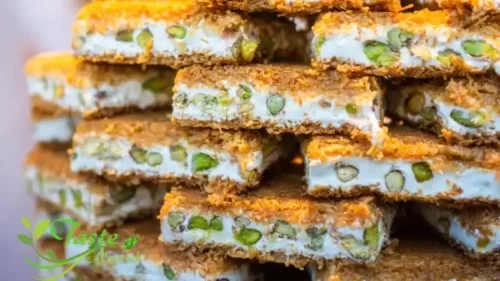
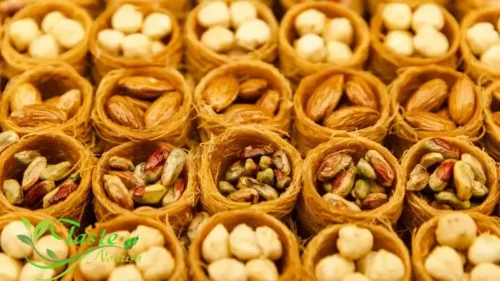
Think of mixed nuts as the orchestra in a symphony. Each nut brings its own note: pistachios provide a delicate, slightly sweet flavor with a vibrant green color; walnuts offer omega-3 fatty acids and a mild bitterness that balances sweetness; almonds contribute a smooth, buttery taste; and cashews add creaminess and natural sweetness.
The textural contrast is equally important. When kunafa emerges from the oven, the outer strands become gloriously crispy while the interior stays soft and gooey. The nuts create pockets of crunch throughout, preventing the dessert from becoming monotonous. It’s this interplay of textures—crispy, creamy, crunchy, and chewy—that keeps your palate engaged with every bite.
Nutritional Profile of Kunafa with Mixed Nuts
Comprehensive Calorie Breakdown
Understanding the nutritional content of kunafa with mixed nuts helps you enjoy it mindfully. Here’s a detailed breakdown:
| Component | Serving Size | Calories | Carbs (g) | Protein (g) | Fat (g) | Fiber (g) |
|---|---|---|---|---|---|---|
| Kataifi Dough | 100g | 350-380 | 60-65 | 8-10 | 10-12 | 2-3 |
| Butter/Ghee | 50g | 360-400 | 0 | 0.5 | 40-45 | 0 |
| Cheese Filling | 100g | 250-320 | 3-5 | 20-25 | 18-24 | 0 |
| Mixed Nuts | 50g | 280-320 | 10-15 | 10-15 | 24-28 | 3-5 |
| Sugar Syrup | 60ml | 180-220 | 45-55 | 0 | 0 | 0 |
| Total per serving (150g) | 150g | 420-520 | 45-55 | 12-18 | 28-35 | 2-4 |
Note: Values vary based on specific ingredients and preparation methods. A typical serving is approximately 150g (one medium piece).
Macronutrients: Carbs, Proteins, and Fats
Let’s break down what these numbers mean for your body. The carbohydrates in kunafa primarily come from the kataifi dough and sugar syrup, providing quick energy. While this makes it a high-glycemic dessert, the addition of nuts helps moderate the blood sugar spike by slowing digestion.
The protein content, ranging from 12-18g per serving, comes mainly from the cheese filling and nuts. This is actually quite substantial for a dessert—roughly equivalent to two eggs. The protein helps with satiety, meaning you’re less likely to overindulge.
Fats make up a significant portion of the calories, but here’s the interesting part: not all fats are equal. While the butter contributes saturated fats, the mixed nuts provide predominantly unsaturated fats, including omega-3 and omega-6 fatty acids that support heart and brain health.
Micronutrients and Health Benefits
Beyond macronutrients, kunafa with mixed nuts delivers an impressive array of vitamins and minerals:
From the nuts:
- Vitamin E (powerful antioxidant)
- B-complex vitamins (energy metabolism)
- Magnesium (muscle and nerve function)
- Zinc (immune support)
- Selenium (thyroid function)
- Copper (iron absorption)
From the cheese:
- Calcium (bone health)
- Phosphorus (energy production)
- Vitamin A (vision and immune function)
From the syrup (when rose water is used):
- Polyphenols (anti-inflammatory properties)
Research published in the Journal of Nutritional Science demonstrates that regular nut consumption is associated with reduced cardiovascular disease risk, improved cognitive function, and better weight management despite their calorie density.
The Science Behind the Ingredients
Kataifi Dough: Composition and Properties
Kataifi dough is a marvel of culinary engineering. These delicate, thread-like strands are made from flour, water, and sometimes a small amount of oil. The unique preparation involves pouring thin streams of batter onto a hot rotating surface, creating the characteristic hair-like texture.
When baked with butter, something magical happens at the molecular level. The Maillard reaction—the same process that browns steak and toasts bread—creates hundreds of flavor compounds, giving kunafa its distinctive golden color and nutty aroma. The thin strands also maximize surface area, resulting in maximum crispiness.

Mixed Nuts: Nutritional Powerhouses
Let’s examine why nutritionists celebrate nuts:
Almonds: Rich in vitamin E and magnesium, almonds contain compounds that may help lower cholesterol. A study in the American Journal of Clinical Nutrition found that consuming almonds as part of a balanced diet reduced LDL cholesterol by 5-7%.
Walnuts: The omega-3 champion among nuts, walnuts provide alpha-linolenic acid (ALA), which converts to EPA and DHA in the body. Research from Nutrients journal suggests walnuts support brain health and may reduce inflammation.
Pistachios: These green gems contain lutein and zeaxanthin, carotenoids that protect eye health. They’re also among the lowest-calorie nuts while providing the most protein per serving.
Cashews: Despite their creamy texture, cashews contain less fat than most nuts. They’re excellent sources of copper and zinc, minerals crucial for immune function.
Cheese Filling: Traditional Choices and Alternatives
Traditional kunafa uses Nabulsi cheese, a white brined cheese from Palestine with a unique property: it doesn’t melt into strings like mozzarella. Instead, it softens while maintaining structure. When unavailable, most recipes substitute with a mixture of mozzarella (for texture) and ricotta or akkawi cheese (for authentic flavor).
The cheese provides more than just taste. Its protein content helps balance the dessert’s glycemic load, and the calcium supports bone health. For those concerned about saturated fat, part-skim mozzarella reduces fat content by about 30% while maintaining texture.
Sugar Syrup: The Sweet Component
The sugar syrup (ater) is deceptively simple—sugar, water, and lemon juice—but its preparation requires precision. The syrup must reach the right consistency: thick enough to coat the kunafa without making it soggy, thin enough to penetrate the layers.
Rose water or orange blossom water adds more than fragrance. These traditional aromatics contain compounds that may aid digestion and provide mild calming effects. However, moderation is key—too much creates a soapy taste, while too little misses the authentic flavor profile.
Health Considerations and Dietary Adaptations
Is Kunafa with Mixed Nuts Healthy?
Let’s address the elephant in the room: kunafa is an indulgent dessert, not a health food. However, the mixed nuts version offers advantages over purely sugar-based sweets. The combination of protein, healthy fats, and fiber from nuts creates a more balanced nutritional profile.
Consider this perspective: a 150g serving of kunafa with mixed nuts provides similar calories to a large slice of chocolate cake or a gourmet donut, but with significantly more protein, vitamins, and minerals. It’s about context—enjoyed occasionally as part of a varied diet, it can certainly fit into a healthy lifestyle.
Managing Portion Sizes
The key to enjoying kunafa without guilt? Portion control. Middle Eastern culture traditionally serves kunafa in small pieces, recognizing its richness. Here are practical strategies:
- Share a serving with 2-3 people
- Pair with unsweetened tea or coffee to balance sweetness
- Enjoy as a weekend treat rather than daily indulgence
- Savor slowly, allowing your brain to register satisfaction
Studies show that eating mindfully—focusing on flavors and textures rather than mindlessly consuming—increases satisfaction and reduces overall intake.
Diabetic-Friendly Modifications
For those managing diabetes, kunafa presents challenges due to its high sugar and refined carbohydrate content. However, modifications can make it more appropriate:
- Reduce syrup: Use half the traditional amount or substitute with sugar-free alternatives like monk fruit syrup
- Increase nuts: Double the nut content to boost fiber and protein
- Add cinnamon: This spice may help regulate blood sugar levels
- Choose whole grain kataifi: Some specialty stores offer whole wheat versions
- Pair strategically: Consume with high-fiber foods or after a protein-rich meal
Always consult with a healthcare provider or registered dietitian before incorporating sweets into a diabetic meal plan.

Gluten-Free and Vegan Alternatives
Gluten-free kunafa: Traditional kataifi contains wheat, but creative bakers have developed alternatives using:
- Rice vermicelli (creates a similar texture)
- Shredded phyllo made from rice flour
- Potato starch-based noodles
Vegan kunafa: Replace dairy with:
- Cashew cheese (provides creamy texture)
- Coconut cream mixed with nutritional yeast (adds cheesy flavor)
- Vegan mozzarella alternatives
- Coconut oil or vegan butter instead of ghee
These adaptations maintain the essential character of kunafa while accommodating dietary restrictions.
Step-by-Step Recipe for Homemade Kunafa with Mixed Nuts
Essential Ingredients and Equipment
Ingredients:
- 500g kataifi dough (thawed if frozen)
- 200g unsalted butter or ghee (melted)
- 300g mozzarella cheese (shredded)
- 200g ricotta or akkawi cheese
- 150g mixed nuts (pistachios, almonds, walnuts, cashews—coarsely chopped)
- 2 cups sugar
- 1 cup water
- 1 tablespoon lemon juice
- 2 tablespoons rose water or orange blossom water
- 2 tablespoons crushed pistachios (for garnish)
Equipment:
- 9×13 inch baking pan (or round 12-inch pan)
- Large mixing bowls
- Small saucepan
- Food processor (optional, for chopping nuts)
- Sharp knife or kitchen scissors
Preparation Techniques
Step 1: Prepare the syrup Start with the syrup since it must cool completely. Combine sugar and water in a saucepan over medium heat, stirring until sugar dissolves. Add lemon juice, bring to a boil, then reduce heat and simmer for 10 minutes until slightly thickened. Remove from heat, stir in rose water, and let cool completely. This step is crucial—hot syrup on hot kunafa creates sogginess.
Step 2: Prepare the dough Place kataifi in a large bowl and gently pull apart the strands to loosen them. They should look like a bird’s nest, not clumped together. Pour melted butter over the dough and use your hands to work it through every strand. This step determines crispiness—every strand needs butter coating.
Step 3: Prepare the filling Mix mozzarella and ricotta in a bowl. In a separate bowl, combine your mixed nuts. Some recipes incorporate nuts into the cheese, but layering them separately provides better distribution and texture.
Step 4: Assemble Preheat your oven to 350°F (175°C). Divide the buttered kataifi into two portions—one slightly larger than the other. Press the larger portion into your baking pan, creating an even layer that goes up the sides slightly. Add the cheese filling, spreading evenly. Sprinkle the mixed nuts over the cheese. Top with the remaining kataifi, pressing gently to seal.

Baking and Assembly Tips
Bake for 40-50 minutes until the top is golden brown and crispy. Here’s a professional trick: if the bottom browns but the top remains pale, flip the entire kunafa onto a baking sheet, return to oven for 10 more minutes, then flip back onto serving platter.
Immediately after removing from the oven—while piping hot—pour the cooled syrup over the kunafa. You’ll hear a satisfying sizzle. Let it absorb for 10-15 minutes before cutting. Garnish with crushed pistachios for that authentic touch.
The secret to restaurant-quality kunafa? Patience. Rushing any step—from buttering the dough to cooling the syrup—compromises the final result.
What is Kunafa?
Origins and Cultural Significance
Kunafa (also spelled knafeh, kanafeh, or konafa) isn’t just a dessert—it’s a cultural phenomenon. This iconic sweet traces its roots back to the medieval Arab world, with some food historians believing it originated during the Umayyad Caliphate in the 10th century. The dessert was initially created to satisfy hunger during Ramadan’s long fasting hours, providing a rich, energy-dense treat for the pre-dawn meal.
Today, kunafa holds a special place in Middle Eastern celebrations, from weddings to religious holidays. Each country has adopted and adapted the recipe, creating regional variations that reflect local tastes and available ingredients. It’s not uncommon to see entire streets filled with the aroma of freshly baked kunafa during festive seasons.
Traditional vs. Modern Variations
Traditional kunafa typically features three main components: shredded phyllo dough (kataifi), a cheese filling, and sugar syrup flavored with rose or orange blossom water. However, modern interpretations have expanded far beyond these basics. Some versions incorporate cream, others use semolina, and creative bakers worldwide have introduced everything from Nutella to matcha.
The mixed nuts variation we’re focusing on represents a perfect marriage of tradition and innovation. While nuts have long been used as garnish, incorporating a generous mixture directly into the dessert creates an entirely new textural and nutritional profile.
Regional Variations Across the Middle East
Egyptian Style Kunafa
Egyptian kunafa often uses a thicker, almost pudding-like filling made from milk, cornstarch, and cream. The mixed nuts are typically toasted beforehand and layer generously between the cheese and cream. Egyptians also tend to prefer a heavier syrup application, making their version intensely sweet.
Lebanese and Syrian Interpretations
In Lebanon and Syria, kunafa makers pride themselves on the delicate balance between sweetness and cheese flavor. They often reduce sugar in the syrup and increase the rose water for a more floral profile. The mixed nuts in these regions frequently include pine nuts, adding a buttery, sophisticated element.
Palestinian and Jordanian Traditions
Palestine—particularly the city of Nablus—claims kunafa as a cultural treasure. Their version emphasizes the cheese quality above all else, with Nabulsi cheese being irreplaceable in authentic recipes. Mixed nuts appear more as garnish than integral component, though modern variations have embraced the addition. Jordanians often add a sprinkle of dried rose petals for visual appeal.
Pairing and Serving Suggestions
Best Beverages to Accompany Kunafa
The intense sweetness of kunafa demands the right beverage pairing:
Arabic coffee (qahwa): The slightly bitter, cardamom-infused coffee cuts through sweetness perfectly. The contrast between hot coffee and warm kunafa creates a sensory experience that’s central to Middle Eastern hospitality.
Black tea: Strong, unsweetened black tea provides tannins that cleanse the palate between bites. Try it with a squeeze of lemon for added refreshment.
Mint tea: The cooling effect of fresh mint balances the rich, buttery dessert while aiding digestion.
Rose milk: For a sweeter option, chilled rose milk complements the floral notes in the syrup while providing a cooling contrast to warm kunafa.
Presentation Ideas for Special Occasions
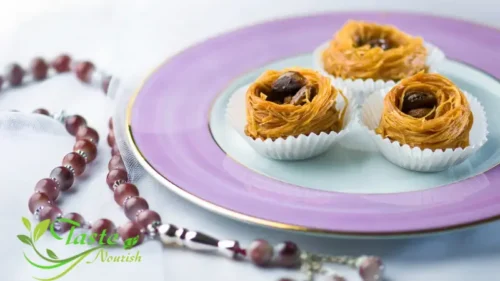
Presentation transforms kunafa from dessert to centerpiece:
- Individual portions: Bake in muffin tins for perfect personal servings
- Layered glass cups: Create deconstructed kunafa in clear glasses, showing off the beautiful layers
- Garnish generously: Top with edible gold leaf, fresh rose petals, or a dusting of powdered sugar
- Serve on decorative platter: Traditional copper or silver serving pieces add authentic ambiance
- Add ice cream: A scoop of vanilla or pistachio ice cream alongside warm kunafa creates temperature contrast
Storage and Shelf Life
Proper Storage Techniques
Kunafa is best enjoyed fresh from the oven, but reality sometimes requires storage. For best results:
Room temperature: Cover loosely and consume within 24 hours. The syrup prevents it from drying out completely, but crispiness gradually diminishes.
Refrigeration: Store in an airtight container for up to 3-4 days. The cold temperature firms the cheese and syrup, changing the texture considerably.
Freezing: Not generally recommended for finished kunafa, but you can freeze the prepared, unbaked layers for up to 3 months. Bake directly from frozen, adding 10-15 minutes to cooking time.
Reheating for Optimal Taste
Never use a microwave—it creates soggy, rubbery kunafa. Instead:
- Preheat oven to 300°F (150°C)
- Place kunafa on a baking sheet
- Heat for 10-15 minutes until warmed through
- For extra crispiness, broil for 2-3 minutes, watching carefully
The reheated kunafa won’t match fresh-baked quality, but this method comes closest.
Where to Buy Authentic Kunafa with Mixed Nuts
Recommended Middle Eastern Bakeries
Finding quality kunafa outside the Middle East requires knowing where to look. Authentic Middle Eastern bakeries in major cities often prepare kunafa fresh daily, especially during Ramadan. Look for establishments that advertise their cheese source—quality cheese makes or breaks kunafa.
In cities with significant Middle Eastern populations (Dearborn, Brooklyn, Los Angeles, Toronto, London, Sydney), ask locals for recommendations. The best bakeries often have minimal online presence but strong word-of-mouth reputations.
Online Shopping Options
Several online retailers now ship frozen kunafa kits, including:
- Pre-buttered kataifi dough
- Authentic cheese blends
- Rose water and orange blossom water
- Mixed nuts specifically selected for kunafa
While not quite matching freshly baked from a traditional oven, these kits make authentic kunafa accessible worldwide. Just ensure proper shipping with dry ice to maintain quality.
Common Mistakes to Avoid
Even experienced bakers sometimes stumble with kunafa. Watch out for these pitfalls:
Insufficient butter: Skimping on butter creates dry, pale kunafa. The dough should glisten.
Hot syrup on hot kunafa: This is the number one mistake. Both should be different temperatures—one hot, one cool.
Over-processing the dough: Handling kataifi too roughly breaks the delicate strands, resulting in a dense, cake-like texture rather than crispy layers.
Wrong cheese: Using only mozzarella creates a stringy, pizza-like filling. The ricotta or akkawi provides the authentic creamy texture.
Cutting too soon: Patience! Let the kunafa rest after adding syrup. Cutting immediately causes it to fall apart.
Uneven layers: Pressing down too hard on the top layer compacts everything, preventing the bottom from getting crispy.
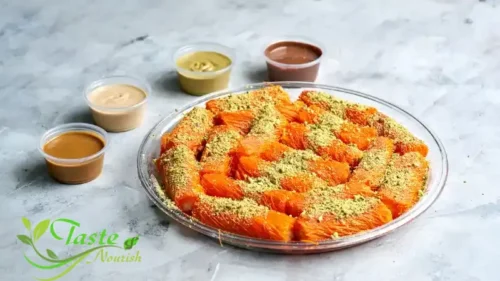
The Cultural Experience of Enjoying Kunafa
Kunafa transcends mere dessert—it’s a social experience. In the Middle East, buying kunafa from a street vendor or famous bakery becomes an event. Watching the baker assemble, bake, and cut the dessert is performance art.
During Ramadan, kunafa shops stay open until the early morning hours, serving those who’ve broken their fast. Families gather around large trays, sharing pieces while discussing the day. The dessert facilitates conversation, connection, and cultural continuity.
For diaspora communities, kunafa represents home. The smell of rose water and butter can transport someone back to childhood, to their grandmother’s kitchen, to celebrations and ceremonies. When you make or enjoy kunafa with mixed nuts, you’re participating in a tradition that spans centuries and continents.
Conclusion
Kunafa with mixed nuts represents the beautiful evolution of traditional cuisine—honoring heritage while embracing innovation. This golden, crispy, nutty dessert offers more than sweetness; it delivers history, culture, and community in every bite. While it’s undeniably indulgent, the addition of mixed nuts enhances both its nutritional profile and textural complexity, creating a more satisfying and balanced treat.
Whether you’re making it at home for the first time or seeking out the best bakery in your city, approach kunafa with the respect it deserves. Take time with each step, source quality ingredients, and most importantly, share it with people you care about. After all, the best desserts aren’t measured in calories or carbs—they’re measured in memories created and joy shared.
So go ahead, embrace the butter, celebrate the sweetness, and let yourself be transported by this magnificent Middle Eastern masterpiece. Your taste buds—and your soul—will thank you.
FAQs
1. Can I make kunafa without cheese for a nut-only version?
Absolutely! While traditional kunafa centers on cheese, you can create a nut-only version by increasing the mixed nuts to about 400-500g and combining them with a small amount of cream or butter to help bind everything together. Some bakers add a touch of honey or tahini to the nut mixture for extra cohesion. The result is more like a Middle Eastern nut pastry than traditional kunafa, but it’s delicious in its own right and works well for those avoiding dairy or wanting a more protein-rich dessert.
2. Why does my kunafa turn out soggy instead of crispy?
Sogginess usually stems from one of three issues: insufficient butter on the kataifi strands, adding hot syrup to hot kunafa, or using too much syrup. Make sure every strand of dough is thoroughly coated with melted butter before baking. Always cool the syrup completely before pouring it over the hot kunafa—the temperature contrast helps the dessert absorb the right amount without becoming waterlogged. Finally, you can control sweetness and texture by using less syrup than recipes suggest—start with half and add more only if needed.
3. What’s the best substitute for kataifi dough if I can’t find it?
While nothing perfectly replicates kataifi’s unique texture, shredded phyllo dough comes closest. You can also try angel hair pasta (very thin spaghetti) broken into 2-inch pieces, or rice vermicelli for a gluten-free option. Some creative bakers have even used shredded wheat cereal! Whatever substitute you choose, the key is treating it exactly like kataifi—coating thoroughly with butter and handling gently to maintain those delicate strands that create the signature crispy layers.
4. How can I reduce the sugar content without compromising taste?
Start by cutting the syrup recipe in half—kunafa is naturally flavorful from the butter, cheese, and nuts, so it doesn’t need overwhelming sweetness. Increase the rose water or orange blossom water slightly to compensate with aromatic flavor instead of sugar. You can also try alternative sweeteners like date syrup or monk fruit sweetener, though these will change the flavor profile slightly. Another trick: toast your nuts before adding them, which intensifies their natural sweetness and creates deeper flavor without additional sugar.
5. Can kunafa be made ahead for a party, and if so, how far in advance?
For best results, assemble the kunafa completely (without baking) up to 24 hours ahead, cover tightly, and refrigerate. When ready to serve, bring it to room temperature for 30 minutes, then bake as directed. This actually works beautifully because the cold butter re-solidifies, creating even crispier results. Add the syrup only after baking and right before serving. Alternatively, you can bake it completely up to 6 hours before your event, keep it at room temperature, and warm it briefly in the oven before serving. Never refrigerate after adding syrup, as this creates an unpleasant gummy texture.
Scientific Sources:
- Ros, E. (2010). Health benefits of nut consumption. Nutrients, 2(7), 652-682. https://www.mdpi.com/2072-6643/2/7/652
- Berryman, C. E., et al. (2015). Effects of almond consumption on the reduction of LDL-cholesterol. American Journal of Clinical Nutrition, 102(6), 1347-1356. https://academic.oup.com/ajcn/article/102/6/1347/4644065
- Pribis, P., & Shukitt-Hale, B. (2014). Cognition: the new frontier for nuts and berries. Journal of Nutritional Science, 3, e59. https://www.cambridge.org/core/journals/journal-of-nutritional-science
- Mattes, R. D., et al. (2008). Impact of peanuts and tree nuts on body weight and healthy weight loss in adults. Journal of Nutrition, 138(9), 1741S-1745S. https://academic.oup.com/jn/article/138/9/1741S/4750864