
Kitchen Hood Cleaning | Complete Guide for 2025 [Expert Tips]
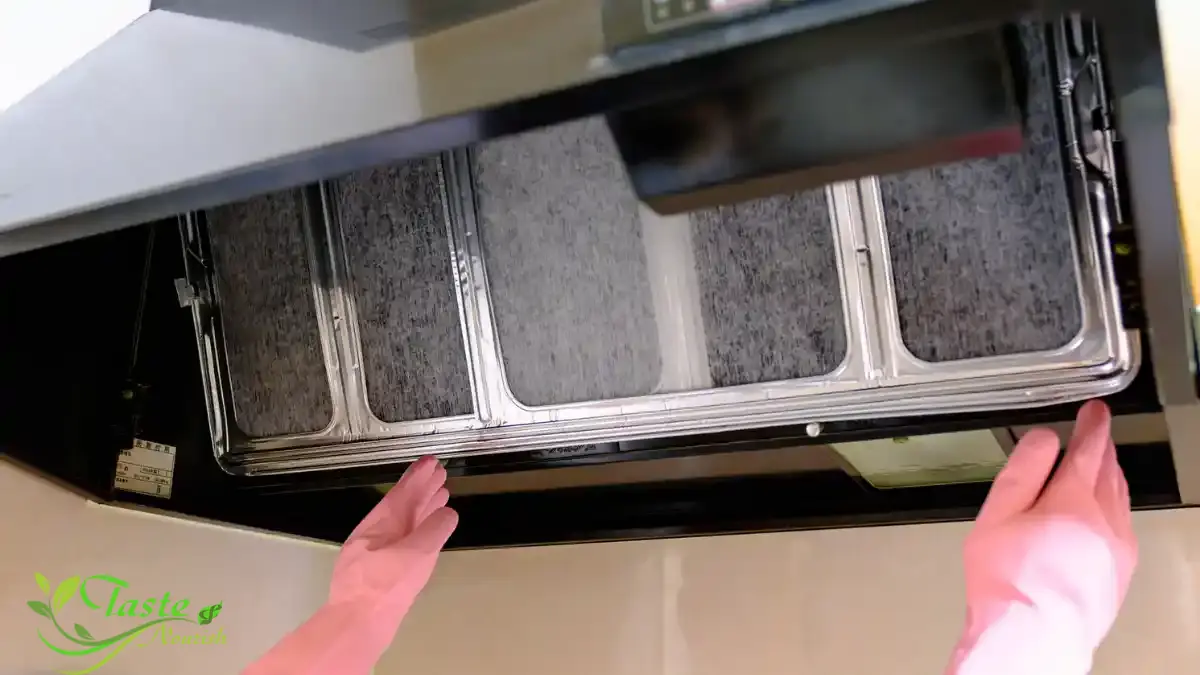
Kitchen hood cleaning is one of the most critical yet overlooked maintenance tasks in both residential and commercial kitchens. Whether you’re a homeowner looking to improve indoor air quality or a restaurant owner needing to comply with NFPA 96 fire safety standards, understanding proper kitchen hood cleaning techniques can prevent devastating grease fires, reduce health code violations, and extend your equipment’s lifespan.
What is kitchen hood cleaning? It’s the comprehensive process of removing grease, smoke residue, and contaminants from your kitchen exhaust system—including filters, hood interior, ductwork, and exhaust fans. According to the National Fire Protection Association, failure to clean commercial cooking equipment is the leading factor in restaurant fires, making regular kitchen hood cleaning not just a recommendation, but a life-saving necessity.
In this evidence-based guide, you’ll discover:
✓ Professional kitchen hood cleaning techniques used by certified technicians ✓ DIY cleaning methods that save money while maintaining safety ✓ NFPA 96 compliance standards and legal requirements ✓ Cleaning frequency recommendations based on cooking volume ✓ Fire prevention strategies that protect your property and people ✓ Cost comparisons between professional services and DIY approaches ✓ Eco-friendly cleaning solutions that work effectively
Whether you manage a high-volume commercial kitchen requiring quarterly professional kitchen hood cleaning or you’re simply trying to maintain your home range hood, this comprehensive 2,500+ word guide provides everything you need to know. We’ve analyzed current fire safety research, consulted NFPA standards, and compiled expert insights to create the most thorough kitchen hood cleaning resource available online.
Ready to make your kitchen safer and more efficient? Let’s dive into the complete world of kitchen hood cleaning, from understanding your exhaust system components to mastering advanced degreasing techniques that professionals use every day.
Understanding Your Kitchen Hood System
Before we get our hands dirty, let’s talk about what we’re actually dealing with here. Your kitchen hood isn’t just a metal box hanging over your stove—it’s a sophisticated ventilation system designed to protect your health and your home.
Components of a Kitchen Hood
Think of your kitchen hood as a multi-layered defense system against grease, smoke, and cooking odors. The main components include:
- The hood canopy – The visible outer shell that captures rising smoke and steam
- Grease filters – Usually made of stainless steel or aluminum, these trap grease particles
- Exhaust fan – The workhorse that pulls air through the system
- Ductwork – Hidden channels that transport contaminated air outside
- Exhaust outlet – Where all that nasty air finally exits your building
Each component plays a vital role, and each requires specific cleaning attention.
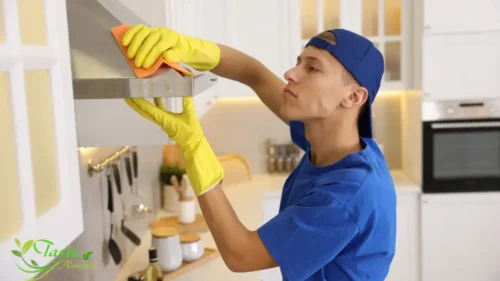
Types of Kitchen Hoods (Residential vs. Commercial)
Not all hoods are created equal. Residential hoods typically handle lighter cooking loads and may recirculate air through carbon filters. Commercial hoods, on the other hand, are designed for heavy-duty use and must meet stringent fire safety codes. They’re built tougher, have more powerful exhaust systems, and require professional-grade cleaning.
How Kitchen Hoods Work
Here’s the fascinating part: as you cook, hot air naturally rises, carrying grease particles, smoke, and moisture with it. Your hood captures this contaminated air, filters out the grease through the mesh filters, and then either exhausts it outside or recirculates cleaned air back into the kitchen. It’s like a protective umbrella that’s constantly working to keep your kitchen environment safe and breathable.
Signs Your Kitchen Hood Needs Cleaning
Your kitchen hood has ways of telling you it needs attention. Are you listening?
Visible Grease Buildup
This one’s obvious, right? If you can see yellow-brown gunk dripping from your filters or coating the inside of your hood, you’re already overdue for cleaning. Don’t wait until it’s creating stalactites of grease!
Reduced Suction Power
Try this simple test: turn on your hood and hold a tissue near the filter. Does it get sucked up immediately? If not, your hood’s airflow is compromised. This usually means your filters are clogged or your ductwork needs attention.
Unusual Odors
Clean hoods shouldn’t smell. If you’re noticing a rancid, burnt, or generally unpleasant odor when you turn on your hood, that’s old grease breaking down. Not appetizing, is it?
Excessive Smoke in the Kitchen
When your hood can’t do its job, smoke lingers in your kitchen instead of being whisked away. If you’re setting off smoke alarms more frequently, your hood is waving a white flag.
Health and Safety Regulations
Let’s talk about the rules that keep kitchens safe across the country.
NFPA 96 Standards
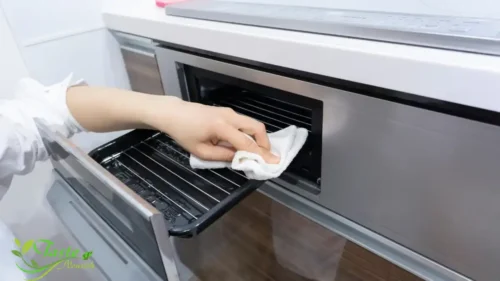
The National Fire Protection Association’s NFPA 96 Standard is the bible for commercial kitchen ventilation. It specifies that commercial kitchen exhaust systems must be inspected and cleaned by qualified professionals to prevent fire hazards. The frequency depends on your cooking volume:
| Cooking Volume | Cleaning Frequency |
|---|---|
| High-volume operations (24-hour cooking, charbroiling, wok cooking) | Quarterly (every 3 months) |
| Moderate-volume operations (typical restaurants) | Semi-annually (every 6 months) |
| Low-volume operations (churches, senior centers, seasonal businesses) | Annually (every 12 months) |
Local Health Department Requirements
Beyond NFPA standards, local health departments often have additional requirements. Some jurisdictions require monthly inspections for high-volume kitchens or mandate specific cleaning products and procedures. Always check with your local authorities.
Insurance Implications
Here’s the kicker: if your kitchen catches fire and your insurance company discovers you haven’t maintained proper cleaning records, they might deny your claim. Many commercial kitchen insurance policies explicitly require adherence to NFPA 96 standards.
DIY Kitchen Hood Cleaning Methods
Ready to roll up your sleeves? For residential kitchens or routine maintenance between professional cleanings, DIY methods can be highly effective.
Tools and Materials You’ll Need
Before you start, gather these supplies:
- Heavy-duty degreaser (commercial or homemade)
- Hot water
- Large sink or tub for soaking filters
- Scrub brushes with stiff bristles
- Microfiber cloths
- Rubber gloves
- Safety goggles
- Step ladder
- Plastic scraper or spatula
Step-by-Step Cleaning Process for Filters
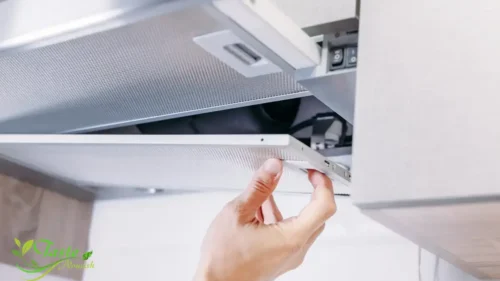
- Remove the filters – Most slide or clip out easily once you know where to look
- Pre-soak in hot water – Fill your sink with the hottest water possible and add degreaser
- Let them soak – Give them at least 15-30 minutes to loosen the grease
- Scrub thoroughly – Use your brush to work on both sides, paying attention to the mesh
- Rinse completely – Make sure no degreaser residue remains
- Air dry completely – Never reinstall wet filters, as moisture can damage your exhaust fan
Pro tip: For stubborn grease, add a cup of baking soda to boiling water and let filters soak for an hour.
Cleaning the Hood Exterior and Interior
Don’t stop at the filters! The hood itself needs love too:
- Protect your stove – Cover it with newspaper or plastic sheeting
- Spray the interior – Use degreaser on all interior surfaces
- Let it sit – Give the cleaner 10-15 minutes to break down the grease
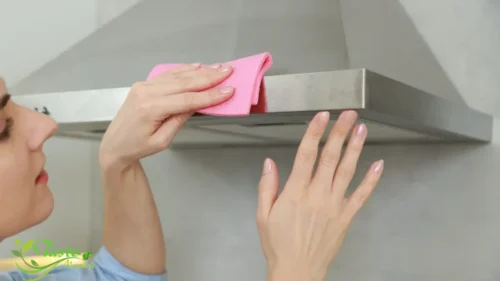
- Wipe down thoroughly – Work from top to bottom, replacing dirty cloths frequently
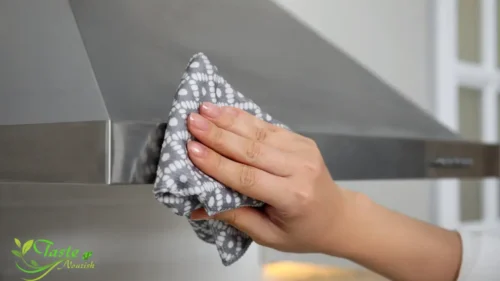
- Clean the exterior – Use a gentler cleaner for stainless steel surfaces to avoid scratching
- Polish – Buff with a microfiber cloth for a streak-free shine
Natural Cleaning Solutions vs. Chemical Cleaners
Not everyone wants harsh chemicals in their kitchen. Here are some natural alternatives:
Baking Soda Paste: Mix baking soda with water to create a thick paste. It’s mildly abrasive and cuts through grease naturally.
Vinegar Solution: White vinegar’s acidity dissolves grease. Mix equal parts vinegar and hot water.
Lemon and Salt: For a fresh-smelling option, use lemon juice and salt as a natural scrub.
However, be honest with yourself: for heavily soiled commercial hoods or seriously neglected residential hoods, commercial degreasers work faster and more effectively. Sometimes you need the heavy artillery.
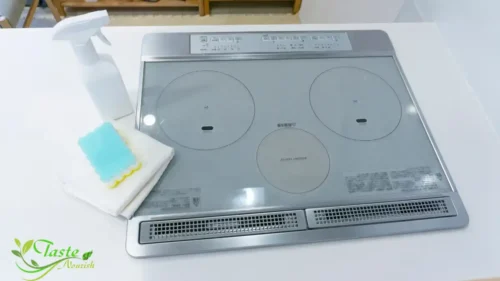
Professional Kitchen Hood Cleaning Services
There comes a time when DIY just doesn’t cut it. Let’s talk about when to bring in the pros.
When to Call the Professionals
You should definitely consider professional services if:
- You operate a commercial kitchen (it’s often required by law)
- You haven’t cleaned your hood system in over a year
- You can’t access your ductwork safely
- Your hood still doesn’t work properly after DIY cleaning
- You’re preparing for a health inspection
- You’re dealing with a grease fire aftermath
What Professional Cleaning Includes
Professional hood cleaning is comprehensive. Certified technicians will:
- Inspect the entire exhaust system
- Clean filters, hood interior, plenum, ductwork, and exhaust fan
- Use commercial-grade degreasers and specialized equipment
- Scrape accumulated grease from duct walls
- Clean the rooftop exhaust fan and housing
- Document the service with before/after photos
- Apply certification stickers showing the cleaning date
- Provide a detailed report for your records
Certification and Standards
Look for companies certified by organizations like the International Kitchen Exhaust Cleaning Association (IKECA). Certified technicians undergo training on proper cleaning techniques, safety protocols, and NFPA 96 compliance.
Cost Considerations
Professional hood cleaning isn’t cheap, but it’s an investment in safety. Residential services typically run $150-$400 per visit, while commercial kitchens can expect to pay $300-$1,500 or more, depending on system size and complexity. Think of it this way: it’s a lot cheaper than rebuilding your kitchen after a grease fire.
Cleaning Frequency Recommendations
How often should you actually clean your hood? The answer depends on how much and what you cook.
Residential Kitchen Hoods
For home kitchens:
- Light cooking (occasional use): Every 6 months
- Moderate cooking (daily family meals): Every 3 months
- Heavy cooking (frequent frying, large families): Monthly
Remember, these are for filter cleaning. The interior hood and ductwork need less frequent attention—annually is usually sufficient for residential use.
Commercial Kitchen Requirements
As mentioned earlier, commercial kitchens must follow NFPA 96 guidelines. But here’s additional detail:
- 24-hour operations: Quarterly cleaning minimum, some high-volume areas may need monthly service
- Charbroilers and wood-burning ovens: More frequent cleaning due to higher grease production
- Standard restaurants: Semi-annual cleaning typically suffices
High-Volume Cooking Environments
Places like busy diners, sports bars with extensive frying, or Asian restaurants using woks may need monthly professional cleaning even if regulations only require quarterly service. Your insurance company will thank you.
Deep Dive: The Science Behind Grease Accumulation
Ever wonder why kitchen grease is so stubborn? Let’s get scientific for a moment.
Chemical Composition of Kitchen Grease
Kitchen grease is primarily composed of triglycerides—molecules made up of glycerol and fatty acids. When you heat cooking oils and fats, they vaporize into tiny aerosol particles that float in the air. These particles are attracted to cooler surfaces (like your hood) where they condense and stick.
Why Grease Is So Difficult to Remove
As grease accumulates and is repeatedly heated, it undergoes a process called polymerization. Think of it like this: individual grease molecules link together to form long chains, creating a tough, varnish-like coating. This polymerized grease becomes increasingly difficult to remove with simple soap and water.
Temperature and Grease Polymerization
Research in food chemistry shows that polymerization accelerates at temperatures above 180°C (356°F)—common temperatures in commercial cooking. The longer grease sits in a hot environment, the harder it becomes. This is why regular cleaning is so much easier than dealing with years of baked-on buildup.
Advanced Cleaning Techniques
For those dealing with serious grease situations, here are some professional-grade methods.
Steam Cleaning Methods
High-temperature steam cleaning uses superheated steam (around 150°C or 300°F) to break down grease without harsh chemicals. The heat melts the grease while the pressure helps dislodge it. This method is environmentally friendly and highly effective for commercial systems.
Pressure Washing for Commercial Systems
Professional hood cleaners often use pressure washers to blast away grease from ductwork and exhaust fans. This is typically done on rooftops or in areas where water runoff can be properly managed. The combination of hot water, pressure, and degreaser can remove even the most stubborn buildup.
Chemical Hood Cleaning Solutions
Commercial degreasers contain powerful alkaline compounds that saponify fats (convert them into soap). Common active ingredients include:
- Sodium hydroxide (caustic soda)
- Potassium hydroxide
- Sodium metasilicate
- Surfactants that help lift grease
These chemicals work by breaking the molecular bonds in grease, allowing it to be rinsed away. Always follow safety precautions when using these products—they’re powerful enough to cause chemical burns.
Maintenance Tips to Reduce Cleaning Frequency
An ounce of prevention is worth a pound of cure, right? Here’s how to keep your hood cleaner longer.
Daily Maintenance Routines
Make these habits part of your kitchen closing routine:
- Wipe down the exterior surfaces with a damp cloth
- Check filters for visible grease accumulation
- Run the hood for 5 minutes after cooking to clear residual smoke
- Empty any grease collection cups
- Visually inspect for any unusual buildup or damage
Weekly Inspection Checklist
Every week, take 10 minutes to:
- Test the exhaust fan at different speeds
- Listen for unusual noises (grinding, rattling)
- Check that filters are securely fastened
- Inspect the hood interior with a flashlight
- Ensure the make-up air system is working (if applicable)
Proper Ventilation Practices
Here’s something many people don’t do: turn on your hood BEFORE you start cooking. This creates airflow that captures grease and smoke from the start. Also, let your hood run for 5-10 minutes after cooking to clear all the contaminants.
Why Kitchen Hood Cleaning Is Critical
Let me paint you a picture: according to the National Fire Protection Association, failure to clean cooking equipment is the leading factor contributing to commercial kitchen fires. That’s not just a statistic—that’s a wake-up call.
Fire Hazards and Safety Risks
Grease is essentially fuel waiting for a spark. When grease accumulates in your hood system, it creates a dangerous fire hazard. Commercial kitchens have seen devastating fires start from nothing more than ignited grease buildup in ductwork. The grease acts like a highway for flames, allowing fire to spread rapidly through your ventilation system and into walls or ceilings.
Research published in the Journal of Fire Protection Engineering demonstrates that grease deposits as thin as 2 millimeters can ignite when exposed to temperatures above 370°C (698°F)—temperatures easily reached in commercial cooking environments.
Health Code Violations in Commercial Settings
If you operate a commercial kitchen, cleanliness isn’t optional—it’s the law. Health inspectors can shut down restaurants for inadequate hood cleaning. The consequences? Failed inspections, hefty fines, reputation damage, and potential closure. Most jurisdictions require documented proof of regular professional cleaning.
Energy Efficiency and Performance
Here’s something most people don’t realize: a clogged hood works harder and costs you more money. When grease clogs your filters and ductwork, your exhaust fan has to work overtime to move air. This means higher energy bills and premature equipment failure. Clean hoods can improve ventilation efficiency by up to 30%.
Indoor Air Quality Concerns
Your hood is your first line of defense against indoor air pollution. When it’s not working properly, cooking fumes, carbon monoxide, and particulate matter stay in your kitchen. Long-term exposure to these pollutants has been linked to respiratory issues, according to research from Environmental Health Perspectives.
Common Mistakes to Avoid
Let’s talk about what NOT to do. These mistakes can damage your equipment or make cleaning harder.
Using Wrong Cleaning Products
Never use abrasive cleaners on stainless steel—they’ll scratch the surface. Avoid ammonia-based cleaners on aluminum filters, as they can cause discoloration. And please, don’t use oven cleaner on your hood unless it’s specifically designed for that purpose.
Neglecting Ductwork
The filters are just the beginning. Many people clean their filters religiously but forget about the ductwork behind the scenes. Remember: grease that gets past the filters accumulates in the ducts, and that’s where fires start.
Incomplete Filter Cleaning
Rinsing filters under hot water isn’t enough. Proper cleaning requires degreaser, soaking time, and thorough scrubbing. If your filters still feel greasy after cleaning, you haven’t cleaned them properly.
Ignoring Exhaust Fan Maintenance
The exhaust fan works hard and collects its own share of grease. If it fails, your entire hood system stops working. Include fan cleaning in your maintenance routine, or have professionals service it annually.
Environmental Considerations
Cleaning your hood responsibly means thinking about the bigger picture.
Eco-Friendly Cleaning Products
Many commercial degreasers contain harsh chemicals that can harm the environment. Look for biodegradable, plant-based alternatives. Products certified by Green Seal or EPA’s Safer Choice program are good options that clean effectively while minimizing environmental impact.
Proper Disposal of Grease Waste
Never pour grease down your drain—it causes sewer blockages and environmental problems. Instead:
- Let grease cool and solidify
- Scrape it into sealed containers
- Dispose of it with regular trash (small quantities)
- Use commercial grease disposal services for large amounts
- Consider grease recycling programs in your area
Water Conservation During Cleaning
Professional hood cleaning can use significant amounts of water. Look for companies that recycle their wash water or use low-flow equipment. For DIY cleaning, be mindful of water usage—you can soak filters in smaller amounts of water rather than running water continuously.
Troubleshooting Post-Cleaning Issues
Cleaned your hood but still having problems? Let’s diagnose what might be wrong.
Hood Still Not Working Properly
If your hood’s performance hasn’t improved after cleaning, check these possibilities:
- Damaged filters: Bent or torn filters don’t capture grease effectively
- Motor problems: The exhaust fan itself may be failing
- Blocked ductwork: Cleaning accessible areas isn’t enough if ducts are clogged
- Damaged duct seals: Air leaks reduce suction power
- Incorrect installation: Sometimes hoods aren’t properly sized or positioned
Persistent Odors
If smells linger even after thorough cleaning:
- Check for grease in hidden areas (behind the hood, in ceiling spaces)
- Inspect the ductwork for decomposing grease
- Replace carbon filters in recirculating hoods (they don’t last forever)
- Look for mold growth in moisture-prone areas
Unusual Noises
Post-cleaning noises usually mean:
- Rattling: Filters or panels aren’t secured properly
- Grinding: Bearings in the exhaust fan may need lubrication or replacement
- Whistling: Air leaks where ductwork connects
- Humming: Electrical issues with the motor
Conclusion
Kitchen hood cleaning isn’t glamorous work, but it’s absolutely essential for maintaining a safe, healthy, and efficient kitchen. Whether you’re a homeowner who wants to protect your family or a restaurant owner who needs to comply with regulations, regular hood maintenance should be non-negotiable.
Remember, grease buildup isn’t just unsightly—it’s a serious fire hazard that claims lives and destroys businesses every year. By following the guidelines in this comprehensive guide, you’re not just cleaning equipment; you’re investing in safety, compliance, and peace of mind.
Start with the basics: clean your filters regularly, wipe down surfaces after cooking, and pay attention to warning signs. For commercial operations, work with certified professionals who understand NFPA 96 standards and can document their work properly. And for everyone, remember that prevention is always easier than dealing with the consequences of neglect.
Your kitchen hood works hard to protect you. Isn’t it time you returned the favor?
FAQs
1. How often should I clean my residential kitchen hood filters?
For most home kitchens with moderate cooking activity, you should clean your hood filters every 3 months. If you cook frequently (especially if you do a lot of frying), monthly cleaning is better. Light users can extend this to every 6 months. A good rule of thumb: if you can see visible grease accumulation, don’t wait for the calendar—clean them now.
2. Can I put my range hood filters in the dishwasher?
It depends on the material. Stainless steel filters can typically go in the dishwasher, though hand washing is more effective for heavy grease. Aluminum filters may discolor in dishwashers due to the harsh detergents and high heat. Always check your manufacturer’s instructions first. For best results, soak filters in hot water with degreaser before washing, whether by hand or in the dishwasher.
3. What’s the difference between cleaning I can do myself and what professionals do?
DIY cleaning typically covers filters, the hood interior, and accessible surfaces. Professional cleaning goes much deeper—they clean the entire ductwork system, the exhaust fan (including the rooftop unit), the plenum, and areas you simply can’t reach safely. Professionals also use commercial-grade equipment like pressure washers and industrial degreasers. For commercial kitchens, professional cleaning is usually required by law and necessary for insurance purposes.
4. How do I know if my kitchen hood needs professional attention beyond regular cleaning?
Call a professional if you notice: reduced suction even after cleaning filters, unusual noises from the exhaust fan, grease dripping from the ductwork, visible rust or corrosion, electrical issues, or if you can’t remember the last time the ductwork was cleaned. Additionally, if you’re in a commercial setting, professional cleaning is mandatory according to NFPA 96 standards.
5. Are there any natural alternatives to chemical degreasers that actually work?
Yes! For light to moderate grease, a paste of baking soda and water works surprisingly well. You can also use a mixture of white vinegar and hot water, or dish soap with very hot water. For tougher jobs, boil water and add baking soda, then soak filters in this solution. However, be realistic: heavily soiled commercial hoods or years of neglected buildup will require stronger commercial degreasers. Natural solutions work best when you’re maintaining an already-clean hood rather than tackling severe accumulation.