
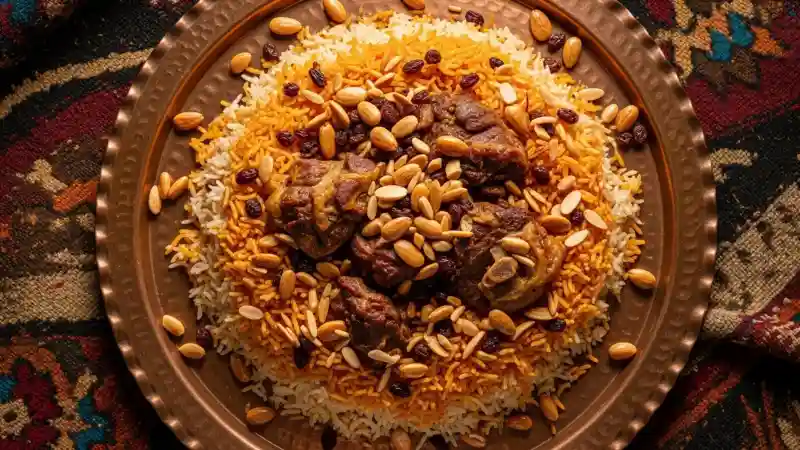
Kabsa Saudi Food
Kabsa Saudi Food is a beloved symbol of Saudi Arabian culture—rich in flavor, history, and tradition. This iconic spiced rice dish, often cooked with chicken or lamb, tells the story of Saudi hospitality and unity. In this guide, you’ll explore Kabsa’s fascinating origins, regional variations across the Kingdom, and its authentic ingredients and spice blend.
You’ll also learn how to prepare traditional Kabsa step by step, discover modern healthy twists, compare it with biryani, and understand its nutritional value and health benefits. From serving etiquette to global influence, this article uncovers everything you need to know about Kabsa Saudi Food, the heart and soul of Saudi cuisine.
Regional Variations of Kabsa Across Saudi Arabia
While Kabsa is enjoyed throughout Saudi Arabia, its preparation varies by region, reflecting the country’s diverse geography and local customs.
Najdi Kabsa
Originating from the central Najd region, this version is often considered the most traditional. Najdi Kabsa uses lamb or camel meat, cooked slowly to achieve tender perfection. The spices are bold yet balanced, often featuring dried limes (loomi), cinnamon, and cloves. The rice is fluffy, golden, and fragrant.
Hijazi Kabsa
The western Hijaz region, which includes cities like Mecca and Jeddah, adds a slightly different twist. Hijazi Kabsa tends to be more colorful, with the addition of tomatoes, raisins, and fried onions. It reflects the cosmopolitan influence of pilgrims and traders who historically visited the area.
Southern and Eastern Kabsa
In the southern and eastern provinces, seafood often replaces red meat or chicken. Shrimp Kabsa and fish Kabsa are particularly popular in coastal towns. These versions feature lighter spices, sometimes with lemon and herbs for freshness.
Each variation represents a different Saudi story, yet all share the same soul—rice, meat, and the unmistakable warmth of Arabian spices.
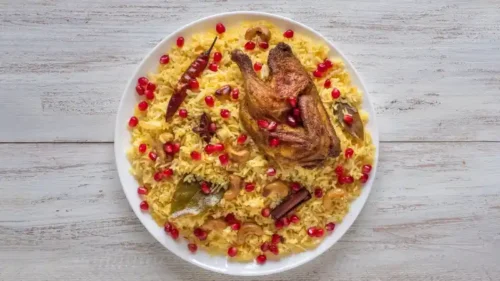
Key Ingredients that Define Authentic Kabsa
The beauty of Kabsa lies in its ingredients—each carefully chosen to build a layered and aromatic experience. Let’s look at what makes this dish so irresistible:
Rice – The Heart of Kabsa
Long-grain basmati rice is essential. It absorbs flavors deeply without becoming sticky, allowing every bite to carry the perfect balance of spice and aroma.
Meat Options: Chicken, Lamb, Camel, and More
Chicken is the most common choice for everyday Kabsa, but lamb and goat are preferred for special occasions. In coastal areas, fish or shrimp can take center stage. Each protein adds its own texture and richness.
The Spice Blend – The Soul of Kabsa
Kabsa spice mix—often called Baharat al-Kabsa—is what truly defines the dish. Common spices include:
-
Cardamom for warmth
-
Cinnamon for depth
-
Cloves for richness
-
Cumin and coriander for balance
-
Black lime (loomi) for a tangy, smoky flavor
-
Bay leaves and nutmeg for an earthy finish
These spices are often toasted before use, releasing their oils and intensifying their aroma.
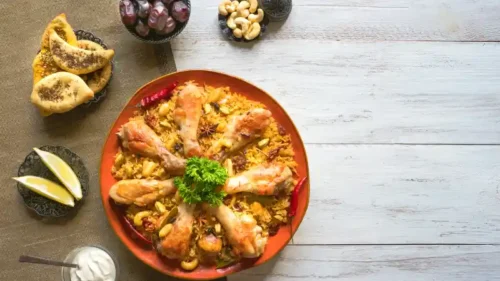
Step-by-Step Traditional Kabsa Recipe
Cooking authentic Kabsa is both an art and a ritual. It’s a dish that rewards patience and attention to detail. Here’s a step-by-step guide to making the perfect Kabsa, the traditional Saudi way.
Ingredients You’ll Need
| Ingredient | Quantity | Notes |
|---|---|---|
| Basmati rice | 3 cups | Long-grain preferred, soaked for 30 minutes |
| Chicken or lamb | 1.5 kg | With bones for extra flavor |
| Onions | 2 large | Finely sliced |
| Tomatoes | 3 medium | Chopped |
| Garlic | 5 cloves | Crushed |
| Kabsa spice mix | 3 tbsp | (Cinnamon, cardamom, cloves, cumin, coriander, nutmeg, black pepper) |
| Dried black lime (loomi) | 2 | Crushed lightly |
| Tomato paste | 2 tbsp | Adds color and richness |
| Carrots | 2 | Grated or finely sliced |
| Raisins | ½ cup | Optional but traditional |
| Salt | To taste | |
| Vegetable oil or ghee | ¼ cup | |
| Water or stock | 5 cups | Depending on rice quality |
| Almonds & fried onions | For garnish |
Cooking Process
-
Sauté the Base:
Heat oil or ghee in a large pot. Add onions and sauté until golden brown. This step is crucial—golden onions add sweetness and depth to the dish. -
Add the Meat:
Toss in chicken or lamb pieces. Let them brown on all sides for about 10 minutes. The meat should develop a light crust—this locks in the juices and flavor. -
Add Aromatics and Spices:
Stir in garlic, tomatoes, tomato paste, and the Kabsa spice mix. Add dried lime and cook until the tomatoes break down into a thick sauce. -
Simmer with Stock:
Pour in the water or stock. Bring to a boil, then reduce heat and cover. Let it simmer until the meat is tender—about 30 minutes for chicken or 1 hour for lamb. -
Add Rice:
Remove the meat and set aside. Measure the remaining liquid to ensure the right rice-to-water ratio (1 part rice to 1.5 parts liquid). Add the soaked rice and carrots. Lay the meat back on top. -
Steam to Perfection:
Cover tightly and cook on low heat for 25–30 minutes. Do not stir. This allows the rice to steam and absorb all the flavors beautifully. -
Final Touch:
Once cooked, gently fluff the rice with a fork. Garnish with fried almonds, raisins, and caramelized onions.
Serving Tip
Kabsa is traditionally served on a large communal platter. The meat is placed on top of the rice, and everyone gathers around to eat together—a true symbol of unity and hospitality.
Modern Twists on the Classic Kabsa
While traditional Kabsa remains beloved, modern chefs and home cooks have creatively adapted the dish to suit contemporary tastes and dietary preferences.
Vegan Kabsa
For those avoiding meat, vegan Kabsa offers a delicious alternative. Instead of chicken or lamb, vegetables like bell peppers, zucchini, and chickpeas take center stage. Vegetable broth replaces meat stock, and the same rich Kabsa spice mix gives the dish its signature aroma. The result? A plant-based version that retains all the comforting flavors of the original.
Kabsa with Quinoa or Brown Rice
Health-conscious eaters often swap white basmati rice with brown rice or quinoa. These grains provide extra fiber and nutrients, making Kabsa lighter and more diabetic-friendly. The key is to adjust the liquid ratio and cooking time since brown rice absorbs more water and cooks slower.
Instant Pot Kabsa
In modern kitchens, the Instant Pot has become a game changer. It drastically reduces cooking time while maintaining authentic flavor. You can sauté onions and spices in the same pot, then pressure-cook everything in under 40 minutes—perfect for busy families craving a taste of Saudi tradition.
Fusion Kabsa
In some global restaurants, Kabsa has taken on new forms—Kabsa tacos, Kabsa-stuffed peppers, or even Kabsa rolls wrapped in flatbread. These playful fusions pay homage to Saudi heritage while appealing to a younger, international crowd.
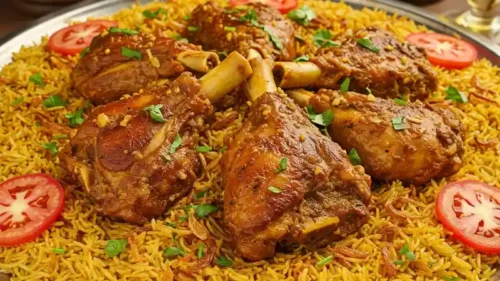
Kabsa vs. Biryani: What’s the Difference?
Many people confuse Kabsa with Indian biryani since both are spiced rice dishes with meat. However, the two are distinct in flavor, preparation, and cultural background.
| Feature | Kabsa | Biryani |
|---|---|---|
| Origin | Saudi Arabia and Arabian Peninsula | India (Mughal influence) |
| Cooking Method | Rice and meat cooked together in one pot | Meat and rice cooked separately, then layered |
| Spices Used | Lighter, aromatic spices with dried lime | Heavier spices like garam masala and saffron |
| Flavor Profile | Smoky, tangy, and mildly spiced | Rich, bold, and often creamy |
| Texture | Fluffy and separate grains | Slightly moist and layered |
Kabsa emphasizes harmony between ingredients, while biryani celebrates intensity and contrast. Both are culinary masterpieces in their own right, but Kabsa’s subtle balance of spice and citrus sets it apart as a uniquely Arabian experience.
Nutritional Breakdown of Kabsa
Kabsa is a wholesome dish that delivers a balanced mix of carbohydrates, proteins, and fats. While it’s hearty and indulgent, understanding its nutritional composition helps you enjoy it mindfully—especially if you’re watching your calories or managing dietary goals.
Calorie Information Table
Below is an approximate breakdown of a standard serving (1 large plate of chicken Kabsa, about 400 grams):
| Nutrient | Amount per Serving | % Daily Value* |
|---|---|---|
| Calories | 720 kcal | 36% |
| Protein | 40 g | 80% |
| Carbohydrates | 80 g | 26% |
| Fat | 24 g | 37% |
| Fiber | 4 g | 16% |
| Sodium | 900 mg | 38% |
| Cholesterol | 110 mg | 36% |
| Iron | 3.5 mg | 20% |
| Vitamin B6 | 0.8 mg | 60% |
| Potassium | 950 mg | 27% |
*Percent Daily Values are based on a 2,000-calorie diet.
Macronutrients and Micronutrients Explained
-
Protein: The meat (chicken or lamb) in Kabsa provides lean protein that helps build and repair muscle tissue.
-
Carbohydrates: Basmati rice is the main source, offering long-lasting energy.
-
Healthy Fats: Ghee or vegetable oil adds richness and flavor, while almonds and raisins contribute unsaturated fats.
-
Micronutrients: The spices, especially cardamom and cloves, are rich in antioxidants and have anti-inflammatory properties.
-
Sodium: Depending on stock and seasoning, sodium levels can vary—so reducing salt or using low-sodium broth can make it healthier.
When eaten in moderation, Kabsa can be part of a balanced diet, particularly if paired with salad or yogurt-based side dishes that enhance digestion and nutrient absorption.
Health Benefits of Eating Kabsa
Kabsa isn’t just delicious—it also packs a number of health benefits when made with quality ingredients and enjoyed in moderation.
-
Rich in Protein: The meat provides essential amino acids that aid in muscle repair, hormone production, and immune function.
-
Source of Complex Carbohydrates: Basmati rice provides sustained energy, keeping you fuller for longer without spiking blood sugar levels.
-
Boosts Metabolism: Spices like cinnamon, cardamom, and cloves have thermogenic properties that can slightly increase metabolic rate.
-
Improves Digestion: Garlic, cumin, and coriander in the spice mix stimulate digestive enzymes, helping the stomach process food efficiently.
-
Antioxidant Protection: Dried lime and cloves contain antioxidants that combat oxidative stress and support heart health.
-
Promotes Emotional Well-being: The aroma of warm spices like cardamom and cinnamon can have calming effects, evoking a sense of comfort and home.
Enjoying Kabsa occasionally, especially when paired with a light salad or yogurt dip, offers a nourishing meal that fuels the body and soothes the soul.
Potential Health Considerations
While Kabsa offers nutritional benefits, there are some aspects to be mindful of—especially if it’s eaten frequently.
-
High in Calories: A full serving can exceed 700 calories, mainly from rice and fats. Opt for smaller portions or use brown rice for a lighter option.
-
Sodium Content: Stock cubes or salted broths can raise sodium levels. Preparing homemade stock and moderating salt helps reduce the risk of hypertension.
-
Saturated Fats: Ghee and fatty cuts of lamb can contribute to cholesterol buildup. Switching to lean meats or vegetable oil makes Kabsa healthier.
-
Portion Control: Because Kabsa is traditionally served communally, it’s easy to overeat. Using individual plates or balancing it with greens keeps portions reasonable.
-
Hidden Sugars: Some modern versions add sugar or raisins excessively. A moderate sprinkle of raisins is enough to retain authenticity without adding too many calories.
By making small adjustments—like using less oil, more vegetables, and whole grains—you can enjoy Kabsa regularly without compromising your health.
Serving Suggestions and Pairings
Kabsa is often served as the main attraction in a meal, but the right sides and drinks can elevate it to a royal feast.
Popular Side Dishes
-
Dakkous (Saudi Tomato Sauce): A tangy tomato and garlic sauce that adds a spicy kick and freshness.
-
Cucumber Yogurt Salad: Cool and creamy, it balances the rich spices of Kabsa perfectly.
-
Pickled Vegetables (Turshi): Their acidity enhances flavor and helps with digestion.
-
Roasted or Grilled Vegetables: A healthy and colorful addition that complements Kabsa’s warmth.
Perfect Drinks
-
Mint Lemonade: Refreshing and cuts through the heaviness of the rice.
-
Saudi Qahwa (Arabic Coffee): Often served after the meal with dates—an essential part of Saudi hospitality.
-
Laban (Fermented Yogurt Drink): A cooling beverage that aids digestion and balances the meal.
Pairing Kabsa thoughtfully turns it into a complete culinary experience—one that satisfies the senses and honors tradition.
How to Store and Reheat Kabsa Without Losing Flavor
Like most rice dishes, Kabsa tastes even better the next day—if stored and reheated properly. Preserving its texture, aroma, and taste is simple with a few smart kitchen practices.
Storing Kabsa
-
Cool Before Storing:
Allow Kabsa to cool to room temperature before refrigerating. Placing hot food directly into the fridge traps steam, causing sogginess and bacterial growth. -
Use Airtight Containers:
Store leftovers in airtight glass or BPA-free plastic containers to prevent moisture loss and odor absorption. -
Separate Meat and Rice:
For best results, store the rice and meat separately. This prevents the rice from absorbing excess grease and keeps textures distinct. -
Refrigeration Duration:
Kabsa stays fresh in the refrigerator for up to 3–4 days. If you plan to keep it longer, freezing is the better option. -
Freezing Instructions:
Place cooled Kabsa in freezer-safe bags or containers. Press out as much air as possible before sealing. It can last up to 2 months frozen.
Reheating Kabsa
-
Stovetop Method:
Reheat rice and meat separately in a skillet over low heat. Sprinkle a tablespoon or two of water or stock over the rice, cover, and steam for 5–8 minutes until fluffy. -
Microwave Method:
If using a microwave, cover Kabsa with a damp paper towel to prevent drying out. Reheat in 1-minute intervals, stirring occasionally. -
Oven Method:
Spread Kabsa evenly on a baking tray, cover with foil, and warm it at 180°C (350°F) for about 15 minutes. This method maintains texture beautifully.
Pro tip: Avoid over-reheating, as it can make the rice mushy. A light drizzle of olive oil or ghee before reheating restores its shine and aroma.
The Origin and History of Kabsa
Kabsa has ancient roots that trace back to the heart of the Arabian Peninsula. Its story begins centuries ago with the Bedouins—nomadic tribes who roamed the vast deserts of Arabia. These travelers needed a meal that was hearty, easy to prepare, and rich in nutrients. Thus, Kabsa was born from practicality and necessity. The combination of rice, meat, and spices made it not only filling but also packed with the energy required to survive the harsh desert conditions.
Interestingly, historians believe Kabsa was influenced by early spice trade routes that connected Arabia to India, Persia, and East Africa. As traders passed through the Arabian Peninsula, they introduced new flavors like saffron, cinnamon, and cardamom, which blended beautifully with local ingredients. Over time, Kabsa evolved into the aromatic dish we know today—rich in flavor, color, and cultural identity.
In ancient times, Kabsa was cooked in clay pots buried underground or over an open flame, giving it a smoky, earthy aroma that remains iconic even in modern kitchens. The traditional preparation techniques have been preserved and passed down through generations, each family adding its own special touch. Today, Kabsa is not only a dish but a living piece of Saudi history—a culinary bridge between the past and present.
Cultural Significance of Kabsa in Saudi Arabia
Kabsa is much more than just a meal in Saudi Arabia—it’s an emblem of generosity, unity, and celebration. Saudi culture places immense importance on hospitality, and Kabsa is often the centerpiece of that tradition. When guests arrive, a large platter of Kabsa is served as a gesture of warmth and respect. It’s customary for everyone to gather around the dish and eat with their hands, symbolizing equality and shared joy.
During major celebrations such as Eid al-Fitr, Eid al-Adha, weddings, and family gatherings, Kabsa holds a central place on the dining table. Its preparation becomes a collective act, with family members working together—some washing rice, others grinding spices, and the eldest often supervising the process.
In Saudi households, serving Kabsa reflects pride and cultural identity. Even abroad, Saudi families continue this tradition, keeping their culinary heritage alive. For visitors, trying Kabsa is like tasting a piece of Saudi soul—warm, inviting, and unforgettable.
Kabsa in Global Cuisine
Kabsa has transcended its Saudi origins and gained international recognition, appearing in restaurants across Europe, North America, and Asia. Its unique combination of spices, rich texture, and comforting warmth make it appealing to global palates.
The Rise of Kabsa Restaurants Worldwide
In cities like London, New York, and Dubai, dedicated Kabsa restaurants attract both Middle Eastern expatriates and curious food lovers. These establishments often serve multiple regional varieties—from traditional Najdi Kabsa to seafood-infused versions inspired by the Arabian Gulf coast.
Food bloggers and influencers frequently feature Kabsa in their global food journeys, helping it trend on social media platforms such as Instagram and TikTok.
Kabsa’s Popularity in Western Countries
Western chefs have embraced Kabsa for its versatility. Some incorporate local ingredients—like turkey instead of lamb—or reduce the spice levels to cater to milder tastes. The dish is also making its way into meal kits and frozen food sections, bringing authentic Saudi flavors to modern kitchens around the world.
Moreover, cooking schools and culinary tourism programs in Saudi Arabia now offer Kabsa workshops for travelers, turning it into a cultural ambassador of sorts. The world’s growing interest in Middle Eastern cuisine ensures Kabsa’s global legacy will only continue to expand.
Kabsa Etiquette – How to Enjoy It the Saudi Way
In Saudi culture, the act of eating Kabsa carries deep-rooted traditions and social customs. Sharing this meal is an expression of unity, equality, and gratitude.
Traditional Dining Practices
-
Communal Eating:
Kabsa is traditionally served on a large round platter placed on the floor. Guests sit around it in a circle, symbolizing equality and community. -
Right-Hand Rule:
Food is eaten using the right hand, as per Arabian custom. Small portions of rice and meat are shaped into a ball and eaten delicately—this practice requires skill and grace. -
Respect for Elders:
Elders are always served first, and younger guests wait their turn as a sign of respect. -
Silent Appreciation:
Complimenting the host after the meal is polite, but conversation during the meal tends to be minimal—Saudi tradition values mindfulness and gratitude while eating. -
Post-Meal Ritual:
After Kabsa, guests are offered Arabic coffee (qahwa) and dates, marking the end of the meal and expressing hospitality.
These rituals make Kabsa not just a dish but a cultural ceremony, one that fosters connection and reinforces values of humility and gratitude.
Conclusion
Kabsa is far more than Saudi Arabia’s national dish—it’s a living story of culture, community, and culinary heritage. From its humble Bedouin beginnings to its place on global restaurant menus, Kabsa represents the warmth and generosity of Arabian hospitality.
Its carefully balanced blend of rice, spices, and tender meat delivers more than just flavor—it offers comfort, nostalgia, and a sense of belonging. Whether enjoyed at a family gathering in Riyadh or prepared in a modern kitchen abroad, Kabsa unites people with every bite.
And that’s the magic of this dish: no matter where you are in the world, Kabsa always feels like home.
FAQs about Kabsa Saudi Food
1. What makes Kabsa different from other rice dishes?
Kabsa’s distinct flavor comes from dried lime (loomi) and its balanced use of aromatic spices like cinnamon, cardamom, and cloves. It’s lighter than biryani and more citrusy in taste.
2. Can Kabsa be made vegetarian?
Yes! Replace the meat with chickpeas, tofu, or mixed vegetables, and use vegetable broth instead of meat stock for a rich vegetarian Kabsa.
3. What’s the best rice to use for authentic Kabsa?
Long-grain basmati rice is ideal. It absorbs flavor well and stays fluffy without clumping.
4. Is Kabsa a healthy meal?
When cooked with lean meat, moderate oil, and minimal salt, Kabsa is a balanced meal rich in protein, complex carbs, and antioxidants.
5. How do I get that authentic smoky flavor?
Traditionally, Kabsa is cooked over charcoal or wood fire. At home, you can mimic this by adding a piece of burning charcoal to the pot (covered with foil) for a few minutes after cooking to infuse that signature smoky aroma.