
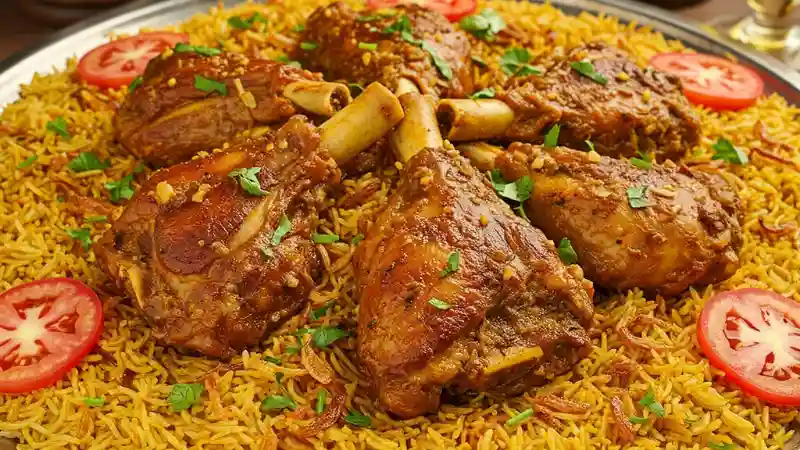
Kabsa Meat isn’t just a dish—it’s a celebration of flavor, culture, and heritage that embodies the very essence of Arabian hospitality. Originating from the heart of the Arabian Peninsula, Kabsa has earned its reputation as a royal feast, gracing tables during weddings, Eid celebrations, and family
gatherings. Its aromatic blend of basmati rice, tender meat, and a symphony of spices makes it a centerpiece of Middle Eastern culinary tradition.
Unlike fast or fusion food trends that come and go, Kabsa’s roots are centuries deep. The dish perfectly balances nutrition, taste, and artistry, symbolizing the warmth and generosity of Arabian culture. But what truly sets Kabsa apart isn’t just its taste—it’s the story it tells. Every spoonful carries the legacy of the desert, where early Bedouins crafted hearty meals over open fires, transforming humble ingredients into masterpieces.
This article dives deep into everything about Kabsa Meat—from its historical origins to the precise science of its cooking, regional varieties, and modern twists. Whether you’re a food lover, chef, or curious traveler, by the end of this guide, you’ll not only understand Kabsa—you’ll crave it.
قال Article Writer GPT:
Choosing the Right Meat for Kabsa
The secret to an unforgettable Kabsa lies in the meat you choose. While rice and spices build the dish’s foundation, the meat is its soul. Traditionally, lamb or goat meat is the preferred choice because of their tender texture and rich flavor profile. However, modern adaptations often use chicken or beef to cater to different dietary preferences and cooking times.
Lamb Kabsa offers a luxurious, melt-in-your-mouth experience. The marbling in lamb ensures that every bite bursts with juiciness. Goat meat, on the other hand, has a deeper, gamier flavor and is popular in rural Arabian areas where it’s readily available. Chicken Kabsa is lighter, making it perfect for everyday meals, while beef Kabsa offers a hearty and satisfying bite for those who prefer denser meat.
When choosing meat, freshness is key. Ideally, the meat should be tender with a slight fat layer to enrich the flavor as it cooks. Aged or tough cuts can make the Kabsa dry and chewy, so opt for cuts like lamb shoulder, shank, or thigh. Always marinate the meat in yogurt, lemon juice, and spices before cooking—this not only softens the fibers but also locks in flavor.
Essential Ingredients in Kabsa Meat Recipe
Every Kabsa recipe begins with a fragrant blend of carefully chosen ingredients that bring out the magic of the dish. The foundation includes basmati rice, meat, tomatoes, onions, and a bouquet of spices. Yet, what transforms a good Kabsa into a legendary one are the nuances in these elements.
Spices: Kabsa’s unique identity comes from its spice blend known as Baharat. This includes black pepper, cardamom, cinnamon, cloves, nutmeg, bay leaves, and dried lime (loomi). These spices create the characteristic warm and complex aroma that Kabsa is famous for.
Tomatoes and Onions: These two ingredients form the base sauce that coats the rice and meat. Tomatoes provide acidity that balances the richness of the meat, while onions caramelize to add sweetness.
Nuts and Raisins: Fried almonds, cashews, and raisins are often sprinkled on top for a sweet-salty crunch that elevates both flavor and presentation.
Ghee or Butter: A touch of clarified butter not only enhances aroma but also adds a silky texture to the rice.
Basmati Rice: Long-grain rice is essential. It absorbs flavors beautifully and remains fluffy even after long cooking.
When these ingredients come together, the kitchen fills with an irresistible fragrance that’s both comforting and exotic—one that no artificial flavor can replicate.
The Science Behind Kabsa’s Signature Aroma
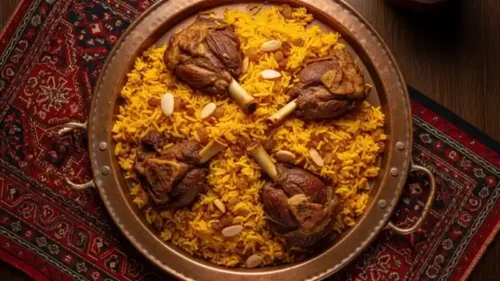
There’s actual science behind the irresistible smell of Kabsa. The dish’s distinctive aroma results from the Maillard reaction, a chemical process that occurs when proteins and sugars in the meat and onions are exposed to heat. This reaction produces hundreds of flavor compounds that give Kabsa its golden-brown color and deep, roasted notes.
The slow simmering of meat and rice allows the spices to infuse layer by layer, creating a multidimensional flavor profile. Cardamom and cinnamon release warm, sweet undertones, while black lime adds a subtle sour tang. The ghee binds these aromas, distributing them evenly across the dish.
Interestingly, when Kabsa is cooked in traditional clay pots or underground ovens, the slightly porous surfaces trap steam and recirculate it. This self-basting effect ensures the meat remains juicy while allowing the rice to soak up every drop of flavor.
Scientific research on spice chemistry supports this culinary artistry. For example, a 2021 study published in Food Chemistry Journal found that spices like cloves and cinnamon contain antioxidants that not only enhance aroma but also preserve food quality naturally. So, every spoonful of Kabsa isn’t just delicious—it’s chemistry perfected.
Authentic Kabsa Meat Recipe (Step-by-Step Guide)
If you’ve ever dreamed of cooking authentic Kabsa at home, here’s your complete guide.
Ingredients
- 1 kg lamb or chicken (cut into large pieces)
- 2 cups basmati rice
- 2 medium onions (finely chopped)
- 3 ripe tomatoes (blended or diced)
- 4 cloves garlic (minced)
- 2 tbsp ghee or butter
- 2 dried limes (loomi)
- 2 cinnamon sticks
- 5 cardamom pods
- 1 tsp black pepper
- 1 tsp turmeric
- 1 tsp cumin
- 1 tsp paprika
- 1 tsp coriander powder
- 1 bay leaf
- 3 cups chicken or beef stock
- Salt to taste
- Fried nuts and raisins for garnish
Method
Marinate the Meat: Rub the meat with turmeric, lemon juice, and a pinch of salt. Let it rest for 30 minutes.
Sauté the Base: In a deep pot, heat ghee and fry onions until golden. Add garlic and tomatoes, cooking until the mixture thickens.
Add Spices: Toss in all the spices and loomi. Stir for a minute to release their oils.
Cook the Meat: Add the meat pieces and sear until browned. Pour in the stock, cover, and simmer until the meat is tender (about 40–60 minutes).
Add Rice: Rinse the rice thoroughly and add it to the pot. Make sure there’s enough liquid (about 1 inch above the rice).
Steam and Serve: Once the rice absorbs most of the liquid, lower the heat, cover, and let it steam for 15–20 minutes.
Garnish: Top with fried nuts, raisins, and a drizzle of ghee before serving.
This method preserves the authenticity of traditional Kabsa while being achievable in any modern kitchen.
قال Article Writer GPT:
Kabsa Cooking Techniques Explained
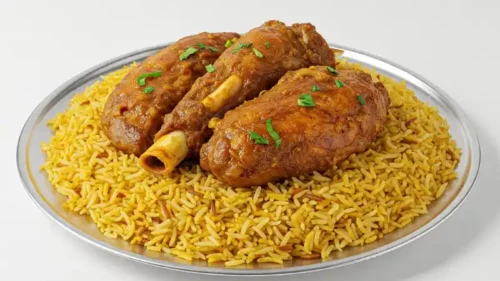
Cooking Kabsa may seem simple, but true mastery lies in understanding its techniques. The method you choose can dramatically influence the texture, aroma, and depth of flavor. Traditionally, Kabsa is slow-cooked in large pots over a wood fire, which allows the flavors to develop gradually. The gentle heat helps the meat tenderize while the spices and rice blend harmoniously into a unified dish.
In modern kitchens, however, several cooking methods have emerged:
-
Pressure Cooking: Ideal for busy cooks, this method reduces cooking time significantly while still maintaining a rich flavor. However, it may slightly reduce the smoky depth found in traditional Kabsa.
-
Slow Simmering (Stovetop): The classic approach. It allows the meat and rice to cook evenly, ensuring each grain of rice soaks in the spiced broth fully.
-
Oven-Baked Kabsa: Some chefs prefer transferring the cooked mixture into an oven for a final bake. This gives the rice a delightful crust and enhances the aroma.
-
Clay Pot Cooking: Used in traditional Arabian households, clay pots help retain heat evenly and trap moisture, creating a unique flavor profile.
Each technique has its charm, but the real secret lies in timing. Kabsa rewards patience. Allowing the meat to cook slowly in its juices brings out a buttery tenderness that no shortcut can replicate. As the rice finishes cooking, every grain becomes infused with the essence of saffron, cardamom, and ghee—a true symphony of senses.
Perfecting the Kabsa Rice
The rice in Kabsa isn’t just a side; it’s a masterpiece on its own. Achieving the perfect texture—fluffy, aromatic, and golden—is an art that requires precision. Start with high-quality basmati rice, preferably aged for at least a year. Aged rice absorbs flavor better and stays separate after cooking.
Rinse the rice several times to remove excess starch. This step prevents the rice from becoming sticky. Soak it for 20–30 minutes before cooking to allow even hydration. When it’s time to add the rice to the pot, make sure there’s enough liquid (broth or water) to just cover it.
Here’s where many cooks falter—stirring too much. Once the rice starts simmering, resist the urge to stir. Let the steam do its magic. Cover the pot with a tight lid or foil to trap the heat, allowing the rice to cook evenly.
To achieve that signature golden hue, drizzle a saffron-infused milk mixture over the rice before steaming. This creates beautiful color variations and adds a subtle floral aroma. For a more authentic touch, some chefs add a touch of tomato paste to the broth, deepening the reddish tint and enhancing umami.
Health Benefits of Kabsa Meat
Kabsa might seem indulgent, but it’s surprisingly wholesome when prepared traditionally. The ingredients used—lean meat, aromatic spices, and nutrient-rich rice—combine to create a balanced meal that nourishes both body and soul.
Protein Power: The meat provides high-quality protein essential for muscle repair and growth. Lamb and chicken are also rich in iron, zinc, and B vitamins, which support immune function and energy metabolism.
Healthy Fats: Traditional Kabsa often uses ghee, which, in moderate amounts, contains beneficial fatty acids that support brain and heart health.
Spices with Healing Powers: Many of Kabsa’s spices—like cardamom, cinnamon, and cloves—are packed with antioxidants and anti-inflammatory compounds. According to studies published in the Journal of Food Science, these spices can improve digestion, regulate blood sugar, and strengthen immunity.
Low-Glycemic Rice: Using long-grain basmati rice provides slow-releasing carbohydrates, which maintain stable energy levels and prevent sugar spikes.
By focusing on fresh, unprocessed ingredients and traditional cooking methods, Kabsa remains a dish that satisfies taste buds while aligning with modern health-conscious lifestyles.
Common Mistakes to Avoid When Cooking Kabsa
Even seasoned cooks can make a few missteps when preparing Kabsa. To ensure you get it right every time, here are some of the most common pitfalls and how to avoid them:
-
Using Too Much Water: Excess liquid can make the rice mushy. Always maintain a 1:1.5 ratio of rice to broth.
-
Skipping the Marination: This step is crucial for tender, flavorful meat. Marinate for at least 30 minutes—or better yet, overnight.
-
Adding Spices All at Once: Layer your spices. Start with whole spices (cardamom, cloves) and later add ground ones to build complexity.
-
Overcooking the Meat: Cook the meat until just tender before adding rice. Overcooked meat can fall apart and muddy the texture.
-
Ignoring the Steam Stage: After the rice absorbs most of the liquid, cover tightly and let it steam for 15–20 minutes to achieve perfect fluffiness.
Mastering Kabsa is like mastering music—it’s about timing, rhythm, and harmony. Once you get it right, it’s pure magic.
Calorie Table for Meat Kabsa (Per Serving – Approx. 1 Cup / 350g)
| Component | Average Quantity (per serving) | Calories (kcal) | Protein (g) | Fat (g) | Carbohydrates (g) | Notes |
|---|---|---|---|---|---|---|
| Cooked Basmati Rice | 1 cup (200g) | 250 | 5 | 0.5 | 55 | Long-grain rice, lightly oiled |
| Lamb Meat (Cooked) | 100g | 270 | 26 | 18 | 0 | Trimmed of excess fat |
| Kabsa Spice Blend | 1 tbsp | 25 | 1 | 1.5 | 3 | Mix of cinnamon, cloves, cardamom, etc. |
| Ghee or Butter | 1 tbsp | 120 | 0 | 13 | 0 | Adds richness and aroma |
| Tomatoes & Onions (Cooked) | ½ cup | 40 | 1 | 1 | 9 | Used for the base sauce |
| Fried Nuts (Cashews/Almonds) | 2 tbsp | 90 | 3 | 8 | 3 | Optional topping |
| Raisins (Optional) | 1 tbsp | 30 | 0 | 0 | 8 | Adds sweetness |
| Daqoos (Spicy Tomato Sauce) | 2 tbsp | 15 | 0.5 | 0.2 | 3 | Optional condiment |
Total Estimated Nutrition (Per 1 Serving Kabsa with Lamb)
| Nutrient | Amount |
|---|---|
| Calories | 830–870 kcal |
| Protein | 36–38 g |
| Fat | 42–45 g |
| Carbohydrates | 70–75 g |
| Fiber | 3–5 g |
| Sodium | 500–700 mg (varies with salt use) |
Calorie Comparison by Meat Type
| Meat Type | Calories per Serving (Approx.) | Notes |
|---|---|---|
| Lamb Kabsa | 830–870 kcal | Highest in fat, rich flavor |
| Chicken Kabsa | 650–700 kcal | Lower fat, lighter version |
| Beef Kabsa | 780–820 kcal | Hearty and protein-dense |
| Goat Kabsa | 720–760 kcal | Leaner than lamb, stronger flavor |
Tips for a Healthier Kabsa
-
Use olive oil or light ghee instead of full-fat butter.
-
Choose lean meat cuts or skinless chicken breast.
-
Reduce fried nuts or raisins if watching calories.
-
Steam rice instead of frying it in ghee before cooking.
-
Serve with a side of fresh salad or yogurt to balance the meal.
Kabsa Meat vs. Other Arabian Rice Dishes
Kabsa often gets compared to other beloved Middle Eastern rice dishes like Mandi, Biryani, and Maqluba, but each has a distinct identity.
| Dish | Origin | Cooking Technique | Flavor Profile | Signature Feature |
|---|---|---|---|---|
| Kabsa | Saudi Arabia | Simmered meat and rice together | Balanced, aromatic, mildly spiced | Tomato-based broth and saffron rice |
| Mandi | Yemen | Cooked in underground tandoor | Smoky, earthy | Tender meat and lightly spiced rice |
| Biryani | South Asia | Layered and baked | Rich, spiced, and layered | Fried onions and yogurt marinade |
| Maqluba | Levant | Inverted pot cooking | Savory, vegetable-infused | Layered with eggplant and meat |
What sets Kabsa apart is its balance. It’s neither too spicy like Biryani nor too smoky like Mandi. It’s the golden mean of Arabian cuisine—simple yet profoundly flavorful, luxurious yet comforting.
قال Article Writer GPT:
Serving and Garnishing Kabsa Meat
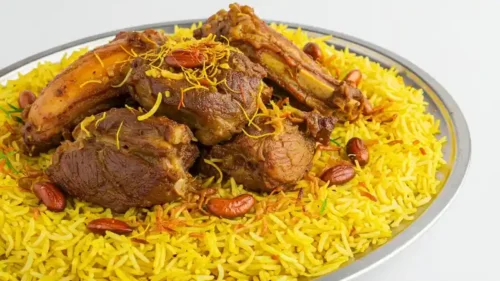
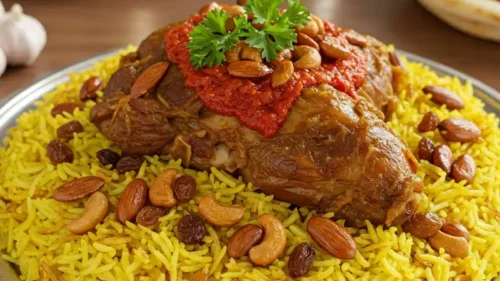
Serving Kabsa is an art form—a performance that embodies Arabian hospitality. Traditionally, Kabsa is presented on a large communal platter, known as a siniya. The steaming rice forms a colorful bed for the perfectly cooked meat, often lamb shanks or roasted chicken pieces, placed proudly on top. The visual contrast between golden rice, tender meat, and scattered nuts immediately signals celebration.
Garnishing plays a critical role. Fried almonds, cashews, and raisins are sprinkled generously across the surface, adding a sweet and crunchy element. Some families also include caramelized onions for added richness. A final drizzle of melted ghee gives the dish its glossy finish and intensifies the aroma.
To complete the meal, Kabsa is often accompanied by Daqoos, a spicy tomato-based sauce made with garlic, chili, and lemon juice. Its tangy bite cuts through the richness of the meat, balancing the entire dish. Salata Hara, a fresh salad made with cucumber, tomato, and mint, provides a refreshing contrast.
The presentation isn’t just for show—it’s cultural. In many Arabian households, guests are served first, with elders being honored before others begin eating. Sharing from one plate symbolizes equality and friendship. In formal settings, Kabsa is served with dates, laban (yogurt drink), and Arabic coffee, transforming the meal into an unforgettable sensory experience.
The History of Kabsa Meat
Kabsa’s journey began in the vast deserts of the Arabian Peninsula, where Bedouin tribes depended on simple yet nourishing meals to fuel their nomadic lifestyle. Early versions of Kabsa used locally available ingredients—rice, dried fruits, nuts, and freshly slaughtered lamb or goat. The goal was to create a meal that could feed large groups using minimal utensils and time.
As trade routes expanded between Yemen, Saudi Arabia, and the Levant, spices such as cardamom, cinnamon, cloves, and black lime (loomi) entered the Arabian pantry. These exotic flavors transformed the original Kabsa into the rich, layered dish we know today. Historical records trace Kabsa’s refinement to the Hejaz region of Saudi Arabia, where cooks perfected the balance between meat and spice.
By the 20th century, Kabsa had become a national dish of Saudi Arabia, symbolizing not just food but unity. Even as borders and cultures evolved, the dish remained a constant presence on Arabian tables. Its cultural influence spread across the Gulf—each region adapting it slightly but always preserving its essence.
Understanding Kabsa: The Heart of Arabian Hospitality
Kabsa isn’t simply served—it’s shared. In Arabian tradition, food is a communal experience that represents love, respect, and generosity. When Kabsa is placed on a large platter in the center of the table, family and friends gather around to eat together, symbolizing equality and togetherness.
In weddings, Kabsa is often the highlight of the feast, served to hundreds of guests as a gesture of gratitude and celebration. During Eid or Ramadan iftar, the aroma of Kabsa drifting from kitchens signifies the spirit of abundance. In tribal gatherings, it seals bonds of friendship and peace.
This sense of unity around Kabsa mirrors the Arabian way of life—where sharing a meal means more than satisfying hunger; it strengthens social ties and expresses gratitude for blessings.
Different Regional Variations of Kabsa
Kabsa isn’t a one-size-fits-all dish. Across the Arabian Peninsula, every region adds its own twist, making Kabsa a canvas of diverse flavors.
-
Saudi Kabsa: Known for its balanced spice blend and saffron-infused rice. It typically features lamb or chicken, with tomatoes adding depth to the flavor.
-
Yemeni Kabsa (Mandi): Cooked in a tandoor or underground pit, giving it a smoky aroma. Mandi rice is often lighter, with hints of cardamom and bay leaves.
-
Emirati Kabsa (Machboos): Includes dried lime (loomi), which gives it a slightly tangy profile.
-
Bahraini Kabsa: Richer and spicier, with caramelized onions and an emphasis on slow-cooked meats.
Each variation tells a story of geography and tradition. The use of local spices, cooking techniques, and meat choices defines the regional palate—proof of how Kabsa has evolved while staying true to its Arabian roots.
Kabsa in Modern Cuisine
Today, Kabsa has transcended borders and generations. It has evolved beyond traditional settings, appearing in restaurants from Dubai to London and New York. Chefs have reimagined Kabsa using innovative techniques while maintaining its essence.
Fusion Kabsa dishes have emerged—think Kabsa tacos, Kabsa risotto, and even vegetarian Kabsa bowls. While purists may raise an eyebrow, these variations introduce global audiences to the dish’s core flavors. High-end restaurants often present deconstructed Kabsa, with sous-vide lamb served atop saffron-infused rice foam—a creative reinterpretation that celebrates the dish’s versatility.
In Saudi Arabia, Kabsa has become a symbol of national pride. It’s featured in food festivals, cooking competitions, and cultural exhibitions. Even fast-food chains have joined the movement, introducing Kabsa-flavored wraps and burgers.
Cultural Significance Beyond Food
Kabsa goes far beyond the dining table. It’s a symbol of Arabian identity, unity, and hospitality. In traditional Bedouin culture, the act of sharing Kabsa signifies peace and friendship. Offering a guest Kabsa was seen as a sacred gesture—an assurance of safety and goodwill.
At weddings and family gatherings, Kabsa represents abundance and blessing. In Ramadan, it becomes a unifying force, bringing families together to break their fast in harmony. For many Saudis and Gulf Arabs, Kabsa isn’t just a meal; it’s a connection to their ancestors, a reminder of shared values passed through generations.
Even in the diaspora, Kabsa plays a nostalgic role. For Arabs living abroad, preparing Kabsa is a way to stay connected to home. It’s common to hear stories of mothers and grandmothers passing down their secret spice blends—a tradition as cherished as the dish itself.
This deep cultural significance explains why Kabsa remains timeless. While food trends come and go, Kabsa continues to stand tall as a dish of history, emotion, and pride—a living testament to the Arabian way of life.
Conclusion
Kabsa Meat is far more than an Arabian delicacy—it’s a story of culture, craftsmanship, and community. From its humble Bedouin beginnings to its global recognition, Kabsa has journeyed through time while retaining its authenticity. Every bite reflects centuries of tradition, innovation, and love for good food.
Its perfect balance of spiced rice and tender meat, combined with the communal act of sharing, embodies what food should truly be about—connection. Whether enjoyed during a festive gathering or cooked at home on a quiet evening, Kabsa has an unmatched ability to bring people together.
FAQs about Kabsa Meat
1. What’s the main difference between Kabsa and Mandi?
Kabsa is simmered in a spiced tomato broth, giving it a rich and aromatic flavor, while Mandi is cooked underground, resulting in a smokier taste.
2. Can I make Kabsa with brown rice or quinoa?
Yes! While traditional recipes use basmati rice, brown rice or quinoa can be great healthy substitutes. Just adjust the liquid and cooking time accordingly.
3. How can I make Kabsa less oily?
Use lean cuts of meat and limit the amount of ghee or butter. You can also skim off excess fat from the broth before adding the rice.
4. What vegetables can I add to Kabsa?
Carrots, bell peppers, peas, and even zucchini can add color and nutrition to Kabsa without altering its traditional flavor.
5. Can Kabsa be prepared ahead of time?
Absolutely. Kabsa often tastes even better the next day as the flavors continue to meld. Store it in an airtight container and reheat gently with a splash of broth.