
Ingredients of Basbousa | (arabic semolina cake)
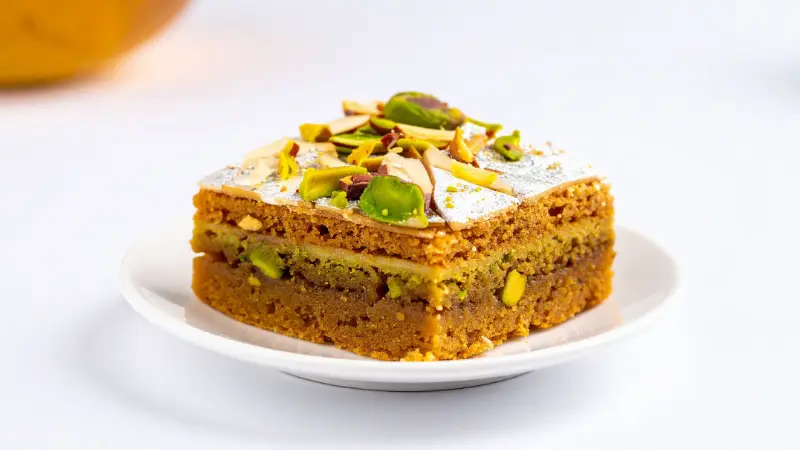
Ingredients of Basbousa (semolina cake,)
Basbousa is a beloved Middle Eastern dessert known for its delicate sweetness, grainy texture, and irresistible aroma. Often referred to as semolina cake, this treat is made from simple pantry ingredients like semolina, sugar, and yogurt—yet its flavor carries centuries of cultural richness. The name Basbousa originates from the Arabic word “basbasa,” which means “to soak,” referring to the cake’s signature syrup-soaked finish that gives it its moist, melt-in-your-mouth character.
Served during festive occasions, religious holidays, and family gatherings, Basbousa represents togetherness, generosity, and love. Whether you enjoy it with a cup of mint tea or strong Turkish coffee, every bite of Basbousa feels like a trip through the vibrant streets of Cairo or Beirut.
Across the Middle East, variations of Basbousa can be found under different names. Some versions include coconut, some add yogurt, and others swap ingredients for modern twists. Yet at its heart, Basbousa remains a humble dessert that celebrates tradition and flavor.
Basbousa vs. Namoura vs. Revani
Although these desserts share a common base, there are subtle yet important differences that set them apart.
| Dessert | Origin | Key Ingredients | Texture | Flavor Profile |
|---|---|---|---|---|
| Basbousa | Egypt | Semolina, yogurt, sugar syrup | Moist, grainy | Sweet, with syrup-soaked layers |
| Namoura | Lebanon/Syria | Coarse semolina, rose water, ghee | Denser | Floral, rich |
| Revani | Greece/Turkey | Fine semolina, eggs, orange zest | Fluffy | Citrusy, lighter sweetness |
Basbousa is syrupy and rich, often cut into diamond or square shapes and topped with almonds. Namoura, on the other hand, is denser with a floral note, thanks to the rose or orange blossom water. Revani includes eggs and a lighter syrup, creating a spongier, more cake-like texture.
Despite these distinctions, all three share the soul of the same dessert family—each telling its own story of the region’s culinary identity.
Basbousa Ingredients details
Semolina – Types and Texture
Semolina is the backbone of Basbousa. Derived from durum wheat, semolina comes in two main varieties: coarse and fine. Coarse semolina gives Basbousa a more grainy, rustic texture, while fine semolina results in a softer, cake-like bite. Many bakers blend both types to achieve the perfect balance of structure and tenderness.
When choosing semolina, the color and granule size are key. High-quality semolina should be golden yellow with a slightly nutty aroma. Using stale or low-grade semolina can result in a dry, crumbly cake that fails to absorb the syrup properly.
Some modern versions use cream of wheat or even almond flour for gluten-free alternatives, but the classic semolina texture remains unmatched. Its unique ability to absorb syrup while maintaining structure makes Basbousa distinct from other desserts.
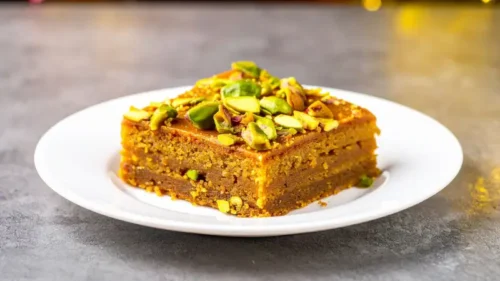
Yogurt – Why It Matters
Yogurt is what gives Basbousa its tender crumb and subtle tang. The acidity in yogurt reacts with semolina and baking powder to create a delicate rise and soft texture. Full-fat yogurt provides richness, while low-fat or Greek yogurt can make the cake denser.
The moisture content of yogurt is crucial—too watery and your batter may turn soggy; too thick and the cake could become dry. The trick is to maintain a creamy consistency that balances the semolina’s graininess.
In some regions, sour cream or labneh replaces yogurt, offering an interesting twist in flavor. Vegan versions might use coconut yogurt or almond-based alternatives to achieve similar creaminess without dairy.
Coconut – Fresh vs. Desiccated
Coconut adds depth, aroma, and texture to Basbousa. Traditionally, desiccated coconut is used for its ease of blending and ability to absorb moisture. It enhances the richness without overpowering the semolina’s natural flavor.
However, fresh grated coconut offers a more vibrant, juicy texture and tropical sweetness. It’s often used in coastal regions or during festive occasions where freshness symbolizes abundance.
The choice between fresh and desiccated depends on personal preference and regional influence. Some recipes even toast the coconut lightly to bring out nutty undertones, adding another layer of complexity to the dessert.
The syrup, known as sharbat, is what transforms Basbousa from an ordinary semolina cake into a luscious dessert. Traditionally, it’s made with sugar, water, and a touch of lemon juice to balance sweetness. Once the cake is baked, the hot syrup is poured over it, allowing it to soak and infuse flavor.
Customization is where creativity shines. You can infuse the syrup with rose water, orange blossom, or even saffron for a fragrant twist. Some modern versions substitute honey or date syrup for refined sugar, offering natural sweetness with added depth.
The key to a perfect syrup is balance. It should be thick enough to cling to the cake but not so heavy that it oversaturates it. Timing is also critical—pouring cold syrup on hot cake ensures maximum absorption and prevents sogginess.
Optional and Regional Additions
Nuts – Almonds, Pistachios, Hazelnuts
Toppings play both a decorative and textural role in Basbousa. Traditionally, a single almond is placed on each diamond-shaped piece before baking, symbolizing prosperity and hospitality.
In other regions, pistachios or hazelnuts are used, adding a nutty crunch and visual appeal. Some recipes even incorporate crushed nuts into the batter for extra richness. Toasting the nuts beforehand enhances their flavor and prevents them from becoming soggy after baking.
Each nut carries its own story—almonds for classic elegance, pistachios for Middle Eastern flair, and hazelnuts for a Mediterranean touch.
Spices – Cardamom, Cinnamon, Rose Water
Aromatic spices elevate Basbousa from sweet to sublime. Cardamom brings warmth and complexity, pairing beautifully with syrup’s sweetness. Cinnamon adds earthiness, while rose water infuses the dessert with romantic floral notes.
In Egypt, a touch of vanilla is common, whereas in Gulf countries, saffron threads might be added for color and fragrance. Balancing these flavors requires care—a little goes a long way, as overpowering the semolina can ruin the harmony.
Experimentation is encouraged. Whether you prefer a traditional rose-scented Basbousa or a spiced modern twist, the spice blend you choose becomes your personal signature.
Citrus – Lemon and Orange Zest
Citrus is one of the most underrated yet impactful additions to Basbousa. A hint of lemon or orange zest can brighten the entire dessert, cutting through the sweetness of the syrup and adding a refreshing aroma. The zest’s essential oils bring a burst of flavor that complements the buttery semolina and creamy yogurt.
Lemon zest adds sharpness and a tangy lift, while orange zest offers warmth and subtle sweetness. In Greek and Turkish variations like Revani, orange zest is essential, giving the cake its distinctive Mediterranean charm.
For an extra touch of sophistication, some bakers mix zest directly into the syrup or garnish the top with candied peel. The result is a layered flavor profile that’s sweet, tangy, and aromatic—all in perfect harmony.
When using citrus, always opt for fresh, organic fruits. Avoid bottled juice or artificial flavorings—they lack the vibrant oils that make real zest so special.
Basbousa Ingredient alternatives
Vegan and Dairy-Free Options
With growing dietary preferences, Basbousa has evolved beautifully into vegan and dairy-free forms without sacrificing flavor. Instead of traditional yogurt, plant-based alternatives like coconut yogurt, almond yogurt, or soy yogurt work wonders. They maintain creaminess while adding unique undertones to the dessert.
Butter or ghee can be swapped with coconut oil or vegan margarine, which lends a subtle tropical note and keeps the cake moist. For syrup, honey (traditionally non-vegan) can be replaced with agave syrup or maple syrup, offering natural sweetness.
The key to vegan Basbousa is maintaining balance—each substitute should mimic the texture and moisture of the original ingredients. With the right adjustments, even traditionalists will find it hard to tell the difference.
Gluten-Free Basbousa
For those avoiding gluten, it’s absolutely possible to enjoy this Middle Eastern classic. The challenge lies in replacing semolina, which provides Basbousa’s signature texture. Fine cornmeal, almond flour, or rice flour can be used as alternatives.
Almond flour creates a dense, moist cake with a nutty profile, while cornmeal adds a slightly grainier texture similar to traditional semolina. Combining both often yields the best results.
To help bind gluten-free ingredients, adding a spoonful of tapioca starch or xanthan gum can enhance structure and prevent crumbling. With careful proportioning, gluten-free Basbousa remains just as rich, aromatic, and syrup-soaked as the original.
Sugar-Free and Diabetic-Friendly Versions
Reducing sugar doesn’t mean reducing flavor. Diabetic-friendly Basbousa variations replace refined sugar with natural sweeteners like stevia, erythritol, monk fruit, or coconut sugar. These alternatives provide sweetness without spiking blood sugar levels.
For syrup, you can make a lighter version using erythritol and a touch of honey or agave. Adding rose water or lemon juice enhances the overall taste and ensures it doesn’t feel overly “diet.”
Even without sugar, Basbousa maintains its charm—soft, aromatic, and indulgent. It’s a testament to how adaptable traditional desserts can be with a little creativity and mindfulness.
Tips for choosing Basbousa Ingredients
How to Choose Quality Semolina
The foundation of great Basbousa begins with selecting the right semolina. Look for durum wheat semolina labeled as “fine” or “coarse” depending on your preference. High-quality semolina should have a golden hue, not pale white, and a slightly nutty aroma.
To test freshness, rub a small amount between your fingers—it should feel slightly gritty but not powdery. Old semolina loses its flavor and can make the cake dense or dry. Always store semolina in an airtight container in a cool, dry place to prevent it from absorbing moisture or odors.
Pro tip: combining both fine and coarse semolina often gives the best of both worlds—a firm structure with a tender crumb. For premium results, try lightly toasting the semolina before using; it enhances its nutty aroma and ensures a richer taste.
Yogurt Fat Content and Flavor Impact
The choice of yogurt dramatically influences Basbousa’s texture and taste. Full-fat yogurt yields a creamy, luxurious crumb, while low-fat or fat-free versions may result in a slightly dry or crumbly cake. The fat acts as a tenderizer, keeping the semolina moist and soft.
Greek yogurt can be used for a denser, more velvety texture, but you may need to dilute it slightly with milk to match the consistency of traditional plain yogurt. The tanginess of yogurt also balances the sweetness of the syrup, creating a well-rounded flavor profile.
If you prefer a lighter dessert, opt for yogurt with at least 2% fat content—it strikes a perfect balance between richness and fluffiness. For vegan versions, coconut yogurt works exceptionally well due to its creamy consistency and mild sweetness.
Storage, Shelf Life, and Gifting
Best Containers and Preservation Tips
Basbousa, once baked and soaked in syrup, needs proper storage to retain its soft, syrupy texture. The best way to store it is in airtight glass or plastic containers at room temperature for up to three days. Beyond that, refrigeration is recommended to extend freshness up to a week.
When refrigerating, ensure the pieces are layered with parchment paper to prevent sticking. To reheat, simply microwave a slice for 10–15 seconds or warm it in the oven at low heat—it will regain its original softness.
Basbousa also freezes well. Wrap individual pieces in cling film and store in freezer bags for up to two months. Thaw overnight in the fridge and warm gently before serving.
As a gift, Basbousa is perfect for festive occasions. Pack it in decorative tins or boxes lined with parchment paper. The syrup keeps it moist, making it ideal for transport without fear of drying out.
How Long Does Basbousa Stay Fresh?
At room temperature, Basbousa remains fresh for three to four days, depending on humidity. The syrup acts as a natural preservative, keeping it moist and flavorful. If refrigerated, it can last up to one week, and in the freezer, even two months without significant flavor loss.
To preserve its aroma, avoid storing it near strong-smelling foods, as semolina easily absorbs odors. Always cover the container tightly, and if you’re serving leftovers, warm them slightly before eating—this revives the softness and brings back the rich aroma of syrup and semolina.
Homemade Basbousa doesn’t contain preservatives like store-bought desserts, so freshness depends largely on ingredient quality and storage practices. The fresher the ingredients, the longer your Basbousa will keep its magic.
Origins and Cultural Significance
The story of Basbousa stretches back to ancient Egypt, where early forms of semolina-based cakes were baked as offerings to the gods. Over centuries, trade routes spread the recipe across the Arab world, Turkey, and the Mediterranean, giving rise to countless regional adaptations.
In Egypt, Basbousa is a symbol of hospitality and is served to guests as a gesture of warmth. In Lebanon and Syria, it’s known as Namoura, while in Greece and Turkey, similar desserts called Revani or Ravani hold cultural prominence during celebrations. Each country adds its unique twist, but the shared essence remains—a syrup-soaked semolina delight infused with love.
Today, Basbousa represents more than a dessert. It’s a connection to heritage, a taste of nostalgia, and a celebration of family recipes passed through generations. Its simplicity allows creativity to flourish, making it both a timeless classic and a modern canvas for flavor innovation.
Conclusion
Basbousa is a timeless dessert that transcends borders, bringing warmth and nostalgia to every kitchen it graces. Whether you stick to traditional Egyptian recipes or experiment with modern, vegan, or gluten-free variations, the beauty of Basbousa lies in its simplicity.
Each ingredient—from golden semolina to fragrant rose water—plays a crucial role in creating that irresistible blend of sweetness and texture. Understanding these ingredients not only enhances your baking skills but also connects you to a centuries-old culinary heritage that continues to delight across generations.
So next time you bake Basbousa, remember: it’s not just a dessert—it’s a celebration of flavor, culture, and love shared through every golden slice.
FAQs About Basbousa Ingredients
1. Can I use flour instead of semolina in Basbousa?
No, traditional Basbousa relies on semolina for its signature grainy texture. Using flour will result in a completely different, cake-like texture rather than the authentic version.
2. Why did my Basbousa turn out dry?
Dryness usually occurs if the semolina absorbs too much syrup too quickly or if the cake is overbaked. Ensure you pour cold syrup over hot cake and use the right semolina type for moisture balance.
3. What’s the best yogurt for Basbousa?
Full-fat plain yogurt is ideal for achieving a moist and rich texture. If you prefer a lighter version, Greek yogurt diluted with a little milk also works well.
4. Can I make Basbousa without syrup?
Technically yes, but it won’t be authentic. The syrup gives Basbousa its characteristic sweetness and moistness. Without it, the cake may taste bland and dry.
5. What’s the secret to a perfect Basbousa texture?
Balance is everything—use fresh semolina, creamy yogurt, and pour the syrup at the right temperature. Don’t overmix the batter, and allow the cake to rest before baking for optimal texture.