
Dried Molokhia | Complete Nutrition Guide with Calories, Health Benefits & Recipes
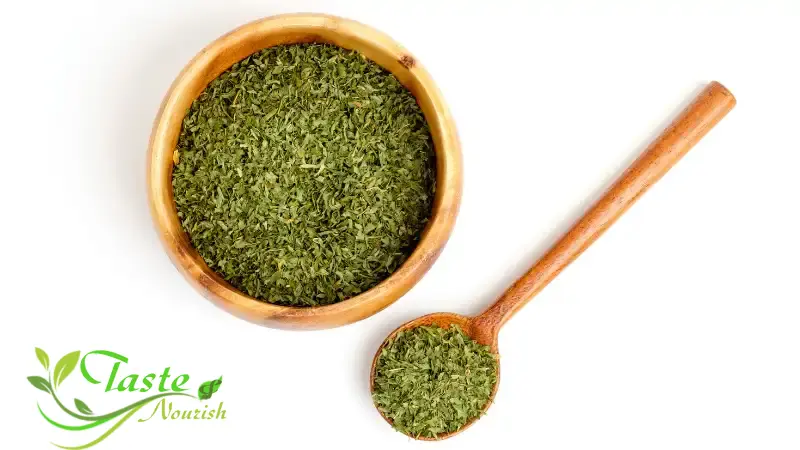
Have you ever wondered about that mysterious green powder sitting in Middle Eastern grocery stores? Let me introduce you to dried molokhia, a nutritional powerhouse that’s been a staple in Mediterranean and Middle Eastern cuisines for thousands of years. This incredible leafy green, also known as jute mallow or Jew’s mallow, transforms into a concentrated nutritional treasure when dried, offering convenience without sacrificing health benefits.
What is Dried Molokhia?
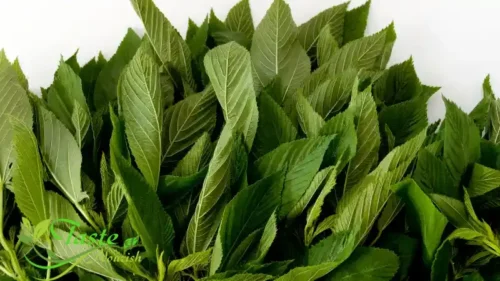
Dried molokhia comes from the leaves of the Corchorus olitorius plant, a species that’s been cultivated since the time of the ancient Egyptians. Think of it as nature’s multivitamin wrapped in vibrant green leaves. When fresh molokhia is harvested and carefully dried, it retains most of its nutritional value while becoming incredibly shelf-stable and easy to store.
Origins and Historical Significance
The story of molokhia reads like a culinary fairy tale. Ancient Egyptians called it “the vegetable of kings,” and legend has it that Egyptian royalty consumed it for its health-giving properties. The name “molokhia” itself derives from the Arabic word “mulukiyyah,” which literally means “of the kings.” From Egypt, this remarkable plant spread throughout the Levant, North Africa, and eventually to other parts of the world where Middle Eastern communities settled.
The Drying Process and Preservation
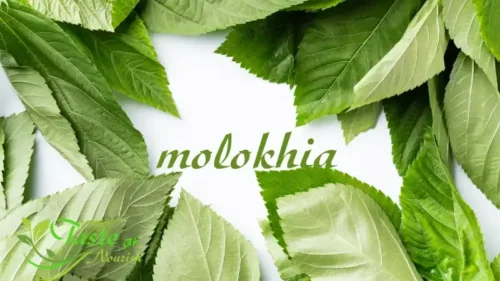
The transformation from fresh to dried molokhia is an art form passed down through generations. Fresh leaves are carefully picked, washed, and then spread out under the sun or in specialized drying chambers. This process concentrates the flavors and nutrients while removing moisture that would otherwise lead to spoilage. The result? A product that can last for months or even years when stored properly in airtight containers away from direct sunlight.
Nutritional Profile of Dried Molokhia
Let’s talk numbers, because dried molokhia is genuinely impressive when you break down what’s inside those crumbled leaves.
Macronutrients Breakdown
Dried molokhia is remarkably low in calories yet packed with nutrients. Here’s what makes it nutritionally exceptional:
| Nutrient | Per 100g (Dried) | Per 1 tbsp (5g) |
|---|---|---|
| Calories | 340 kcal | 17 kcal |
| Protein | 22g | 1.1g |
| Carbohydrates | 48g | 2.4g |
| Dietary Fiber | 28g | 1.4g |
| Total Fat | 4g | 0.2g |
| Water | 8g | 0.4g |
Vitamin and Mineral Content
What really sets dried molokhia apart is its micronutrient density. It’s like having a natural supplement right in your pantry:
| Vitamin/Mineral | Per 100g (Dried) | % Daily Value |
|---|---|---|
| Vitamin A | 8,000 IU | 160% |
| Vitamin C | 35mg | 58% |
| Vitamin E | 3mg | 20% |
| Vitamin K | 850mcg | 1063% |
| Calcium | 2,000mg | 200% |
| Iron | 25mg | 139% |
| Magnesium | 420mg | 105% |
| Potassium | 2,800mg | 80% |
| Phosphorus | 280mg | 40% |
Notice that vitamin K content? That’s not a typo. Dried molokhia is one of the richest sources of vitamin K you can find, which plays a crucial role in blood clotting and bone health.
Calorie Information and Serving Sizes
Here’s where things get practical. While 100g of dried molokhia contains 340 calories, you’ll never use that much in one sitting. A typical serving for preparing molokhia soup for one person is about 2-3 tablespoons (10-15g), which translates to only 34-51 calories. That’s less than a small apple!
| Serving Size | Weight | Calories | Typical Use |
|---|---|---|---|
| 1 teaspoon | 2g | 7 kcal | Garnish/seasoning |
| 1 tablespoon | 5g | 17 kcal | Light soup |
| 1/4 cup | 25g | 85 kcal | Standard soup serving |
| 1/2 cup | 50g | 170 kcal | Family-style preparation |
Health Benefits of Dried Molokhia
Now we’re getting to the good stuff. Why should you consider adding dried molokhia to your diet? Let me count the ways.
Digestive Health and Fiber Content
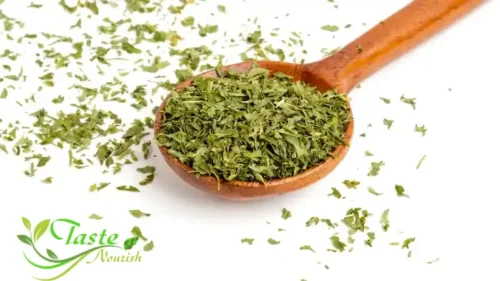
With 28 grams of fiber per 100 grams, dried molokhia is a digestive system’s best friend. That mucilaginous quality it develops when cooked? That’s not just texture—it’s a natural gut soother. The soluble fiber forms a gel-like substance that can help regulate bowel movements, prevent constipation, and support a healthy gut microbiome. Think of it as a gentle broom sweeping through your digestive tract.
Immune System Support
The combination of vitamins A, C, and E makes dried molokhia an immune-boosting trio. Vitamin A supports mucosal immunity (your first line of defense against pathogens), vitamin C enhances white blood cell function, and vitamin E acts as a powerful antioxidant protecting cells from oxidative stress. Research published in the Journal of Ethnopharmacology has highlighted the antimicrobial properties of molokhia extracts, suggesting potential benefits beyond basic nutrition.
Heart Health and Cholesterol Management
Here’s something that might surprise you: the fiber in dried molokhia can help manage cholesterol levels. Soluble fiber binds to cholesterol in the digestive system, helping to remove it before it enters your bloodstream. Additionally, the potassium content (2,800mg per 100g) supports healthy blood pressure levels by counterbalancing sodium’s effects. The magnesium present also plays a role in maintaining normal heart rhythm.
Anti-inflammatory Properties
Chronic inflammation is at the root of many modern health issues, from arthritis to heart disease. Dried molokhia contains flavonoids and phenolic compounds that exhibit anti-inflammatory effects. A study in the African Journal of Traditional, Complementary and Alternative Medicines demonstrated that molokhia extracts reduced inflammatory markers in laboratory settings. While more human studies are needed, the preliminary evidence is promising.
Dried Molokhia vs. Fresh Molokhia
You might be wondering: does drying molokhia diminish its nutritional value? The answer is nuanced.
Nutritional Differences
Fresh molokhia is about 90% water, which means that gram for gram, dried molokhia contains roughly 10 times more concentrated nutrients. However, some heat-sensitive vitamins, particularly vitamin C, decrease during the drying process. Here’s a quick comparison:
| Nutrient | Fresh (per 100g) | Dried (per 100g) | Notes |
|---|---|---|---|
| Vitamin C | 52mg | 35mg | Some loss during drying |
| Vitamin A | 6,000 IU | 8,000 IU | Concentrated when dried |
| Fiber | 2g | 28g | Significantly concentrated |
| Iron | 2.5mg | 25mg | 10x more concentrated |
The bottom line? Both forms are nutritious, but dried molokhia offers convenience and longer storage without dramatic nutrient loss.
Shelf Life and Storage
Fresh molokhia lasts maybe a week in your refrigerator if you’re lucky. Dried molokhia? We’re talking months to years when stored properly. Keep it in an airtight container in a cool, dark place, and it’ll be ready whenever inspiration strikes. This makes it perfect for diaspora communities or anyone who doesn’t have access to fresh molokhia year-round.
How to Prepare Dried Molokhia
Let’s get practical. You’ve got this bag of dried green powder—now what?
Rehydration Techniques
The key to working with dried molokhia is proper rehydration. Here’s the process:
- Measure your portion: Typically 2-3 tablespoons per person for soup.
- Initial rinse: Place the dried leaves in a fine-mesh strainer and rinse briefly under cold water to remove any dust.
- Soaking (optional): Some cooks soak dried molokhia in warm water for 10-15 minutes before cooking to soften it.
- Direct cooking method: Most traditionally, dried molokhia is added directly to hot broth, where it rehydrates and thickens the liquid.
Traditional Cooking Methods
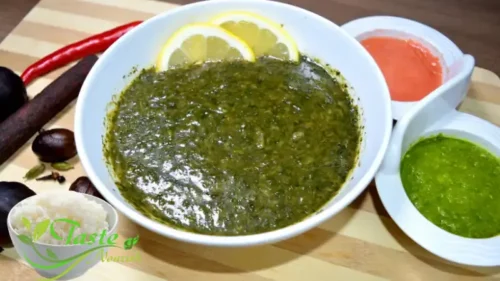
The classic preparation involves creating a flavorful broth (chicken, meat, or vegetable), then stirring in the dried molokhia and letting it simmer. As it cooks, the molokhia releases its characteristic mucilage, creating that distinctive velvety texture. The final touch? A “taklia” or garlic-coriander sauté that’s poured over the soup, releasing an aroma that’ll make your neighbors jealous.
Popular Recipes Using Dried Molokhia
Ready to cook? Let’s explore two regional variations that showcase this ingredient’s versatility.
Egyptian-Style Molokhia Soup
Egyptian molokhia is all about simplicity and bold flavors. The soup is typically made with chicken or rabbit broth, heavy on the garlic, and served over rice with a squeeze of lemon. The dried molokhia is added to boiling broth and cooked until it reaches that perfect, slightly thick consistency. What makes it distinctly Egyptian? The liberal use of garlic and coriander in the taklia, and the preference for a smoother, more homogeneous texture.
Lebanese Molokhia with Chicken
Lebanese molokhia takes a slightly different approach. The leaves are often left chunkier, the broth is lighter, and it’s traditionally served with onions sautéed in olive oil and vinegar on the side. Some Lebanese cooks add a touch of tomato paste for depth. It’s usually eaten with pita bread rather than rice, and many families top it with toasted pine nuts for extra richness.
Potential Side Effects and Precautions
Let’s address the elephant in the room. Is dried molokhia safe for everyone?
For most people, dried molokhia is perfectly safe and beneficial. However, there are a few considerations:
- Blood thinning medications: Due to its exceptionally high vitamin K content, individuals taking warfarin or other blood thinners should consult their healthcare provider before regularly consuming molokhia, as vitamin K affects blood clotting
- Kidney stones: The oxalate content in molokhia is moderate, so those prone to calcium oxalate kidney stones might want to consume it in moderation
- Allergies: Though rare, some individuals may have allergic reactions to plants in the Malvaceae family
- Digestive sensitivity: The high fiber content might cause digestive discomfort if you’re not accustomed to it—start with small amounts.
Remember, moderation is key with any food. Enjoying dried molokhia as part of a varied diet is the best approach.
Where to Buy Quality Dried Molokhia
Finding dried molokhia is easier than you might think. Middle Eastern grocery stores almost always stock it, usually in the spice or dried vegetable section. You’ll find it in various forms: whole dried leaves, crushed, or finely ground. Online retailers like Amazon, specialty food websites, and even some mainstream supermarkets now carry it due to growing interest in Middle Eastern cuisine.
What should you look for? Quality dried molokhia should be vibrant green (not brown or yellowish), aromatic, and free from stems or debris. Check the packaging date—fresher is always better, even with dried products. Brands like Durra, Al Wadi, and Ziyad are reliable choices that have been serving Middle Eastern communities for decades.
Conclusion
Dried molokhia is far more than just a traditional ingredient—it’s a nutritional powerhouse that deserves a place in modern kitchens. With its impressive array of vitamins, minerals, and fiber, coupled with its versatility and long shelf life, it offers both convenience and health benefits. Whether you’re reconnecting with cultural roots, exploring new cuisines, or simply looking to boost your nutrient intake, dried molokhia delivers on all fronts.
The beauty of this ancient ingredient lies in its simplicity. A few tablespoons can transform a basic broth into a nourishing meal that’s supported human health for millennia. As we continue rediscovering traditional foods and their benefits, dried molokhia stands out as a testament to the wisdom of our ancestors who recognized its value long before modern nutrition science caught up.
So why not give it a try? Your taste buds—and your body—might just thank you.
FAQs
1. Can I use dried molokhia in place of fresh molokhia in recipes?
Absolutely! As a general rule, use about 1/10th the amount of dried molokhia compared to fresh (since drying concentrates it by roughly 10 times). So if a recipe calls for 100g of fresh molokhia, use about 10g of dried. The texture will be similar once rehydrated, though some cooks find dried molokhia produces a slightly more uniform consistency.
2. How long does dried molokhia last, and how should I store it?
When stored in an airtight container in a cool, dark place, dried molokhia can last 1-2 years. For maximum freshness, consider storing it in the refrigerator or freezer, which can extend its shelf life even further. The main enemies are moisture, heat, and light, which can degrade both flavor and nutritional content.
3. Is dried molokhia suitable for vegetarians and vegans?
Yes! Dried molokhia is 100% plant-based and perfect for vegetarian and vegan diets. When preparing molokhia soup, simply use vegetable broth instead of meat or chicken broth. The nutritional benefits remain the same, and you’ll still get that distinctive flavor and texture molokhia is famous for.
4. Why does molokhia become slimy when cooked?
That “slimy” texture is actually mucilage, a natural substance that forms when the plant’s fibers interact with liquid. While the texture takes some getting used to for newcomers, it’s actually beneficial—mucilage soothes the digestive tract and helps with nutrient absorption. Embrace it as part of the authentic molokhia experience!
5. Can children and pregnant women safely eat dried molokhia?
Yes, dried molokhia is generally safe and nutritious for children and pregnant women. In fact, its high iron and folate content makes it particularly beneficial during pregnancy. The fiber aids digestion, which can be helpful for pregnancy-related constipation. However, as with introducing any new food during pregnancy, it’s wise to start with small amounts and consult with a healthcare provider if you have specific concerns.
Scientific Sources:
- African Journal of Traditional, Complementary and Alternative Medicines – “Anti-inflammatory properties of Corchorus olitorius” https://www.ajol.info/index.php/ajtcam
- USDA FoodData Central – Nutritional Database for Jute Mallow (Molokhia) https://fdc.nal.usda.gov/