
How to Clean Microwave with Lemon in 5 Minutes | Natural Cleaning Guide 2025
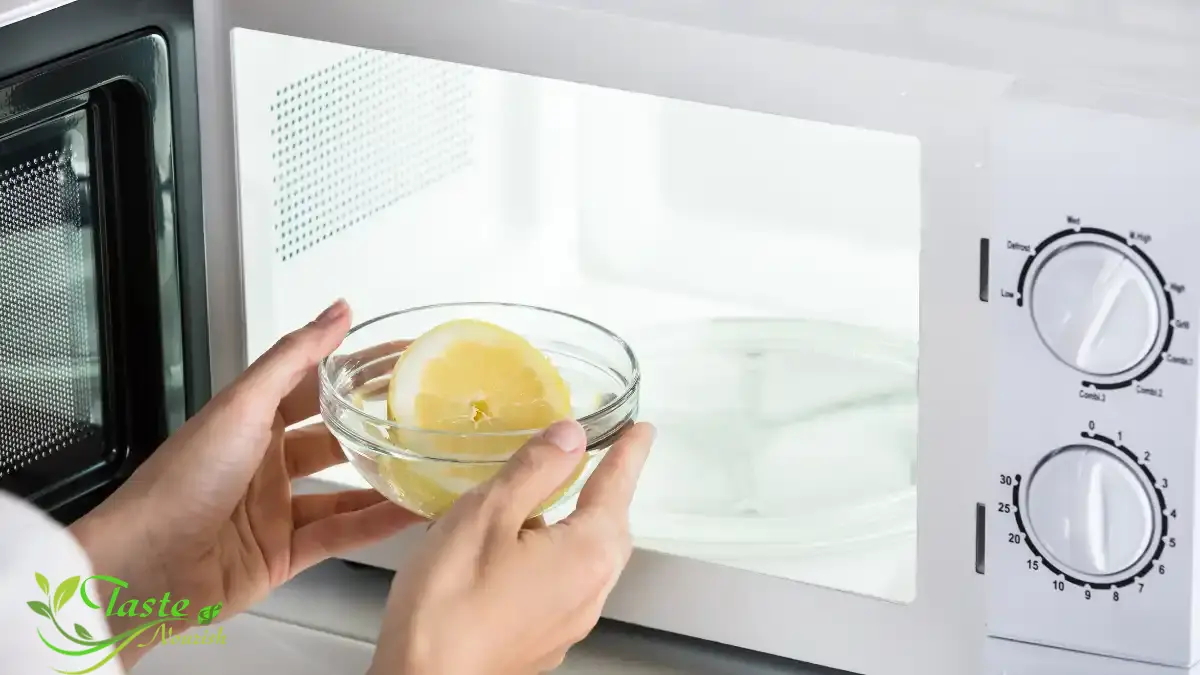
How to Clean Microwave with Lemon: The Natural Method That Actually Works
If you’re searching for an effective way to clean microwave with lemon, you’ve come to the right place. This simple, science-backed technique has been transforming grimy microwaves into sparkling appliances for years—and it takes less than 5 minutes of active work.
Why has cleaning your microwave with lemon become so popular? Because it works. Unlike harsh chemical cleaners that leave toxic residues near your food, this natural method harnesses the power of citric acid to dissolve baked-on grease, eliminate stubborn odors, and sanitize surfaces—all for less than a dollar.
Whether your microwave looks like a food-splatter crime scene or just needs a quick refresh, learning how to clean microwave with lemon will change your kitchen cleaning routine forever. In this comprehensive guide, you’ll discover:
- Three proven methods to clean your microwave with lemon (including the famous steam technique)
- The science behind why it works so you understand exactly what’s happening
- Expert tips to avoid common mistakes and keep your microwave cleaner longer
- Scientific research supporting lemon’s antibacterial and grease-cutting properties
According to the Centers for Disease Control and Prevention, kitchen appliances can harbor dangerous bacteria when not properly maintained. The good news? When you clean microwave with lemon, you’re not just removing visible grime—you’re actually sanitizing your appliance naturally.
Ready to transform your microwave from crusty to crystal-clear? Let’s dive into why this citrus solution is the cleaning hack you’ve been looking for, backed by chemistry, research, and thousands of satisfied home cooks who’ve made the switch from chemicals to citrus.
Why Your Microwave Needs Regular Cleaning
Let’s be honest—most of us don’t clean our microwaves nearly as often as we should. We heat up our leftovers, close the door, and forget about the mess until it becomes absolutely unavoidable. But there are real reasons why you should make microwave cleaning a regular part of your kitchen routine.
Health Concerns from Built-Up Grime
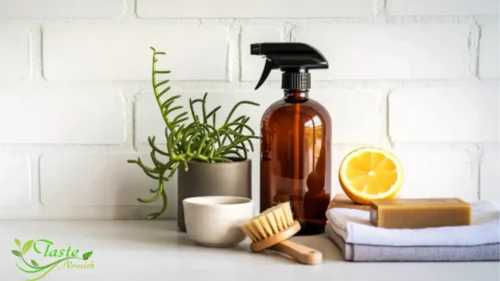
That crusty residue inside your microwave isn’t just unsightly; it’s a potential health hazard. Food particles left behind can harbor bacteria like E. coli and Salmonella, especially if they’ve been sitting there for days or weeks. Every time you heat something up, you’re essentially creating a warm, moist environment where these microorganisms can thrive. Studies have shown that kitchen appliances, including microwaves, can become breeding grounds for pathogens when not properly maintained.
Performance and Efficiency Issues
Beyond health concerns, a dirty microwave simply doesn’t work as well. Built-up grease and food particles can absorb microwave energy, meaning your food takes longer to heat and your appliance works harder than it needs to. This decreased efficiency can lead to higher energy consumption and potentially shorten the lifespan of your microwave.
Why Lemon is the Perfect Natural Cleaning Solution
So why lemon specifically? What makes this citrus fruit the go-to choice for microwave cleaning enthusiasts worldwide?
The Science Behind Lemon’s Cleaning Power
Lemons contain citric acid, typically around 5-6% by weight in their juice. This natural acid is a powerful cleaning agent that can break down grease, dissolve mineral deposits, and cut through baked-on food residue. When you heat lemon water in your microwave, the steam loosens stubborn grime while the citric acid goes to work chemically breaking down the mess. It’s like having a tiny cleaning army working for you at the molecular level.
Advantages Over Chemical Cleaners
Unlike harsh chemical cleaners that can leave toxic residues (which you definitely don’t want near your food), lemon is completely natural and food-safe. You won’t have to worry about inhaling fumes or accidentally poisoning your family. Plus, there’s no need to rinse multiple times to ensure all chemical traces are gone—lemon leaves behind nothing but a fresh, clean scent.
Cost-Effectiveness and Availability
A single lemon typically costs less than a dollar, and you only need one or two to get your microwave spotless. Compare that to specialized microwave cleaning products that can run you five to ten dollars or more. Lemons are available year-round at virtually every grocery store, making this cleaning method both budget-friendly and convenient.
Step-by-Step Guide: How to Clean Microwave with Lemon
Now let’s get to the practical part—actually cleaning your microwave. I’ll walk you through three different methods, all equally effective but suited to different levels of grime and personal preference.
Method 1: Lemon Water Steam Cleaning
This is the most popular method, and for good reason—it’s incredibly simple and highly effective.
What You’ll Need:
- 1-2 fresh lemons
- A microwave-safe bowl
- Water
- A clean cloth or sponge
Steps:
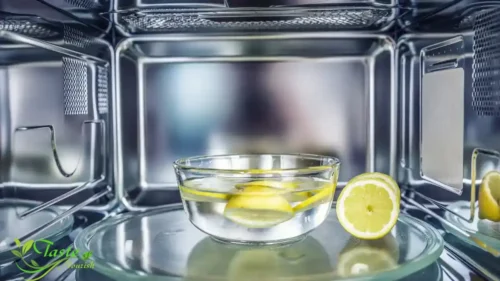
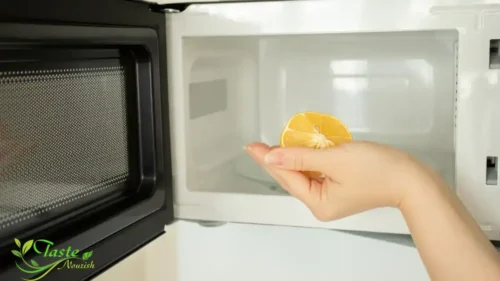
- Prepare the Lemon Solution: Cut one lemon in half and squeeze the juice into a microwave-safe bowl. Drop the lemon halves into the bowl as well—this maximizes the citric acid and essential oils released during heating.
- Add Water: Fill the bowl with about one cup of water. The water doesn’t need to cover the lemon halves completely; you’re looking for enough liquid to create steam.
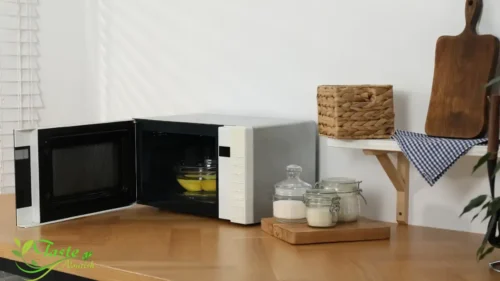
- Microwave on High: Place the bowl in the microwave and heat on high power for 3-5 minutes. You want the water to come to a boil and create plenty of steam. The exact time will depend on your microwave’s wattage.
- Let It Sit: This is crucial—don’t open the door immediately! Let the bowl sit inside the closed microwave for an additional 5 minutes. This allows the steam to continue working on loosening the grime.
- Carefully Remove the Bowl: The bowl will be extremely hot, so use oven mitts or a towel. Be cautious of the steam when opening the door.
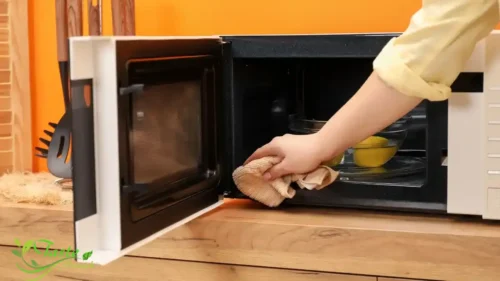
- Wipe Down: Using a clean cloth or sponge, wipe down all interior surfaces. The grime should come off easily. For the turntable, you can remove it and wash it in the sink with dish soap.
- Tackle Stubborn Spots: If any areas are still dirty, dip your cloth in the remaining lemon water and scrub gently.
Method 2: Lemon Halves Direct Scrubbing
For particularly stubborn stains or if you prefer a more hands-on approach, this method gives you direct scrubbing power.
Steps:
- Cut a lemon in half and dip the cut side in baking soda (optional, but adds extra scrubbing power).
- Use the lemon half as a scrubber directly on stained or greasy areas.
- The combination of citric acid and the physical scrubbing action will remove even baked-on messes.
- Wipe clean with a damp cloth afterward.
Method 3: Lemon and Vinegar Combination
For the truly neglected microwave, combining lemon with white vinegar creates a cleaning powerhouse.
Steps:
- Mix the juice of one lemon with half a cup of white vinegar in a microwave-safe bowl.
- Add one cup of water.
- Follow the same heating and steaming process as Method 1.
- The acetic acid in vinegar combined with citric acid provides double the cleaning power.
Materials You’ll Need
Here’s a complete list of everything you might need for all three methods:
| Item | Purpose | Alternatives |
|---|---|---|
| Fresh lemons (1-2) | Primary cleaning agent | Bottled lemon juice (less effective) |
| Microwave-safe bowl | Holding cleaning solution | Glass measuring cup |
| Water | Creating steam | Tap water is fine |
| Clean cloth/sponge | Wiping surfaces | Paper towels (less eco-friendly) |
| Oven mitts | Safe handling | Kitchen towel |
| Baking soda (optional) | Extra scrubbing power | Salt |
| White vinegar (optional) | Enhanced cleaning | None necessary |
The Chemistry: How Lemon Actually Cleans
Understanding the science behind why lemon works so well can help you appreciate this method even more—and trust that it’s genuinely effective, not just a folk remedy.
Citric Acid and Grease Breakdown
Citric acid is what chemists call a “chelating agent.” This means it binds to minerals and metals, breaking down their structure. When it comes to food grease and grime, citric acid disrupts the molecular bonds holding the mess together. The acid also helps emulsify fats, allowing them to be wiped away easily with water. The heat from microwaving accelerates these chemical reactions, making the process even faster.
Antibacterial Properties of Lemon
Research has demonstrated that lemon juice possesses significant antibacterial activity against common foodborne pathogens. The low pH (typically around 2-3 for lemon juice) creates an acidic environment where most bacteria cannot survive. Additionally, compounds in lemon’s essential oils, such as limonene, have antimicrobial properties. This means you’re not just removing visible dirt—you’re actually sanitizing your microwave.
Additional Benefits of Using Lemon for Cleaning
The advantages of using lemon extend beyond just getting things clean.
Deodorizing Properties
Have you ever heated fish or broccoli in your microwave and then couldn’t get rid of the smell? Lemon’s fresh, citrus scent naturally neutralizes odors rather than just masking them. The essential oils released during the steaming process actually bind with odor-causing molecules, eliminating them completely. Your microwave will smell fresh and clean, not like artificial fragrances or chemicals.
Eco-Friendly and Non-Toxic
In an era where we’re increasingly conscious of our environmental impact, using lemon for cleaning is a genuinely sustainable choice. There are no harsh chemicals going down your drain, no plastic bottles ending up in landfills, and no toxic fumes released into your home. Lemon peels and halves are completely biodegradable and can even be composted after use.
Common Mistakes to Avoid When Cleaning a Microwave with Lemon
While cleaning with lemon is straightforward, there are a few pitfalls to watch out for:
Not using enough water: If you don’t add sufficient water to your bowl, it can boil dry, potentially damaging your microwave or even starting a fire. Always ensure you have at least one cup of water.
Overheating: Microwaving for too long can cause the water to boil over or superheat, which is dangerous. Stick to 3-5 minutes maximum.
Forgetting to let it sit: Opening the door immediately after heating wastes all that steam power. The sitting time is when most of the loosening happens.
Using dried-out lemons: Fresh lemons contain more juice and essential oils. Those rock-hard lemons that have been in your fridge for weeks won’t be as effective.
Not removing the turntable: Many people forget they can take out the turntable and wash it separately in the sink, where you can really get it clean.
Alternative Uses for Lemons in Kitchen Cleaning
Once you’ve discovered the power of lemon, you’ll want to use it everywhere in your kitchen:
- Cutting board sanitizing: Rub half a lemon over wooden cutting boards to remove stains and odors
- Garbage disposal freshening: Grind lemon peels in your disposal for a fresh scent
- Stainless steel polishing: Lemon juice can remove water spots from stainless steel sinks and appliances
- Copper and brass cleaning: The acid in lemon restores shine to tarnished metals
- Grease removal: Lemon cuts through grease on stovetops and range hoods
- Coffee and tea stain removal: Lemon can remove stubborn stains from mugs and teapots
Comparison: Lemon vs. Other Natural Cleaners
How does lemon stack up against other popular natural cleaning methods?
| Cleaning Method | Effectiveness | Cost | Odor | Safety | Eco-Friendliness |
|---|---|---|---|---|---|
| Lemon | Excellent | Low ($0.50-1.00) | Pleasant citrus | Very safe | Excellent |
| White vinegar | Excellent | Very low ($0.25) | Strong, unpleasant | Safe, but pungent | Excellent |
| Baking soda paste | Good | Very low ($0.10) | Neutral | Very safe | Excellent |
| Commercial cleaner | Excellent | High ($3-8) | Chemical/artificial | Potentially toxic | Poor |
| Dish soap & water | Moderate | Low ($0.15) | Varies | Very safe | Good |
As you can see, lemon offers an excellent balance of effectiveness, safety, and pleasant user experience.
How Often Should You Clean Your Microwave?
The frequency depends on how much you use your microwave, but here are general guidelines:
Weekly: If you use your microwave daily for multiple meals Bi-weekly: For moderate use (once daily or every other day) Monthly: For light users who only occasionally microwave food
However, you should do a quick wipe-down after any significant spill or splatter, regardless of your regular schedule. Think of it like wiping down your counters—you wouldn’t let a spill sit for weeks just because it’s not “cleaning day.”
Maintenance Tips to Keep Your Microwave Cleaner Longer
Prevention is always easier than deep cleaning. Here’s how to minimize microwave mess:
Use microwave covers: Invest in a microwave-safe cover or simply place a paper towel over food to prevent splatters.
Heat foods at lower power: High power settings cause more violent bubbling and splattering. Using 70-80% power takes slightly longer but creates much less mess.
Stir and rotate: Stopping to stir food halfway through prevents it from boiling over.
Clean spills immediately: If something does splatter, wipe it up while the microwave is still warm. The residue comes off much easier before it has time to harden.
Use proper containers: Make sure your dishes aren’t too full and that they’re microwave-safe. Containers that are too small for their contents are guaranteed to overflow.
Weekly quick steam: Even when your microwave looks clean, do a quick lemon steam once a week. It takes just 5 minutes and prevents buildup from ever becoming a problem.
Conclusion
Cleaning your microwave with lemon isn’t just a trendy life hack—it’s a scientifically sound, cost-effective, and environmentally friendly method that actually works. The citric acid and essential oils in lemons break down grease and grime while simultaneously sanitizing and deodorizing your appliance. Whether you choose the simple steam method, direct scrubbing, or the powerful lemon-vinegar combination, you’ll achieve sparkling results without exposing your family to harsh chemicals.
The beauty of this method lies in its simplicity. You don’t need specialized products, complicated techniques, or hours of elbow grease. Just a lemon, some water, and five minutes of your time stand between you and a perfectly clean microwave. Plus, knowing that you’re using a natural, biodegradable cleaning solution makes the whole process feel good on multiple levels.
So next time your microwave needs attention, skip the chemical sprays and reach for a lemon instead. Your microwave (and your nose) will thank you. And who knows? Once you experience how well this works, you might find yourself using lemons for cleaning projects all over your kitchen. There’s something deeply satisfying about solving a modern problem with a solution that’s as old as citrus itself.
FAQs
1. Can I use bottled lemon juice instead of fresh lemons?
While bottled lemon juice will work, fresh lemons are significantly more effective. Fresh lemons contain essential oils in their peels that contribute to both cleaning power and pleasant scent. If you must use bottled juice, use about twice as much as you would fresh lemon juice, and consider adding a few drops of lemon essential oil to compensate for the missing oils.
2. Will cleaning with lemon damage my microwave’s interior coating?
No, lemon is safe for all microwave interiors, including painted surfaces, stainless steel, and ceramic. The acid concentration is mild enough that it won’t damage the coating, even with regular use. However, avoid using abrasive scrubbers like steel wool, which can scratch surfaces regardless of what cleaning solution you use.
3. How long does the fresh lemon scent last in my microwave?
The pleasant citrus aroma typically lasts for 24-48 hours after cleaning, depending on how much you use your microwave. Each time you heat something, the scent will diminish slightly. If you love the fresh smell, you can maintain it by doing a quick 2-minute lemon steam weekly, even when deep cleaning isn’t necessary.
4. Can I save the used lemon water for multiple cleaning sessions?
It’s best to use fresh lemon solution each time for maximum effectiveness. The citric acid concentration decreases after heating, and the solution can develop bacteria if stored. However, you can use the leftover lemon water for other cleaning tasks immediately after your microwave session—it works great on countertops, sinks, or stovetops.
5. What should I do if my microwave has extremely baked-on, crusty stains that won’t come off with lemon alone?
For particularly stubborn stains, try this enhanced method: after the lemon steam treatment, make a paste of baking soda and a little lemon juice. Apply this paste to the stubborn areas and let it sit for 10-15 minutes before gently scrubbing with a non-abrasive sponge. The combination of citric acid and baking soda’s mild abrasiveness should remove even the most challenging stains. If that doesn’t work, you may need to repeat the lemon steam process 2-3 times for heavily neglected microwaves.
Scientific Sources:
- Rutala, W. A., & Weber, D. J. (2019). “Guideline for Disinfection and Sterilization in Healthcare Facilities.” Centers for Disease Control and Prevention. https://www.cdc.gov/infectioncontrol/guidelines/disinfection/
- Penniston, K. L., et al. (2008). “Quantitative Assessment of Citric Acid in Lemon Juice, Lime Juice, and Commercially Available Fruit Juice Products.” Journal of Endourology, 22(3), 567-570. https://www.liebertpub.com/doi/10.1089/end.2007.0304
- Viuda-Martos, M., et al. (2008). “Antibacterial Activity of Lemon (Citrus lemon L.), Mandarin (Citrus reticulata L.), Grapefruit (Citrus paradisi L.) and Orange (Citrus sinensis L.) Essential Oils.” Journal of Food Safety, 28(4), 567-576. https://onlinelibrary.wiley.com/journal/17454565