
Cheese Potatoes Recipe Guide | Nutrition Facts, Calories & Expert Tips for the Ultimate Comfort Food
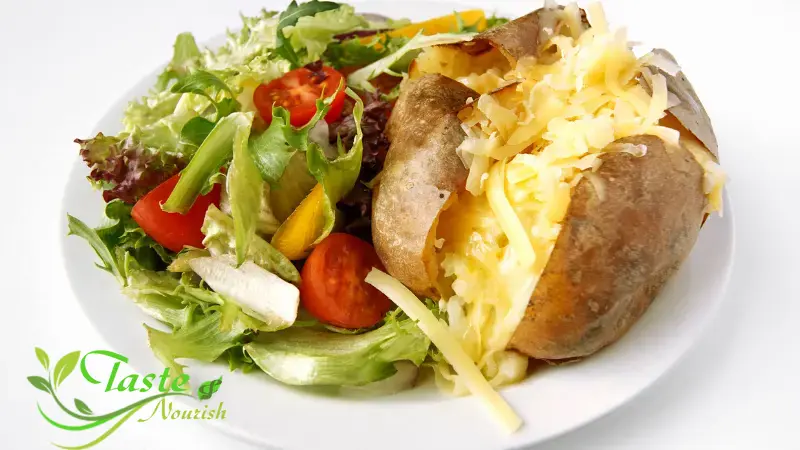
Have you ever wondered why the combination of cheese and potatoes feels like a warm hug on a cold day? There’s something magical about this pairing that transcends simple cooking. Whether you call them funeral potatoes, cheesy spuds, or au gratin, cheese potatoes represent the pinnacle of comfort food. But there’s so much more to this beloved dish than meets the eye.
What Are Cheese Potatoes?
Cheese potatoes are exactly what they sound like: potatoes prepared with cheese as a primary ingredient. But this simple description doesn’t do justice to the incredible variety and complexity this dish can offer. At its core, the dish combines starchy potatoes with melted cheese, creating a creamy, indulgent experience that satisfies on multiple levels.
The potatoes can be sliced, diced, mashed, or kept whole. The cheese might be mixed throughout, layered between potato sections, or melted on top as a golden crust. Some versions include cream or milk for extra richness, while others rely solely on the cheese for moisture and flavor.
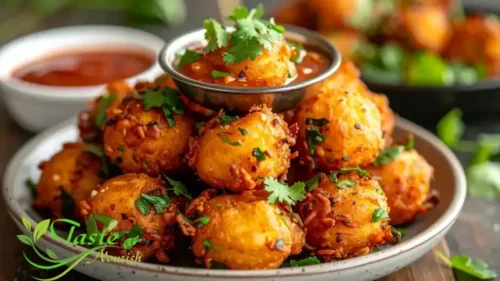
Why Cheese Potatoes Are So Popular
The Science Behind the Craving
Why do we crave cheese potatoes so intensely? Science has some answers. Potatoes contain high levels of carbohydrates that quickly convert to glucose, giving your brain an immediate energy boost. Meanwhile, cheese provides protein and fat, which trigger the release of dopamine in your brain’s reward center.
The combination creates what nutritionists call “hedonic eating”—eating purely for pleasure rather than hunger. The starchy potatoes also act as a perfect vehicle for the cheese, creating a texture contrast that keeps your taste buds engaged. Add the Maillard reaction (that beautiful browning on top), and you’ve got a dish that hits every pleasure point.
Comfort Food Psychology
Beyond the chemistry, there’s psychology at play. Cheese potatoes often connect to positive memories: family dinners, holiday gatherings, or grandma’s kitchen. These associations make the food taste even better because you’re not just eating—you’re experiencing nostalgia. Food psychologists call this “emotional eating,” and it’s not necessarily a bad thing when enjoyed mindfully.
Nutritional Profile of Cheese Potatoes
Calorie Content Breakdown
Let’s get real about the numbers. Cheese potatoes aren’t exactly diet food, but understanding their nutritional content helps you make informed choices.
Table 1: Calorie Comparison of Different Cheese Potato Preparations (per 1 cup serving)
| Preparation Type | Calories | Fat (g) | Saturated Fat (g) | Carbs (g) | Protein (g) | Sodium (mg) |
|---|---|---|---|---|---|---|
| Classic Cheesy Mashed | 280-350 | 14-18 | 8-11 | 32-38 | 10-14 | 450-650 |
| Au Gratin Potatoes | 320-400 | 18-24 | 11-15 | 30-35 | 12-16 | 580-780 |
| Funeral Potatoes | 300-380 | 16-22 | 9-13 | 33-39 | 11-15 | 520-720 |
| Twice-Baked with Cheese | 340-420 | 17-23 | 10-14 | 35-42 | 13-17 | 480-680 |
| Low-Fat Version | 180-230 | 5-8 | 2-4 | 30-36 | 9-12 | 320-450 |
Macronutrients Analysis
Cheese potatoes deliver a significant amount of carbohydrates—primarily from the potatoes themselves. A typical serving provides 30-40 grams of carbs, which represents about 10-13% of the daily recommended intake for a 2,000-calorie diet.
The fat content varies dramatically based on the type and amount of cheese used. Full-fat versions can contain 15-25 grams of fat per serving, with roughly half coming from saturated fat. This accounts for a substantial portion of your daily fat allowance.
Protein content is actually one of the bright spots. With 10-17 grams per serving, potatoes provide a decent protein boost, primarily from the dairy. This makes them more satisfying and helps with muscle maintenance and repair.
Table 2: Detailed Nutritional Information (per 1 cup of Classic Funeral Potatoes)
| Nutrient | Amount | % Daily Value |
|---|---|---|
| Calories | 340 | 17% |
| Total Fat | 18g | 23% |
| Saturated Fat | 11g | 55% |
| Trans Fat | 0.5g | – |
| Cholesterol | 55mg | 18% |
| Sodium | 620mg | 27% |
| Total Carbohydrates | 35g | 13% |
| Dietary Fiber | 3g | 11% |
| Total Sugars | 3g | – |
| Protein | 13g | 26% |
| Vitamin D | 0.4mcg | 2% |
| Calcium | 280mg | 22% |
| Iron | 1.2mg | 7% |
| Potassium | 620mg | 13% |
| Vitamin A | 520IU | 10% |
| Vitamin C | 12mg | 13% |
Micronutrients and Vitamins
Don’t dismiss cheese potatoes as nutritionally empty. Potatoes themselves are excellent sources of potassium, vitamin C, and vitamin B6. A single medium potato contains more potassium than a banana. When you add cheese, you’re introducing calcium, vitamin A, and phosphorus into the mix.
The problem isn’t that cheese potatoes lack nutrients—it’s that the calorie density makes it easy to overconsume. One serving occasionally won’t derail a healthy diet, but making it a daily staple could create imbalances.
Different Types of Cheese Potatoes
Twice-Baked Cheese Potatoes
Twice-baked potatoes take the concept to another level. You bake the potatoes once, scoop out the flesh, mix it with cheese, butter, and seasonings, then stuff everything back into the potato skins and bake again. The result? A crispy exterior with an impossibly creamy, cheesy interior.
This preparation allows for incredible customization. Add bacon bits, chives, or jalapeños. Use different cheese combinations. The potato skin acts as an edible bowl, making portion control easier and presentation more impressive.
Cheesy Mashed Potatoes
Perhaps the most straightforward preparation, cheesy mashed potatoes simply fold shredded or cubed cheese into freshly mashed potatoes. The heat melts the cheese, creating pockets of gooey goodness throughout.
The key here is timing. Add the cheese while the potatoes are still piping hot, and stir gently to create streaks of melted cheese rather than completely homogenizing everything. This creates textural interest that makes every bite slightly different.
Funeral Potatoes (Cheesy Potato Casserole)
This Mormon church staple deserves special recognition. Traditional funeral potatoes combine cubed potatoes (often from frozen hash browns), cheese soup, sour cream, melted butter, and topped with crushed cornflakes or potato chips. The result is simultaneously crunchy, creamy, tangy, and rich.
What makes funeral potatoes special is their make-ahead convenience. You can assemble everything the night before, refrigerate, and bake when needed. They reheat beautifully, which explains their popularity at gatherings.
Au Gratin Potatoes
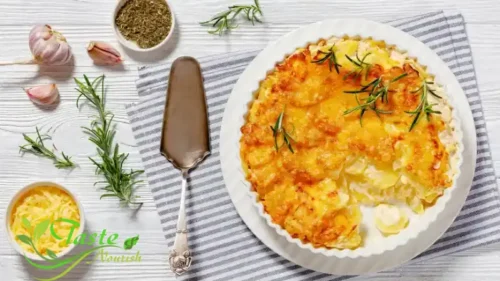
French in origin, potatoes au gratin feature thinly sliced potatoes layered with cream and cheese, then baked until bubbly and golden. The thin slices cook quickly and absorb the cream, while the cheese creates a crusty top layer that provides textural contrast.
True au gratin uses Gruyere cheese, which melts smoothly and provides a slightly nutty flavor. However, American versions often substitute cheddar for a sharper taste and more pronounced cheese flavor.
♦ Regional Variations Around the World
Cheese potatoes appear in cuisines worldwide, each with unique twists. In Switzerland, raclette involves melting cheese and scraping it over boiled potatoes. In Canada, poutine tops fries with cheese curds and gravy. In Peru, papa a la huancaína features potatoes in a spicy cheese sauce. These variations prove that the cheese-potato combination transcends cultural boundaries.
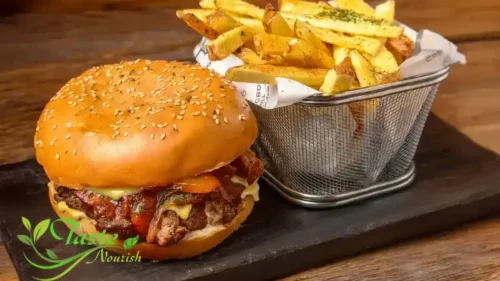
Health Considerations and Benefits
Potential Health Benefits
Before you feel guilty, consider some positive aspects. Potatoes are actually nutrient-dense vegetables when prepared simply. They provide resistant starch (especially when cooled and reheated), which acts as a prebiotic, feeding beneficial gut bacteria. Cheese supplies calcium for bone health and conjugated linoleic acid, which some studies suggest may have anti-cancer properties.
The combination also provides satiety. The protein and fat from cheese slow digestion, helping you feel full longer. This can actually prevent overeating later if you practice proper portion control.
Common Health Concerns
The elephant in the room is the calorie and saturated fat content. Regular consumption of high-calorie, high-fat dishes contributes to weight gain and cardiovascular issues. The sodium content also concerns those monitoring blood pressure.
Additionally, people with lactose intolerance need to approach cheese potatoes carefully. While hard cheeses contain less lactose than milk, the cream often added to these dishes can trigger symptoms.
Making Healthier Versions
You don’t have to abandon cheese potatoes entirely. Try these modifications:
- Use Greek yogurt instead of sour cream to cut calories while maintaining creaminess
- Choose sharp cheese so you need less for the same flavor impact
- Add vegetables like broccoli, cauliflower, or spinach to increase fiber and nutrients
- Use sweet potatoes for added vitamin A and fiber
- Reduce butter and use olive oil spray instead
- Try nutritional yeast as a cheese substitute for a lower-calorie option with a savory taste
These swaps can reduce calories by 30-40% while maintaining satisfaction.
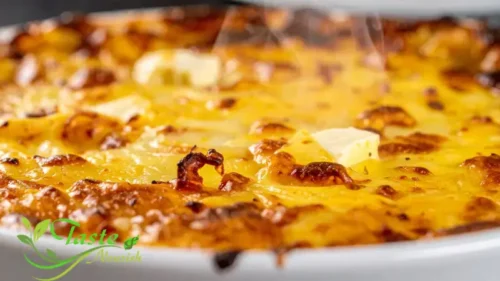
Best Cheese Varieties for Potato Dishes
Cheddar vs. Mozzarella
Cheddar remains the most popular choice for cheese potatoes. Sharp cheddar delivers intense flavor, while mild cheddar provides creaminess without overwhelming other ingredients. Cheddar also melts well and browns beautifully under the broiler.
Mozzarella offers a different experience. It creates those Instagram-worthy cheese pulls and has a milder taste that doesn’t compete with other flavors. However, it can become rubbery if overcooked, so use it in combination with other cheeses rather than alone.
Parmesan and Gruyere Options
Parmesan adds a salty, umami-rich dimension that elevates cheese potatoes from simple comfort food to something more sophisticated. Use it grated on top for a crispy crust or mixed throughout for depth of flavor.
Gruyere is the gold standard for au gratin potatoes. This Swiss cheese melts perfectly, creating a smooth, creamy sauce without separating. Its slightly sweet, nutty flavor complements potatoes without overpowering them.
Combining Multiple Cheeses
Why choose one when you can have several? A classic three-cheese blend might include:
- Cheddar for flavor and color
- Mozzarella for texture and stretch
- Parmesan for saltiness and crust
This combination covers all bases: flavor, texture, and appearance. The different melting points create layers of complexity as the dish cooks.
Methods and Techniques for Cooking Potatoes with Cheese
Baking vs. Grilling
Baking remains the classic method for cheese potatoes. A 350-375°F oven allows even cooking, melts the cheese gradually, and develops that golden-brown crust everyone loves. Cover with foil initially to prevent burning, then remove it for the last 15-20 minutes to achieve color.
Grilling adds smokiness that transforms the dish. Wrap cheese potatoes in heavy-duty foil with sealed edges, and place on medium heat for 30-40 minutes, turning occasionally. The indirect heat mimics oven-baking while adding outdoor flavor.
Slow Cooker Preparations
Slow cookers excel at making cheese potatoes hands-off. Layer sliced potatoes with cheese, cream, and seasonings, then cook on low for 6-8 hours or high for 3-4 hours. The extended cooking time breaks down the potato starches, creating an almost pudding-like texture that’s incredibly comforting.
The downside? You won’t get that crispy top. Solve this by transferring everything to a baking dish and broiling for 5 minutes before serving.
Air Fryer Options
Air fryers are revolutionizing cheese potato preparation. Cube potatoes, toss with a small amount of oil, and air fry at 380°F for 15-20 minutes, shaking occasionally. Add shredded cheese for the final 2-3 minutes, allowing it to melt without becoming greasy.
This method uses significantly less oil than traditional preparations while still achieving crispy exteriors. It’s faster than oven-baking and produces similar results with fewer calories.
Perfect Pairings and Serving Suggestions
Main Course Combinations
Cheese potatoes complement protein-rich main courses beautifully. They’re classics alongside:
- Grilled steak or prime rib (the richness matches)
- Roasted chicken or turkey (perfect for holidays)
- Baked ham (the sweetness contrasts with savory cheese)
- Barbecue ribs or pulled pork (comfort food on comfort food)
The key is balancing the richness. If your main dish is heavy, consider a lighter preparation of cheese potatoes or smaller portions.
Side Dish Considerations
When serving cheese potatoes as a side, balance the meal with lighter elements. A crisp green salad with vinaigrette cuts through the richness. Steamed vegetables add color and nutrition without competing for attention. Dinner rolls are probably overkill—you don’t need double starches on one plate.
Storage and Meal Prep Tips
Refrigeration Guidelines
Store leftover cheese potatoes in an airtight container in the refrigerator for up to 3-4 days. The cream-based versions may separate slightly upon storage, but a quick stir usually brings them back together.
To reheat, use the oven rather than the microwave when possible. Cover with foil and heat at 350°F until warmed through. This prevents drying out and maintains texture better than microwave reheating, which can make potatoes rubbery.
Freezing and Reheating
Most cheese potato preparations freeze reasonably well for up to 3 months. Cool completely before freezing, and wrap tightly to prevent freezer burn. Cream-based versions may experience slight texture changes—the sauce might look grainy when thawed—but taste remains good.
Thaw overnight in the refrigerator, then reheat covered in a 325°F oven for 30-40 minutes. Add a splash of milk or cream if the mixture seems dry.
Common Mistakes to Avoid
Even experienced cooks make errors with cheese potatoes. Here are pitfalls to avoid:
Using the wrong potato variety. Russet potatoes work best for most preparations because their high starch content creates fluffiness. Waxy potatoes like red potatoes hold their shape better for au gratin-style dishes.
Overcooking the cheese. High heat or extended cooking causes cheese to separate, becoming greasy and grainy. Add cheese near the end of cooking or use lower temperatures for gentler melting.
Underseasoning. Potatoes need aggressive seasoning. Salt each layer of a casserole rather than relying on the cheese alone for flavor.
Cutting potatoes unevenly. Inconsistent sizes cook at different rates, resulting in some pieces being mushy while others remain hard. Use a mandoline for uniform slices or take time to cut carefully.
Skipping the resting period. Allow cheese potatoes to rest for 10-15 minutes after removing them from the oven. This lets the sauce thicken and makes serving easier.
Origins and Cultural Significance
While the exact origin of cheese potatoes is difficult to pinpoint, the dish has roots in European cuisine, particularly in French and Swiss cooking traditions. The French gave us gratin dauphinois, while the Swiss contributed raclette-style preparations. When European immigrants brought these techniques to America, they evolved into regional favorites like funeral potatoes in the Mountain West and cheesy potato casseroles across the Midwest.
The name “funeral potatoes” might sound morbid, but it actually reflects the dish’s role as comfort food during difficult times. These potatoes became a staple at church gatherings, potlucks, and memorial services because they’re easy to make in large quantities and provide genuine comfort when people need it most.
Conclusion
Cheese potatoes represent more than just a side dish—they’re a cultural phenomenon that brings people together. Whether you’re making twice-baked potatoes for a weeknight dinner, funeral potatoes for a church potluck, or au gratin for a holiday feast, you’re participating in a comfort food tradition that spans generations and cultures.
Yes, they’re indulgent. Yes, they’re calorie-dense. But food is about more than just nutrients on a label. It’s about joy, connection, and occasional indulgence that makes life worth living. The key is balance. Enjoy cheese potatoes in moderation, try healthier versions when possible, and savor every bite without guilt.
Now that you understand everything about cheese potatoes—from their nutritional profile to cooking techniques—you’re equipped to make informed decisions about when and how to enjoy this beloved dish. So go ahead, preheat that oven, and create some cheesy magic. Your taste buds will thank you.
Frequently Asked Questions (FAQs)
1. Can I make cheese potatoes ahead of time for a party?
Absolutely! Cheese potatoes are perfect make-ahead dishes. Assemble your casserole completely, cover tightly with plastic wrap and aluminum foil, and refrigerate for up to 24 hours before baking. Add an extra 10-15 minutes to the baking time since you’re starting from cold. For twice-baked potatoes, prepare them completely, freeze individually on a baking sheet, then transfer to freezer bags. Bake from frozen, adding 20-30 minutes to the cooking time.
2. What’s the best way to keep cheese potatoes from becoming watery?
Watery cheese potatoes usually result from excess moisture in the potatoes or too much liquid in the recipe. Pat your potatoes dry after washing and before cooking. If using frozen hash browns, thaw them completely and squeeze out excess moisture using a clean kitchen towel. Also, don’t add too much cream or milk—start with less than the recipe calls for, as you can always add more if needed. Finally, let the dish rest for 10 minutes after baking so the sauce can thicken properly.
3. Can people with lactose intolerance eat cheese potatoes?
Standard cheese potatoes contain significant lactose from both cheese and cream, which can trigger symptoms in lactose-intolerant individuals. However, there are solutions. Use lactose-free milk and cream, choose aged hard cheeses (which contain minimal lactose), or try lactase enzyme supplements before eating. Alternatively, use dairy-free cheese alternatives made from nuts or soy, though the taste and texture will differ from traditional versions. Many people with mild lactose intolerance can handle small portions without issues.
4. Why do my cheese potatoes turn out dry and not creamy?
Dry cheese potatoes typically result from insufficient liquid, overcooking, or using the wrong type of potato. Ensure you’re using enough cream, milk, or cheese sauce—the mixture should look almost too wet before baking, as potatoes absorb liquid during cooking. Cover your dish with foil for most of the baking time to trap steam. Use starchy potatoes like Russets for creamier results. If your potatoes still turn out dry, try lowering your oven temperature and extending the cooking time for gentler heat that won’t evaporate moisture as quickly.
5. What’s the healthiest cheese to use in cheese potatoes?
For the healthiest option while maintaining good flavor, consider part-skim mozzarella, which provides protein and calcium with less saturated fat than full-fat varieties. Reduced-fat sharp cheddar delivers strong flavor so you can use less. Parmesan offers intense taste in small amounts, meaning a little goes a long way. Goat cheese provides a tangy flavor with fewer calories than many cow’s milk cheeses. Remember that “healthiest” doesn’t mean you need to sacrifice all enjoyment—using smaller amounts of full-fat, high-quality cheese often satisfies more than larger quantities of low-fat alternatives.
Scientific Sources:
-
- Harvard T.H. Chan School of Public Health – The Nutrition Source: Potatoes – https://www.hsph.harvard.edu/nutritionsource/food-features/potatoes/
- National Institutes of Health – Office of Dietary Supplements: Calcium Fact Sheet – https://ods.od.nih.gov/factsheets/Calcium-HealthProfessional/