
Blood Orange Juice | Complete Nutrition Guide, Health Benefits & Calorie Breakdown (2025)
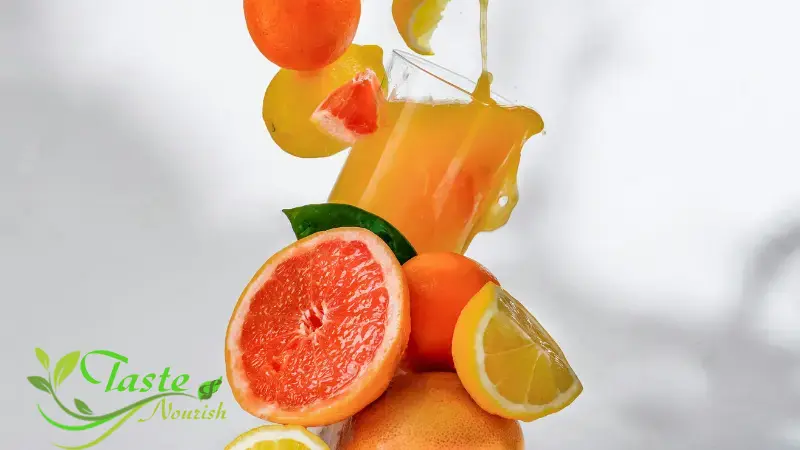
Have you ever wondered why some orange juice looks like it’s been kissed by crimson sunsets? That’s the magic of blood orange juice – a beverage that’s not just visually stunning but packed with benefits that regular orange juice can only dream about. Let me take you on a journey through everything you need to know about this remarkable drink.
What Makes Blood Orange Juice Special?
Blood orange juice isn’t your average morning beverage. While your standard orange juice sits comfortably in its yellow-orange comfort zone, blood orange juice breaks all the rules with its deep red to burgundy hues. But here’s the thing – this isn’t just about looking pretty in your glass.
The Anthocyanin Difference
The secret behind that gorgeous color? Anthocyanins. These are the same powerful compounds you’ll find in blueberries, red cabbage, and purple grapes. Think of anthocyanins as nature’s paint brushes, but instead of just adding color, they’re working overtime as antioxidants in your body. These pigments only develop when blood oranges grow in regions with cool nighttime temperatures, which is why they’re particularly associated with Mediterranean climates.
What’s fascinating is that anthocyanins aren’t just sitting there looking beautiful – they’re actively fighting inflammation, protecting your cells from damage, and potentially reducing your risk of chronic diseases. It’s like getting a health boost and a visual feast all in one sip.
Origins and Varieties
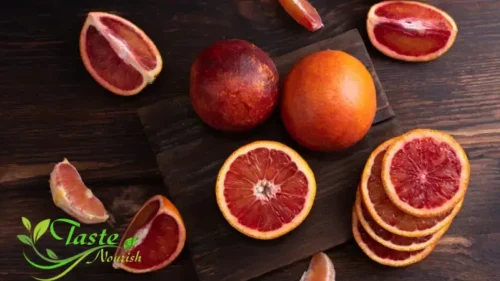
Blood oranges have been cultivating their reputation since the 15th century, primarily in Sicily, Italy. Today, three main varieties dominate the market: Moro (the darkest and most intensely flavored), Tarocco (sweeter and medium-toned), and Sanguinello (lighter with a hint of raspberry flavor). Each variety brings its own personality to the juice, but all share that distinctive anthocyanin advantage.
Nutritional Profile of Blood Orange Juice
Let’s talk numbers – because understanding what you’re putting into your body matters, right?
Calorie Content and Macronutrients
Here’s a detailed breakdown of what you’re getting in every glass:
| Serving Size | Calories | Carbohydrates | Sugars | Protein | Fat | Fiber |
|---|---|---|---|---|---|---|
| 1 cup (248g) fresh | 112 | 26g | 21g | 1.7g | 0.5g | 0.5g |
| 1 cup (248g) commercial | 110-120 | 26-28g | 22-24g | 1.5g | 0g | 0g |
| 4 oz (120ml) fresh | 56 | 13g | 10.5g | 0.8g | 0.25g | 0.25g |
| 8 oz (240ml) fresh | 108 | 25g | 20g | 1.6g | 0.5g | 0.5g |
| 12 oz (355ml) fresh | 162 | 37.5g | 30g | 2.4g | 0.75g | 0.75g |
Vitamin and Mineral Composition
Blood orange juice is basically a multivitamin in liquid form. Check out this impressive lineup:
| Nutrient | Amount per 1 cup | % Daily Value |
|---|---|---|
| Vitamin C | 96mg | 107% |
| Folate | 74mcg | 19% |
| Thiamin (B1) | 0.2mg | 15% |
| Potassium | 496mg | 11% |
| Vitamin A | 496 IU | 10% |
| Calcium | 27mg | 2% |
| Magnesium | 27mg | 6% |
| Phosphorus | 42mg | 3% |
Notice that vitamin C percentage? You’re getting more than your entire daily requirement in just one cup. That’s like hitting the nutritional jackpot before you even finish breakfast.
Antioxidant Power
Beyond the standard vitamins and minerals, blood orange juice contains unique flavonoids and anthocyanins that regular orange juice lacks. These include cyanidin-3-glucoside, the primary anthocyanin responsible for that red color, along with hesperidin and hydroxycinnamic acid. Together, these compounds create an antioxidant profile that’s significantly more robust than regular orange juice.
Health Benefits You Can’t Ignore
Now we’re getting to the good stuff – what can blood orange juice actually do for you?
Cardiovascular Health Support
Your heart will thank you for drinking blood orange juice. Studies have shown that the anthocyanins and flavonoids in blood oranges can help reduce inflammation in blood vessels, lower bad cholesterol levels, and improve overall cardiovascular function. It’s like giving your circulatory system a gentle, delicious tune-up.
Think of your blood vessels as highways. Over time, they can get clogged with inflammatory markers and oxidative stress. Blood orange juice acts like a maintenance crew, helping keep those pathways clear and functioning smoothly.
Immune System Enhancement
That massive dose of vitamin C isn’t just for show. Your immune system relies on vitamin C to produce white blood cells, which are your body’s first line of defense against infections. But here’s where blood orange juice goes beyond regular OJ – those anthocyanins provide additional immune support by reducing inflammatory responses that can weaken your defenses.
Skin Health and Anti-Aging Properties
Want glowing skin? Blood orange juice might be your secret weapon. The combination of vitamin C (essential for collagen production) and anthocyanins (protecting against UV damage and oxidative stress) creates a powerful duo for maintaining youthful, healthy skin. It’s like drinking your skincare routine – though of course, you should still use sunscreen!
Weight Management Support
Here’s something interesting: despite containing natural sugars, blood orange juice can actually support weight management when consumed in moderation. The anthocyanins have been shown to help regulate metabolism and may reduce fat accumulation. Plus, the fiber content (especially if you include some pulp) helps you feel fuller longer.
How Blood Orange Juice Compares to Regular Orange Juice
Let’s settle this once and for all – is blood orange juice really that different from regular orange juice?
Nutritional Differences
Here’s a side-by-side comparison that might surprise you:
| Nutrient | Blood Orange Juice (1 cup) | Regular Orange Juice (1 cup) |
|---|---|---|
| Calories | 112 | 112 |
| Vitamin C | 96mg | 124mg |
| Anthocyanins | 40-50mg | 0mg |
| Total Antioxidants | High (ORAC 2000+) | Moderate (ORAC 1200) |
| Folate | 74mcg | 74mcg |
| Potassium | 496mg | 496mg |
While regular orange juice edges out blood orange juice slightly in vitamin C content, blood orange juice dominates in antioxidant capacity. It’s not about which is “better” – it’s about what your body needs.
Taste Profile Comparison
If regular orange juice is a sunny day at the beach, blood orange juice is a sunset walk through a Mediterranean grove. Blood orange juice typically has a more complex flavor profile with hints of raspberry, less acidity, and a subtle berry-like sweetness. Some people describe it as more sophisticated, while others simply find it more interesting on the palate.
The Science Behind Blood Oranges
Let’s dive into what research actually tells us about these ruby-hued fruits.
Anthocyanin Research
Recent studies have illuminated the remarkable properties of anthocyanins found in blood oranges. These compounds don’t just provide color – they’re bioactive molecules that interact with your body at the cellular level. Research has shown they can cross the blood-brain barrier, potentially offering neuroprotective benefits that regular citrus fruits can’t provide.
Clinical Studies on Health Benefits
Multiple clinical trials have examined blood orange juice specifically. One notable study found that regular consumption of blood orange juice for 12 weeks significantly improved endothelial function (how well your blood vessels work) in adults with moderate cardiovascular risk. Another study demonstrated that blood orange anthocyanins could reduce markers of inflammation more effectively than other citrus varieties.
Best Ways to Consume Blood Orange Juice
You’ve got the juice – now how do you make the most of it?
Fresh vs. Store-Bought
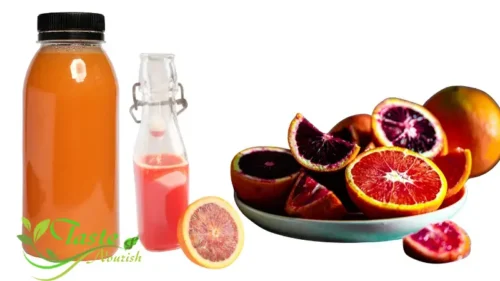
Fresh-squeezed blood orange juice is the gold standard, no question. You’re getting maximum nutrients, no added preservatives, and the freshest flavor possible. However, store-bought options have come a long way. Look for cold-pressed varieties with no added sugars and minimal processing. The key is reading labels carefully – if the ingredient list says anything beyond “blood oranges,” you might want to keep shopping.
Optimal Consumption Times
Here’s a question nobody asks but everyone should: when’s the best time to drink blood orange juice? Morning is traditional for good reason – that vitamin C boost helps kickstart your immune system and metabolism. However, drinking it about 30 minutes before exercise can provide quick energy and antioxidant protection during your workout. Some people even enjoy a small glass before bed, as the natural sugars won’t spike your blood sugar as dramatically as processed sweets might.
Serving Suggestions
Don’t just drink it straight (though that’s perfectly fine). Try these creative serving ideas:
- Mix it 50/50 with sparkling water for a refreshing spritzer
- Freeze it into ice cubes for smoothies or cocktails
- Warm it gently with cinnamon for a cozy winter drink
- Blend it with Greek yogurt and frozen berries for a nutritious smoothie
Making Your Own Blood Orange Juice at Home
Ready to become a home juicing expert? Let’s break it down.
Selection Tips
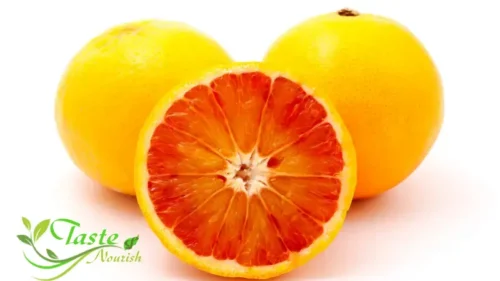
Choosing the right blood oranges is half the battle. Look for fruits that feel heavy for their size – that indicates juiciness. The skin should be firm but give slightly when pressed. Color can be deceiving; a less vibrant exterior doesn’t necessarily mean less flavor or color inside. Peak season runs from December through May, with February and March offering the best selection.
Juicing Techniques
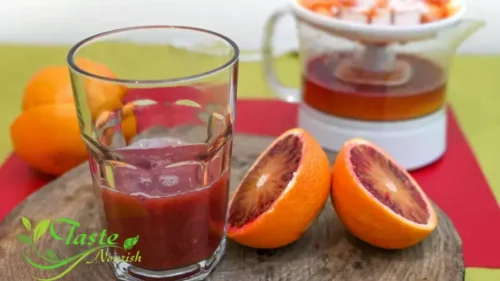
For maximum yield, roll your blood oranges firmly on the counter before juicing – this breaks down the internal segments and releases more juice. Room temperature oranges juice better than cold ones. If using a manual juicer, you’ll get about 1/3 to 1/2 cup of juice per medium blood orange. For an electric juicer, don’t remove all the pith – some of that white stuff contains beneficial flavonoids.
Storage Guidelines
Fresh blood orange juice is best consumed immediately, but life isn’t always that convenient. Store it in an airtight container in the refrigerator for up to 3 days. Want to extend that? Freeze it in ice cube trays or freezer-safe containers for up to 3 months. Just remember that some vitamin C will degrade over time, so fresher is always better.
Potential Side Effects and Considerations
Even nature’s best offerings come with a few caveats.
Sugar Content Concerns
Let’s address the elephant in the room: yes, blood orange juice contains sugar. About 21 grams per cup, to be exact. While this is natural fruit sugar accompanied by beneficial nutrients, it still impacts your blood glucose. If you’re managing diabetes or watching your sugar intake, stick to 4-6 ounces per serving and pair it with protein or fat to slow sugar absorption.
Medication Interactions
Here’s something critical that many people overlook: citrus juices, including blood orange juice, can interact with certain medications. The compounds in citrus can inhibit enzymes responsible for drug metabolism, potentially increasing medication levels in your bloodstream. This particularly affects statins, some blood pressure medications, and certain antihistamines. If you’re on any regular medications, chat with your healthcare provider before making blood orange juice a daily habit.
Allergies and Sensitivities
Citrus allergies are rare but real. Symptoms can range from mild (itchy mouth, tingling lips) to severe (difficulty breathing, anaphylaxis). Some people also experience acid reflux or heartburn from citrus juices due to their acidity. If you’re trying blood orange juice for the first time, start with a small amount and pay attention to how your body responds.
Blood Orange Juice in Culinary Applications
Blood orange juice isn’t just for drinking – it’s a culinary superstar.
Cocktails and Mocktails
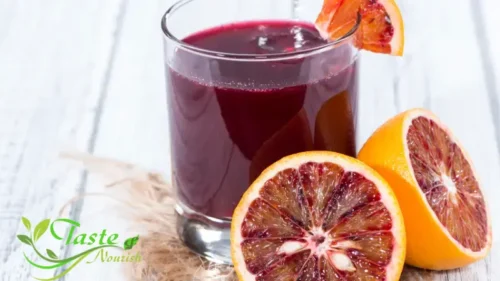
That gorgeous ruby color makes blood orange juice a bartender’s dream. It’s the star of classic cocktails like the Blood Orange Margarita, Blood Orange Mimosa, and Blood Orange Negroni. For mocktails, try combining it with fresh basil, ginger beer, and lime for a sophisticated non-alcoholic option that looks as good as it tastes.
Cooking and Baking
Blood orange juice can replace regular orange juice in virtually any recipe, but it really shines in these applications:
- Glazes for roasted meats (especially duck)
- Reductions for seafood dishes
- Cakes and muffins (that pink tint is naturally stunning)
- Sorbets and granitas
- Pan sauces for chicken or fish
The slightly lower acidity and complex flavor profile can actually improve many dishes, adding depth that regular orange juice can’t match.
Salad Dressings and Marinades
Blood orange juice makes incredible vinaigrettes. Combine it with good olive oil, Dijon mustard, and a touch of honey for a dressing that’ll make even the simplest salad sing. As a marinade base, it tenderizes meat while adding subtle citrus notes that won’t overpower other flavors.
Sustainability and Sourcing
In today’s world, where your food comes from matters just as much as what it contains.
Blood oranges are primarily grown in Mediterranean regions, particularly Sicily, Italy, but also in California and parts of Spain. The traditional Sicilian cultivation methods are often more sustainable, using fewer pesticides and relying on natural volcanic soil nutrients. When possible, look for organic certification or products from sustainable farms.
The water footprint of citrus production is moderate compared to many other fruits, requiring about 80 gallons of water per pound of fruit. However, the environmental impact varies significantly based on farming practices. Supporting brands that prioritize sustainable agriculture helps ensure blood oranges remain available for future generations while protecting the ecosystems where they grow.
Conclusion
Blood orange juice is so much more than just a pretty face in the juice aisle. It’s a nutritional powerhouse that combines the familiar benefits of citrus with unique anthocyanin advantages you won’t find in regular orange juice. From supporting heart health to potentially protecting your brain, from boosting your immune system to giving your skin that healthy glow – this ruby-red elixir delivers on multiple fronts.
Is it a miracle cure? Of course not. No single food is. But as part of a balanced diet, blood orange juice offers legitimate health benefits backed by science, all wrapped up in a delicious package that makes getting your nutrients actually enjoyable. Whether you’re juicing fresh blood oranges at home, selecting a quality store-bought option, or getting creative with culinary applications, you’re tapping into centuries of Mediterranean wisdom about the power of this extraordinary fruit.
So next time you’re reaching for your morning juice, consider going for that gorgeous red option. Your taste buds, your heart, and your cells will all thank you. Just remember – moderation is key, quality matters, and fresh is always best when possible.
FAQs
1. Is blood orange juice better for you than regular orange juice?
Blood orange juice isn’t necessarily “better” across the board, but it offers unique advantages. While regular orange juice contains slightly more vitamin C, blood orange juice provides powerful anthocyanins that regular oranges completely lack. These anthocyanins offer enhanced antioxidant protection and anti-inflammatory benefits. Think of it this way: regular orange juice is excellent for vitamin C and basic citrus benefits, while blood orange juice adds an extra layer of antioxidant protection. If you can afford it and find it readily available, alternating between both types gives you the best of both worlds.
2. Can I drink blood orange juice every day?
Yes, you can drink blood orange juice daily in moderation – typically 4-8 ounces per day. This amount gives you significant health benefits without excessive sugar intake. However, consider these factors: if you’re managing diabetes, stick to the lower end and pair it with protein or fat; if you’re on medications (especially statins or blood pressure medications), consult your doctor first; and if you’re watching calories, remember that juice doesn’t provide the same satiety as whole fruit. Daily consumption is fine for most healthy adults, but variety in your diet is always smart.
3. Why is blood orange juice more expensive than regular orange juice?
Several factors drive up the cost of blood orange juice. First, blood oranges have a shorter growing season (December to May) compared to regular oranges available year-round. Second, they require specific climate conditions – those cool nights that trigger anthocyanin production – limiting where they can be grown successfully. Third, blood oranges are often hand-harvested more carefully due to their delicate nature. Finally, supply and demand play a role; limited availability combined with increasing popularity keeps prices higher. You’re essentially paying for rarity, specific growing conditions, and those unique health-promoting compounds.
4. Does blood orange juice need to be refrigerated after opening?
Absolutely. Once opened, blood orange juice should be refrigerated immediately and consumed within 3 days for optimal freshness and safety. The natural sugars in juice create an ideal environment for bacterial growth at room temperature. Even commercially pasteurized juice, once exposed to air, becomes vulnerable to contamination. Store it in an airtight container to minimize oxidation, which degrades both flavor and nutrients, especially vitamin C. If you can’t finish it within 3 days, freeze it in portions – frozen blood orange juice maintains quality for up to 3 months, though some vitamin C will be lost over time.
5. Can blood orange juice help with weight loss?
Blood orange juice can support weight loss efforts when consumed strategically, but it’s not a magic solution. The anthocyanins in blood oranges have been shown to help regulate metabolism and may reduce fat accumulation. However, juice still contains calories and natural sugars – about 112 calories and 21 grams of sugar per cup. For weight loss, limit portions to 4 ounces daily, consume it as part of a balanced breakfast to control blood sugar spikes, and consider it a replacement for higher-calorie beverages rather than an addition. The key is viewing it as one component of a comprehensive healthy eating plan, not a weight loss shortcut. Whole blood oranges are generally better for weight loss than juice because the fiber helps with satiety.
Scientific References:
- Grosso, G., et al. (2013). “Red orange: experimental models and epidemiological evidence of its benefits on human health.” Oxidative Medicine and Cellular Longevity, 2013: 157240. https://www.ncbi.nlm.nih.gov/pmc/articles/PMC3819524/
- Cardile, V., et al. (2015). “Clinical evaluation of Moro (Citrus sinensis (L.) Osbeck) orange juice supplementation for the weight management.” Natural Product Research, 29(23): 2256-2260. https://pubmed.ncbi.nlm.nih.gov/25738695/
- Butelli, E., et al. (2012). “Enrichment of tomato fruit with health-promoting anthocyanins by expression of select transcription factors.” Nature Biotechnology, 30: 1222-1228. https://www.nature.com/articles/nbt.2506