
Benefits of Moringa Herb | 15+ Science-Backed Reasons This Miracle Tree Transforms Your Health

Benefits of Moringa Herb
Have you ever wondered if there’s a single plant that could address multiple health concerns while being incredibly nutritious? Enter moringa—a powerhouse herb that’s been quietly revolutionizing wellness routines worldwide. Often called the “miracle tree” or “drumstick tree,” moringa has been used for centuries in traditional medicine, and modern science is now catching up to validate what ancient healers knew all along.
Nutritional Profile of Moringa
Macronutrients and Micronutrients Breakdown
When we talk about nutrient density, moringa leaves stand in a league of their own. They contain all nine essential amino acids, making them a complete protein source—a rarity among plant foods. But that’s just the beginning.
Moringa leaves are exceptionally rich in vitamins A, C, and E, which work synergistically as powerful antioxidants. They also provide substantial amounts of calcium, potassium, iron, magnesium, and phosphorus. In fact, gram for gram, moringa leaves contain more vitamin C than oranges, more calcium than milk, more iron than spinach, and more potassium than bananas.
The protein content in moringa is particularly impressive for a plant source, containing approximately 27% protein by weight in dried leaf powder. This makes it an excellent supplement for vegetarians and vegans looking to boost their protein intake naturally.
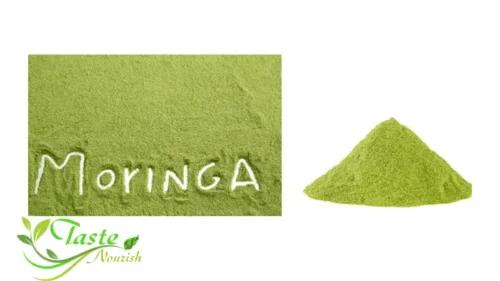
Calorie Content in Different Moringa Forms
Understanding the caloric content of moringa helps you incorporate it into your diet effectively without disrupting your nutritional goals.
| Moringa Form | Serving Size | Calories | Protein (g) | Carbs (g) | Fat (g) | Fiber (g) |
|---|---|---|---|---|---|---|
| Fresh Moringa Leaves | 100g | 64 | 9.4 | 8.3 | 1.4 | 2.0 |
| Dried Moringa Powder | 1 tablespoon (10g) | 30 | 2.7 | 3.6 | 0.6 | 2.0 |
| Moringa Tea | 1 cup (240ml) | 5 | 0.5 | 1.0 | 0 | 0.3 |
| Moringa Capsules | 2 capsules (1000mg) | 3 | 0.3 | 0.4 | 0.1 | 0.2 |
| Moringa Seed Kernels | 100g | 205 | 38.0 | 8.5 | 3.0 | 2.5 |
As you can see, moringa is remarkably low in calories while being nutritionally dense, making it an ideal addition to any health-conscious diet.
The Science-Backed Health Benefits of Moringa
Rich Source of Antioxidants and Anti-Inflammatory Compounds
Your body constantly battles oxidative stress—damage caused by unstable molecules called free radicals. Over time, this damage contributes to aging and chronic diseases. Moringa contains powerful antioxidants including quercetin, chlorogenic acid, and beta-carotene that neutralize these harmful free radicals.
Research has identified over 46 different antioxidants in moringa leaves, giving it one of the highest antioxidant profiles among plant foods. These compounds don’t just protect your cells; they actively reduce inflammation throughout your body, which is linked to conditions ranging from arthritis to heart disease.
Supporting Heart Health and Blood Pressure Regulation
Heart disease remains the leading cause of death globally, but moringa shows promise in protecting cardiovascular health. The herb contains compounds that help reduce cholesterol levels, particularly LDL (the “bad” cholesterol), while potentially increasing HDL (the “good” cholesterol).
Studies have demonstrated that moringa leaf powder can reduce blood pressure in hypertensive individuals, thanks to compounds like isothiocyanates and niaziminin. These bioactive substances help relax blood vessels and improve circulation, reducing the strain on your cardiovascular system.
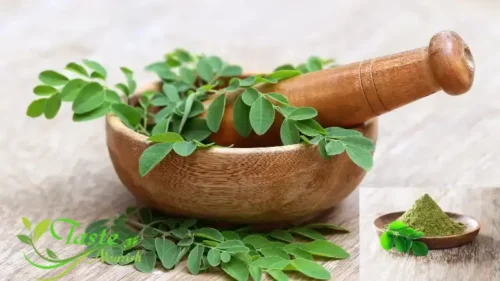
Blood Sugar Management and Diabetes Prevention
If you’re concerned about blood sugar levels, moringa might become your new best friend. Research indicates that moringa can significantly lower blood glucose levels and improve insulin sensitivity. The isothiocyanates in moringa leaves appear to be particularly effective at regulating blood sugar.
In one clinical study, participants with diabetes who consumed seven grams of moringa leaf powder daily for three months experienced a notable reduction in fasting blood sugar levels. This makes moringa a valuable complementary approach for managing type 2 diabetes, though it should never replace prescribed medications without medical supervision.
Enhancing Digestive Health
Your gut health influences everything from your mood to your immune system. Moringa supports digestive wellness through multiple mechanisms. Its high fiber content promotes regular bowel movements and feeds beneficial gut bacteria. Additionally, moringa has demonstrated antibacterial properties against harmful pathogens like H. pylori and E. coli that can cause digestive distress.
The anti-inflammatory compounds in moringa may also help soothe inflammatory bowel conditions, though more research is needed in this area. Many users report improved digestion and reduced bloating after incorporating moringa into their daily routine.
Supporting Brain Health and Cognitive Function
Brain fog, memory lapses, and concentration difficulties plague many people in our fast-paced world. Moringa’s neuroprotective properties offer potential relief. The antioxidants in moringa, particularly vitamins E and C, protect brain cells from oxidative damage associated with cognitive decline and neurodegenerative diseases.
Preliminary research suggests that moringa may enhance neurotransmitter activity and improve memory. Its ability to regulate serotonin, dopamine, and noradrenaline levels could explain why some users report improved mood and mental clarity after taking moringa regularly.
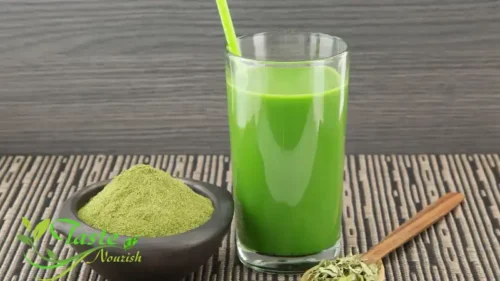
Moringa for Weight Management and Metabolism
How Moringa Aids in Healthy Weight Loss
Let’s be clear: moringa isn’t a magic weight-loss pill. However, it can be a valuable tool in your weight management arsenal. The herb’s high protein and fiber content help you feel fuller longer, reducing the likelihood of overeating or reaching for unhealthy snacks.
Moringa also contains compounds that may help reduce fat accumulation and improve the breakdown of fats in your body. The chlorogenic acid found in moringa has been studied for its potential to moderate blood sugar spikes after meals, which can help control cravings and prevent energy crashes that lead to poor food choices.
Boosting Metabolic Rate Naturally
A sluggish metabolism can make weight management feel like an uphill battle. Moringa’s nutrient profile supports healthy metabolic function in several ways. The B vitamins in moringa help convert food into energy more efficiently, while the iron content supports oxygen transport to cells—crucial for metabolic processes.
Additionally, moringa’s ability to regulate blood sugar and reduce inflammation creates a more favorable internal environment for maintaining a healthy weight. When your body isn’t constantly fighting inflammation or dealing with insulin resistance, it can focus on burning calories efficiently.
Moringa’s Role in Immune System Support
Vitamin C and Immune-Boosting Properties
Your immune system is your body’s defense army, and moringa provides exceptional reinforcements. With seven times more vitamin C than oranges, moringa supercharges your immune defenses. Vitamin C stimulates the production and function of white blood cells, which identify and destroy pathogens.
But moringa’s immune benefits extend beyond vitamin C. The combination of vitamins A and E, along with minerals like zinc and iron, creates a comprehensive immune support system that helps your body respond more effectively to threats.
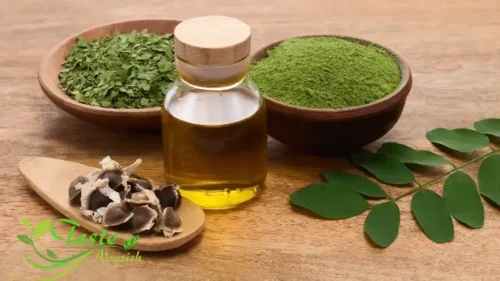
Antimicrobial and Antifungal Benefits
Moringa doesn’t just strengthen your immune system—it actively fights invaders. Research has demonstrated that moringa extracts have antimicrobial properties against various bacteria, including Staphylococcus aureus and Escherichia coli. The isothiocyanates in moringa appear particularly effective at inhibiting bacterial growth.
Fungal infections can be stubborn and difficult to treat, but studies have shown that moringa extracts exhibit antifungal activity against several common fungal strains. This makes moringa a potential natural adjunct to conventional treatments for certain infections.
Moringa for Skin and Hair Health
Anti-Aging Properties
Want to keep your skin looking youthful? The high concentration of antioxidants in moringa fights the free radicals that accelerate skin aging. Vitamins A, C, and E work together to promote collagen production, improve skin elasticity, and reduce the appearance of fine lines and wrinkles.
Moringa oil, extracted from the seeds, is particularly prized in skincare. It’s lightweight, non-comedogenic, and absorbs quickly without leaving a greasy residue. The oil’s antimicrobial properties also make it beneficial for acne-prone skin, helping to keep pores clear and reducing inflammation.
Promoting Hair Growth and Scalp Health
Thinning hair and scalp issues affect millions of people, and moringa offers a natural approach to healthier hair. The iron and amino acids in moringa support keratin production—the protein that forms the structure of your hair. This can lead to stronger, less brittle hair that breaks less easily.
Moringa’s antibacterial and antifungal properties benefit scalp health by addressing issues like dandruff and scalp infections. The zinc content in moringa also plays a crucial role in hair tissue growth and repair, while the vitamin E improves blood circulation to the scalp, ensuring hair follicles receive adequate nutrients.
Moringa and Bone Health
Calcium and Phosphorus Content
Strong bones aren’t just important as you age—they’re crucial throughout your life. Moringa provides an excellent plant-based source of calcium, containing approximately four times more calcium than milk per gram. This makes it particularly valuable for those who avoid dairy or have lactose intolerance.
But calcium alone isn’t enough for optimal bone health. You also need phosphorus, and moringa delivers that too. The ideal calcium-to-phosphorus ratio in moringa supports proper bone mineralization and maintenance.
Preventing Osteoporosis
Osteoporosis, characterized by weak and brittle bones, affects millions worldwide, particularly postmenopausal women. The combination of calcium, phosphorus, magnesium, and vitamin K in moringa creates a comprehensive bone-supporting formula. These nutrients work synergistically to maintain bone density and reduce the risk of fractures.
Research on animals has shown that moringa supplementation can increase bone density and reduce bone loss. While human studies are still limited, the nutritional profile of moringa certainly suggests it could be a valuable addition to osteoporosis prevention strategies.
Lesser-Known Benefits of Moringa
Supporting Lactation in Nursing Mothers
One of moringa’s traditional uses that deserves more attention is its galactagogue properties—meaning it can increase milk production in breastfeeding mothers. Studies have shown that mothers who consumed moringa experienced significant increases in breast milk production compared to those who didn’t.
The nutrient density of moringa also benefits nursing mothers by replenishing vitamins and minerals depleted during pregnancy and breastfeeding. However, pregnant women should consult their healthcare provider before using moringa, as some parts of the plant may not be safe during pregnancy.
Potential Anti-Cancer Properties
While we must be cautious about making definitive claims, preliminary research suggests moringa may have anti-cancer potential. Laboratory studies have shown that moringa leaf extracts can inhibit the growth of certain cancer cells, including pancreatic, breast, and colorectal cancer cells.
The compounds responsible for these effects include niazimicin and other bioactive phytochemicals with antioxidant and anti-inflammatory properties. It’s important to emphasize that moringa should never be used as a replacement for conventional cancer treatment, but it may offer supportive benefits as part of a comprehensive approach.

Liver Protection and Detoxification
Your liver works tirelessly to filter toxins from your blood, and moringa can help support this vital organ. Studies have demonstrated that moringa has hepatoprotective properties, meaning it helps protect liver cells from damage caused by toxins, medications, and disease.
The high concentration of polyphenols in moringa appears to reduce oxidative stress in the liver and may even help reverse liver damage in some cases. Additionally, moringa supports the liver’s natural detoxification processes, helping your body eliminate harmful substances more efficiently.
What Is Moringa and Where Does It Come From?
The Botanical Background of Moringa Oleifera
Moringa oleifera is a fast-growing, drought-resistant tree native to the sub-Himalayan regions of India, Pakistan, Bangladesh, and Afghanistan. Today, it thrives in tropical and subtropical regions across Africa, Asia, and Latin America. What makes this tree truly remarkable is that nearly every part of it—leaves, pods, seeds, flowers, roots, and bark—can be used for nutritional or medicinal purposes.
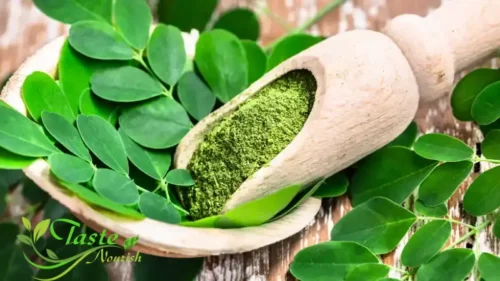
The leaves are the most commonly consumed part, either fresh, dried, or ground into a fine powder. These emerald-green leaves pack an extraordinary nutritional punch that rivals many vegetables and supplements combined.
Historical and Cultural Significance
Moringa isn’t just a modern superfood trend. Ancient Egyptians valued moringa oil for its skin-protecting properties, while traditional Ayurvedic medicine has used moringa for over 4,000 years to treat approximately 300 diseases. In many African and Asian communities, moringa has been a dietary staple and natural remedy passed down through generations.
How to Incorporate Moringa Into Your Daily Routine
Moringa Powder, Capsules, and Tea
The most common way to consume moringa is as a powder, which you can easily add to smoothies, juices, yogurt, or oatmeal. Start with a small amount—about half a teaspoon—and gradually increase to one or two teaspoons daily as your body adjusts. Moringa has a slightly earthy, mildly bitter taste that some describe as similar to matcha.
If you prefer convenience, moringa capsules offer a tasteless option. Follow the manufacturer’s dosage recommendations, typically ranging from 500 to 2,000 mg daily. Moringa tea provides a gentler introduction to the herb, offering a milder concentration of nutrients in a soothing beverage.
Cooking with Fresh Moringa Leaves
If you have access to fresh moringa leaves, you’re in for a treat. These leaves can be used similarly to spinach or kale in various dishes. Add them to soups, stews, omelets, or stir-fries during the last few minutes of cooking to preserve their nutrients. They can also be eaten raw in salads, though the taste is quite strong.
In many South Asian and African cuisines, moringa leaves are a traditional ingredient. Exploring these culinary traditions can provide delicious inspiration for incorporating moringa into your meals in culturally authentic ways.
Recommended Dosages
While moringa is generally safe, appropriate dosing matters. Most studies showing health benefits have used between 1.5 to 7 grams of moringa powder daily. For general wellness, starting with 1-2 teaspoons (approximately 3-6 grams) of powder daily is reasonable.
Listen to your body and adjust accordingly. Some people experience mild digestive upset when first introducing moringa, so starting with smaller amounts and gradually increasing helps minimize this possibility. As with any supplement, consistency matters more than quantity—regular, moderate use typically produces better results than sporadic large doses.
Potential Side Effects and Precautions
Who Should Avoid Moringa?
Despite its impressive benefits, moringa isn’t for everyone. Pregnant women should avoid moringa bark and roots, as they contain compounds that may trigger uterine contractions. While moringa leaves are generally considered safe during pregnancy in food amounts, higher supplemental doses should only be taken under medical supervision.
People taking medication for diabetes or blood pressure should exercise caution, as moringa can enhance these medications’ effects, potentially causing blood sugar or blood pressure to drop too low. If you have thyroid issues, consult your doctor before taking moringa, as it may affect thyroid function.
Interactions with Medications
Moringa can interact with several types of medications. It may alter the effectiveness of liver medications by changing how quickly the liver breaks down certain drugs. The blood-thinning properties of moringa could also amplify the effects of anticoagulant medications, increasing bleeding risk.
Additionally, because moringa affects blood sugar levels, it may interact with diabetes medications. Always inform your healthcare provider about all supplements you’re taking, including moringa, to avoid potentially dangerous interactions.
Moringa vs. Other Superfoods: A Comparison
How does moringa stack up against other trendy superfoods? Let’s look at some comparisons:
Compared to spirulina, another green superfood, moringa contains more vitamin C and calcium, while spirulina has higher protein and B12 content (though plant-based B12 isn’t bioavailable to humans). Moringa has a milder taste that many find more palatable.
When compared to kale, moringa provides significantly more vitamin C, calcium, and protein per gram. However, kale is more readily available and familiar to Western palates, making it easier to incorporate into everyday meals.
Against matcha, moringa offers more vitamins and minerals, while matcha provides caffeine and L-theanine for focused energy. Your choice between them might depend on whether you want a nutrient boost or an energy lift.
The truth is, you don’t need to choose just one superfood. Different plants offer different benefits, and variety in your diet ensures you receive a broad spectrum of nutrients.
Sustainability and Environmental Benefits of Moringa Cultivation
Beyond personal health, moringa offers environmental advantages that make it a truly sustainable crop. The moringa tree grows rapidly in poor soil conditions where other crops struggle, requiring minimal water once established. This makes it an excellent crop for arid regions facing food insecurity.
Moringa trees also combat soil erosion with their extensive root systems and can improve soil quality by fixing nitrogen. They provide food for both humans and livestock, with the leaves, pods, and even bark serving various purposes. In some regions, moringa cultivation is helping communities become more food-secure while simultaneously improving environmental conditions.
The tree’s ability to purify water is another remarkable feature. Moringa seeds contain proteins that bind to impurities in water, causing them to settle out. This natural water purification method offers a sustainable solution for communities lacking access to clean water.
Conclusion
Moringa truly deserves its reputation as a nutritional powerhouse. From supporting heart health and regulating blood sugar to promoting radiant skin and strong bones, this remarkable herb offers benefits that touch nearly every aspect of wellness. Its exceptional nutrient density, combined with centuries of traditional use and growing scientific validation, makes moringa a worthy addition to most people’s health routines.
However, like any supplement, moringa works best as part of a holistic approach to health. It shouldn’t replace a balanced diet, regular exercise, adequate sleep, and stress management—rather, it complements these healthy lifestyle choices. Whether you’re looking to boost your nutrient intake, support specific health goals, or simply explore natural wellness options, moringa offers a time-tested, scientifically-supported option worth considering.
Remember to start slowly, listen to your body, and consult healthcare professionals if you have existing health conditions or take medications. With mindful use, moringa can become a valuable ally in your journey toward optimal health and vitality.
FAQs About Moringa
1. Can I take moringa every day?
Yes, most people can safely consume moringa daily. Studies have shown that regular consumption of 1-7 grams of moringa powder per day is generally safe and well-tolerated. However, it’s wise to start with smaller amounts (about half a teaspoon) and gradually increase to assess your body’s response. Consistency matters more than quantity when it comes to experiencing moringa’s benefits.
2. How long does it take to see results from moringa?
The timeframe varies depending on what benefits you’re seeking and your individual physiology. Some people report increased energy within days, while others notice improvements in skin health or digestion after 2-4 weeks of consistent use. For benefits related to blood sugar regulation, cholesterol levels, or immune function, allow at least 3 months of regular consumption before evaluating effectiveness.
3. Does moringa really help with weight loss?
Moringa can support weight management efforts but isn’t a standalone solution for weight loss. Its high protein and fiber content promote satiety, while its ability to regulate blood sugar may reduce cravings. Additionally, moringa provides nutrients that support metabolic function. However, sustainable weight loss requires a comprehensive approach including a balanced diet, regular physical activity, and healthy lifestyle habits.
4. What’s the best time of day to take moringa?
There’s no universally “best” time to take moringa—it depends on your goals and how your body responds. Many people prefer taking moringa in the morning to benefit from its energizing properties throughout the day. Others take it before meals to help with blood sugar regulation and appetite control. Unlike caffeine-containing supplements, moringa doesn’t typically interfere with sleep, so evening consumption is also fine if that fits your routine better.
5. Can children safely consume moringa?
Moringa is generally considered safe for children when consumed in food amounts, and it’s particularly valuable in regions where malnutrition is common. However, dosage should be adjusted based on the child’s age and weight. For supplemental use, it’s best to consult a pediatrician first. Start with very small amounts—perhaps a quarter teaspoon for young children—and observe for any adverse reactions before increasing the amount.
Scientific References
- Stohs, S. J., & Hartman, M. J. (2015). Review of the Safety and Efficacy of Moringa oleifera. Phytotherapy Research, 29(6), 796-804. https://doi.org/10.1002/ptr.5325
- Leone, A., Spada, A., Battezzati, A., Schiraldi, A., Aristil, J., & Bertoli, S. (2015). Cultivation, Genetic, Ethnopharmacology, Phytochemistry and Pharmacology of Moringa oleifera Leaves: An Overview. International Journal of Molecular Sciences, 16(6), 12791-12835. https://doi.org/10.3390/ijms160612791
- Gopalakrishnan, L., Doriya, K., & Kumar, D. S. (2016). Moringa oleifera: A review on nutritive importance and its medicinal application. Food Science and Human Wellness, 5(2), 49-56. https://doi.org/10.1016/j.fshw.2016.04.001