
Baking Soda to Remove Stains | Complete Guide (2025)
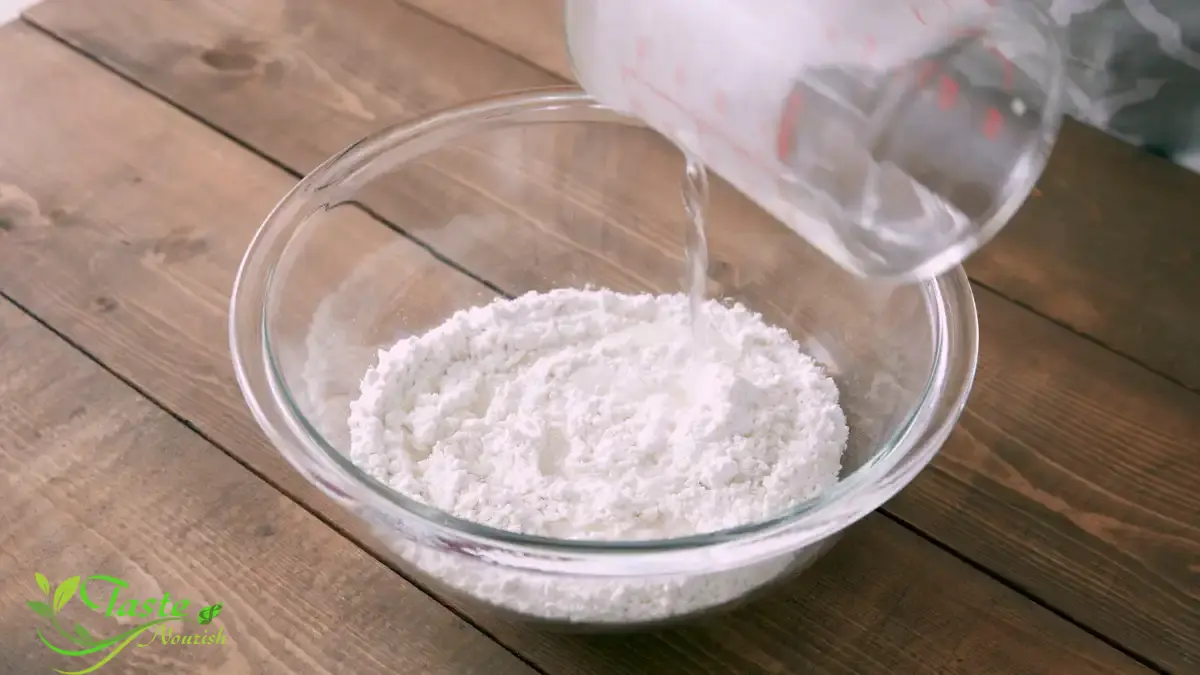
Are you searching for a natural, affordable way to use baking soda to remove stains from your favorite clothes, carpets, or household surfaces? You’re in the right place. Whether you’re dealing with stubborn coffee rings, persistent grease marks, or set-in wine stains, baking soda offers a scientifically proven solution that rivals expensive commercial cleaners—at a fraction of the cost.
Baking soda to remove stains has been a trusted household remedy for over a century, but most people don’t realize they’re only scratching the surface of its potential. In this comprehensive 2025 guide, you’ll discover exactly how to harness the cleaning power of sodium bicarbonate, including 15+ proven methods, professional-grade combination treatments, and surface-specific techniques that actually work.
From understanding the chemistry behind why baking soda removes stains so effectively to mastering advanced applications for different fabric types and surfaces, this guide covers everything you need to know. We’ll explore step-by-step methods for common stains like blood, oil, wine, and sweat, plus reveal little-known techniques that professional cleaners use to tackle the toughest marks.
Using baking soda to remove stains
The Science Behind Baking Soda’s Cleaning Power
Baking soda, scientifically known as sodium bicarbonate (NaHCO₃), is what chemists call a mild alkali. Now, don’t let that intimidate you—this is actually what makes it so special. When baking soda dissolves in water, it creates a slightly alkaline solution with a pH of around 8.3. This pH level is perfect for breaking down many types of stains without being harsh enough to damage most materials.
Think of it like this: stains are like locked doors, and baking soda is the key that helps open them. The alkaline nature of baking soda helps neutralize acids in stains like coffee, wine, and sweat. This neutralization process essentially breaks the chemical bonds that make the stain cling to fabric or surfaces.

Chemical Properties That Make It Work
But there’s more to the story. Baking soda also works as a mild abrasive. The crystalline structure of sodium bicarbonate particles provides gentle scrubbing action without scratching surfaces. It’s like having tiny cleaning assistants that physically lift stain particles away from fibers.
Additionally, baking soda has remarkable absorbent properties. It can soak up oils, odors, and moisture—which is why it works so well on grease stains and why people keep an open box in their refrigerator. This absorption quality is particularly useful for fresh stains, where quick action can prevent permanent setting.
Types of Stains Baking Soda Can Tackle
Organic Stains (Food, Blood, Sweat)
Organic stains come from living things, and baking soda handles them beautifully. Food stains like tomato sauce, chocolate, and berry juice contain proteins and tannins that respond well to alkaline treatment. Blood stains, which are protein-based, can be lifted effectively when caught early. Sweat stains, which are a combination of proteins, salts, and oils, practically dissolve when treated with baking soda paste.
Inorganic Stains (Rust, Mineral Deposits)
Hard water stains, rust marks, and mineral deposits are inorganic challenges that baking soda can address. The mild abrasive action combined with the alkaline nature helps break down these stubborn marks. While baking soda alone might need some help with severe rust, it’s excellent for light to moderate mineral staining.
Oil-Based Stains
Grease from cooking, motor oil, or makeup can be notoriously difficult to remove. Baking soda’s absorbent nature makes it particularly effective here. It literally soaks up the oil from the surface, then the alkaline properties help break down what remains, making it easier to wash away completely.
Dye and Ink Stains
These can be tricky, but baking soda—especially when combined with other natural ingredients—can make significant progress. The key is acting quickly and using the right technique. Fresh ink responds better than set-in dye, but even old stains can be lightened considerably with persistent treatment.
How to Use Baking Soda for Different Surfaces
Fabric and Clothing Stains
♦ Pre-Treatment Methods
For fabric stains, the paste method works wonders. Mix three parts baking soda with one part water to create a thick paste. Apply this directly to the stain, gently working it into the fibers with your fingers or a soft brush. Let it sit for 30 minutes to an hour—or even overnight for tough stains—before washing as usual.
Here’s a technique most articles don’t mention: for delicate fabrics, create a weaker solution (one tablespoon baking soda per cup of water) and soak the entire garment for several hours. This gentler approach prevents damage while still providing cleaning power.
♦ Washing Machine Applications
Add half a cup of baking soda directly to your wash cycle along with your regular detergent. This boosts the cleaning power of your detergent and helps remove lingering odors. For heavily stained loads, pre-soak items in a solution of one cup baking soda dissolved in warm water for at least 30 minutes before washing.
Carpet and Upholstery Stains
Carpets require a different approach. For fresh spills, immediately blot up excess liquid, then generously sprinkle baking soda over the affected area. Let it sit for at least 15 minutes to absorb the stain, then vacuum thoroughly. For set-in stains, make a paste, apply it, let it dry completely (this might take several hours), then vacuum.
The trick with upholstery is to test first. Apply your baking soda solution to an inconspicuous area to ensure it doesn’t discolor the fabric. Once confirmed safe, proceed with gentle blotting motions rather than rubbing, which can push stains deeper into fibers.
Kitchen and Bathroom Surfaces
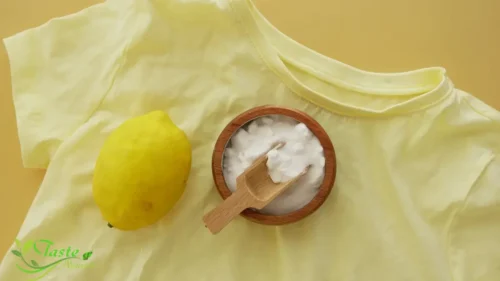
Kitchen counters, sinks, and stovetops respond beautifully to baking soda. Sprinkle it directly on the stained surface, add a few drops of water to create a paste, and scrub gently with a sponge. For bathroom tiles and grout, make a thicker paste and use an old toothbrush to work it into the stains.
Stainless steel sinks deserve special mention. Create a paste, apply in the direction of the grain, and rinse thoroughly. This removes stains while maintaining that beautiful shine.
Hard Floors and Tiles
For tile floors, dissolve half a cup of baking soda in a bucket of warm water and mop as usual. For stubborn stains on grout lines, apply paste directly, let sit for 10 minutes, then scrub with a brush. Always rinse thoroughly to prevent residue buildup.
Step-by-Step Methods for Common Stain Removal
Removing Coffee and Tea Stains
| Step | Action | Time Required |
|---|---|---|
| 1 | Blot excess liquid immediately | 30 seconds |
| 2 | Mix baking soda paste (3:1 ratio) | 1 minute |
| 3 | Apply paste to stain, work in gently | 2 minutes |
| 4 | Let sit | 30-60 minutes |
| 5 | Rinse with cold water | 2 minutes |
| 6 | Wash as normal | Standard cycle |
Coffee and tea contain tannins that bond quickly to fabric. The key is speed and persistence. For white clothing, you can create a more aggressive solution by adding a tablespoon of hydrogen peroxide to your baking soda paste, but test first on colored fabrics.
Eliminating Grease and Oil Stains
Grease requires immediate absorption. As soon as the stain occurs:
- Cover the entire stain generously with dry baking soda
- Let it sit for at least 20 minutes (the powder will darken as it absorbs oil)
- Brush away the soiled baking soda
- Apply fresh baking soda and repeat until no more oil is absorbed
- Create a paste with remaining powder and scrub gently
- Wash in the hottest water safe for the fabric
This method works because you’re removing the oil mechanically before trying to wash it away. Most people make the mistake of washing first, which can actually set the stain.
Tackling Wine and Juice Stains
Wine stains send people into panic mode, but here’s the reality: they’re manageable if you act fast. Immediately blot (never rub) the spill. Pour baking soda directly onto the wet stain—you’ll see it fizz as it reacts with the wine. Let this fizzing action work for you; it’s actually lifting the wine from the fibers.
After 5 minutes, create a paste with more baking soda and cold water. Apply and let sit for 30 minutes minimum. For red wine specifically, the combination of baking soda and white wine vinegar creates a powerful reaction that breaks down the pigments. Apply baking soda first, then spray with white vinegar, let fizz, then blot and rinse.
Getting Rid of Sweat and Deodorant Marks
Yellow armpit stains are a combination of sweat, body oils, and aluminum compounds from deodorant. Standard washing won’t touch them, but baking soda can:
- Mix equal parts baking soda, hydrogen peroxide, and water
- Apply directly to the stain
- Scrub with a soft brush
- Let sit for 30 minutes to 2 hours
- Wash in warm water
For prevention, apply baking soda powder to your armpits before deodorant. It absorbs sweat and prevents the chemical reaction that causes yellowing.
Removing Blood Stains
Blood requires cold water—always. Heat sets protein stains permanently. Here’s the method:
- Rinse the stain under cold running water immediately
- Make a paste with baking soda and cold water
- Apply generously and let sit for 30 minutes
- Rinse with cold water
- Repeat if necessary
- Wash in cold water with added baking soda
For dried blood, soak the item in cold water with dissolved baking soda (1/4 cup per gallon) for several hours before treating.
Baking Soda Stain Removal Quick Reference
| Stain Type | Method | Time Required |
|---|---|---|
| Coffee/Tea | Paste (3:1 ratio) | 30-60 minutes |
| Grease/Oil | Dry powder first, then paste | 20+ minutes |
| Wine | Direct application + fizzing | 5-30 minutes |
| Blood | Cold water + paste | 30 minutes |
| Sweat | Baking soda + hydrogen peroxide | 30-120 minutes |
Advanced Baking Soda Combinations for Stubborn Stains
Baking Soda and Vinegar
This combination creates a chemical reaction that produces carbon dioxide bubbles—that satisfying fizz you see. This effervescence helps lift stains mechanically while the acetic acid in vinegar tackles different types of stains than baking soda alone.
Best uses: Drain clogs, toilet bowl rings, grout stains, and carpet odors
Method: Apply baking soda first, then spray or pour vinegar over it. Let it fizz for 5-10 minutes, then scrub and rinse.
Important note: Use them sequentially, not mixed together beforehand, to maximize the fizzing action.
Baking Soda and Hydrogen Peroxide
This is my secret weapon for the toughest stains. Hydrogen peroxide is a mild bleach that oxidizes stains, while baking soda provides abrasion and alkalinity. Together, they’re powerful enough for commercial use.
Best uses: White fabrics, grout, yellowed plastics, cutting boards
Method: Mix to form a paste (usually 2 parts baking soda to 1 part 3% hydrogen peroxide). Apply, let sit in sunlight if possible (UV enhances peroxide’s action), then rinse.
Caution: Can bleach colors, so test first. Wear gloves as peroxide can irritate skin.
Baking Soda and Lemon Juice
The citric acid in lemon juice combined with baking soda creates a fresh-smelling, effective cleaner. Lemon also has natural bleaching properties enhanced by sunlight.
Best uses: Rust stains, food stains, brightening whites, cutting boards, plastic containers
Method: Make a paste with fresh lemon juice and baking soda. Apply to stain, place in sunlight if possible, let sit for 1-2 hours, then wash or scrub away.
Baking Soda and Dish Soap
This combination tackles grease better than either ingredient alone. Dish soap breaks down oils while baking soda absorbs and provides scrubbing power.
Best uses: Grease stains, kitchen surfaces, outdoor furniture, automotive stains
Method: Mix 2 tablespoons baking soda with 1 tablespoon dish soap and enough water to form a spreadable paste. Apply, let sit for 15-30 minutes, scrub, and rinse.
Safety Considerations When Using Baking Soda
Surfaces to Avoid
While baking soda is generally safe, it’s not suitable for everything. Avoid using it on:
- Aluminum cookware: Can cause discoloration
- Antique or gold-plated items: The abrasive action can damage finishes
- Marble and granite: The alkalinity can etch natural stone over time
- Waxed or oiled wood: Can strip protective coatings
- LCD screens: Too abrasive for delicate displays
Fabric Care Precautions
Most fabrics handle baking soda well, but take precautions with:
- Silk and wool: Use very diluted solutions and test first
- Leather and suede: Never use wet baking soda; dry powder only for odor absorption
- Flame-retardant fabrics: May reduce effectiveness of fire-resistant treatments
Always do a spot test on an inconspicuous area before treating visible stains on valuable or delicate items.
Comparing Baking Soda to Commercial Stain Removers
Let’s be honest about how baking soda stacks up against commercial products:
| Factor | Baking Soda | Commercial Stain Removers |
|---|---|---|
| Cost | $0.50-$2 per pound | $3-$15 per bottle |
| Environmental Impact | Minimal, biodegradable | Varies, often contains phosphates |
| Toxicity | Non-toxic, food-safe | Can contain harsh chemicals |
| Effectiveness on fresh stains | Excellent | Excellent |
| Effectiveness on set-in stains | Good with time and effort | Often better for tough stains |
| Versatility | Extremely versatile | Usually specialized |
| Shelf life | Indefinite if stored properly | 1-2 years typically |
Commercial products often contain enzymes specifically designed to break down certain stain types. For truly stubborn, set-in stains, they may outperform baking soda. However, for everyday stain management and when combined with other household ingredients, baking soda often matches or exceeds commercial products’ effectiveness at a fraction of the cost.
Environmental and Health Benefits of Using Baking Soda
Here’s something that doesn’t get talked about enough: the environmental impact of our cleaning choices. Every time you wash something down the drain, those chemicals enter our water systems. Commercial stain removers often contain:
- Optical brighteners that don’t biodegrade easily
- Synthetic fragrances linked to respiratory issues
- Phosphates that contribute to algae blooms in waterways
- Harsh surfactants that can harm aquatic life
Baking soda, on the other hand, is completely biodegradable and non-toxic. It won’t harm septic systems, aquatic life, or your family. You can use it around children and pets without worry. There’s no need for warning labels, safety gloves, or ventilation.
From a health perspective, reducing exposure to harsh chemicals benefits everyone, especially those with asthma, allergies, or chemical sensitivities. Baking soda doesn’t release volatile organic compounds (VOCs) that contribute to indoor air pollution.
Common Mistakes to Avoid When Using Baking Soda for Stains
Even with something as simple as baking soda, technique matters. Here are mistakes I see people make repeatedly:
- Using too little product: Don’t be stingy. Generous application works better, especially for absorption of oils and odors.
- Not giving it enough time: Patience is crucial. Rushing the process leaves stains only partially removed. When instructions say “let sit for 30 minutes,” that’s a minimum, not a maximum.
- Scrubbing too aggressively: Let the chemistry do the work. Aggressive scrubbing can damage fibers and spread stains rather than removing them.
- Using hot water on protein stains: Always use cold water for blood, egg, milk, and other protein-based stains. Hot water cooks the proteins, setting them permanently.
- Mixing everything together at once: When using combinations like baking soda and vinegar, apply them sequentially to get the full benefit of the fizzing reaction.
- Not rinsing thoroughly: Baking soda residue can leave white marks or attract dirt. Always rinse completely.
- Expecting instant results: Some stains need multiple treatments. Don’t give up after one attempt.
- Storing it improperly: Baking soda absorbs odors and moisture from the air. Once opened, keep it sealed tight or it loses effectiveness.
Storage and Shelf Life of Baking Soda
Unopened baking soda lasts indefinitely when stored in a cool, dry place. Once opened, it remains effective for about six months to two years, depending on storage conditions. Here’s how to maximize its shelf life:
- Transfer to an airtight container immediately after opening
- Store away from moisture, heat, and strong odors
- Keep separate containers for cleaning and food use
- Label with the date opened
To test if your baking soda is still active, add a teaspoon to a small amount of vinegar or lemon juice. If it fizzes vigorously, it’s still good. Weak or no reaction means it’s time to replace it.
Pro tip: Buy in bulk for cleaning purposes—it’s significantly cheaper. You can find large bags at warehouse stores for a fraction of the per-ounce cost of small boxes.
Cost-Effectiveness Analysis
Let’s talk money. A typical box of baking soda costs about one dollar and can remove dozens of stains. Compare that to specialized stain removers that cost eight to fifteen dollars per bottle and might handle ten to fifteen stains.
Here’s a practical breakdown:
- Baking soda: $1 for 16 ounces = $0.06 per ounce
- Average commercial stain remover: $10 for 22 ounces = $0.45 per ounce
That’s a 750% price difference. Even if you use combinations that include vinegar, hydrogen peroxide, or lemon juice, you’re still spending far less than commercial products.
For a family doing laundry twice weekly, switching to baking soda-based stain treatment could save approximately $100-150 annually. Over a decade, that’s $1,000-1,500—enough for a nice vacation.
Beyond direct savings, consider the reduced need for specialized products. One box of baking soda replaces multiple bottles of cleaners, freeing up storage space and simplifying your cleaning routine.
Conclusion
Baking soda isn’t just a cleaning hack—it’s a practical, proven solution backed by chemistry and generations of use. From coffee spills on your morning shirt to wine stains on your carpet, this simple compound handles a remarkable range of cleaning challenges without the cost, toxicity, or environmental impact of commercial alternatives.
The real power comes from understanding how it works and using the right techniques for specific stains. Whether you’re making a simple paste for a grease spot or combining it with hydrogen peroxide for a stubborn carpet stain, you now have the knowledge to tackle virtually any stain that comes your way.
Remember, the best stain removal strategy is prevention and quick action. But when accidents happen—and they will—reach for that box of baking soda with confidence. It’s one of those rare products that truly delivers on its promises while being kind to your wallet, your health, and the planet.
So the next time you’re facing down a stubborn stain, don’t panic and don’t immediately reach for expensive chemicals. Give baking soda a try. You might be surprised at just how effective this humble household staple really is.
FAQs
1. Can baking soda remove old, set-in stains that have been through the dryer?
Yes, but it requires more patience and possibly multiple treatments. Set-in stains are harder to remove because heat from the dryer bonds them more permanently to fibers. Make a paste with baking soda and hydrogen peroxide, apply it to the stain, and let it sit for several hours or overnight. You may need to repeat this process 3-4 times for complete removal. For best results, place the treated area in direct sunlight, as UV rays enhance the stain-lifting process.
2. Is there a difference between baking soda and baking powder for stain removal?
Absolutely—baking powder is not a substitute for baking soda in cleaning applications. While they look similar, baking powder contains additional ingredients like cream of tartar and cornstarch, which don’t provide the same cleaning properties. Baking powder also costs significantly more. Always use pure baking soda (sodium bicarbonate) for stain removal. Check the label to ensure you’re buying the right product.
3. How long can I safely leave baking soda paste on delicate fabrics?
For delicate fabrics like silk, wool, or vintage textiles, limit contact time to 15-30 minutes and use a very diluted solution (1 tablespoon per cup of water) rather than a thick paste. Always test on an inconspicuous area first. For more durable fabrics like cotton or polyester, you can safely leave baking soda paste on for several hours or even overnight without damage. The key is understanding your fabric—when in doubt, start with shorter treatment times.
4. Can I use baking soda in my washing machine regularly, or will it damage the machine?
Baking soda is safe for both regular and high-efficiency (HE) washing machines when used properly. Add it directly to the drum with your clothes, not to the detergent dispenser, as it can clog. Use no more than 1/2 cup per load. It actually helps maintain your machine by preventing odors and reducing detergent buildup. However, avoid combining it with vinegar in the same wash cycle, as they neutralize each other’s cleaning properties. Use them in separate cycles for best results.
5. Why didn’t baking soda work on my stain when others say it’s so effective?
Several factors might explain this. First, some stains require specific treatment—pure dye stains or certain synthetic substances may not respond to baking soda alone. Second, if the stain has been heat-set (dried in a dryer), it requires more intensive treatment. Third, insufficient contact time or using too little product can result in incomplete removal. Finally, some stains need combination treatments—baking soda plus hydrogen peroxide, vinegar, or lemon juice. Try adjusting your technique, using a stronger mixture, allowing more time, or combining baking soda with complementary ingredients before concluding it won’t work.