
Baking Soda Vinegar Oven Cleaner | Complete DIY Guide
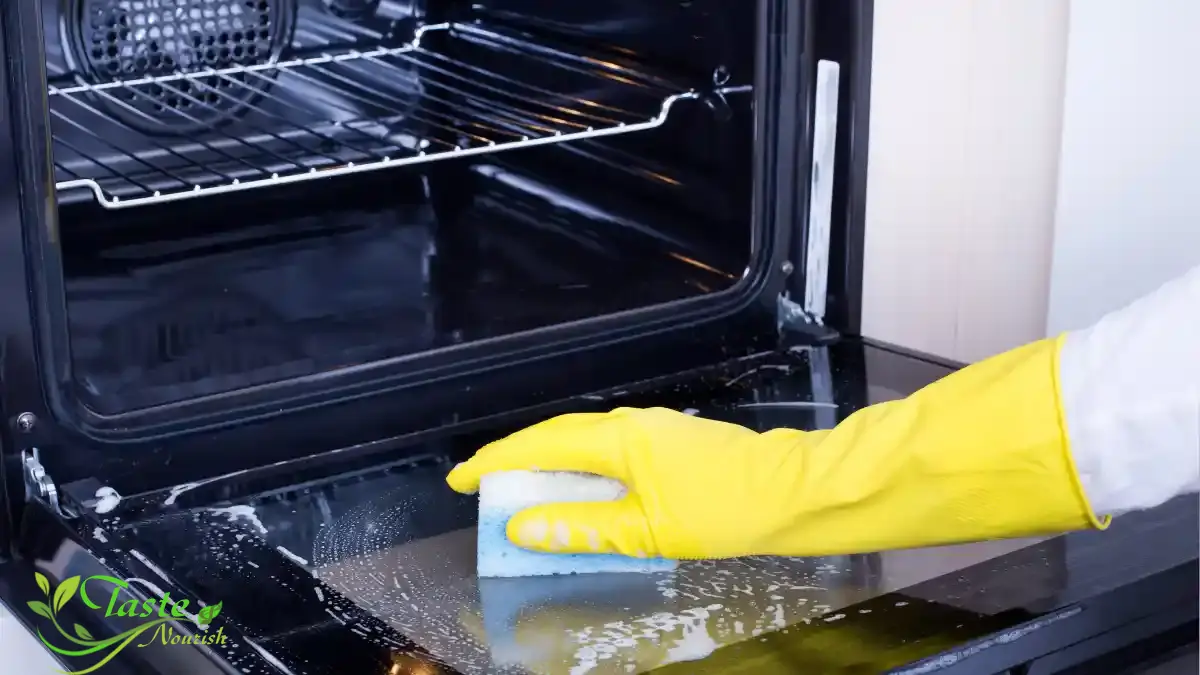
Are you searching for a safe, effective baking soda vinegar oven cleaner that actually works? You’ve come to the right place. If you’ve ever opened your oven door only to be confronted by layers of burnt-on grease, stubborn stains, and carbonized food residue, you know the struggle is real. But what if the most powerful oven cleaning solution isn’t hiding in the chemical aisle at your local store—it’s already sitting in your kitchen pantry?
The baking soda vinegar oven cleaner method has been transforming grimy ovens into sparkling appliances for generations, and for good reason. This natural oven cleaning solution combines the alkaline power of baking soda (sodium bicarbonate) with the acidic strength of white vinegar to create a chemical reaction that lifts even the most stubborn grime—all without harsh fumes, dangerous chemicals, or an expensive price tag.
In this comprehensive guide, you’ll discover exactly how to clean your oven with baking soda and vinegar using proven techniques that deliver professional results. Whether you’re dealing with light monthly maintenance or years of neglected buildup, this step-by-step tutorial will show you the science-backed method that works better than most commercial cleaners—and costs less than $1 per cleaning.
Why choose a baking soda and vinegar oven cleaner over commercial alternatives? The answer goes beyond just avoiding toxic chemicals. This natural cleaning method is safer for your family, gentler on your oven’s surfaces, better for the environment, and remarkably effective at breaking down grease and grime. Plus, you probably already have these ingredients at home, which means you can start cleaning your oven right now without a trip to the store.
Ready to transform your oven from disaster zone to display-worthy? Let’s dive into everything you need to know about making and using the best baking soda vinegar oven cleaner, including advanced techniques that most cleaning guides don’t tell you about.
Why Choose Natural Oven Cleaning Solutions?
Let’s face it—traditional oven cleaners can be intimidating. That warning label alone could make you reconsider whether you really need a clean oven after all. But the concerns go deeper than just scary labels.
The Chemical Concerns with Commercial Cleaners
Commercial oven cleaners typically contain sodium hydroxide (lye) or potassium hydroxide, extremely caustic substances that can cause chemical burns if they come into contact with your skin. The fumes alone can irritate your respiratory system, eyes, and throat. If you have kids, pets, or just value breathing comfortably in your own home, these chemicals pose real risks.
But here’s something most people don’t realize: those chemical residues don’t just magically disappear after you wipe down your oven. Traces can remain and potentially vaporize the next time you preheat, meaning you might be inhaling chemical vapors or having them come into contact with your food. Not exactly appetizing, is it?
Environmental Benefits of Natural Alternatives
When you pour commercial cleaners down the drain, those harsh chemicals enter our water systems. Water treatment facilities aren’t always equipped to completely filter out these substances, meaning they can end up in rivers, lakes, and eventually the ocean. By choosing baking soda and vinegar, you’re making a choice that’s safer not just for your home but for the planet.
These natural ingredients are biodegradable, non-toxic, and produced with significantly lower environmental impact compared to synthetic chemical cleaners. Plus, they come in minimal packaging—often cardboard or glass containers that are easily recyclable.
Understanding the Science Behind Baking Soda and Vinegar
You might be wondering: if this natural combination is so effective, what’s actually happening at a chemical level? Understanding the science makes you appreciate why this method works so brilliantly.
How Baking Soda Works as a Cleaning Agent
Baking soda, scientifically known as sodium bicarbonate (NaHCO₃), is a mild alkaline compound. When it comes into contact with grease and grime—which are typically acidic—it creates a neutralization reaction. But that’s just the beginning.
The slightly abrasive texture of baking soda crystals provides gentle mechanical scrubbing action without scratching enamel or glass surfaces. Think of it as millions of tiny scrubbers working simultaneously. Additionally, baking soda has natural deodorizing properties, absorbing unpleasant smells rather than just masking them with artificial fragrances.
The Power of Vinegar in Breaking Down Grease
White vinegar contains acetic acid, typically around 5-8% concentration in household varieties. This acid is incredibly effective at cutting through grease, dissolving mineral deposits, and breaking down the molecular bonds in burnt-on food residue.
When you spray vinegar onto surfaces, it penetrates the layers of grime, essentially loosening their grip on your oven surfaces. The acetic acid also has mild disinfecting properties, helping to eliminate bacteria that might be lurking in those hard-to-reach corners.
The Chemical Reaction Explained
Here’s where things get interesting. When baking soda (a base) meets vinegar (an acid), they create a chemical reaction that produces carbon dioxide gas, water, and sodium acetate. You’ve seen this reaction before—it’s that satisfying fizzing and bubbling.
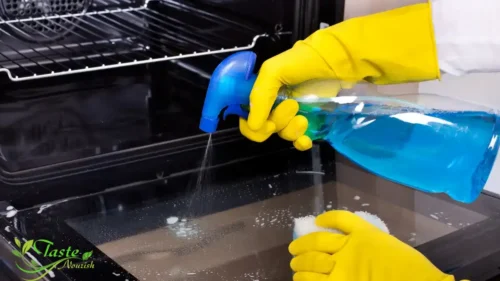
That fizzing action isn’t just for show. Those bubbles help lift dirt and grime away from surfaces, getting into microscopic crevices that scrubbing alone might miss. However, here’s a professional tip many articles get wrong: for oven cleaning, you don’t necessarily want to mix them together immediately. Using them sequentially—baking soda paste first, then vinegar spray—often produces better results than creating a premixed solution.
Essential Materials and Preparation
Before you dive in, let’s make sure you have everything you need. The beauty of this method is its simplicity.
What You’ll Need for Your Natural Oven Cleaner
Here’s your complete shopping list:
- Baking soda (1 cup minimum, though you might need more for heavily soiled ovens)
- White vinegar (2-3 cups)
- Water
- Spray bottle
- Rubber gloves
- Soft cleaning cloths or sponges
- Plastic or silicone spatula
- Small bowl for mixing
- Optional: Essential oils (lemon or tea tree work great)
- Optional: Dish soap (just a few drops)
The total cost? Probably less than $5 if you’re buying from scratch, and these ingredients will last for multiple cleaning sessions.
Safety Precautions Before You Begin
Even though we’re working with natural ingredients, you still want to take some basic precautions:
- Ventilation matters: Open windows and turn on your kitchen exhaust fan. While vinegar fumes aren’t dangerous, they’re not particularly pleasant either.
- Wear gloves: Baking soda paste can be drying to skin, especially if you have sensitive skin or eczema.
- Remove oven racks: Take out all racks, thermometers, and any other removable items. You’ll clean these separately.
- Check your oven manual: Some ovens have special coatings that manufacturers recommend specific cleaning methods for. A quick check can save you from accidentally voiding any warranties.
- Turn off and cool down: This should go without saying, but ensure your oven is completely cool before starting. Cleaning a warm oven won’t work as well, and you’ll risk burns.
Step-by-Step Guide to Cleaning Your Oven
Now for the main event. Let’s transform that oven from disaster zone to display-worthy.
Preparing Your Oven for Cleaning
First, remove everything from inside your oven. Take out the racks, pizza stones, thermometers, aluminum foil liners—everything. Give the interior a quick wipe with a dry cloth to remove loose crumbs and debris. This prevents you from just pushing dirt around later.
If you have a self-cleaning oven, you might notice a lever or mechanism that locks the door during cleaning cycles. Make sure this isn’t engaged. Check your oven’s heating elements too—if you have an electric oven, you’ll want to be careful around these delicate components.
Creating the Perfect Baking Soda Paste
Here’s where precision matters more than most articles tell you. The consistency of your paste determines how well it adheres to vertical surfaces and how effectively it works.
Start with about 1/2 cup of baking soda in a bowl. Add water a tablespoon at a time, stirring constantly. You’re aiming for a spreadable paste—think of the consistency of thick yogurt or sour cream. It should be spreadable but not runny.
Too thick? Add a bit more water. Too thin? Add more baking soda. Some people add a few drops of dish soap to the mixture, which can enhance grease-cutting power, but this is optional.
For an extra boost, add 5-10 drops of lemon essential oil. Lemon contains d-limonene, a natural solvent that’s particularly effective against grease and adds a fresh scent.
Application Techniques for Maximum Effectiveness
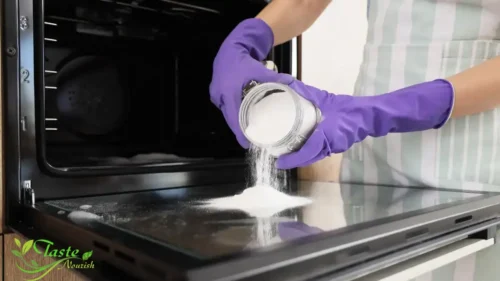
Now comes the therapeutic part—actually applying the paste. Using your gloved hands or a spatula, spread the baking soda mixture throughout the interior of your oven. Cover everything except the heating elements.
Pay special attention to areas with visible buildup. Apply a thicker layer on particularly stubborn spots. Don’t be shy—you want a good coating, especially on the bottom of the oven where drips accumulate.
Here’s the key that many rushing-through-this articles miss: let it sit. And I don’t mean for 20 minutes. For a moderately dirty oven, you need at least 3-4 hours. For heavy buildup, overnight is better. Some serious situations might even benefit from 24 hours.
During this time, the baking soda is working its magic, breaking down carbonized food and grease. This waiting period is what separates okay results from spectacular ones.
♦ Dealing with Stubborn Stains and Burnt-On Residue
If you have spots that look like they’ve survived since the Clinton administration, give them extra attention. After applying your initial coat, return an hour later and apply a second, thicker layer specifically to these problem areas.
For truly stubborn spots on the oven floor, try this trick: create a thicker paste (almost clay-like consistency) and build it up into a small mound over the stain. This concentrates the cleaning power right where you need it most.
Advanced Methods and Variations
Once you’ve mastered the basic technique, you might want to try these enhanced versions for even better results.
Adding Essential Oils for Enhanced Cleaning Power
Essential oils aren’t just about making your oven smell nice—many have legitimate cleaning properties. Here’s what works best:
- Lemon oil: Contains d-limonene, a powerful natural degreaser
- Tea tree oil: Adds antimicrobial properties
- Orange oil: Another citrus option with excellent grease-cutting abilities
- Eucalyptus oil: Provides additional cleaning power and a fresh scent
Add 10-15 drops per cup of baking soda paste. The oils help the mixture penetrate grease more effectively while leaving a pleasant, natural fragrance.
The Steam-Cleaning Enhancement Method
Want to supercharge your cleaning? Try this professional technique:
After letting your baking soda paste sit overnight, place a large oven-safe pot or pan of water (about 2-3 cups) on the bottom rack. Close the oven and heat to 200°F (95°C) for 30-45 minutes. The steam will help further loosen grime and make the baking soda even easier to wipe away.
Turn off the oven, let it cool until it’s just warm (not hot), then proceed with the vinegar spray step. The combination of overnight baking soda treatment plus steam loosening creates a one-two punch that even the most stubborn grime can’t withstand.
Comparing Natural vs. Commercial Oven Cleaners
Let’s look at how baking soda and vinegar stack up against commercial alternatives in a side-by-side comparison:
| Factor | Baking Soda & Vinegar | Commercial Cleaners |
|---|---|---|
| Cost per cleaning | $0.50 – $1.00 | $5.00 – $12.00 |
| Toxicity | Non-toxic, food-safe | Contains caustic chemicals |
| Fume intensity | Mild vinegar smell | Strong chemical odor |
| Effectiveness on light soil | Excellent | Excellent |
| Effectiveness on heavy soil | Very good (requires longer time) | Excellent (faster action) |
| Environmental impact | Minimal | Significant |
| Skin irritation risk | Very low | High |
| Time required | 4-12 hours (mostly passive) | 20 minutes – 2 hours |
| Residue concerns | None | Potential chemical residue |
| Shelf life | Indefinite | 1-3 years |
The verdict? For regular maintenance and moderate buildup, baking soda and vinegar win on nearly every metric except speed. For extremely neglected ovens with years of buildup, commercial cleaners might work faster—but natural methods will still get you there with patience and persistence.
Maintenance Tips to Keep Your Oven Cleaner Longer
The best cleaning is the cleaning you don’t have to do. Here’s how to minimize future deep-cleaning sessions.
Weekly Quick-Clean Routines
After your oven cools down from cooking, take just two minutes to wipe down the interior with a damp cloth. This simple habit prevents fresh spills from baking on and becoming permanent stains.
Keep a small spray bottle with a 1:1 vinegar-water solution near your oven. A quick spritz and wipe after cooking high-mess items (like casseroles or pizzas) can prevent 90% of serious buildup.
Monthly Deep-Cleaning Schedules
Once a month, perform a mini version of the full baking soda treatment. Apply paste to any visible spots, let sit for an hour, then wipe clean. This prevents the accumulation of grime that leads to those marathon cleaning sessions.
Also, make it a monthly habit to remove and wash your oven racks. They’re easier to clean in your sink or bathtub with hot soapy water before buildup becomes serious.
Troubleshooting Common Problems
Even with the best methods, you might encounter some challenges. Here’s how to solve them.
When the Baking Soda Won’t Come Off
If you’re finding dried baking soda stubbornly clinging to surfaces, you didn’t use enough vinegar or water in the removal phase. Here’s the fix:
Spray the affected area liberally with straight vinegar. Let it sit for 5 minutes—the acid will reactivate the baking soda, creating that fizzing action again. Then wipe with a damp cloth. Repeat if necessary.
For really stubborn residue, use a plastic scraper at a low angle to gently push the paste toward your wiping cloth. Never use metal scrapers, which can scratch enamel surfaces.
Addressing Persistent Odors
If your oven still smells after cleaning, the odor might be coming from areas you missed or from grease that’s penetrated the oven’s insulation through cracks. Try this:
- Place a shallow dish with 1 cup of vinegar inside the cold oven overnight
- In the morning, remove the dish and wipe down interior surfaces
- For persistent smells, make a paste of baking soda and lemon juice, apply to surfaces, let sit for 2 hours, then wipe clean
If odors continue after multiple cleanings, they might be coming from the insulation between oven walls, which requires professional service.
Cost Analysis and Long-Term Savings
Let’s talk money, because sustainable choices should also be economical choices.
| Item | Cost | Uses per Container | Cost per Cleaning |
|---|---|---|---|
| Baking soda (1 lb box) | $1.00 | 8-10 cleanings | $0.10 – $0.12 |
| White vinegar (32 oz) | $2.50 | 10-12 cleanings | $0.21 – $0.25 |
| Total per cleaning | $0.31 – $0.37 | ||
| Commercial oven cleaner | $6.99 | 2-3 cleanings | $2.33 – $3.50 |
Over the course of a year with monthly cleanings, you’re looking at:
- Baking soda & vinegar method: $3.72 – $4.44 annually
- Commercial cleaners: $27.96 – $42.00 annually
That’s a savings of about $24-38 per year, per oven. If you have multiple ovens or clean more frequently, the savings multiply. Over a decade, you’re saving hundreds of dollars—money that could go toward better ingredients for all the cooking you’ll be doing in your beautifully clean oven!
Conclusion
Cleaning your oven with baking soda and vinegar isn’t just about saving money or avoiding harsh chemicals—though those are certainly compelling reasons. It’s about taking control of your home environment and making choices that align with health, sustainability, and effectiveness.
This method proves that sometimes the old ways really are the best ways. Our grandmothers weren’t using baking soda and vinegar because they didn’t have access to modern cleaners; they used these ingredients because they worked remarkably well.
The key to success is patience. Unlike commercial cleaners that work in minutes through sheer chemical aggression, this natural method requires time to work its gentle magic. But that time is passive—you’re not scrubbing for hours. You’re simply letting chemistry do its thing while you go about your life.
Whether you’re motivated by environmental concerns, chemical sensitivities, budget consciousness, or just curiosity about natural alternatives, this method delivers results that rival or exceed commercial cleaners. Your oven will be cleaner, your conscience clearer, and your wallet happier.
So next time you open that oven door and cringe at the mess inside, remember: you don’t need a hazmat suit and industrial-strength chemicals. You just need two simple ingredients and a bit of patience. Your future self—and your oven—will thank you.
Frequently Asked Questions
Q1: Can I mix baking soda and vinegar together before applying to my oven?
While you can mix them, it’s actually less effective than applying them separately. When mixed immediately, they neutralize each other, reducing their individual cleaning power. For best results, apply the baking soda paste first, let it sit for several hours, then spray vinegar on top just before wiping. This gives you the full benefit of both the alkaline cleaning power of baking soda and the acidic cutting power of vinegar, plus that helpful fizzing action when they meet.
Q2: How often should I deep clean my oven with baking soda and vinegar?
For the average home cook using their oven 2-4 times weekly, a thorough baking soda and vinegar cleaning every 2-3 months is sufficient, combined with monthly spot treatments for any visible spills. If you’re an avid baker or cook daily, monthly deep cleans might be better. The key is addressing spills quickly with weekly wipe-downs to prevent buildup that requires intensive cleaning.
Q3: Is this method safe for self-cleaning ovens?
Yes, baking soda and vinegar are safe for self-cleaning ovens and won’t damage the special coating. In fact, many people prefer this method because it’s gentler than the extreme heat of the self-cleaning cycle, which can sometimes damage temperature sensors or door locks. However, always check your manufacturer’s manual first, as some warranties specify particular cleaning requirements.
Q4: Will baking soda and vinegar work on glass oven doors?
Absolutely! This method is particularly excellent for glass oven doors. The baking soda paste won’t scratch the glass, and the combination effectively removes the greasy film and baked-on splatters that accumulate on oven windows. For extra stubborn stains on glass, let the paste sit a bit longer and use a plastic scraper at an angle to gently remove residue before wiping clean.
Q5: What should I do if I have really old, carbonized buildup that won’t come off?
For seriously neglected ovens with years of carbonized buildup, you might need multiple applications. Try this: after your first overnight treatment and wipe-down, immediately reapply fresh baking soda paste to remaining problem areas and let sit another 24 hours. You can also try the steam enhancement method described in the article, or for truly stubborn spots, make a thicker paste and let it sit for up to 48 hours. Patience and repeated applications will eventually win out, though in extreme cases, you might consider one professional cleaning followed by regular maintenance with this natural method.
Scientific Sources:
- American Cleaning Institute. (2023). “Understanding pH in Cleaning Products.” https://www.cleaninginstitute.org/understanding-products/ingredients/ph-cleaning
- Environmental Protection Agency. (2024). “Safer Choice Standard for Cleaning Products.” https://www.epa.gov/saferchoice/standard
- Journal of Cleaner Production. (2023). “Comparative Life Cycle Assessment of Household Cleaning Products: Conventional vs. Natural Formulations.” https://www.sciencedirect.com/journal/journal-of-cleaner-production