
Air Fryer Sweet Potato Fries | Crispy, Healthy & Perfect
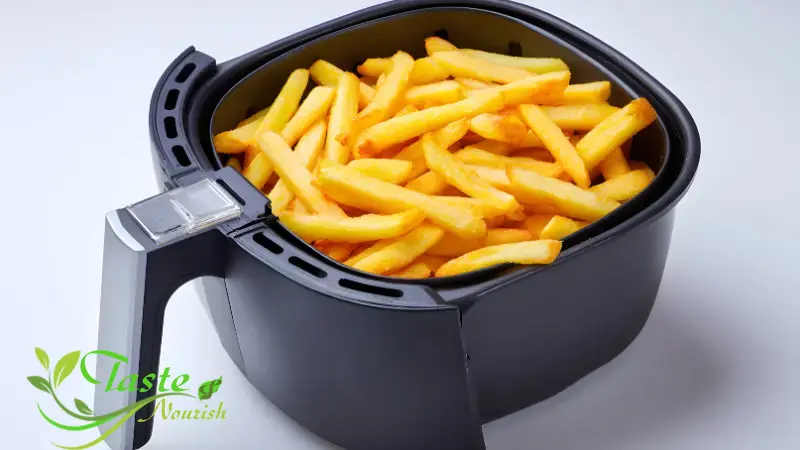
The Ultimate Guide to Air Fryer Sweet Potato Fries: Crispy, Healthy, and Perfectly Seasoned
If you’ve ever craved the crispy, golden perfection of restaurant-style sweet potato fries but wanted to skip the guilt of deep frying, the air fryer is your answer. But here’s what most recipes won’t tell you: making truly crispy air fryer sweet potato fries isn’t just about throwing sliced potatoes into a basket and hoping for the best. There’s science, technique, and a few insider secrets that separate soggy disappointments from restaurant-quality fries that’ll have everyone asking for your recipe.
This comprehensive guide goes beyond the basics to help you understand the why behind every step, troubleshoot common problems, and master variations that will keep your sweet potato fries exciting meal after meal.
Why Air Fryer Sweet Potato Fries Are a Game-Changer
The Health Revolution
Air frying has transformed how we enjoy traditionally indulgent foods, and sweet potato fries are the perfect example of this revolution. Here’s what makes them so special:
Dramatic Fat Reduction
Traditional deep-fried sweet potato fries can absorb significant amounts of oil during cooking, often containing 15-20 grams of fat per serving. Air fryer sweet potato fries require only 1-2 teaspoons of oil for the same serving size, reducing fat content by 70-80% compared to deep frying.
Fewer Harmful Compounds
One of the most compelling health benefits of air frying is the reduction of acrylamide, a potentially carcinogenic compound that forms when starchy foods are cooked at high temperatures. Research has demonstrated that air frying can reduce acrylamide formation by 75-90% compared to conventional deep-frying methods. This happens because air fryers use lower oil volumes and more controlled temperatures, both of which minimize acrylamide development.
Preserved Nutrition
Sweet potatoes lose fewer nutrients when air fried compared to deep frying. The shorter cooking time and lower oil exposure help retain more beta-carotene (vitamin A precursor), vitamin C, and beneficial plant compounds. Studies show that air frying can preserve 70-80% of heat-sensitive nutrients, while deep frying may result in 40-60% nutrient retention.
Better Glycemic Control
Air frying sweet potatoes at controlled temperatures (375-400°F) helps maintain more resistant starch compared to deep frying at higher temperatures (350-375°F in oil). This results in a slightly lower glycemic response, making them more suitable for blood sugar management.
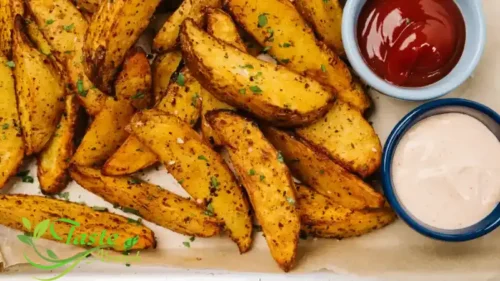
The Convenience Factor
Beyond health benefits, air fryer sweet potato fries offer practical advantages:
- Speed: Ready in 15-20 minutes versus 30-40 minutes for oven-baked
- No preheating: Most air fryers don’t require preheating (though it helps)
- Easy cleanup: No oil splatter, no messy baking sheets
- Energy efficient: Uses less energy than heating a full-size oven
- Consistent results: Circulating hot air cooks more evenly than conventional ovens
Understanding Sweet Potato Selection for Perfect Fries
Not all sweet potatoes are created equal when it comes to making fries. The variety you choose significantly impacts texture, taste, and nutritional content.
Best Sweet Potato Varieties for Air Frying
Orange-Fleshed Varieties (Beauregard, Covington, Jewel, Garnet)
- Texture: Moist, tender interior with slightly fibrous texture
- Flavor: Naturally sweet with classic sweet potato taste
- Best for: Traditional sweet fries, those seeking maximum vitamin A
- Challenge: Higher moisture content can lead to sogginess if not prepared correctly
- Beta-carotene content: Exceptionally high (8,500-9,000 µg per 100g cooked)
White/Cream-Fleshed Varieties (Hannah, O’Henry, Japanese)
- Texture: Drier, denser, more similar to regular potatoes
- Flavor: Mildly sweet with subtle, delicate taste
- Best for: Crispier fries, savory preparations, those managing blood sugar
- Advantage: Lower moisture means naturally crispier results
- Glycemic response: Lower than orange varieties (GI: 44-60 vs. 70-80)
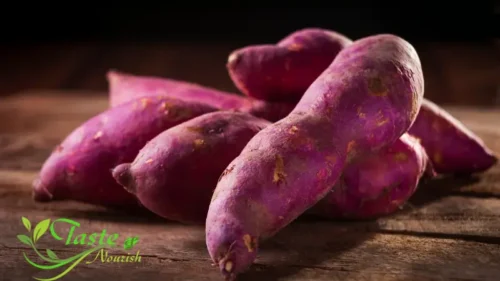
Purple-Fleshed Varieties (Stokes Purple, Okinawan)
- Texture: Dense, holds shape exceptionally well
- Flavor: Moderately sweet with nutty undertones
- Best for: Visual impact, antioxidant seekers, unique presentations
- Special benefit: High in anthocyanins (powerful antioxidants not found in orange varieties)
- Note: Color becomes more vibrant when cooked
Selection Tips at the Store
Look for sweet potatoes that are:
- Firm and heavy for their size (indicates freshness and moisture content)
- Smooth-skinned without soft spots, bruises, or sprouting eyes
- Medium-sized (8-10 ounces each) for consistent fry sizing
- Uniform diameter so slices are similar thickness
- Free from cuts or cracks which indicate age or poor storage
Avoid sweet potatoes that:
- Feel soft or have any give when squeezed
- Show signs of sprouting or shriveling
- Have a musty or off smell
- Display dark patches or wet spots
- Are stored in the refrigerator at the store (this can cause hard core and off-flavors)
The Science of Crispy Air Fryer Sweet Potato Fries
Understanding what makes fries crispy versus soggy is the key to consistent success.
Moisture Is Your Enemy (And Friend)
The crispiness of any fry comes down to one thing: getting moisture out of the surface while maintaining interior tenderness. Sweet potatoes present a unique challenge because they contain more natural moisture and sugar than regular potatoes.
Why Sweet Potatoes Are Trickier Than Regular Potatoes:
- Higher natural sugar content (4-9g per 100g vs. 0.8g in white potatoes)
- More moisture content (75-80% vs. 70-75% in russet potatoes)
- Different starch composition (lower amylose, higher amylopectin)
- Tendency to caramelize quickly due to sugars
The Crispy Formula:
- Surface dryness = Less steam = Better crisping
- Thin coating of oil = Even heat transfer = Golden exterior
- High heat = Rapid moisture evaporation = Crisp texture
- Space between fries = Air circulation = No steaming
- Minimal crowding = Maximum crispness per fry
The Role of Starch
Cornstarch has become the secret weapon for ultra-crispy fries, and here’s why it works:
How Cornstarch Creates Crispiness:
- Absorbs surface moisture before it can create steam
- Forms a protective barrier that crisps up beautifully
- Creates a lighter texture than flour coatings
- Stays crispy longer after cooking
- Doesn’t add significant flavor, letting sweet potato shine
The Science: When cornstarch is heated, it undergoes gelatinization and then dehydration, creating a crispy, glass-like coating that’s significantly crunchier than potato skin alone.
Optimal Amount: 1-2 tablespoons per pound of sweet potatoes. Too much creates a chalky taste; too little doesn’t provide enough crispiness benefit.
Temperature Matters
Air fryers work best at 375-400°F for sweet potato fries. Here’s why:
At 375°F:
- Pros: More gentle cooking, less risk of burning, better for thicker cuts
- Cons: Takes slightly longer, may not get quite as crispy
- Best for: Beginners, thicker wedges, maximum nutrient retention
At 400°F:
- Pros: Maximum crispiness, faster cooking, better caramelization
- Cons: Requires more attention, easier to overcook, higher acrylamide formation
- Best for: Thin fries, experienced users, when time is limited
Above 400°F:
- Generally not recommended as sugars in sweet potatoes caramelize too quickly, leading to burning before the interior cooks
The Ultimate Air Fryer Sweet Potato Fries Recipe
This recipe has been tested and refined to deliver consistently crispy fries every single time.
Ingredients
For the Fries:
- 2 medium sweet potatoes (about 1.5 pounds / 680g)
- 1-2 tablespoons high-heat oil (avocado, refined coconut, or light olive oil)
- 1-2 tablespoons cornstarch (the secret to crispiness)
Basic Seasoning Blend:
- 1 teaspoon sea salt or kosher salt
- ½ teaspoon garlic powder
- ½ teaspoon smoked paprika
- ¼ teaspoon black pepper
- ⅛ teaspoon cayenne pepper (optional, for heat)
- ⅛ teaspoon cinnamon (optional, enhances natural sweetness)
Step-by-Step Instructions
Step 1: Prepare the Sweet Potatoes
- Scrub thoroughly under running water with a vegetable brush. You can leave the skin on for extra nutrition and texture, or peel for a more uniform appearance.
- Trim the ends and cut off any bruised or dark spots.
- Cut into fries:
- Slice potato lengthwise into ¼-inch thick planks
- Stack 2-3 planks and cut lengthwise into ¼-inch sticks
- Aim for uniform thickness (¼ to ⅜ inch) for even cooking
- Target length: 3-4 inches for optimal air circulation
Pro Tip: Use a mandoline slicer with a julienne blade for perfectly uniform fries, but watch your fingers!
Step 2: The Optional Soak (Highly Recommended)
This step is debated, but testing proves it makes a significant difference for sweet potato fries specifically.
- Place cut fries in a large bowl of cold water
- Soak for 15-30 minutes (or up to 2 hours in the refrigerator)
- Why it works:
- Removes excess surface starch that can cause sticking
- Reduces some natural sugars that can lead to burning
- Minimizes acrylamide formation by removing reducing sugars
- Creates a slightly crispier exterior
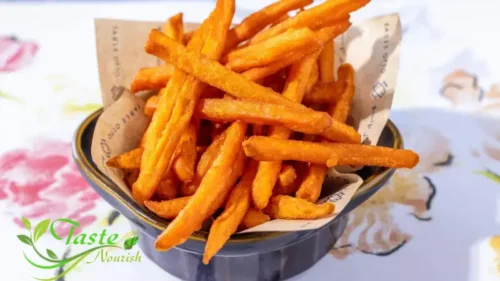
Step 3: Dry Completely (CRITICAL STEP)
This is where most people go wrong.
- Drain soaked fries in a colander
- Pat dry thoroughly with clean kitchen towels or paper towels
- Air dry for 5 minutes on towels, flipping once
- The fries should feel dry to the touch before proceeding
Why this matters: Any moisture left on the surface will turn to steam in the air fryer, preventing crispiness and causing fries to stick together.
Step 4: Season and Coat
- Transfer dried fries to a large mixing bowl
- Add cornstarch and toss until evenly coated (fries should look lightly dusty)
- Drizzle with oil (start with 1 tablespoon, add more if needed)
- Toss thoroughly until every fry is lightly coated
- Add seasoning blend and toss again
- Let sit for 2-3 minutes to allow seasonings to adhere
Oil Distribution Tip: Using a spray bottle with oil provides the most even, minimal coating.
Step 5: Air Fry to Perfection
- Preheat air fryer to 380°F for 3-5 minutes (if your model requires it)
- Arrange fries in a single layer in the basket
- Leave space between fries for air circulation
- Don’t stack or overlap
- Fill basket only 50-75% full
- You’ll likely need to cook in 2-3 batches
- Cook for 15-20 minutes total:
- First 8 minutes: Cook without disturbing
- Shake/flip at 8-minute mark
- Continue cooking 7-12 more minutes
- Check at 15 minutes, continue as needed until golden and crispy
- Signs of doneness:
- Golden brown color with some darker caramelized spots
- Crispy exterior when tapped with tongs
- Tender interior when pierced with a fork
- Edges are slightly curled
Step 6: Finish and Serve
- Transfer to a serving platter immediately
- Season with additional salt if desired (do this while hot)
- Serve immediately for maximum crispiness
- Garnish options: Fresh herbs (parsley, cilantro), lime wedges, grated Parmesan
Timing Adjustments by Cut Style
| Cut Style | Thickness | Temperature | Total Time | Shake/Flip |
|---|---|---|---|---|
| Thin shoestring | ⅛ inch | 400°F | 10-13 min | At 6 min |
| Regular fries | ¼ inch | 380°F | 15-18 min | At 8 min |
| Thick-cut fries | ½ inch | 375°F | 20-25 min | At 10 & 15 min |
| Wedges | ¾-1 inch | 375°F | 25-30 min | At 12 & 20 min |
| Steak fries | 1 inch | 370°F | 30-35 min | Every 10 min |
Comprehensive Nutritional Information
Understanding the nutritional profile helps you make informed choices about portions and pairings.
Nutritional Comparison Table (Per 4 oz / 113g Serving)
| Preparation Method | Calories | Total Fat | Carbs | Fiber | Sugar | Protein | Vitamin A (% DV) |
|---|---|---|---|---|---|---|---|
| Air Fried (1 tsp oil) | 100-120 | 1-2g | 23-25g | 3-4g | 5-6g | 2g | 180-220% |
| Air Fried (with cornstarch) | 110-130 | 2-3g | 24-26g | 3-4g | 5-6g | 2g | 180-220% |
| Deep Fried (restaurant) | 280-350 | 15-20g | 35-40g | 4-5g | 6-8g | 3g | 150-180% |
| Oven Baked (2 tsp oil) | 130-150 | 3-4g | 24-26g | 3-4g | 5-6g | 2g | 180-220% |
| Boiled (no oil) | 85-95 | 0.1g | 20-22g | 3g | 4-5g | 2g | 200-250% |
Detailed Nutrient Breakdown (Air Fried, 4 oz serving with 1 tsp oil)
Macronutrients:
- Calories: 110-120 kcal
- Protein: 2g (4% of calories)
- Carbohydrates: 24g (80% of calories)
- Dietary Fiber: 3.5g (14% DV)
- Sugars: 5-6g (natural)
- Complex starches: 15-16g
- Fat: 2g (16% of calories)
- Saturated: 0.3g
- Monounsaturated: 1.3g
- Polyunsaturated: 0.4g
Vitamins:
- Vitamin A: 200% DV (primarily as beta-carotene: 9,000-11,000 µg)
- Vitamin C: 25-30% DV (15-18mg)
- Vitamin B6: 15% DV
- Vitamin B7 (Biotin): 30% DV
- Vitamin E: 8% DV
Minerals:
- Potassium: 380-420mg (11% DV)
- Manganese: 20% DV
- Copper: 10% DV
- Magnesium: 6% DV
- Iron: 6% DV
- Calcium: 4% DV
Beneficial Compounds:
- Beta-carotene: 9,000-11,000 µg per serving
- Anthocyanins: 0-38 µg/g (depending on variety; highest in purple)
- Polyphenols: Chlorogenic acid and caffeic acid derivatives
- Resistant starch: 1-2g (helps with blood sugar control)
Glycemic Impact Comparison
| Preparation Method | Glycemic Index (GI) | Glycemic Load (GL) | Blood Sugar Impact |
|---|---|---|---|
| Air Fried (380°F) | 60-70 | 14-17 | Medium |
| Deep Fried (traditional) | 75-85 | 18-21 | Medium-High |
| Boiled | 44-50 | 10-12 | Low-Medium |
| Roasted/Baked (high temp) | 85-93 | 20-23 | High |
| Steamed | 46-55 | 11-13 | Low-Medium |
Key Takeaway: Air frying at moderate temperatures (375-380°F) provides a favorable middle ground—better glycemic control than deep frying or high-temperature roasting, while still delivering the crispy texture and caramelized flavor we crave.
Calorie Comparison with Regular French Fries
| Fry Type | Serving Size | Calories | Fat | Sodium |
|---|---|---|---|---|
| Air Fryer Sweet Potato | 4 oz (113g) | 110-120 | 2g | 350-400mg |
| Deep Fried Sweet Potato | 4 oz (113g) | 280-320 | 15-18g | 400-500mg |
| Air Fryer Regular Potato | 4 oz (113g) | 120-140 | 2-3g | 400-450mg |
| Deep Fried Regular Potato | 4 oz (113g) | 310-365 | 17-21g | 450-550mg |
| Fast Food Sweet Potato (small) | 3 oz (85g) | 260-340 | 13-19g | 480-620mg |
Flavor Variations and Seasoning Combinations
Don’t limit yourself to one seasoning blend. These variations keep sweet potato fries exciting.
Classic Sweet & Savory
Cinnamon Sugar:
- 1 tsp cinnamon
- 2 tsp brown sugar or coconut sugar
- ¼ tsp sea salt
- Pinch of nutmeg Best for: Dessert fries, brunch, kids
Maple Pecan:
- 1 Tbsp maple syrup (drizzle after cooking)
- 2 Tbsp chopped pecans (add last 2 minutes)
- ½ tsp cinnamon
- Pinch of sea salt Best for: Fall gatherings, holiday meals
Savory & Spicy
Cajun Spice:
- 1 tsp paprika
- ½ tsp garlic powder
- ½ tsp onion powder
- ½ tsp dried oregano
- ¼ tsp cayenne
- ¼ tsp black pepper
- ¾ tsp salt Best for: BBQ sides, burger accompaniment
Smoky Chipotle:
- 1 tsp chipotle powder
- ½ tsp smoked paprika
- ½ tsp cumin
- ¼ tsp garlic powder
- ¾ tsp salt Best for: Mexican-inspired meals, taco night
Curry Lime:
- 1 tsp curry powder
- Zest of 1 lime
- ½ tsp garlic powder
- ¼ tsp ginger powder
- ½ tsp salt
- Lime juice squeezed over after cooking Best for: Asian-fusion dishes, adventurous palates
Herbaceous & Mediterranean
Rosemary Parmesan:
- 1 Tbsp grated Parmesan (add after cooking)
- 1 tsp fresh rosemary, minced
- ½ tsp garlic powder
- ¼ tsp black pepper
- ½ tsp salt Best for: Italian meals, elegant dinners
Za’atar Spiced:
- 2 tsp za’atar spice blend
- ½ tsp sumac
- ¼ tsp garlic powder
- ½ tsp salt
- Drizzle of tahini sauce for dipping Best for: Middle Eastern meals, Mediterranean fare
Garlic Herb:
- 1 tsp garlic powder (or 2 cloves fresh, minced)
- 1 tsp Italian seasoning
- 1 Tbsp fresh parsley, chopped (add after cooking)
- ½ tsp salt
- ¼ tsp black pepper Best for: Versatile, pairs with most proteins
International Flavors
Korean-Inspired Gochugaru:
- 1 tsp gochugaru (Korean red pepper flakes)
- 1 tsp sesame seeds
- ½ tsp garlic powder
- ½ tsp salt
- Drizzle of sesame oil after cooking Best for: Asian bowls, bibimbap sides
Tandoori Masala:
- 1 tsp tandoori masala
- ½ tsp cumin
- ¼ tsp turmeric
- ½ tsp salt
- Yogurt-mint dipping sauce Best for: Indian-inspired meals, curry nights
Peri-Peri:
- 1 tsp peri-peri seasoning
- ½ tsp smoked paprika
- ¼ tsp cayenne
- Squeeze of lemon after cooking Best for: Portuguese/African-inspired dishes
Perfect Dipping Sauces
The right dipping sauce elevates sweet potato fries from good to unforgettable.
Healthier Sauce Options
Greek Yogurt Ranch:
- ½ cup plain Greek yogurt (2%)
- 1 Tbsp fresh dill, chopped
- 1 tsp garlic powder
- 1 tsp onion powder
- ½ tsp dried parsley
- Salt and pepper to taste
- 1 tsp lemon juice Calories per 2 Tbsp: ~25 cal, 0g fat
Sriracha Mayo (Lightened):
- ¼ cup light mayonnaise
- 1-2 Tbsp sriracha (adjust to heat preference)
- 1 tsp lime juice
- ½ tsp honey Calories per 2 Tbsp: ~60 cal, 5g fat
Avocado Cilantro Lime:
- 1 ripe avocado
- ¼ cup Greek yogurt
- Juice of 1 lime
- ¼ cup fresh cilantro
- 1 garlic clove
- Salt to taste
- 2-3 Tbsp water to thin Calories per 2 Tbsp: ~40 cal, 3g fat
Honey Mustard (Healthier):
- 3 Tbsp Dijon mustard
- 2 Tbsp honey
- 1 Tbsp Greek yogurt
- 1 tsp apple cider vinegar Calories per 2 Tbsp: ~50 cal, 0.5g fat
Indulgent Options (For Special Occasions)
Maple Bourbon Aioli:
- ½ cup mayonnaise
- 2 Tbsp pure maple syrup
- 1 Tbsp bourbon
- 1 tsp Dijon mustard
- 1 garlic clove, minced
Spicy Peanut Sauce:
- ¼ cup peanut butter
- 2 Tbsp soy sauce
- 1 Tbsp rice vinegar
- 1 Tbsp honey
- 1 tsp sriracha
- Thin with water to desired consistency
Chipotle Lime Crema:
- ½ cup sour cream
- 1-2 chipotle peppers in adobo, minced
- Juice and zest of 1 lime
- ½ tsp cumin
- Salt to taste
Troubleshooting Common Problems
Even with a great recipe, things can go wrong. Here’s how to fix the most common issues.
Problem: Soggy, Not Crispy Fries
Causes & Solutions:
- Fries weren’t dried enough
- Solution: Pat dry more thoroughly, let air dry for 5-10 minutes after towel drying
- Overcrowded air fryer basket
- Solution: Cook in smaller batches, fill basket only 50-60% full
- Too much oil used
- Solution: Use only 1-2 tsp per batch, spray bottle application works best
- Skipped the cornstarch
- Solution: Add 1-2 Tbsp cornstarch to the dry fries before adding oil
- Temperature too low
- Solution: Increase to 380-400°F
- Didn’t shake/flip during cooking
- Solution: Shake basket at the halfway point and again 5 minutes before done
Problem: Fries Burned on Outside, Raw Inside
Causes & Solutions:
- Temperature too high
- Solution: Reduce to 375°F and cook longer
- Fries cut too thick
- Solution: Cut to ¼ inch thickness or smaller
- Too much natural sugar in potatoes
- Solution: Soak fries for 30 minutes to remove excess sugars
- Fries not uniform size
- Solution: Take time to cut fries evenly, remove any tiny pieces
Problem: Fries Stick Together
Causes & Solutions:
- Not enough oil
- Solution: Ensure each fry has a light coating of oil
- Fries too wet when added
- Solution: Dry thoroughly before adding to basket
- Placed in basket while still wet from soaking
- Solution: Always pat completely dry
- Air fryer basket not clean
- Solution: Clean basket thoroughly before use, light spray of oil on basket
Problem: Uneven Cooking (Some Dark, Some Pale)
Causes & Solutions:
- Uneven fry sizes
- Solution: Take time to cut uniformly, remove tiny pieces
- Didn’t shake basket
- Solution: Shake at 8 minutes and again at 13 minutes
- Air fryer hot spots
- Solution: Shake more frequently, rotate fries to different areas of basket
- Overcrowded basket
- Solution: Cook in multiple batches
Problem: Not Sweet Enough
Causes & Solutions:
- Wrong variety chosen
- Solution: Use Beauregard, Garnet, or Jewel for maximum sweetness
- Temperature too high (burnt sugars)
- Solution: Lower temperature to 375°F
- Natural variation in potatoes
- Solution: Add a small drizzle of maple syrup or honey in last 2 minutes of cooking
Advanced Tips for Restaurant-Quality Results
Once you’ve mastered the basics, these pro techniques will take your fries to the next level.
The Double-Fry Method
Professional kitchens use this technique for the ultimate crispy exterior and fluffy interior:
- First fry: Cook at 350°F for 8-10 minutes (fries will look pale and partially cooked)
- Rest: Remove and let cool for 5-10 minutes (or up to 2 hours at room temperature)
- Second fry: Cook at 400°F for 5-7 minutes until golden and crispy
⇒ Why it works: The first fry cooks the interior, the rest allows moisture to escape, and the second fry creates the crispy exterior without overcooking the inside.
The Baking Soda Trick
Adding a pinch of baking soda to soaking water creates an even crispier exterior:
- Add ½ teaspoon baking soda to 4 cups cold water
- Soak cut fries for 15-30 minutes
- Rinse thoroughly and dry completely before proceeding
⇒ Baking soda (alkaline) breaks down pectin on the potato surface, creating a rougher texture that crisps up beautifully.
The Freezing Method for Meal Prep
Make big batches and have fries ready anytime:
- Cut and soak fries as usual
- Dry completely
- Toss with cornstarch (skip the oil)
- Spread on parchment-lined baking sheet
- Freeze until solid (2-3 hours)
- Transfer to freezer bags
- To cook: No need to thaw, add oil and seasonings, cook at 380°F for 18-22 minutes
Storage time: Up to 3 months in freezer
The Oil Infusion Technique
Create custom-flavored oil for extra depth:
- Gently heat 2 Tbsp oil with aromatics (garlic, rosemary, chili flakes) for 5 minutes
- Strain out solids
- Let oil cool completely
- Use infused oil to coat fries
Popular combinations:
- Garlic-herb oil
- Chili-lime oil
- Rosemary-lemon oil
- Ginger-sesame oil
Serving Suggestions and Meal Pairings
Sweet potato fries are incredibly versatile. Here’s how to incorporate them into complete meals.
As a Side Dish
Perfect Protein Pairings:
- Grilled chicken: Classic pairing, especially with herb-seasoned fries
- Burgers: Both beef and veggie burgers work beautifully
- Pulled pork: The sweetness complements smoky BBQ flavors
- Grilled fish: Especially salmon, halibut, or mahi-mahi
- Steak: Surprisingly good with a juicy steak
- Tofu or tempeh: Great vegetarian pairing with Asian seasonings
Meal Ideas:
- BBQ plate with ribs and coleslaw
- Fish and chips (with air fried fish!)
- Buddha bowls with roasted vegetables
- Sandwich platter for gatherings
- Brunch spread with eggs and avocado
As a Main Dish Component
Loaded Sweet Potato Fries Bowl:
- Base of air fryer sweet potato fries
- Top with black beans, corn, avocado
- Drizzle with lime crema or tahini
- Add fresh cilantro and pickled jalapeños Nutrition: ~400 calories, 12g protein, high fiber
Mediterranean Fries Platter:
- Crispy fries with za’atar seasoning
- Chickpeas and cucumber-tomato salad
- Tzatziki and hummus
- Crumbled feta Nutrition: ~450 calories, 15g protein
Sweet Potato Fry Tacos:
- Use fries as the filling
- Add black beans, salsa, guacamole
- Cabbage slaw for crunch
- Chipotle lime crema Nutrition: ~380 calories per 2 tacos
As an Appetizer or Snack
Game Day Nachos:
- Layer fries instead of tortilla chips
- Add cheese (optional), jalapeños, beans
- Bake briefly to melt cheese
- Top with all the nacho fixings
Fries Board:
- Arrange different seasoned fry varieties on a large platter
- Multiple dipping sauces in small bowls
- Perfect for parties and gatherings
Storage and Reheating
Proper storage maintains quality and food safety.
Short-Term Storage (Leftovers)
Refrigerator Storage:
- Allow fries to cool completely at room temperature (30 minutes maximum)
- Store in an airtight container lined with paper towel to absorb moisture
- Keep for up to 3-4 days
- Note: Fries will lose crispiness in the refrigerator
Best Reheating Methods:
- Air Fryer (Best Results):
- Preheat to 375°F
- Spread fries in single layer
- Heat for 3-5 minutes
- Shake basket once halfway through
- Result: Restores 80-90% of original crispiness
- Oven Method:
- Preheat oven to 400°F
- Spread on baking sheet in single layer
- Bake for 8-10 minutes, flipping once
- Result: Good crispiness, but takes longer
- Stovetop (Pan-Fry):
- Heat small amount of oil in skillet over medium-high heat
- Add fries in single layer
- Cook 2-3 minutes per side until crispy
- Result: Very crispy but adds extra oil
Avoid: Microwaving makes fries soggy and rubbery. Only use microwave if texture isn’t important.
Long-Term Storage (Freezing)
Freezer Storage Method:
- Prepare fries through the drying step
- Toss with cornstarch only (no oil or seasonings yet)
- Arrange in single layer on parchment-lined baking sheet
- Flash freeze for 2-3 hours until solid
- Transfer to freezer-safe bags or containers
- Label with date
- Store for up to 3 months
Cooking Frozen Fries:
- No need to thaw
- Toss frozen fries with oil and seasonings
- Air fry at 380°F for 18-22 minutes
- Shake basket twice during cooking
- Add 3-5 minutes to regular cooking time
Dietary Modifications and Allergen Information
Sweet potato fries can accommodate various dietary needs with simple adjustments.
Diet-Specific Variations
Vegan/Plant-Based:
- Use any plant-based oil (avocado, coconut, olive)
- Skip Parmesan in herb variations
- All seasonings are naturally vegan
- Pair with vegan dipping sauces (hummus, tahini-based)
Gluten-Free:
- Sweet potatoes are naturally gluten-free
- Cornstarch is gluten-free
- Check seasoning blends for hidden gluten
- All methods described are naturally gluten-free
Paleo:
- Use avocado oil or coconut oil
- Skip cornstarch (use arrowroot powder instead)
- Stick to simple salt and spice seasonings
- Avoid sugar-based seasonings
Whole30:
- Use compliant oil (avocado, coconut)
- Avoid sugar-containing seasonings
- Skip cornstarch or use cassava flour
- Choose savory herb seasonings
Low-Carb/Keto: Sweet potato fries aren’t typically keto-friendly due to carb content (24g per serving), but for low-carb dieters:
- Use smaller portions (2 oz serving = 12g carbs)
- Pair with high-fat dipping sauces
- Consider turnip or rutabaga fries as alternative
Diabetic-Friendly:
- Choose white-fleshed varieties (lower GI)
- Don’t skip the soaking step (reduces glycemic response)
- Air fry at lower temperatures (375°F)
- Keep portions to 3-4 oz
- Pair with protein and healthy fats to slow glucose absorption
- Add extra fiber by keeping skins on
Low-FODMAP:
- Sweet potatoes are moderate FODMAP (fructans)
- Limit serving to 2.6 oz (75g) for low-FODMAP
- Avoid garlic and onion powders (use garlic-infused oil instead)
- Skip honey-based dips
Allergen Information
Common Allergens:
- Contains: None naturally (sweet potatoes are tubers, not nuts/grains)
- May contain: Depends on oil choice and seasonings
- Tree nuts: If using walnut or pecan toppings
- Dairy: If using Parmesan or cheese-based seasonings
- Soy: If using soy-based oil or soy sauce in seasonings
- Gluten-free: Yes, naturally
- Nightshade-free: Yes (sweet potatoes are morning glory family, not nightshades)
Special Considerations for Different Life Stages
For Children and Picky Eaters

Kid-Friendly Strategies:
- Cut into thicker “steak fries” that are easier for small hands
- Keep seasoning simple (cinnamon-sugar is usually a hit)
- Let kids help shake the basket (supervised)
- Serve with fun dipping sauces in small cups
- Cut into fun shapes using cookie cutters (works best with thick rounds)
Nutritional Benefits for Kids:
- Excellent vitamin A for vision and immune health
- Natural sweetness appeals to young palates
- Fiber supports digestive health and regularity
- Potassium for growing muscles and bones
Recommended Serving Size by Age:
- Toddlers (1-3 years): 1-2 oz (28-56g)
- Preschoolers (3-5 years): 2-3 oz (56-85g)
- School-age (6-12 years): 3-4 oz (85-113g)
- Teens (13+ years): 4-6 oz (113-170g)
For Athletes and Active Individuals
Pre-Workout Fuel:
- Eat 2-3 hours before exercise
- 4-6 oz serving provides sustained carbohydrates
- Pair with small amount of protein
- Provides 350-450mg potassium to support muscle function
Post-Workout Recovery:
- Excellent complex carbs for glycogen replenishment
- Add protein source for muscle repair
- Higher GI of air-fried preparation helps with faster carb absorption
- Vitamin C supports collagen production and tissue repair
Performance Benefits:
- Complex carbohydrates for endurance
- Beta-carotene supports immune function (important during heavy training)
- Potassium helps prevent cramping
- Lower fat content compared to deep-fried versions won’t cause digestive discomfort
For Seniors
Nutritional Benefits:
- High vitamin A supports eye health and macular degeneration prevention
- Fiber aids digestive regularity
- Potassium supports heart health and blood pressure
- Antioxidants provide anti-inflammatory benefits
Preparation Considerations:
- Cut thicker for easier chewing if dental issues present
- Cook slightly longer for softer interior
- Reduce salt for those monitoring sodium
- Avoid very spicy seasonings that may cause digestive upset
During Pregnancy and Breastfeeding
Nutritional Benefits:
- Exceptional vitamin A source (important for fetal development)
- Folate supports neural tube development
- Fiber helps with pregnancy-related constipation
- Iron content supports increased blood volume
Safety Considerations:
- Air frying reduces acrylamide exposure (important during pregnancy)
- Ensure fries are cooked thoroughly
- Moderate vitamin A intake if consuming multiple servings daily
- Avoid excessive spicy seasonings if experiencing heartburn
Recommended Intake:
- Safe to consume 4-6 oz servings regularly
- Provides 200-300% vitamin A DV (safe form as beta-carotene, not retinol)
- Excellent alternative to higher-fat fried foods
Environmental and Sustainability Considerations
Making informed choices about sweet potato fries extends beyond nutrition.
Sweet Potato Sustainability
Environmental Benefits:
- Drought-tolerant crop requiring less irrigation than many vegetables
- Thrives in poor soil conditions, improving soil health
- Nitrogen-fixing capabilities reduce fertilizer needs
- High yield per acre (can produce 20,000-40,000 pounds per acre)
- Both roots and leaves are edible, reducing waste
Carbon Footprint:
- Generally lower than meat-based sides
- Domestic sweet potatoes (US-grown) have lower transportation emissions
- Processing into frozen fries increases carbon footprint by 2-3x
Air Fryer Sustainability
Energy Efficiency:
- Uses 50-70% less energy than conventional ovens
- Typical air fryer: 1,400 watts for 20 minutes = 0.47 kWh
- Conventional oven: 2,400 watts for 40 minutes = 1.6 kWh
- Energy savings per batch: ~70%
Comparison to Deep Frying:
- No large amounts of cooking oil to dispose
- Reduces oil waste and disposal environmental impact
- Lower overall energy consumption for home cooking
- Reduces fire hazard and safety risks
Making Sustainable Choices
Best Practices:
- Buy locally grown sweet potatoes when possible (reduces transportation emissions)
- Choose organic when budget allows (reduces pesticide use)
- Use the entire sweet potato, including peels (compost scraps)
- Avoid food waste by proper storage and reheating techniques
- Cook full batches to maximize energy efficiency
- Clean air fryer regularly for optimal efficiency
Cost Analysis: Air Fryer vs. Restaurant vs. Frozen
Understanding the economics helps you appreciate the value of homemade air fryer fries.
Cost Breakdown Per Serving (4 oz)
| Source | Cost Per Serving | Prep Time | Quality | Health Rating |
|---|---|---|---|---|
| Homemade Air Fryer | $0.75-1.25 | 10 min active / 25 min total | Excellent | ★★★★★ |
| Restaurant/Fast Food | $4.00-7.00 | 0 (pick-up) / 30-45 (dine-in) | Good-Excellent | ★★☆☆☆ |
| Frozen (Store-bought) | $1.50-2.50 | 2 min / 20 min | Fair-Good | ★★★☆☆ |
| Oven-Baked Fresh | $0.80-1.30 | 15 min / 45 min | Good-Excellent | ★★★★☆ |
| Deep-Fried at Home | $2.00-3.50 | 10 min / 30 min | Excellent | ★★☆☆☆ |
Annual Savings
If eating sweet potato fries once per week:
- Restaurant cost: $260/year (52 servings × $5 average)
- Homemade air fryer: $52/year (52 servings × $1 average)
- Annual savings: $208
If eating twice per week:
- Restaurant cost: $520/year
- Homemade air fryer: $104/year
- Annual savings: $416
Cost Breakdown for Homemade (Per Batch)
- 2 medium sweet potatoes: $0.60-1.00
- 1 Tbsp oil: $0.10-0.15
- 1 Tbsp cornstarch: $0.05
- Seasonings: $0.05-0.10
- Total per batch (4 servings): $0.80-1.30
- Per serving cost: $0.20-0.33
Additional Considerations:
- Air fryer electricity: ~$0.05-0.08 per batch
- Water for soaking: Negligible
- Total cost including utilities: $0.85-1.40 per batch
Frequently Asked Questions
Do I really need to soak sweet potato fries?
While not absolutely necessary, soaking provides multiple benefits:
- removes excess surface starch preventing sticking
- reduces natural sugars that can cause burning
- creates a slightly crispier exterior
- reduces acrylamide formation by 20-30%.
For best results, soak for 15-30 minutes, though you can skip this step if you’re short on time.
Can I make sweet potato fries without cornstarch?
Yes, but they won’t be quite as crispy. Cornstarch creates a superior crispy coating by absorbing surface moisture and forming a crunchy barrier when heated. Alternatives include arrowroot powder (similar results), potato starch (slightly less crispy), or a very light dusting of all-purpose flour. You can also skip it entirely—just expect softer fries with less crunch.
Why are my sweet potato fries soggy?
The most common causes are:
- fries weren’t dried thoroughly after soaking
- air fryer basket was overcrowded
- too much oil was used
- fries weren’t shaken during cooking
- temperature was too low.
The solution: ensure fries are completely dry, cook in smaller batches with space between each fry, use only 1-2 teaspoons of oil, shake basket at the halfway point, and cook at 380-400°F.
Can I cook sweet potato fries from frozen without thawing?
Absolutely! In fact, it’s preferred. Cook frozen fries directly in the air fryer at 380°F for 18-22 minutes, shaking twice during cooking. The fries should already be coated in cornstarch before freezing—just add oil and seasonings before air frying. No need to thaw, which would add excess moisture.
What’s the best oil for air fryer sweet potato fries?
Avocado oil is ideal due to its high smoke point (520°F), neutral flavor, and healthy fat profile. Other excellent choices include refined coconut oil (neutral flavor, 400°F smoke point), light olive oil (not extra virgin, 465°F smoke point), or grapeseed oil (420°F smoke point). Avoid butter (burns easily) and extra virgin olive oil (smoke point too low at 350-410°F).
How do I prevent my fries from sticking to the air fryer basket?
Ensure fries are completely dry before adding to basket, use enough oil to lightly coat each fry (1-2 tsp per batch), make sure the basket is clean before starting, consider a light spray of oil directly on the basket, don’t overcrowd, and shake the basket 2-3 times during cooking to prevent fries from settling and sticking.
Are air fryer sweet potato fries healthy?
Yes, compared to deep-fried versions. They contain 70-80% less fat, have significantly reduced acrylamide formation (75-90% reduction), preserve more heat-sensitive nutrients like vitamin C and beta-carotene, and still provide all the beneficial fiber, vitamins, and minerals of sweet potatoes. However, they’re still a higher-carb food, so portions should be moderate for those managing blood sugar.
Can I make sweet potato fries ahead of time?
Yes! Cut and soak fries up to 24 hours ahead (store in water in the refrigerator), or prep through the drying and seasoning step and refrigerate for up to 8 hours before cooking. For longer storage, freeze prepared (but uncooked) fries for up to 3 months. Already-cooked fries can be refrigerated for 3-4 days and reheated in the air fryer for best results.
Why do my sweet potato fries burn on the outside but stay raw inside?
- This happens when:
- temperature is too high (reduce to 375°F)
- fries are cut too thick (aim for ¼ inch)
- fries contain too much natural sugar (try soaking to remove excess)
- cooking time is insufficient at proper temperature.
The solution: cut fries uniformly at ¼ inch thickness, soak for 20-30 minutes, cook at 375-380°F, and allow adequate time (15-20 minutes for thin fries).
What’s better for crispy fries: parchment paper or bare basket?
Use a bare basket for maximum crispiness. Parchment paper creates a barrier that reduces air circulation and can prevent browning. If you must use parchment (for very sticky marinades), use perforated air fryer parchment that allows air flow. Never use regular parchment—it can blow around and potentially touch the heating element.
Can I reheat leftover sweet potato fries in the air fryer?
Yes, and it’s the best reheating method! Preheat air fryer to 375°F, spread fries in a single layer, and heat for 3-5 minutes until crispy again. This restores 80-90% of the original texture. Avoid microwaving, which makes them soggy. If fries seem dry, lightly spray with oil before reheating.
How many batches will I need to cook?
Most standard air fryers (3-5 quart capacity) can comfortably fit 2 cups of raw fries per batch without overcrowding. Two medium sweet potatoes yield approximately 4-5 cups of cut fries, requiring 2-3 batches for optimal crispiness. It’s better to cook multiple uncrowded batches than one overcrowded batch that turns out soggy.
Conclusion: Mastering the Art of Air Fryer Sweet Potato Fries
Air fryer sweet potato fries represent the perfect intersection of health, convenience, and satisfaction. By understanding the science behind crispy fries—moisture management, proper oil application, temperature control, and space for air circulation—you can consistently create restaurant-quality fries at home for a fraction of the cost and with significantly better nutrition.
The key takeaways for perfect fries every time:
- Choose the right variety based on your texture and nutrition goals
- Cut uniformly to ensure even cooking (¼ inch is ideal)
- Soak and dry thoroughly to remove excess sugars and surface moisture
- Use cornstarch for maximum crispiness
- Apply minimal oil (1-2 teaspoons per batch)
- Don’t overcrowd the basket—cook in batches
- Shake frequently to ensure even browning
- Cook at 380°F for the best balance of crispy exterior and tender interior
Whether you’re making classic seasoned fries for a weeknight dinner, experimenting with international flavor profiles, or creating loaded fries as a complete meal, the air fryer makes it achievable without the guilt of deep frying. With 70-80% less fat than traditional fries, dramatically reduced acrylamide formation, and preserved nutrition, air fryer sweet potato fries prove you don’t have to sacrifice health for flavor.
The versatility of sweet potato fries means they can accommodate virtually any dietary need—vegan, gluten-free, paleo, or diabetic-friendly with simple modifications. They pair beautifully with countless proteins and vegetables, work as sides or main dishes, and even transition from savory to sweet preparations with just a seasoning change.
Most importantly, making your own air fryer sweet potato fries gives you complete control over ingredients, seasoning, and portions while saving significant money compared to restaurant versions. At an annual savings of $200-400 for regular consumption, the air fryer pays for itself quickly while delivering healthier, tastier results.
Now it’s time to preheat that air fryer and experience the crispy, golden perfection of homemade sweet potato fries. Your taste buds—and your body—will thank you.
Scientific References
- Gadiraju, T. V., Patel, Y., Gaziano, J. M., & Djoussé, L. (2015). “Fried Food Consumption and Cardiovascular Health: A Review of Current Evidence.” Nutrients, 7(10), 8424-8430. Available at: https://www.ncbi.nlm.nih.gov/pmc/articles/PMC4632424/
- Granda, C., & Moreira, R. G. (2005). “Kinetics of Acrylamide Formation During Traditional and Vacuum Frying of Potato Chips.” Journal of Food Process Engineering, 28(5), 478-493. Research demonstrates air frying significantly reduces acrylamide formation compared to deep frying. Available at: https://www.sciencedirect.com/science/article/abs/pii/S0963996918307257
- Rausch, K. M., et al. (2022). “Sweet Potato Is Not Simply an Abundant Food Crop: A Comprehensive Review of Its Phytochemical Constituents, Biological Activities, and the Effects of Processing.” Antioxidants, 11(9), 1648. Available at: https://www.ncbi.nlm.nih.gov/pmc/articles/PMC9495970/
Additional Resources
Recipe Quick Reference Card
- Print this section for easy kitchen reference
- 2 medium sweet potatoes, cut into ¼-inch fries
- Soak 15-30 minutes, dry thoroughly
- Toss with 1-2 Tbsp cornstarch
- Add 1-2 tsp oil and seasonings
- Air fry at 380°F for 15-18 minutes
- Shake basket at 8 minutes
- Serve immediately for maximum crispiness
Recommended Equipment
- Sharp chef’s knife or mandoline slicer
- Large mixing bowl
- Clean kitchen towels or paper towels
- Oil spray bottle (for minimal, even coating)
- Kitchen timer
- Air fryer with 3+ quart capacity
This guide is for informational purposes only and should not replace professional medical or nutritional advice. Always consult with healthcare providers regarding specific dietary needs and health conditions.