
11 Sweet Potato Varieties | Nutrition, Cooking & Health Guide
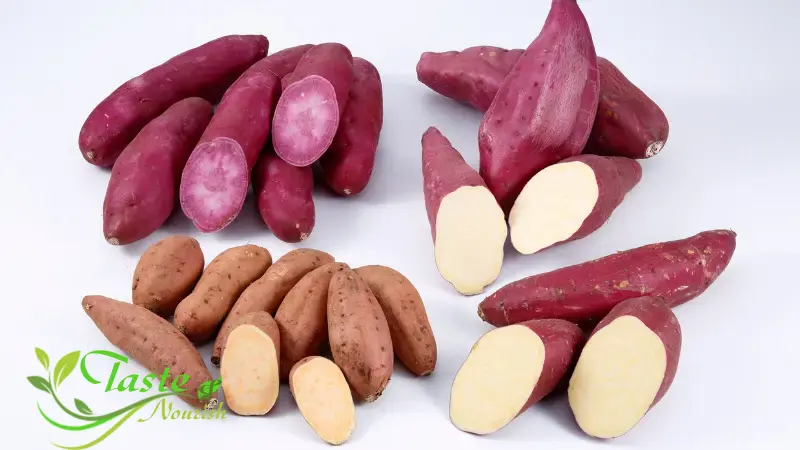
Sweet potatoes are far more than just a Thanksgiving side dish. These versatile root vegetables, scientifically known as Ipomoea batatas, belong to the morning glory family and offer an impressive array of varieties that differ dramatically in taste, texture, color, and nutritional profile. Whether you’re seeking the perfect potato for baking, roasting, or mashing, understanding the nuances between varieties can transform your cooking and maximize the health benefits you receive.
Understanding Sweet Potato Variety Classifications
Unlike regular potatoes (which belong to the nightshade family), sweet potatoes come in three primary flesh color categories, each with distinct nutritional characteristics and culinary applications:
Orange-Fleshed Varieties
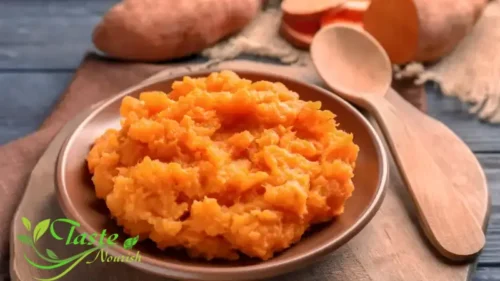
These are the most familiar and widely available sweet potatoes in North America. Their vibrant orange color signals exceptionally high beta-carotene content, making them nutritional powerhouses for vitamin A intake.
Purple-Fleshed Varieties
Distinguished by their deep purple to magenta interior, these varieties are rich in anthocyanins, powerful antioxidants that provide unique health benefits not found in orange varieties.
White and Cream-Fleshed Varieties
These lighter varieties tend to have a drier, starchier texture more similar to regular potatoes, with a subtler sweetness and different nutritional profile.
Detailed Diverse Profiles of Sweet Potatoes
Beauregard
Appearance: Light rose to copper-colored skin with deep, vibrant orange flesh.
Texture: Moist, slightly fibrous.
Flavor Profile: Reliably sweet with classic sweet potato taste.
Best Uses: All-purpose variety excellent for baking, roasting, mashing, casseroles, and pies.
Nutritional Highlight: High in beta-carotene; contains approximately 86 calories per 100g serving.
Storage: Good storage capability.
Special Notes: Developed in Louisiana in 1987, this variety dominates approximately 90% of U.S. sweet potato production alongside Jewel. Resistant to fusarium wilt and bacterial root rot.
Covington
Appearance: Rose-colored, smooth skin with bright orange flesh
Texture: Moist and smooth, more uniform than Beauregard
Flavor Profile: Sweet with slightly malty undertones when baked
Best Uses: Baking, roasting, and preparations requiring uniform sizing
Nutritional Highlight: 1-2% higher dry matter content than Beauregard
Storage: Superior storage ability compared to Beauregard
Special Notes: Released in 2009 by North Carolina State University as an improvement on Beauregard. Produces fewer jumbo roots and higher percentage of No. 1 grade roots. Excellent disease resistance package including fusarium wilt, Southern root-knot nematodes, and moderate resistance to Streptomyces soil rot.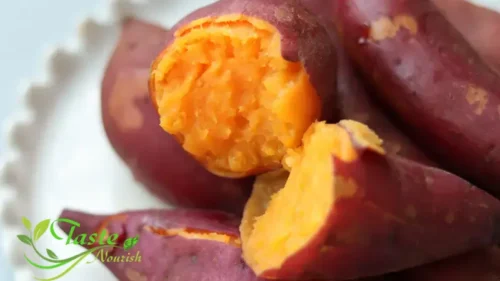
Jewel
Appearance: Deep copper skin with bright orange flesh.
Texture: Slightly firmer and less moist than Beauregard, holds shape well.
Flavor Profile: Sweet and dependable.
Best Uses: Baking, roasting, cubing for hashes, sweet potato pie, casseroles.
Nutritional Highlight: High vitamin A content.
Storage: Stores well but susceptible to Streptomyces soil rot.
Special Notes: Was the dominant variety in North Carolina during the 1970s-80s. Excellent for preparations requiring potatoes to hold their shape.
Garnet (Red Garnet)
Appearance: Dark reddish-orange skin with bright orange flesh.
Texture: Very moist, more so than Jewel or Beauregard.
Flavor Profile: Sweet with squash-like undertones.
Best Uses: Baking, soups, stews, casseroles, sweet potato pie.
Nutritional Highlight: Rich in beta-carotene and moisture content.
Special Notes: The high moisture content makes these ideal for recipes with added liquid or when you want an ultra-creamy texture.
Hannah
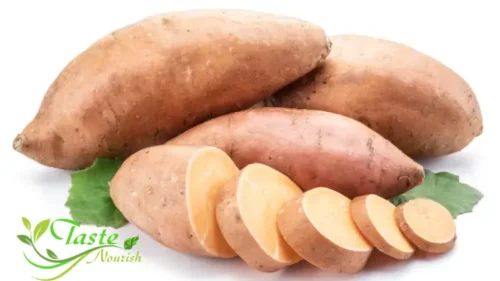
Appearance: Tan to pale yellow skin with creamy white to pale yellow flesh
Texture: Dry, dense, and firm (similar to russet potatoes)
Flavor Profile: Subtly sweet with delicate flavor
Best Uses: Mashing, roasting into cubes, making fries, preparations requiring lower sugar content
Nutritional Highlight: Lower sugar content; approximately 77 calories per 100g
Special Notes: Turns more golden when cooked. Excellent choice for those who prefer less sweetness or need better blood sugar control.
Japanese (Murasaki)
Appearance: Purple-red skin with pure white flesh
Texture: Dry, fluffy when cooked
Flavor Profile: Mildly sweet with subtle chestnut-like notes
Best Uses: Mashing, roasting, tempura, Asian-inspired dishes
Nutritional Highlight: Lower in beta-carotene but rich in dietary fiber
Special Notes: Popular at Trader Joe’s during Thanksgiving. The two names (Japanese and Murasaki) are often used interchangeably, though subtle variations may exist.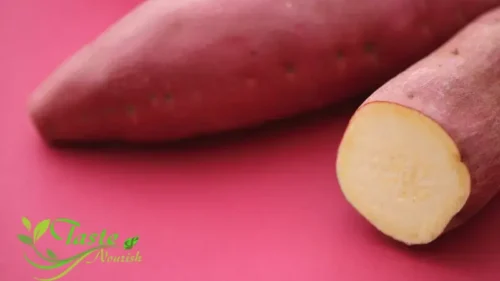
Okinawan (Purple Okinawan)
Appearance: Tan to beige skin with stunning magenta to deep purple flesh
Texture: Dense, holds shape exceptionally well
Flavor Profile: Moderately sweet with subtle earthy notes
Best Uses: Baking, roasting, steaming, boiling, scalloped preparations
Nutritional Highlight: Extremely high in anthocyanins (38.3 µg/g in some varieties); contains cyanidin, peonidin, delphinidin, and malvidin
Special Notes: The vibrant purple color intensifies rather than fades during cooking, making it spectacular for visual presentation.
Stokes Purple
Appearance: Dark purple skin and flesh throughout
Texture: Dense, moderately dry
Flavor Profile: Moderately sweet with nutty undertones
Best Uses: Roasting, making fries, hash, sweet potato pie (for dramatic color), baking
Nutritional Highlight: High anthocyanin content provides powerful antioxidant benefits
Storage: Excellent storage and shipping qualities
Special Notes: Developed in North Carolina. The purple color becomes more vibrant when cooked. Produces uniform, blocky to round elliptic shapes.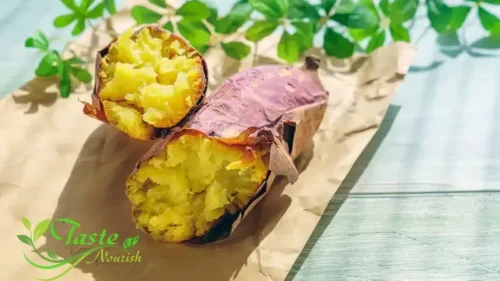
O’Henry
Appearance: Light tan to cream-colored skin with white to pale yellow flesh
Texture: Dense, heavy, and dry when baked
Flavor Profile: Lightly sweet with good flavor despite lower sugar content
Best Uses: Roasting, preparations requiring potatoes to hold shape, lower-sugar recipes
Nutritional Highlight: Lower glycemic response compared to orange varieties
Special Notes: Developed as a mutation of Beauregard. Has an ethnic following in certain markets. Roots tend to concentrate in hills under the plant.
Georgia Jet
Appearance: Light orange skin and flesh
Texture: Variable quality
Flavor Profile: Mildly sweet
Best Uses: Early harvest variety
Special Notes: One of the earliest varieties grown but known for inconsistent quality. Two strains exist on the market with varying quality levels. Generally not recommended for long-term storage due to susceptibility to soft rot.
Porto Rico
Appearance: Light colored skin with pale orange flesh
Texture: Moist
Flavor Profile: Sweet
Best Uses: Traditional preparations
Special Notes: Was the dominant U.S. variety from the 1930s-1950s. Excellent resistance to bacterial root rot.
Comprehensive Nutritional Comparison
Raw Sweet Potato Nutrition (per 100g serving)
| Variety Type | Calories | Protein (g) | Fat (g) | Carbs (g) | Fiber (g) | Sugar (g) | Vitamin A (% DV) | Vitamin C (mg) | Potassium (mg) |
|---|---|---|---|---|---|---|---|---|---|
| Orange-Fleshed (avg) | 86 | 1.6 | 0.1 | 20.1 | 3.0 | 4.2 | 107% | 2.4 | 337 |
| Purple-Fleshed | 85-90 | 3.2-8.8* | 0.5-1.0 | 18-22 | 3.3-3.8 | 1.4-4.0 | 0-20% | 2.5 | 320-350 |
| White-Fleshed | 77-85 | 1.6-2.1 | 0.1 | 17.7-20 | 2.5-3.0 | 3.5 | <5% | 2.5-3.0 | 360-420 |
| Regular Potato (comparison) | 77 | 2.1 | 0.1 | 17.5 | 2.1 | 0.8 | 0% | 19.7 | 425 |
*Purple varieties show significant variation in protein content depending on specific cultivar
Cooked Sweet Potato Nutrition (Baked, per 100g)
| Variety Type | Calories | Protein (g) | Carbs (g) | Fiber (g) | Vitamin A (% DV) | Beta-Carotene (mg) | Anthocyanins |
|---|---|---|---|---|---|---|---|
| Orange-Fleshed | 90 | 2.0 | 20.7 | 3.3 | 384% | 8,509 µg | Minimal |
| Purple-Fleshed | 88-95 | 2.1-2.5 | 20.5-22 | 3.5-4.0 | 5-25% | Low | 15-38 µg/g |
| White-Fleshed | 85-90 | 1.8-2.0 | 20-21 | 2.8-3.2 | <5% | Minimal | None |
Key Nutritional Insights by Variety
Highest Beta-Carotene (Vitamin A):
- Beauregard: 8,509 µg per 100g
- Covington: 8,200-8,400 µg per 100g
- Garnet: 8,600+ µg per 100g
Highest Anthocyanin Content:
- Okinawan varieties: Up to 38.3 µg/g
- Stokes Purple: 25-35 µg/g
- Purple Majesty: 20-30 µg/g
Highest Dietary Fiber:
- Purple varieties (avg): 16.5% in dried samples
- Hannah: 3.5g per 100g fresh
- Japanese/Murasaki: 3.3-3.8g per 100g
Lowest Glycemic Impact:
- Hannah and white-fleshed varieties: GI 44-60
- Japanese/Murasaki: GI 50-65
- Purple varieties: GI 60-70
- Orange varieties: GI 70-80
Highest Starch Content (for processing):
- Some purple varieties: Up to 67.2%
- White varieties: 50-60%
- Orange varieties: 43-55%
Bioactive Compounds and Health Benefits
Carotenoids (Orange Varieties)
Sweet potatoes are among the richest natural sources of beta-carotene, which converts to vitamin A in the body. Research demonstrates that consuming orange-fleshed sweet potatoes can significantly improve vitamin A status, particularly important for:
- Vision health: Beta-carotene protects against age-related macular degeneration
- Immune function: Vitamin A deficiency increases gut inflammation and reduces immune response
- Skin health: Acts as a natural UV protectant
Anthocyanins (Purple Varieties)
Purple sweet potatoes contain four primary anthocyanins: cyanidin, peonidin, delphinidin, and malvidin. Scientific studies have demonstrated multiple health benefits:
- Antioxidant activity: Purple varieties show 3-4 times higher antioxidant capacity than white varieties
- Brain health: Animal studies show anthocyanin-rich purple sweet potato extract reduces inflammation, prevents free radical damage, and improves spatial working memory
- Liver protection: Human studies with borderline hepatitis patients showed that consuming 400mg of anthocyanins daily from purple sweet potatoes may protect against oxidative stress
- Vision benefits: Anthocyanins protect eye cells from damage
- Anti-cancer properties: Strong evidence suggests purple sweet potatoes may help prevent colorectal cancer
Polyphenols and Dietary Fiber
All sweet potato varieties contain valuable polyphenols, particularly caffeoylquinic acid derivatives, which contribute to:
- Blood sugar management: Improved glycemic control in diabetic patients
- Gut health: Promotes growth of beneficial bacteria like Bifidobacterium and Lactobacillus
- Cardiovascular protection: Reduces oxidative stress and inflammation
- Digestive health: High fiber content (20-33g daily) linked to lower colon cancer risk and regular bowel movements
Documented Health Outcomes
According to systematic research reviews, sweet potato consumption has demonstrated improvements in:
- Blood glucose control and HbA1c levels
- Blood pressure regulation
- Vitamin A intake and status (particularly with orange varieties)
- Relief from constipation
- Liver function biomarkers
- Iron absorption when consumed with iron-rich foods
- Reduced markers of inflammation
Sweet Potato Cooking Methods and Their Impact on Nutrition
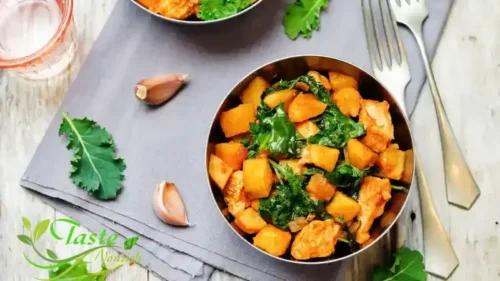
Different cooking methods significantly affect both the nutritional content and texture of sweet potatoes. Understanding these impacts helps you choose the best preparation for your health goals.
Cooking Methods Comparison Table
| Method | Temperature | Time | Texture Result | Nutrition Retention | Best Varieties | Glycemic Impact |
|---|---|---|---|---|---|---|
| Baking (Whole) | 400°F (204°C) | 45-60 min | Creamy, sweet | Retains 70%+ beta-carotene | Beauregard, Jewel, Garnet, Covington | Higher GI (85-95) |
| Roasting (Cubed) | 425°F (218°C) | 25-35 min | Caramelized, crispy edges | Retains 75-80% nutrients | All varieties | Medium-High GI (75-85) |
| Boiling (Whole, skin on) | 212°F (100°C) | 15-25 min | Soft, less sweet | Some nutrient leaching | All varieties | Lower GI (63-70) |
| Steaming | 212°F (100°C) | 15-20 min | Firm, least sweet | Highest retention (85%+) | Okinawan, Hannah, Japanese | Lowest GI (60-68) |
| Microwaving | High power | 5-8 min | Variable, quick | Good retention (75-80%) | All varieties | Medium GI (70-80) |
| Frying (French fries) | 350-375°F | 3-5 min per batch | Crispy, indulgent | Reduced nutrients, added fat | Hannah, Stokes Purple, Japanese | Variable (depends on oil) |
| Air Frying | 400°F (204°C) | 15-20 min | Crispy, less oil | Better than deep frying (70%) | All varieties | Medium GI (75-82) |
| Slow Cooking | 200-250°F | 4-6 hours | Very soft, sweet | Good retention | Beauregard, Covington | Higher GI |
Cooking Method Details and Recommendations
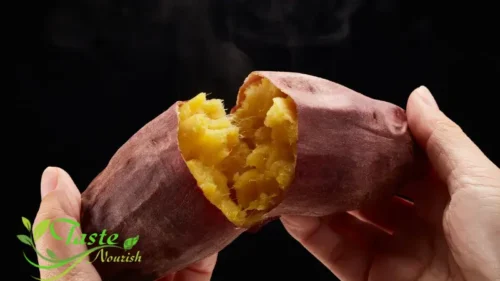
♦ Baking (Recommended for Maximum Sweetness)
Best for: Beauregard, Jewel, Garnet, Covington
Process: Prick skin with fork, bake whole at 400°F for 45-60 minutes
Pros: Develops natural sugars through caramelization, creates creamy texture, retains most beta-carotene
Cons: Higher glycemic response due to starch conversion
Tip: Keep skin on during baking to retain more nutrients and fiber
♦ Boiling (Recommended for Blood Sugar Management)
Best for: All varieties, especially when making mashed preparations
Process: Cut into even pieces, boil 15-25 minutes until fork-tender
Pros: Lower glycemic index compared to baking, quick cooking
Cons: Some water-soluble nutrients (vitamin C, B vitamins) leach into water
Tip: Use the cooking water in soups or sauces to recapture lost nutrients. Boiling with skin on reduces nutrient loss.
♦ Steaming (Highest Nutrient Retention)
Best for: Purple varieties (to preserve anthocyanins), health-conscious preparations
Process: Steam whole or cut potatoes for 15-20 minutes
Pros: Minimal nutrient loss (85%+ retention), no added fat, lowest glycemic response
Cons: Less flavor development than roasting or baking
Tip: Ideal for meal prep and recipes where you’ll add seasonings later
♦ Roasting (Best Flavor Development)
Best for: Covington, Beauregard, Garnet, Stokes Purple, Hannah
Process: Cut into 1-inch cubes, toss with minimal oil, roast at 425°F for 25-35 minutes
Pros: Caramelization enhances flavor, crispy edges, versatile seasoning options
Cons: Slight nutrient loss from high heat, requires added fat
Tip: Don’t overcrowd the pan; space allows caramelization. Flip halfway through for even browning.
♦ Microwaving (Time-Efficient Option)
Best for: Quick weeknight meals, meal prep
Process: Prick skin, microwave on high 5-8 minutes, turning once
Pros: Fast, minimal nutrient loss, no added fat
Cons: Less flavor development, can have uneven cooking
Tip: Wrap in damp paper towel to prevent drying. Let stand 2-3 minutes after cooking for even heat distribution.
♦ Air Frying (Healthier “Fries”)
Best for: Hannah, Stokes Purple, Japanese (lower moisture varieties)
Process: Cut into fries or wedges, toss with 1 tsp oil, air fry at 400°F for 15-20 minutes
Pros: Crispy texture with minimal oil, healthier than deep frying
Cons: Smaller batch cooking, some nutrient loss from high heat
Tip: Soak cut fries in cold water for 30 minutes before cooking for extra crispiness
♦ Mashing and Pureeing
Best for: Beauregard, Garnet, Jewel (for creamy mash), Hannah or Japanese (for drier, fluffier mash)
Process: Cook using any method above, then mash or puree
Pros: Versatile for savory and sweet applications, easy to incorporate add-ins
Tip: Orange varieties rarely need added butter or cream due to natural creaminess; white varieties benefit from added moisture
Nutritional Impact of Cooking
Beta-Carotene Retention:
- Baking: 70-75% retained
- Steaming: 80-85% retained
- Boiling (with skin): 75-80% retained
- Boiling (peeled): 60-65% retained
- Microwaving: 75-80% retained
Anthocyanin Retention (Purple Varieties):
- Steaming: 85-90% retained (BEST)
- Baking: 70-75% retained
- Boiling: 60-70% retained (significant leaching)
- Frying: 50-60% retained
Vitamin C Retention:
- Steaming: 80-85% retained
- Microwaving: 75-80% retained
- Boiling: 50-60% retained
- Baking: 65-70% retained
General Guidelines:
- Always keep the skin on when possible – it contains concentrated nutrients and fiber
- Shorter cooking times preserve more nutrients
- Avoid excessive water contact to minimize nutrient leaching
- Purple varieties benefit most from steaming or baking to preserve anthocyanins
- For diabetic-friendly preparations, opt for boiling or steaming to maintain lower glycemic response
Selecting the Perfect Sweet Potato for Your Needs
For Blood Sugar Management
Best Choices: Hannah, Japanese/Murasaki, O’Henry (white-fleshed varieties)
Cooking Method: Boiling or steaming
Why: Lower natural sugar content and lower glycemic index mean slower blood sugar rise
For Vitamin A Supplementation
Best Choices: Beauregard, Covington, Garnet
Cooking Method: Baking or roasting (enhances beta-carotene availability)
Why: Orange varieties provide 100-400% daily vitamin A needs in one serving
For Antioxidant Benefits
Best Choices: Okinawan, Stokes Purple, Purple Majesty
Cooking Method: Steaming or light roasting
Why: Maximum anthocyanin preservation provides anti-inflammatory and neuroprotective benefits
For Weight Management
Best Choices: Hannah, Japanese, any variety prepared simply
Cooking Method: Steaming, boiling, or air frying without excess fat
Why: Lower calorie density, high fiber promotes satiety
For Children and Picky Eaters
Best Choices: Beauregard, Jewel
Cooking Method: Baking or roasting with cinnamon
Why: Naturally sweet flavor appeals to young palates, creamy texture
For Athletic Performance/Recovery
Best Choices: Covington, Beauregard (higher dry matter content)
Cooking Method: Baking
Why: Higher complex carbohydrate content for sustained energy, good potassium for muscle function
For Digestive Health
Best Choices: Purple varieties, Hannah
Cooking Method: Any method with skin on
Why: Highest fiber content promotes gut health and feeds beneficial bacteria
Storage and Shelf Life by Variety
Storage Guidelines Table
| Variety | Optimal Storage Temp | Humidity | Shelf Life (Uncured) | Shelf Life (Cured) | Special Notes |
|---|---|---|---|---|---|
| Beauregard | 55-60°F (13-16°C) | 85-90% | 2-3 weeks | 4-6 months | Good storage variety |
| Covington | 55-60°F (13-16°C) | 85-90% | 3-4 weeks | 6-8 months | Superior storage among orange varieties |
| Jewel | 55-60°F (13-16°C) | 85-90% | 2-3 weeks | 4-5 months | Avoid damp storage |
| Garnet | 55-60°F (13-16°C) | 85-90% | 2-3 weeks | 3-5 months | High moisture requires careful curing |
| Hannah | 55-60°F (13-16°C) | 80-85% | 2-4 weeks | 4-6 months | Drier texture stores well |
| Japanese/Murasaki | 55-60°F (13-16°C) | 80-85% | 2-3 weeks | 4-5 months | Standard storage |
| Stokes Purple | 55-60°F (13-16°C) | 85-90% | 3-4 weeks | 5-7 months | Excellent storage and shipping |
| O’Henry | 55-60°F (13-16°C) | 85-90% | 2-3 weeks | 4-6 months | Good storage characteristics |
| Georgia Jet | 55-60°F (13-16°C) | 85-90% | 1-2 weeks | 2-3 months | Poor storage, prone to soft rot |
Curing Process (For Extended Storage)
To maximize storage life:
- Temperature: 85-90°F (29-32°C)
- Humidity: 85-90%
- Duration: 4-7 days
- Purpose: Heals minor wounds, develops protective skin layer, concentrates sugars
Post-Curing Storage:
- Move to cool, dry location (55-60°F)
- Maintain high humidity (85-90%)
- Avoid refrigeration (below 50°F causes hard core and off-flavors)
- Check regularly for soft spots or sprouting
![11 Sweet Potato Varieties | Nutrition, Cooking & Health Guide]()
Unique Applications by Variety
Beauregard: The All-Purpose Champion
- Classic sweet potato casserole with marshmallow topping
- Smooth, creamy sweet potato pie
- Pureed baby food
- Sweet potato pancakes
- Candied sweet potatoes
Stokes Purple: The Showstopper
- Vibrant purple sweet potato pie (maintains color)
- Purple sweet potato hummus
- Colorful sweet potato gnocchi
- Purple fries for visual impact
- Natural food coloring for baked goods
Hannah: The Savory Specialist
- Sweet potato gratin with herbs
- Curry and soup additions (won’t overpower)
- Sweet potato and rosemary focaccia
- Hash browns and breakfast hash
- Lower-sugar sweet potato “fries”
Japanese/Murasaki: The Asian Fusion Choice
- Tempura sweet potato
- Miso-glazed sweet potatoes
- Asian-style roasted vegetables
- Sweet potato donburi (rice bowl)
- Japanese sweet potato pie (unique flavor)
Garnet: The Holiday Favorite
- Ultra-creamy sweet potato puree
- Sweet potato soup (maximum creaminess)
- Sweet potato bread and muffins
- Candied sweet potato side dish
- Baby food (smooth texture)
Common Misconceptions About Sweet Potatoes
Myth 1: “Yams and Sweet Potatoes Are the Same”
Truth: True yams (Dioscorea species) are completely different tubers native to Africa and Asia, with rough, bark-like skin and dry, starchy flesh. What Americans call “yams” are actually orange-fleshed sweet potatoes. The confusion arose from enslaved Africans calling sweet potatoes “nyami” (their word for yam), and the name stuck.
Myth 2: “All Sweet Potatoes Are High in Sugar”
Truth: White and cream-fleshed varieties like Hannah and Japanese contain significantly less sugar (3.5g per 100g) compared to orange varieties (4.2g per 100g). Purple varieties can range from 1.4-4.0g depending on cultivar.
Myth 3: “Sweet Potatoes Are Bad for Diabetics”
Truth: When prepared properly (boiled or steamed rather than baked), sweet potatoes have a moderate to low glycemic index. Purple sweet potatoes have shown particular promise in improving glycemic control. The high fiber content and resistant starch also help moderate blood sugar response.
Myth 4: “The Skin Is Not Edible”
Truth: Sweet potato skin is not only edible but nutritious, containing concentrated fiber, antioxidants, and minerals. Purple varieties show even higher antioxidant activity in the peel than the flesh.
Myth 5: “Sweet Potatoes Need Butter and Sugar”
Truth: The natural sweetness and creaminess of varieties like Beauregard and Garnet make added fats and sugars unnecessary. Simple preparation with salt, pepper, and herbs can be delicious and much healthier.
Growing and Sustainability Considerations
Sweet potatoes offer remarkable sustainability advantages:
- Water Efficiency: Drought-tolerant once established
- Soil Health: Nitrogen-fixing capabilities improve soil quality
- Low Input: Requires fewer pesticides than many crops
- Climate Adaptability: Grows well in diverse climates
- Yield: High productivity per acre (some varieties produce 42,000 kg per hectare)
- Complete Utilization: Both roots and leaves are edible and nutritious
Top Varieties for Home Growing:
- Beauregard: Widely available slips, reliable performance
- Covington: Excellent disease resistance, uniform size
- Purple Majesty: Unique color, good yields in sandy soil
- Jewel: Historical variety, prolific plant production
The Future of Sweet Potato Varieties
Breeding programs continue developing new varieties with enhanced traits:
- Improved Disease Resistance: Varieties resistant to multiple soil-borne pathogens
- Enhanced Nutritional Profiles: Higher anthocyanin and beta-carotene concentrations
- Climate Adaptation: Varieties suited for shorter growing seasons and diverse climates
- Processing Quality: Cultivars optimized for specific commercial applications (flour, starch, anthocyanin extraction)
- Sustainable Agriculture: Varieties requiring fewer inputs while maintaining yields
Recent releases like LA 06-52 show promise with improved flavor profiles relying more on fructose than sucrose, creating a distinctly different sweetness. The Monaco variety offers benefits for organic growers with its upright, compact growth that suppresses weeds naturally.
Conclusion
Sweet potatoes represent far more than a single vegetable—they’re a diverse family of nutrient-dense foods offering something for every palate, dietary need, and culinary application. From the familiar comfort of a Beauregard to the stunning vibrancy of Stokes Purple and the subtle sophistication of Japanese varieties, understanding these differences empowers you to make informed choices that align with your health goals and taste preferences.
Whether you’re managing blood sugar, boosting vitamin A intake, seeking powerful antioxidants, or simply looking for delicious, satisfying nutrition, there’s a sweet potato variety perfectly suited to your needs. The key lies in matching variety characteristics with appropriate cooking methods—steaming purple varieties to preserve anthocyanins, baking orange varieties to maximize beta-carotene availability, or boiling white varieties for better glycemic control.
As research continues to unveil the remarkable health benefits of these humble tubers—from improved gut health and enhanced immunity to potential cancer prevention and cognitive support—sweet potatoes deserve recognition as one of nature’s most perfect foods. Their sustainability, versatility, and nutritional density make them an invaluable addition to any diet, and understanding the nuances between varieties allows you to harness their full potential.
Scientific References
- Rausch, K. M., et al. (2022). “Sweet Potato Is Not Simply an Abundant Food Crop: A Comprehensive Review of Its Phytochemical Constituents, Biological Activities, and the Effects of Processing.” Antioxidants, 11(9), 1648. Available at: https://pmc.ncbi.nlm.nih.gov/articles/PMC9495970/
- Ooi, C. P., & Loke, S. C. (2013). “Nutrition-related health outcomes of sweet potato (Ipomoea batatas) consumption: A systematic review.” Food & Function, 13(11), 5921-5932. Available at: https://www.sciencedirect.com/science/article/abs/pii/S221242922200668X
- Islam, S. (2021). “A comprehensive review of sweet potato (Ipomoea batatas [L.] Lam): Revisiting the associated health benefits.” Trends in Food Science & Technology, 115, 512-529. Available at: https://www.sciencedirect.com/science/article/abs/pii/S0924224421004398
This guide is for informational purposes only and should not replace professional medical or nutritional advice. Always consult with healthcare providers regarding specific dietary needs and health conditions.