
Diet Orange Juice | Complete Nutrition Guide, Health Benefits & Better Alternatives
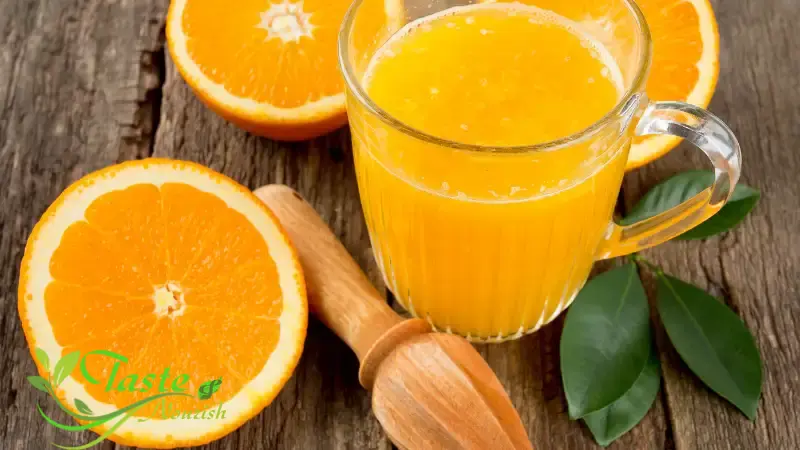
Diet Orange Juice: The Complete Guide to Low-Calorie Citrus Beverages
The refrigerated beverage aisle presents a tempting array of orange juice options, and among them, diet orange juice occupies a unique position. As consumers increasingly seek ways to enjoy familiar flavors while managing calorie intake, understanding what diet orange juice actually offers—and what trade-offs it involves—becomes essential for making informed dietary choices.
What Exactly Is Diet Orange Juice?
Diet orange juice represents a category of reduced-calorie orange juice products that attempt to deliver the flavor profile of traditional orange juice while containing significantly fewer calories and less sugar. Unlike regular orange juice, which derives its sweetness and calories entirely from the natural sugars in oranges, diet versions employ various strategies to reduce caloric content.
These beverages typically fall into three main categories:
- juice blends diluted with water and enhanced with artificial sweeteners.
- juice products made from concentrated formulations with added non-caloric sweeteners.
- juice alternatives that combine small amounts of real juice with flavor enhancers and sweetening.
agents. The resulting products can contain anywhere from 10 to 50 calories per serving, compared to the 110-120 calories found in an equivalent serving of regular orange juice.
The manufacturing process for diet orange juice differs substantially from traditional juice production. While regular orange juice involves pressing oranges and sometimes adding back flavor compounds lost during pasteurization, diet versions require additional processing steps to maintain palatability while reducing sugar content. This often includes precise blending ratios, careful selection of sweetening agents, and the addition of natural or artificial flavoring compounds to compensate for the reduced juice content.

Nutritional Profile: Breaking Down the Numbers
Understanding the nutritional landscape of diet orange juice requires examining how it compares to both regular orange juice and other beverage options. The differences extend far beyond simple calorie counts.
Comprehensive Nutritional Comparison Table
| Nutrient | Diet Orange Juice (8 oz) | Regular Orange Juice (8 oz) | Orange Juice from Concentrate (8 oz) | Fresh-Squeezed Orange Juice (8 oz) |
|---|---|---|---|---|
| Calories | 10-50 | 110-120 | 110-115 | 112-130 |
| Total Carbohydrates | 2-12g | 26-28g | 26-27g | 25-29g |
| Sugars | 0-3g | 21-24g | 20-23g | 20-25g |
| Protein | 0-1g | 2g | 1-2g | 2g |
| Fiber | 0-0.5g | 0.5g | 0.2-0.5g | 0.5-1g |
| Vitamin C | 60-120mg (varies by fortification) | 70-120mg | 60-90mg | 80-125mg |
| Potassium | 50-200mg | 450-500mg | 400-450mg | 450-500mg |
| Folate | 0-30mcg | 45-75mcg | 30-50mcg | 45-74mcg |
| Thiamin | 0-0.1mg | 0.2mg | 0.15-0.2mg | 0.2mg |
| Calcium (if fortified) | 0-350mg | 350mg (fortified) | 300-350mg (if fortified) | 0-27mg |
Micronutrient Considerations
The most significant nutritional compromise in diet orange juice involves the reduction of naturally occurring nutrients. Regular orange juice provides substantial amounts of potassium, an electrolyte crucial for heart function and blood pressure regulation. A single serving of traditional orange juice can provide approximately 10% of the daily recommended potassium intake, while diet versions may offer only 2-5%.
Folate content also diminishes substantially. Regular orange juice contains meaningful amounts of this B-vitamin, which plays essential roles in DNA synthesis and cell division. Pregnant women and those planning pregnancy particularly benefit from dietary folate sources, making the reduced levels in diet versions a consideration for these populations.
However, many diet orange juice products are fortified with vitamin C to levels matching or exceeding regular juice. Some manufacturers add calcium to compensate for reduced natural nutrient content, though the bioavailability of added minerals can differ from those naturally present in whole juice.
The Sweetener Situation
Diet orange juice products employ various sweetening strategies, each with distinct characteristics:
Sucralose appears in many diet juice formulations because it remains stable during pasteurization and storage. This artificial sweetener provides sweetness without calories but may alter gut microbiota composition according to emerging research, though studies specifically examining juice consumption remain limited.
Stevia-based sweeteners derive from the Stevia rebaudiana plant and appeal to consumers seeking “natural” alternatives to artificial sweeteners. However, these compounds can impart a slightly bitter or licorice-like aftertaste that some consumers detect, particularly in products where they’re used as the sole sweetening agent.
Acesulfame potassium (Ace-K) frequently appears in combination with other sweeteners to create a more sugar-like flavor profile. It provides immediate sweetness but doesn’t perfectly replicate the temporal sweetness curve of natural sugars.
Monk fruit extract represents a newer addition to the diet beverage market. This natural sweetener comes from luo han guo fruit and provides intense sweetness without calories, though its inclusion typically increases product cost.
Many formulations combine multiple sweeteners to achieve optimal taste characteristics while minimizing the distinctive flavor notes individual sweeteners can contribute.

The Glycemic Response: Understanding Blood Sugar Impact
One of the most frequently cited advantages of diet orange juice involves its minimal impact on blood glucose levels. Regular orange juice, despite containing naturally occurring sugars, has a glycemic index (GI) of approximately 50-75, depending on processing methods and variety. This means it can cause moderate to rapid increases in blood sugar.
For individuals managing diabetes, pre-diabetes, or insulin resistance, these blood sugar spikes present genuine concerns. The carbohydrate content in regular orange juice—typically 26-28 grams per serving—requires insulin response comparable to eating a small piece of fruit plus additional simple carbohydrates.
Diet orange juice, containing minimal sugars and carbohydrates, produces negligible blood glucose elevation. This characteristic makes it potentially suitable for situations where traditional juice would be problematic. However, this advantage comes with important caveats that extend beyond the simple absence of sugar.
The lack of natural sugars also means the absence of the complete nutritional package that accompanies those sugars in whole juice. Phytonutrients like hesperidin and naringin, flavonoids with potential anti-inflammatory and cardiovascular benefits, occur in regular orange juice alongside its natural sugars. Some diet formulations retain these compounds if they contain sufficient real juice, but heavily diluted or synthetic versions provide few of these beneficial plant compounds.
Additionally, research suggests that the regular consumption of artificially sweetened beverages may paradoxically increase cravings for sweet foods and potentially influence metabolic responses over time, though individual responses vary considerably.
Health Implications: The Complex Reality
The health effects of diet orange juice extend beyond simple calorie mathematics and involve considerations that research is still working to fully understand.
Potential Benefits
Calorie reduction represents the most straightforward benefit. For individuals working to create a caloric deficit for weight loss, replacing regular orange juice with a diet version eliminates 60-110 calories per serving without requiring complete beverage substitution. Over time, this can contribute meaningfully to overall calorie reduction strategies.
Dental health preservation occurs because diet versions lack the sugars that oral bacteria metabolize into enamel-eroding acids. Regular orange juice, while nutritious, contains both natural sugars and citric acid, creating a particularly challenging environment for dental enamel. Diet versions maintain the citric acid but eliminate the sugar component of this equation.
Blood sugar management becomes more straightforward when beverages don’t contribute significant carbohydrates to meals. For those monitoring carbohydrate intake closely, diet orange juice offers the flavor experience of juice without requiring insulin adjustment or carbohydrate counting.

Legitimate Concerns
Artificial sweetener effects remain an active area of research. While regulatory agencies generally recognize artificial sweeteners as safe at typical consumption levels, emerging research examines their potential effects on gut microbiome composition, insulin sensitivity, and appetite regulation. Long-term studies specifically examining juice products remain limited, making definitive conclusions difficult.
Nutritional opportunity cost occurs when diet versions displace more nutritious beverages. While diet orange juice contains fewer calories than regular juice, water remains the optimal hydration choice for most people. If diet juice consumption reduces water intake or displaces actual fruit consumption, the trade-off may not favor overall nutritional quality.
Taste adaptation represents a subtler concern. Regular consumption of intensely sweet diet beverages may maintain preferences for high sweetness levels, potentially making naturally sweet whole foods like actual oranges seem less satisfying. This could theoretically discourage whole fruit consumption, though individual responses vary widely.
Processing considerations mean that diet orange juice undergoes more extensive manipulation than simple pressed juice. Additional processing steps, added ingredients, and the use of flavor compounds move these products further from whole food sources, which some nutrition philosophies view as inherently less desirable.
Comparison of Health Considerations Table
| Factor | Diet Orange Juice | Regular Orange Juice | Whole Oranges | Water |
|---|---|---|---|---|
| Calorie Content | Very Low (10-50) | Moderate (110-120) | Low-Moderate (60-80) | Zero |
| Blood Sugar Impact | Minimal | Moderate-High | Low-Moderate | None |
| Natural Nutrients | Low-Moderate | High | High | None |
| Fiber Content | None-Trace | Minimal | High (3-4g) | None |
| Satiety Factor | Low | Moderate | High | Moderate |
| Dental Acid Exposure | Moderate | High | Moderate | None |
| Processing Level | High | Moderate-High | Minimal | None |
| Cost per Serving | Moderate | Moderate | Low-Moderate | Very Low |
Who Should Consider Diet Orange Juice?
Diet orange juice serves specific populations and situations more appropriately than others.
- People managing diabetes or pre-diabetes may find diet orange juice useful for occasions when they want juice flavor without carbohydrate counting complications. However, this should occur within a dietary pattern emphasizing whole foods and adequate hydration rather than as a primary beverage choice.
- Individuals in active weight loss phases might strategically use diet orange juice to reduce liquid calorie intake while maintaining familiar flavors. This works best as a transitional strategy rather than a permanent dietary fixture, ideally moving toward increased water consumption over time.
- Those with specific caloric restrictions due to medical conditions or under clinical supervision may incorporate diet orange juice as one component of carefully managed nutritional plans. In medically supervised very-low-calorie diets, these beverages can provide flavor variety within strict caloric parameters.
- People who strongly prefer juice flavor but need to moderate sugar intake for any reason might choose diet versions as a compromise position, accepting the trade-offs in exchange for flavor satisfaction.
- However, several groups should approach diet orange juice with particular caution.
- Pregnant and breastfeeding women generally benefit more from the complete nutritional profile of regular orange juice or whole fruit, as their nutritional needs increase rather than decrease during these periods. The folate in regular orange juice offers specific benefits during pregnancy that diet versions typically don’t match.
- Children and adolescents require nutrient-dense foods and beverages to support growth and development. The reduced nutrient content of diet orange juice makes it a poor choice for these age groups, who benefit more from either moderate amounts of regular juice or, better yet, whole fruits.
- Those with phenylketonuria (PKU) must strictly avoid aspartame, which appears in some diet juice products. Even trace amounts of this sweetener can be problematic for individuals with this metabolic disorder.
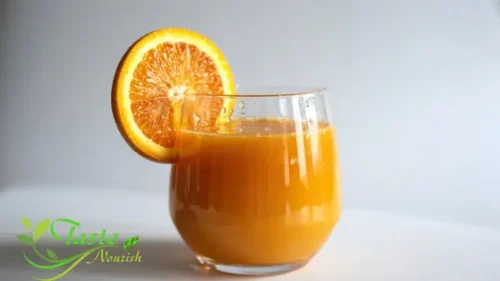
Making Diet Orange Juice at Home: Is It Possible?
Unlike store-bought versions, creating a truly satisfying diet orange juice at home presents significant challenges. The commercial products benefit from precise blending, professional flavor chemistry, and specialized ingredients not readily available to home cooks.
However, you can create reduced-calorie orange beverages at home with more control over ingredients.
♦ The simplest approach involves diluting regular orange juice with water or sparkling water, then adding a small amount of your preferred non-caloric sweetener to taste. A ratio of one part juice to two or three parts water reduces calories substantially while maintaining some nutritional value from the juice concentrate.
For example, mixing 3 ounces of regular orange juice with 5 ounces of water creates an 8-ounce beverage containing approximately 40-45 calories and retaining about 40% of the original juice’s vitamin C, potassium, and other nutrients. Adding a small amount of stevia or another sweetener can enhance sweetness if desired.
♦ Another approach involves infusing water with orange slices, orange zest, and perhaps a touch of sweetener, creating an orange-flavored beverage rather than actual juice. While this provides minimal nutritional value beyond hydration, it avoids artificial ingredients and offers natural citrus flavor compounds.
The reality is that homemade versions won’t perfectly replicate commercial diet orange juice products, but they may offer a more wholesome alternative with ingredients you understand and control.
The Environmental and Economic Angle
Diet orange juice production involves considerations beyond nutrition and taste. The environmental footprint of these beverages includes not just orange cultivation and juice extraction but also the production of sweetening agents, additional processing steps, and often more complex packaging.
Artificial sweeteners require industrial chemical synthesis processes with their own environmental costs. Natural alternative sweeteners like stevia require agricultural land and processing facilities. The additional manufacturing steps for diet juices consume energy and water beyond what traditional juice production requires.
From a cost perspective, diet orange juice typically prices comparably to or slightly higher than regular orange juice, despite containing less actual juice. You’re essentially paying similar or higher prices for a product with reduced raw material content but increased processing complexity. This economic reality reflects the costs of sweetener procurement, additional processing steps, and often brand positioning rather than raw ingredient costs alone.
♦ Whole fresh oranges, when in season and locally available, provide superior nutrition at often lower per-serving costs than either type of juice. A pound of oranges typically yields 2-3 servings of fruit with complete fiber content, full nutrient profiles, and minimal processing or packaging waste.
Better Alternatives: A Hierarchical Approach
For most people in most situations, several alternatives offer superior nutritional profiles to diet orange juice:
- Water with citrus enhancement provides hydration without calories, artificial ingredients, or excessive sweetness. Adding fresh orange slices, lemon wedges, or a splash of 100% juice creates flavor interest without compromising the beverage’s essential simplicity.
- Whole fresh oranges deliver complete nutritional packages including fiber that promotes satiety, stabilizes blood sugar response, and supports digestive health. The act of eating whole fruit also involves more time and effort than drinking juice, which naturally moderates portion sizes and enhances satisfaction.
- Herbal teas with citrus notes offer warm or cold beverage options with natural flavor complexity, antioxidant compounds from tea leaves, and zero calories. Orange-spice tea blends or preparations combining green tea with fresh orange peel provide sophisticated flavor profiles that can satisfy juice cravings.
- Diluted regular orange juice represents a middle ground, reducing calories and sugar while maintaining more nutrients than diet versions. A mixture of half regular orange juice and half sparkling water cuts calories roughly in half while preserving meaningful amounts of potassium, folate, and natural phytonutrients.
- Vegetable juices with citrus like carrot-orange or tomato-orange combinations provide vegetable servings alongside fruit flavor, generally offering more diverse nutrient profiles than juice alone. These tend to be less sweet than pure fruit juices while still delivering satisfying flavor.
The Verdict: Where Does Diet Orange Juice Fit?
Diet orange juice occupies a specific niche in the beverage landscape. It succeeds as an occasional alternative for people who love juice flavor but need to minimize sugar or calories for specific health reasons. It functions adequately as a transitional beverage for those moving away from regular juice toward more optimal hydration choices.
However, it doesn’t represent an ideal long-term beverage choice for most people. The reduced nutritional content, presence of artificial sweeteners or sugar alcohols, and increased processing distinguish it from more wholesome options. Unlike regular orange juice, which provides concentrated nutrition from actual fruit, diet versions offer flavor simulation with minimal nutritional substance.
The most balanced approach treats diet orange juice as one occasional option within a varied beverage strategy centered primarily on water, supplemented by moderate amounts of whole fruit juice, and complemented by whole fruits that provide not just nutrients but also fiber and satiety.
For those who choose to consume diet orange juice, reading labels carefully remains essential. Nutritional profiles, sweetener types, and juice content percentages vary substantially among brands and products. Some contain meaningful amounts of real juice supplemented with sweeteners and water, while others are primarily flavored water with minimal actual juice content.
⇒ Ultimately, the “best” choice depends on individual health status, nutritional needs, taste preferences, and the context of your overall dietary pattern. Diet orange juice might serve specific purposes for specific people, but it shouldn’t displace whole fruits, adequate hydration, or the principle that the least processed options generally offer the most reliable nutrition.
Final Thoughts: Mindful Beverage Choices
The conversation around diet orange juice reflects broader questions about how we approach food and beverage choices in modern dietary culture. We increasingly seek to separate flavor experiences from their naturally occurring nutritional contexts, creating products that deliver sensory satisfaction without the calories or sugars evolution paired with those flavors.
This approach offers genuine benefits for people navigating specific health challenges, but it also creates potential pitfalls when deployed as a default strategy rather than a targeted intervention. The goal isn’t to create a diet of maximally processed, minimally caloric flavor simulations, but rather to develop sustainable eating patterns that provide satisfaction, nutrition, and pleasure in appropriate balance.
Diet orange juice can occupy a small role in such patterns for some people, but water, whole fruits, and other minimally processed options deserve the prominent positions on most people’s daily menus. The key lies not in perfect choices every time but in building overall patterns that support both immediate enjoyment and long-term health—an approach where diet orange juice might occasionally appear, but certainly doesn’t star.