
Orange Juice with Pulp Recipe | How to Make Fresh, Fiber-Rich Citrus at Home (2025 Guide)
Why Homemade Orange Juice with Pulp Is Worth Your Time
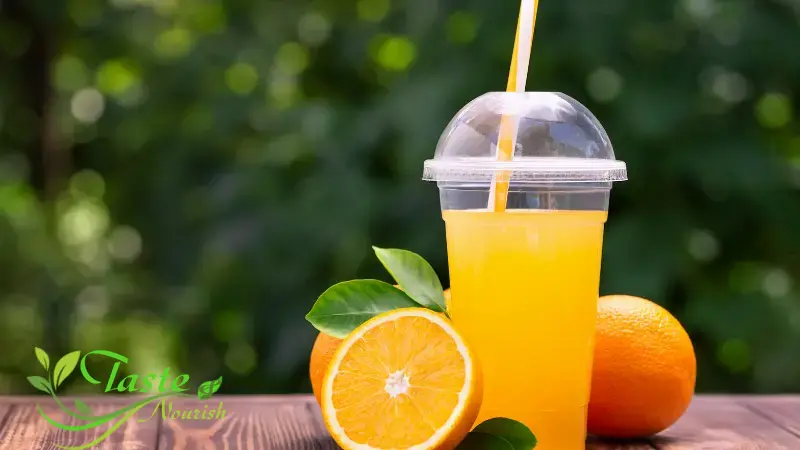
Looking for the perfect orange juice with pulp recipe? Homemade fresh-squeezed orange juice delivers unmatched flavor, nutrition, and quality compared to store-bought varieties. While commercial orange juice sits on shelves for weeks after pasteurization, making your own orange juice with pulp gives you living enzymes, vibrant taste, and complete nutritional benefits that fade over time.
The pulp isn’t just texture—it’s a fiber-rich, nutrient-dense component packed with flavonoids and digestive benefits. This comprehensive guide reveals everything you need to know: the science behind why pulp matters, how to select the juiciest oranges, step-by-step juicing techniques, detailed calorie information, and expert tips that transform you into a citrus connoisseur. Discover why this simple orange juice with pulp recipe is worth making at home and how it provides superior freshness, nutrition, and control over what goes into your body.
The Science Behind Orange Pulp – More Than Just Texture
What Exactly Is Orange Pulp?
Orange pulp consists of the vesicles—those little juice sacs that burst in your mouth—along with segments of membrane and cellular material from the fruit. When you juice an orange, these components break down into various sizes, creating what we call pulp. Think of it as the essence of the orange in its most natural form, suspended in the liquid gold of fresh juice.
Nutritional Benefits of Keeping the Pulp
Here’s where things get interesting. The pulp contains flavonoids, particularly hesperidin, which research suggests may support cardiovascular health and reduce inflammation. These compounds are concentrated in the white pith and membranes that become part of the pulp when you juice an orange.
Additionally, pulp contains pectin, a soluble fiber that acts as a prebiotic, feeding the beneficial bacteria in your gut. When you strain out the pulp, you’re essentially discarding one of the most nutritionally valuable components of the orange.
Fiber Content and Digestive Health
A glass of orange juice without pulp contains virtually no fiber, while juice with pulp can provide 1-2 grams per serving. This might not sound like much, but it makes a significant difference in how your body processes the natural sugars in the juice. Fiber slows down sugar absorption, preventing the blood sugar spike you’d get from pulp-free juice. It’s like having a built-in regulator that makes your morning OJ a more balanced nutritional choice.
Selecting the Perfect Oranges for Your Juice
Best Orange Varieties for Juicing
Not all oranges are created equal when it comes to juicing.
- Valencia oranges reign supreme as the juice orange because of their high juice content, balanced sweetness, and thin membranes. They’re available from March through October, making them a reliable choice for most of the year.
- Navel oranges work wonderfully too, though they’re better eaten fresh. Their juice can develop a slightly bitter taste if not consumed immediately due to a compound called limonin. However, if you’re drinking your juice right away, navels provide excellent flavor with substantial pulp.
- Blood oranges offer a dramatic twist with their ruby-red juice and berry-like undertones.
- Cara Cara oranges bring a sweet, low-acid profile with hints of cherry.
Mixing varieties creates complexity that’ll make your taste buds dance.
Seasonal Considerations and Ripeness Indicators
Peak orange season runs from December through April in most regions. During this time, oranges are naturally sweeter and juicier. But how do you pick a good one? Weight is your best indicator—a heavy orange for its size contains more juice. The skin should feel firm but give slightly when pressed, and avoid any with soft spots or excessive greenish coloration.
Organic vs. Conventional Oranges
If you’re only drinking the juice, conventional oranges work fine since you’re not consuming the peel. However, if you plan to incorporate zest or want to avoid pesticide residues that might transfer during juicing, organic oranges are worth the investment. The choice ultimately depends on your budget and priorities.
Essential Tools and Equipment for Making Orange Juice with Pulp
Manual vs. Electric Juicers
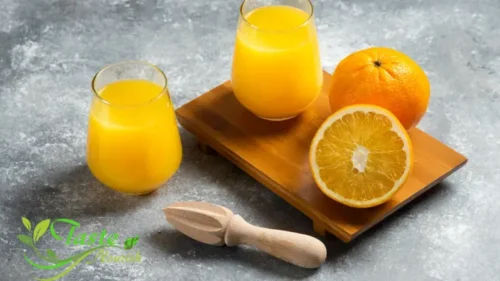
A manual citrus reamer or hand-press juicer gives you maximum control over pulp content. You literally squeeze the life out of those oranges, and it’s quite therapeutic. These tools are inexpensive, easy to clean, and perfect for making one or two servings.
Electric citrus juicers speed up the process considerably. Look for models with adjustable pulp settings—some have screens with different hole sizes that let you control how much pulp makes it into your juice. A quality electric juicer is an investment that pays off if you’re making juice regularly.
Alternative Methods Without a Juicer
Don’t have a juicer? No problem. Roll the orange firmly on your countertop to break down the internal membranes, then cut it in half and squeeze it by hand over a bowl. You can also use a fork to twist into the orange half, breaking up the pulp while you squeeze. This rustic method actually incorporates more pulp naturally.
Step-by-Step Orange Juice with Pulp Recipe
Ingredients:
- 6-8 medium oranges (enough for approximately 2 cups of juice)
- Optional: 1 tablespoon honey or agave nectar
- Optional: Pinch of sea salt (enhances sweetness)
- Optional: Fresh mint leaves for garnish
Equipment:
- Citrus juicer (manual or electric)
- Fine-mesh strainer (optional, for controlling pulp)
- Sharp knife
- Cutting board
- Glass pitcher or serving glasses
Preparation and Washing
Start by washing your oranges thoroughly under cool running water, even if you’re not using the peel. This prevents any surface contaminants from transferring to your juice during cutting. Pat them dry with a clean towel.
Room temperature oranges yield more juice than cold ones straight from the refrigerator. If your oranges are cold, let them sit at room temperature for 20-30 minutes, or briefly microwave them for 10-15 seconds.
The Juicing Process
Cut each orange in half across the equator (perpendicular to the stem end). This exposes more juice vesicles than cutting from stem to bottom.
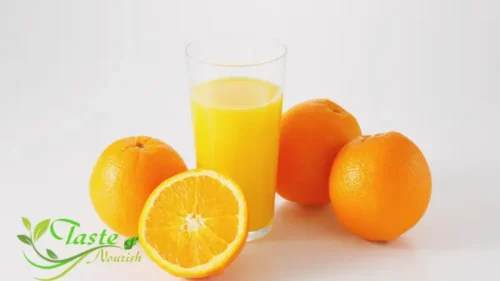
Place half an orange cut-side down on your juicer and apply firm, steady pressure while rotating. If using a manual reamer, twist and press simultaneously, allowing the juice and pulp to flow into your container below. With an electric juicer, simply press the half onto the reamer and let the machine do the work.
Don’t be too aggressive—excessive pressure can extract bitter compounds from the peel. Steady and firm wins this race.
Adjusting Pulp Consistency to Your Preference
Here’s where you become an artist. Fresh-squeezed juice naturally contains pulp, but you can adjust the amount.
- For more pulp, use a spoon to scrape additional pulp from the orange halves after juicing and stir it into your juice.
- For less pulp but not entirely pulp-free, pour your juice through a coarse-mesh strainer, gently stirring to allow juice through while catching larger pieces.
- For moderate pulp (the sweet spot for most people), use the juice as it comes from the juicer—nature already created the perfect ratio.

Nutritional Breakdown – Calories and Macronutrients
Understanding what’s in your glass helps you make informed nutritional choices. Here’s a detailed breakdown:
| Nutrient | Per 8 oz (240ml) Serving with Pulp | Per 8 oz (240ml) Serving without Pulp |
|---|---|---|
| Calories | 110-120 | 110-112 |
| Total Carbohydrates | 26g | 25.5g |
| Sugars | 21g | 20.8g |
| Dietary Fiber | 1.5-2g | 0.2-0.5g |
| Protein | 2g | 1.7g |
| Vitamin C | 124mg (138% DV) | 124mg (138% DV) |
| Folate | 74mcg (19% DV) | 70mcg (18% DV) |
| Potassium | 496mg (11% DV) | 496mg (11% DV) |
| Calcium | 27mg (2% DV) | 27mg (2% DV) |
| Thiamin (Vitamin B1) | 0.2mg (17% DV) | 0.2mg (17% DV) |
Comparison Table: Homemade vs. Store-Bought Orange Juice
| Characteristic | Homemade with Pulp | Commercial “Not from Concentrate” | Commercial “From Concentrate” |
|---|---|---|---|
| Calories (per 8 oz) | 110-120 | 110-120 | 110-130 |
| Added Sugars | 0g | 0-2g | 0-24g |
| Fiber | 1.5-2g | 0-0.5g | 0g |
| Vitamin C | Natural (124mg) | Fortified (up to 150mg) | Fortified (120-150mg) |
| Flavor Packs | None | Often used | Often used |
| Shelf Life | 2-3 days | 45-60 days | 60-90 days |
| Processing | None | Pasteurized, deaerated | Pasteurized, concentrated, reconstituted |
The fiber difference is particularly notable. That extra 1.5 grams might seem small, but it represents a significant percentage increase over pulp-free varieties and contributes to better blood sugar management.
Flavor Variations and Creative Additions
Citrus Blends
Why stop at oranges? Blend in some tangerine for extra sweetness, grapefruit for a sophisticated bitter edge, or blood orange for visual drama. A ratio of 3 oranges to 1 complementary citrus fruit creates beautiful complexity without overwhelming the classic orange flavor.
Adding Herbs and Spices
♦ Fresh mint transforms orange juice into a refreshing elixir. Add 3-4 mint leaves to your juicer along with the oranges, or muddle them in your glass before pouring the juice. Basil works surprisingly well too, offering a peppery, aromatic note that’ll make people wonder what your secret is.
♦ A tiny pinch of cardamom or ginger (fresh or powdered) adds warmth and depth. Start conservatively—these flavors are potent and can quickly overpower the delicate orange taste.
Sweetening Options
Most fresh oranges don’t need additional sweetener, but if yours are particularly tart, a teaspoon of honey, maple syrup, or agave nectar balances the acidity. Stir well to incorporate. Alternatively, blend in half a banana for natural sweetness and a creamy texture that makes your juice feel like a treat.
Storage Tips and Shelf Life
Refrigeration Best Practices
Fresh orange juice with pulp oxidizes quickly, losing vitamin C and developing off-flavors. Store it in an airtight glass container filled to the brim (minimizing air exposure) in the coldest part of your refrigerator. Consume within 48-72 hours for optimal flavor and nutrition.
⇒ Each day you wait, you lose approximately 2-5% of the vitamin C content. By day three, your juice has lost 10-15% of its original vitamin C, though it’s still nutritious and delicious.
Freezing Orange Juice
Freezing extends shelf life to 3-4 months. Pour juice into ice cube trays for convenient single-serving portions, or freeze in larger containers, leaving one inch of headspace for expansion. Thaw in the refrigerator overnight. The texture might be slightly different due to fiber settling, but a quick stir brings it back to life.
Health Benefits Beyond Basic Nutrition
Immune System Support
That impressive 138% daily value of vitamin C isn’t just a number on a nutrition label—it’s your immune system’s best friend. Vitamin C supports the production and function of white blood cells, helping your body defend against infections. While it won’t prevent colds, research suggests adequate vitamin C intake may reduce the duration and severity of symptoms.
Skin Health and Antioxidants
Orange juice contains multiple antioxidants including vitamin C, flavonoids, and carotenoids that combat free radical damage. These compounds support collagen synthesis, helping maintain skin elasticity and reducing visible signs of aging. Think of each glass as internal skincare.
Cardiovascular Benefits
The hesperidin in orange pulp has been studied for its potential cardiovascular benefits. Research published in the American Journal of Clinical Nutrition suggests that regular citrus consumption may support healthy blood pressure levels and improve blood vessel function. The potassium content also contributes to cardiovascular health by helping regulate blood pressure.
Common Mistakes to Avoid When Making Orange Juice
Mistake #1: Using cold oranges directly from the fridge. Room temperature fruit yields 15-20% more juice because warmth makes the membranes more pliable.
Mistake #2: Cutting oranges the wrong way. Always cut across the segments (perpendicular to the axis), not through them.
Mistake #3: Squeezing too aggressively. This extracts bitter compounds from the pith and peel. Use firm, steady pressure instead.
Mistake #4: Making too much at once. Fresh juice doesn’t keep well. Make only what you’ll drink within 2-3 days.
Mistake #5: Discarding the pulp. You’re throwing away valuable fiber and nutrients. Embrace the pulp!

Pulp vs. No Pulp – The Great Debate
This debate divides orange juice drinkers into passionate camps.
♣ Pulp advocates argue for texture, nutrition, and the authentic orange experience. They love the slight chewiness and the reminder that they’re drinking actual fruit, not just flavored sugar water.
♣ The no-pulp contingency prefers smooth, clean drinking with no distractions. They want juice to be liquid, period.
♦ Nutritionally, pulp wins hands down. But preference is personal, and there’s no wrong answer. However, if you’ve always drunk pulp-free juice, I challenge you to try the pulpy version for a week. You might discover that what you thought was a texture issue was really just unfamiliarity.
Sustainability and Using Orange Waste
Those leftover orange halves aren’t trash—they’re treasure. The peels contain concentrated oils perfect for cleaning. Rub them on cutting boards to remove odors, or simmer them with cinnamon sticks to create natural air freshener.
Compost the organic matter to nourish your garden. Or candy the peels by simmering them in simple syrup for a sophisticated garnish or snack. Zero waste isn’t just environmentally friendly; it’s creatively satisfying.
Conclusion
Making orange juice with pulp at home isn’t just about the beverage—it’s about taking control of your nutrition, embracing whole foods, and experiencing the vibrant difference between fresh and processed. When you pour that glass of homemade orange juice, you’re drinking sunshine that was squeezed just moments ago, complete with fiber, flavonoids, and all the nutritional complexity that nature intended.
The process is simple, the equipment minimal, and the rewards substantial. Whether you’re starting your morning with a vitamin C boost, recovering after exercise with natural electrolytes, or simply enjoying the pure pleasure of fresh citrus, orange juice with pulp delivers on every level.
So grab some oranges, dust off that juicer (or just use your hands), and experience what you’ve been missing. Your taste buds and your body will thank you.
FAQs
1. Is orange juice with pulp healthier than without pulp?
Yes, orange juice with pulp is nutritionally superior to pulp-free varieties. The pulp contains dietary fiber (1.5-2 grams per serving), flavonoids like hesperidin, and pectin that support digestive health and slow sugar absorption. This helps prevent the blood sugar spikes associated with fiber-free juice while providing prebiotic benefits for gut health.
2. How many oranges do I need to make one glass of juice?
Typically, you’ll need 3-4 medium oranges to produce one 8-ounce glass of juice. This varies based on orange size, variety, and juiciness. Valencia oranges are particularly juice-rich and might require only 2-3 oranges per glass, while drier varieties might need 4-5.
3. Can I make orange juice without a juicer?
Absolutely! Roll the orange firmly on your countertop to break internal membranes, cut it in half, and squeeze by hand over a bowl. Use a fork to twist into the flesh while squeezing to extract maximum juice and pulp. While less efficient than a juicer, this method works perfectly well and actually incorporates more pulp naturally.
4. How long does fresh orange juice with pulp last in the refrigerator?
Fresh-squeezed orange juice with pulp stays fresh for 48-72 hours when stored in an airtight glass container in the refrigerator. Fill the container to the brim to minimize air exposure and oxidation. The juice remains safe to drink beyond this timeframe but loses vitamin C content (about 2-5% per day) and develops increasingly off-flavors.
5. Does orange juice with pulp have more calories than without?
The calorie difference is minimal—only about 5-10 calories more per 8-ounce serving. This slight increase comes from the fiber and cellular material in the pulp. However, the fiber content makes pulp-containing juice more satisfying and helps regulate blood sugar, potentially reducing overall calorie intake by keeping you fuller longer.
Scientific Sources:
- Aptekmann, N. P., & Cesar, T. B. (2013). Long-term orange juice consumption is associated with low LDL-cholesterol and apolipoprotein B in normal and moderately hypercholesterolemic subjects. Lipids in Health and Disease, 12(1), 119. https://lipidworld.biomedcentral.com/articles/10.1186/1476-511X-12-119
- Dourado, G. K., & Cesar, T. B. (2015). Investigation of cytokines, oxidative stress, metabolic, and inflammatory biomarkers after orange juice consumption by normal and overweight subjects. Food & Nutrition Research, 59(1), 28147. https://www.ncbi.nlm.nih.gov/pmc/articles/PMC4489547/
- Silveira, J. Q., Cesar, T. B., Manthey, J. A., Baldwin, E. A., Bai, J., & Raithore, S. (2014). Pharmacokinetics of flavanone glycosides after ingestion of single doses of fresh-squeezed orange juice versus commercially processed orange juice in healthy humans. Journal of Agricultural and Food Chemistry, 62(52), 12576-12584. https://pubs.acs.org/doi/10.1021/jf5038163