
Molokhia Tunisian | Complete Guide with Nutritional Benefits, Calories & Authentic Recipe
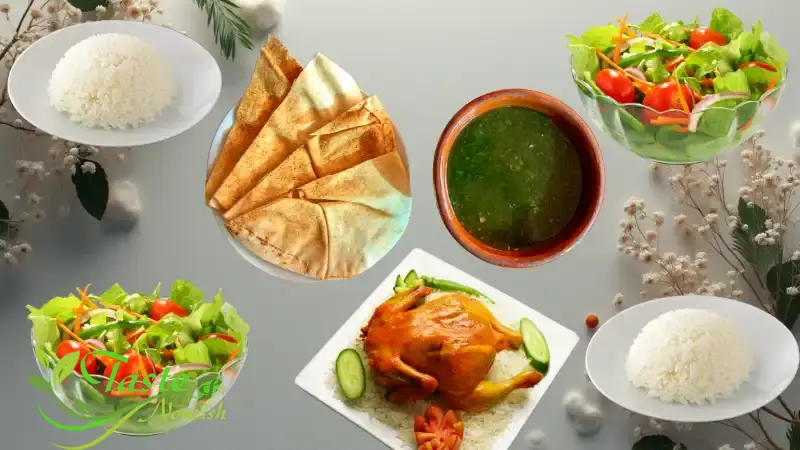
Have you ever wondered what makes Tunisian cuisine so vibrant and healthful? At the heart of this Mediterranean culinary tradition lies a dish that’s been nourishing families for generations: molokhia. This green, leafy vegetable transforms into a rich, aromatic stew that’s not just delicious but packed with nutrients your body craves. Let me take you on a journey through the world of Tunisian molokhia, where tradition meets nutrition in the most spectacular way.
What Is Molokhia and Why Is It Important in Tunisian Cuisine?
Understanding the Molokhia Plant
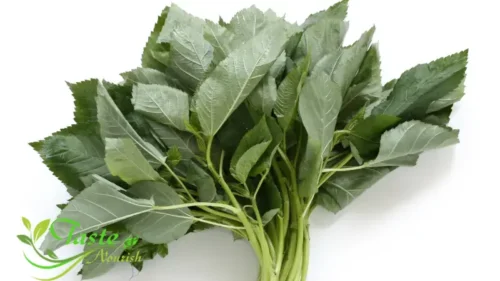
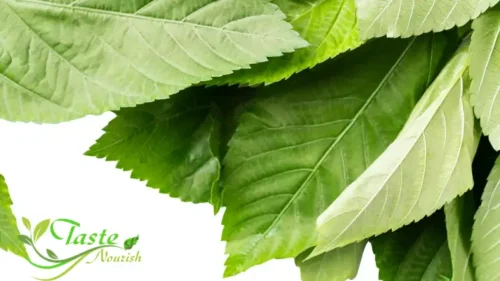
Molokhia, scientifically known as Corchorus olitorius, is a leafy green vegetable that belongs to the jute family. You might know it by other names like jute mallow, Egyptian spinach, or Jews mallow. The plant produces tender, dark green leaves that become slightly mucilaginous when cooked, creating that signature silky texture that defines the dish.
What makes molokhia truly special is its adaptability. The plant thrives in warm climates, which is why it’s become such an integral part of North African and Middle Eastern cuisines.
The Unique Characteristics of Tunisian Molokhia
How Tunisian Preparation Differs from Other Regional Styles
While molokhia appears in various forms across the Mediterranean and Middle East, the Tunisian version stands out with its distinctive preparation method. Unlike the Egyptian version, which is typically smooth and soup-like, Tunisian molokhia has a thicker, stew-like consistency with visible leaf pieces that provide texture and visual appeal.
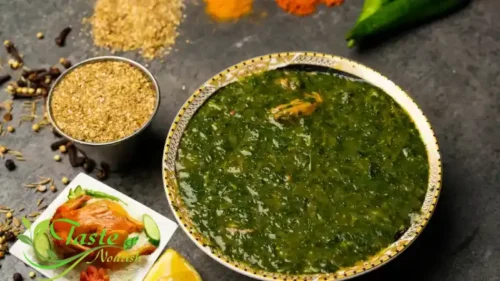
The Tunisian approach involves a unique spice blend that sets it apart. Coriander, caraway, and harissa—Tunisia’s famous chili paste—create a flavor profile that’s simultaneously earthy, spicy, and deeply aromatic. This isn’t the mild molokhia you’ll find elsewhere; it’s bold, assertive, and utterly memorable.
Key Ingredients That Define the Tunisian Version
Let’s talk about what goes into authentic Tunisian molokhia. The foundation starts with fresh or dried molokhia leaves, though many Tunisian cooks prefer frozen molokhia for convenience without sacrificing quality. The meat component typically includes beef or lamb, cut into generous chunks that become melt-in-your-mouth tender after slow cooking.
The aromatic base consists of garlic, onions, and tomato paste, which create depth and richness. But here’s where it gets interesting: the addition of tabil, a traditional Tunisian spice mixture containing coriander seeds, caraway, garlic, and chili peppers, transforms the dish into something truly exceptional. Olive oil, a staple in Tunisian cooking, adds smoothness and helps carry the flavors throughout the dish.
Nutritional Profile: Breaking Down the Health Benefits
Vitamins and Minerals in Molokhia
Molokhia is nothing short of a nutritional superstar. This humble leaf packs an impressive array of vitamins and minerals that contribute to overall health and wellbeing.
- One of the most notable nutrients is vitamin A, with molokhia providing substantial amounts that support eye health, immune function, and skin integrity.
- The vitamin C content in molokhia is equally impressive, offering antioxidant protection and supporting collagen synthesis.
- You’ll also find significant amounts of vitamin E, which works synergistically with other antioxidants to protect cells from oxidative damage.
- The B-vitamin complex, including folate, thiamine, and riboflavin, makes molokhia particularly valuable for energy metabolism and nervous system function.
♦ When it comes to minerals, molokhia shines with its iron content, making it an excellent choice for preventing anemia. Calcium and magnesium work together to support bone health and muscle function, while potassium helps regulate blood pressure and fluid balance. The presence of manganese and zinc rounds out this mineral profile, supporting enzyme function and immune health.
Protein and Fiber Content
Here’s something that might surprise you: molokhia contains a respectable amount of plant-based protein. While it won’t replace your main protein sources, it contributes meaningfully to your daily protein intake, especially when combined with the meat traditionally included in Tunisian preparations.
The fiber content deserves special attention. Molokhia provides both soluble and insoluble fiber, which work together to support digestive health, regulate blood sugar levels, and promote feelings of fullness. This high fiber content makes molokhia an excellent choice for weight management and metabolic health.
Antioxidant Properties
The dark green color of molokhia leaves hints at their rich antioxidant content. These compounds, including flavonoids, phenolic acids, and carotenoids, protect your cells from free radical damage and may reduce the risk of chronic diseases. The antioxidant activity of molokhia has been studied extensively, with research suggesting potential anti-inflammatory and anti-cancer properties.
Calorie Information and Nutritional Tables
Comprehensive Calorie Breakdown
Understanding the caloric content of molokhia helps you incorporate it effectively into your meal planning. Let’s break down the numbers based on a typical serving:
| Component | Amount per Serving (200g) | Calories |
|---|---|---|
| Fresh Molokhia Leaves | 100g | 58 |
| Beef (lean, cubed) | 100g | 250 |
| Olive Oil | 15ml (1 tbsp) | 120 |
| Onions | 50g | 20 |
| Garlic | 10g | 15 |
| Tomato Paste | 20g | 16 |
| Spices (tabil, harissa) | 5g | 12 |
| Total per Serving | ~295g | ~491 |
This table represents a traditional Tunisian molokhia serving with meat. Keep in mind that actual calories can vary based on preparation methods and portion sizes.
Macronutrient Distribution
Let’s dive deeper into the macronutrient profile:
| Nutrient | Amount per Serving (200g) | % Daily Value* |
|---|---|---|
| Calories | 491 kcal | 25% |
| Protein | 28g | 56% |
| Carbohydrates | 15g | 5% |
| – Dietary Fiber | 5g | 20% |
| – Sugars | 4g | – |
| Fat | 35g | 54% |
| – Saturated Fat | 10g | 50% |
| – Monounsaturated Fat | 18g | – |
| – Polyunsaturated Fat | 4g | – |
| Cholesterol | 75mg | 25% |
| Sodium | 420mg | 18% |
*Based on a 2,000 calorie diet
Here’s a detailed micronutrient breakdown:
| Vitamin/Mineral | Amount per Serving | % Daily Value* |
|---|---|---|
| Vitamin A | 850 µg RAE | 94% |
| Vitamin C | 45mg | 50% |
| Vitamin E | 4mg | 27% |
| Vitamin K | 380µg | 317% |
| Folate | 95µg | 24% |
| Iron | 6.5mg | 36% |
| Calcium | 180mg | 14% |
| Potassium | 520mg | 11% |
| Magnesium | 85mg | 20% |
| Zinc | 5mg | 45% |
*Based on standard adult daily values
Traditional Tunisian Molokhia Recipe
Essential Ingredients You’ll Need
Ready to create authentic Tunisian molokhia in your own kitchen? Here’s what you’ll need:
For the Base:
- 500g fresh, frozen, or dried molokhia leaves
- 500g beef or lamb, cut into medium chunks
- 3 tablespoons olive oil
- 1 large onion, finely chopped
- 6 cloves garlic, minced
- 2 tablespoons tomato paste
- 1.5 liters water or beef broth
For the Spice Blend:
- 2 tablespoons tabil (Tunisian spice mix)
- 1 tablespoon harissa paste
- 1 teaspoon ground coriander
- 1 teaspoon ground caraway
- Salt and black pepper to taste
Optional Additions:
- Preserved lemon for brightness
- Fresh cilantro for garnish
- Extra harissa for serving
Step-by-Step Cooking Instructions
Let me walk you through the process like I’m standing right there in your kitchen with you. First, heat that olive oil in a large, heavy-bottomed pot over medium-high heat. You want it shimmering but not smoking. Add your meat chunks and brown them on all sides—this step is crucial because it develops deep, savory flavors that’ll make your molokhia unforgettable.
Once the meat is beautifully browned, remove it temporarily and set it aside. In the same pot, add your chopped onions and sauté until they’re soft and translucent, about 5 minutes. The fond (those brown bits stuck to the bottom) is liquid gold, so make sure you’re scraping it up as the onions cook.
Now add the minced garlic and cook for just one minute—you want it fragrant but not burned. Stir in the tomato paste and let it cook for 2-3 minutes, deepening its color and concentrating its flavor. This is where the magic starts happening.
Return the meat to the pot and add your spice blend: tabil, harissa, coriander, and caraway. Stir everything together, coating the meat in those aromatic spices. Pour in your water or broth, bring everything to a boil, then reduce to a gentle simmer. Cover and let it cook for about 1.5 to 2 hours, or until the meat is fork-tender.
Here comes the crucial part: adding the molokhia. If you’re using fresh leaves, wash them thoroughly and roughly chop them. For frozen molokhia, you can add it directly. Stir the molokhia into the pot and let it simmer for another 20-30 minutes. The leaves will break down and create that characteristic thick, slightly viscous texture.
Tips for Perfect Consistency
Getting the consistency right is what separates good molokhia from great molokhia. If your dish is too thick, gradually add more warm water or broth, stirring constantly. Too thin? Let it simmer uncovered for a bit longer, allowing excess liquid to evaporate. The ideal consistency should coat the back of a spoon without being gloppy.
Some Tunisian cooks use a traditional technique called tqaliya, where they prepare a separate mixture of garlic and coriander fried in olive oil, then add it to the molokhia just before serving. This creates an extra layer of flavor that really makes the dish sing.
Regional Variations Across Tunisia
Coastal Versus Interior Preparations
Tunisia’s diverse geography has given rise to fascinating regional variations in molokhia preparation. Along the Mediterranean coast, particularly in cities like Sfax and Sousse, you’ll find molokhia preparations that incorporate seafood—sometimes fish, occasionally even octopus or shrimp. The coastal version tends to be lighter, with a brighter, more citrus-forward flavor profile.
Travel inland to Kairouan or Gafsa, and you’ll encounter heartier versions that rely heavily on lamb or mutton. The interior regions often use more robust spicing, with extra harissa and sometimes the addition of dried mint. The consistency in these areas tends to be thicker, almost stew-like, perfect for soaking up with crusty bread.
Family Recipe Adaptations
Ask ten Tunisian families for their molokhia recipe, and you’ll get ten different answers—and that’s the beautiful thing about this dish. Some families add chickpeas for extra protein and texture. Others incorporate small meatballs instead of meat chunks. I’ve even heard of versions that include quince for a subtle sweet-tart note.
One particularly interesting adaptation comes from Jewish Tunisian communities, where molokhia is sometimes prepared with chicken and served during Shabbat meals. This version often includes preserved lemons and lacks the harissa, creating a milder flavor profile that’s equally delicious.
The Science Behind Molokhia’s Health Benefits
Cardiovascular Health Support
Let’s get into the science of why molokhia is so good for your heart.
- The combination of omega-3 fatty acids (from the olive oil), potassium, and magnesium creates a powerful trio for cardiovascular health. Potassium helps regulate blood pressure by counteracting the effects of sodium, while magnesium supports healthy heart rhythm and vascular function.
- The fiber content plays a crucial role too. Soluble fiber binds to cholesterol in the digestive system, helping to reduce overall cholesterol levels. Studies have shown that diets rich in leafy greens like molokhia are associated with lower rates of heart disease and stroke.
- The antioxidants in molokhia, particularly flavonoids and vitamin E, protect blood vessels from oxidative damage and inflammation—two key factors in the development of atherosclerosis. Regular consumption of these compounds may help maintain flexible, healthy blood vessels.
Digestive System Benefits
Your gut will thank you for eating molokhia. The mucilaginous quality of cooked molokhia leaves isn’t just about texture—it actually soothes and protects the digestive tract lining. This property makes molokhia particularly beneficial for people with sensitive stomachs or conditions like gastritis.
The high fiber content supports healthy gut bacteria, those beneficial microorganisms that play crucial roles in digestion, immune function, and even mental health. Fiber acts as a prebiotic, feeding these good bacteria and helping them thrive. A healthy gut microbiome has been linked to better overall health, from improved mood to enhanced immune response.
Additionally, the combination of fiber and the dish’s moisture content helps promote regular bowel movements and prevents constipation. The gentle, bulk-forming action of molokhia’s fiber is easier on the digestive system than some high-fiber foods that can cause gas or bloating.
Blood Sugar Regulation
Here’s where molokhia becomes especially interesting for people managing diabetes or concerned about metabolic health.
- The fiber in molokhia slows down the absorption of sugars from your meal, preventing those dramatic blood sugar spikes that can be problematic. This slower, more gradual absorption helps maintain steady energy levels throughout the day.
- Research has shown that leafy green vegetables like molokhia contain compounds that may improve insulin sensitivity, helping your cells respond more effectively to insulin. The magnesium content also plays a role here—adequate magnesium levels are associated with better blood sugar control and reduced risk of type 2 diabetes.
- The protein from the meat component further stabilizes blood sugar by slowing gastric emptying and promoting satiety. When combined with the complex carbohydrates from molokhia leaves, you get a balanced meal that supports stable blood glucose levels.
Molokhia for Special Diets
Vegan and Vegetarian Options
Can vegetarians and vegans enjoy authentic Tunisian molokhia? Absolutely! The dish adapts beautifully to plant-based diets with a few thoughtful substitutions. Instead of meat, try using chickpeas, white beans, or even firm tofu cut into cubes and pan-fried until golden before adding to the dish.
For deeper umami flavor in vegetarian versions, consider adding mushrooms—especially shiitake or portobello—which provide that savory, meaty quality. You can also use vegetable broth enriched with a tablespoon of tomato paste and a splash of soy sauce or tamari for extra depth.
The beauty of plant-based molokhia is that it becomes even lighter in calories while maintaining all the nutritional benefits of the leafy greens themselves. You’re looking at around 250-300 calories per serving for a hearty vegetarian version, making it perfect for weight management while still being deeply satisfying.
Gluten-Free Considerations
Good news for those avoiding gluten: traditional Tunisian molokhia is naturally gluten-free! The dish doesn’t contain any wheat, barley, or rye products in its basic preparation. However, you’ll want to be cautious when serving it with accompaniments.
While molokhia is typically served with bread, you can easily substitute with gluten-free bread, or better yet, serve it over rice or with steamed couscous made from corn or rice flour. Some Tunisian families already serve molokhia with rice, especially in coastal regions, so you won’t be breaking tradition.
Just double-check any pre-made spice blends or harissa paste for hidden gluten-containing ingredients. When in doubt, make your own spice blends from whole spices to ensure complete gluten-free compliance.
Low-Calorie Meal Planning
Want to enjoy molokhia while watching your calorie intake? It’s entirely possible with a few strategic modifications. First, reduce the amount of meat or opt for leaner cuts. Using chicken breast instead of beef or lamb can cut calories by nearly 40% while still providing excellent protein.
You can also reduce the olive oil to 1-2 tablespoons instead of 3-4, using vegetable broth to compensate for any moisture lost. This simple swap saves about 120 calories per serving. Increasing the ratio of molokhia leaves to meat creates a more vegetable-forward dish that’s naturally lower in calories.
A modified low-calorie version can come in at around 320-350 calories per generous serving, making it perfect for a satisfying lunch or dinner that won’t derail your nutrition goals. The high fiber and protein content means you’ll feel full and satisfied despite the lower calorie count.
Cultural Significance and Social Traditions
Molokhia in Tunisian Family Gatherings
In Tunisian culture, molokhia is more than just a meal—it’s a social event. The dish is often prepared for special occasions, family gatherings, and Friday lunches when extended families come together. There’s something about the communal nature of preparing and sharing molokhia that strengthens family bonds.
I’ve heard countless stories from Tunisian friends about their grandmothers spending Friday mornings preparing enormous pots of molokhia, the aromatic steam filling the entire house with anticipation. Children would gather around the kitchen, sneaking tastes and learning the family’s secret techniques. These memories become part of family lore, passed down through generations.
The act of serving molokhia also carries social significance. Offering someone molokhia is an expression of hospitality and warmth. Refusing to eat it when offered can be considered impolite, as the dish represents the host’s care and effort. This cultural context adds layers of meaning to every bowl served.
Seasonal Availability and Consumption Patterns
While frozen molokhia has made the dish accessible year-round, fresh molokhia has a distinct season that Tunisians eagerly anticipate. Fresh leaves are typically available from late spring through early fall, with peak season in summer months. During this time, markets overflow with bundles of fresh molokhia, and consumption naturally increases.
Many Tunisian families still practice the traditional method of preserving molokhia by drying the leaves for use during winter months. This preservation technique not only extends availability but also concentrates flavors, creating a slightly different taste profile that some people actually prefer.
Interestingly, molokhia consumption tends to increase during Ramadan, when it’s often prepared for iftar (the meal breaking the fast). Its nutritious profile makes it ideal for replenishing nutrients after a day of fasting, and its comforting nature provides exactly what tired, hungry bodies crave.
Storage and Preservation Techniques
Fresh Molokhia Storage
Got your hands on fresh molokhia leaves? Here’s how to keep them at their best. Fresh molokhia is quite perishable, so you’ll want to use it within 2-3 days of purchase. Store the leaves unwashed in a plastic bag with a few holes punched in it (for air circulation) in your refrigerator’s crisper drawer.
If you need to wash the leaves before storage—perhaps they came from a garden or market—make sure they’re completely dry before refrigerating. Excess moisture is the enemy of fresh leafy greens, leading to rapid deterioration and potential mold growth. Pat the leaves dry with clean kitchen towels or use a salad spinner.
For short-term storage of 1-2 days, you can also try the “flower in a vase” method: trim the stems and place the bunch in a jar with about an inch of water, covering the leaves loosely with a plastic bag. This keeps the leaves hydrated and fresh, similar to how you’d store fresh herbs.
Freezing and Drying Methods
Freezing molokhia is remarkably effective and actually preferred by many cooks for its convenience. To freeze fresh molokhia, wash the leaves thoroughly, blanch them in boiling water for 2-3 minutes, then immediately plunge them into ice water to stop the cooking process. This blanching step preserves color, texture, and nutritional value.
Drain the blanched leaves well, squeeze out excess water, and chop them finely. Portion the chopped molokhia into freezer-safe bags, flattening them for easier storage and quicker thawing. Properly frozen molokhia maintains quality for up to 12 months, giving you access to this nutritious green year-round.
Drying molokhia is the traditional preservation method that predates modern freezing. Clean, dry leaves are spread on clean cloths or screens in a shaded, well-ventilated area (direct sunlight degrades nutrients and color). Once completely dry and crispy, the leaves are crumbled and stored in airtight containers. Dried molokhia can last for years if kept in a cool, dry place, though it’s best used within one year for optimal flavor.
Common Mistakes to Avoid When Preparing Molokhia
Let me save you from the mistakes I’ve seen (and made!) over the years. The most common error?
- Adding molokhia leaves too early in the cooking process. When you add them before the meat is tender, you end up overcooking the leaves, which breaks down their structure too much and creates a slimy, unappealing texture rather than the desired smooth, silky consistency.
- Another pitfall is not browning the meat properly at the beginning. That initial searing creates depth of flavor through the Maillard reaction—those beautiful brown bits are concentrated umami deliciousness. Skipping this step results in a flat, one-dimensional dish.
- Many beginners also make the mistake of using too much liquid initially. Remember, molokhia leaves release water as they cook, and you can always add more liquid if needed, but you can’t easily remove it. Start with less broth than you think you need, and adjust as you go.
- Don’t forget about seasoning throughout the cooking process. Seasoning only at the end means flavors sit on the surface rather than penetrating throughout the dish. Add salt in stages—some when browning the meat, some when adding liquids, and final adjustments at the end.
Finally, rushing the cooking process is a recipe for disappointment. Molokhia needs time for flavors to meld and develop. The meat needs time to become tender. The spices need time to bloom. Patience isn’t just a virtue here—it’s a necessity.
Pairing Molokhia with Other Tunisian Dishes
Traditionally, Tunisian molokhia is served with crusty bread for dipping and soaking up that flavorful sauce. But the pairing possibilities go far beyond bread. White rice makes an excellent accompaniment, particularly for soaking up the rich broth while providing a neutral base that lets molokhia’s complex flavors shine.
Some families serve molokhia alongside Tunisian couscous, creating an impressive spread that showcases different textures and flavors. The tiny couscous pearls absorb the sauce beautifully, creating little flavor bombs in every bite.
For a complete Tunisian meal experience, consider serving molokhia with traditional salads like salata mechouia (grilled vegetable salad) or omek houria (spicy carrot salad). These bright, acidic sides cut through molokhia’s richness and provide refreshing contrast.
A bowl of olives, some preserved lemons, and extra harissa on the side allow each diner to customize their experience. Fresh lemon wedges are also essential—a squeeze of lemon right before eating brightens all the flavors and adds a fresh dimension.
Don’t forget about beverages! Traditional Tunisian mint tea is the perfect ending to a molokhia meal, helping with digestion and cleansing the palate. During the meal itself, cool water or leben (buttermilk) helps balance the dish’s warmth and spice.
Where to Source Authentic Ingredients
Finding authentic ingredients can be challenging if you don’t live near a Middle Eastern or North African community, but it’s not impossible. Middle Eastern grocery stores are your best bet—they typically stock fresh, frozen, and dried molokhia, along with essential spices and harissa paste.
If you’re in a major city, check out international food markets or specialty grocery stores. Many now carry frozen molokhia in their ethnic foods sections. Don’t overlook Asian grocery stores, either—molokhia appears in some Asian cuisines, so you might find it in the produce or frozen vegetable sections.
Online shopping has revolutionized access to specialty ingredients. Websites like Amazon, Walmart, and specialized Middle Eastern food retailers ship molokhia and related ingredients nationwide. When ordering online, read reviews carefully to ensure you’re getting quality products.
For spices, consider purchasing whole spices and grinding them yourself for maximum freshness and flavor. Cumin, coriander, and caraway seeds are readily available in most supermarkets, and a small spice grinder or mortar and pestle allows you to prepare them as needed.
If you absolutely cannot find molokhia, spinach or Swiss chard can serve as substitutes in a pinch, though the flavor and texture will differ significantly. Some adventurous gardeners even grow molokhia from seeds—it thrives in warm climates and can be a conversation starter in your vegetable garden!
The Future of Molokhia in Modern Tunisian Cuisine
As Tunisia’s culinary scene evolves and younger generations experiment with traditional recipes, molokhia is experiencing something of a renaissance. Contemporary Tunisian chefs are reimagining this classic dish, creating fusion versions that honor tradition while embracing innovation.
I’ve seen molokhia transformed into elegant restaurant preparations—pureed and served as a sauce for grilled fish, incorporated into pasta dishes, or even used as a base for modern grain bowls. These innovations introduce molokhia to new audiences while keeping the traditional version alive in home kitchens.
The growing global interest in plant-based eating has also spotlighted molokhia as a nutritional powerhouse. Food bloggers and health enthusiasts are discovering what Tunisians have known for centuries: this humble green is packed with nutrients and incredibly versatile. This attention is driving demand and making molokhia more accessible worldwide.
Social media plays a fascinating role in molokhia’s evolution. Young Tunisians living abroad share their family recipes online, creating virtual communities around this beloved dish. These digital spaces become repositories of collective memory and culinary knowledge, ensuring that traditional techniques aren’t lost as families disperse globally.
Climate change and sustainable agriculture concerns are also influencing molokhia’s future. As a hardy plant that requires relatively little water and grows quickly, molokhia represents a sustainable food source that can help address food security challenges. Agricultural researchers are working on developing improved varieties that yield more while maintaining traditional flavor profiles.
Conclusion
Tunisian molokhia is far more than a simple vegetable stew—it’s a window into North African culture, a nutritional treasure, and a testament to the power of traditional foodways. From its impressive nutritional profile packed with vitamins, minerals, and antioxidants, to its deeply satisfying flavors built through careful layering of spices and slow cooking, molokhia deserves a place in your culinary repertoire.
Whether you’re drawn to molokhia for its health benefits, cultural significance, or simply its delicious taste, preparing this dish connects you to centuries of culinary tradition. The beauty of molokhia lies in its accessibility—with basic ingredients and patience, anyone can create an authentic, restaurant-quality dish at home.
As you embark on your molokhia journey, remember that cooking is as much about process as product. Take your time, taste as you go, and don’t be afraid to adapt the recipe to your preferences. Each pot of molokhia you make will teach you something new, bringing you closer to mastering this beloved Tunisian classic.
So gather your ingredients, fire up your stove, and prepare to fall in love with one of Tunisia’s most cherished dishes. Your taste buds—and your body—will thank you.
Frequently Asked Questions (FAQs)
Q1: Can I make molokhia without meat to reduce calories?
Absolutely! Vegetarian and vegan versions of molokhia are delicious and significantly lower in calories. Replace the meat with chickpeas, white beans, or mushrooms for a protein-rich plant-based version. You’ll maintain the dish’s hearty, satisfying quality while cutting calories by 30-40%. The preparation method remains essentially the same—just substitute vegetable broth for meat broth and add your plant-based protein when you would normally add the meat. Many Tunisian families already prepare meatless versions during certain times of year, so you’re following an established tradition.
Q2: What’s the difference between fresh, frozen, and dried molokhia?
Each form has its advantages. Fresh molokhia offers the brightest flavor and most vibrant color, but it’s highly perishable and only available seasonally. Frozen molokhia is incredibly convenient, maintains most nutritional benefits, and many cooks actually prefer it for consistent results—the freezing process slightly breaks down cell walls, contributing to that desirable silky texture. Dried molokhia has the most concentrated flavor and longest shelf life, but it requires rehydration and has a slightly different taste profile that some describe as earthier. For beginners, I recommend starting with frozen molokhia for ease and reliability.
Q3: How can I reduce the sliminess of molokhia if I don’t like the texture?
The mucilaginous quality of molokhia is actually part of its charm and health benefits, but if you prefer less viscosity, there are several techniques. First, don‘t overcook the leaves—add them later in the cooking process and simmer for just 15-20 minutes instead of 30. Second, add a squeeze of lemon juice or a splash of vinegar near the end of cooking, which helps cut the sliminess. Third, chop the leaves more coarsely rather than finely mincing them, as smaller pieces release more mucilage. Finally, some cooks add a tablespoon of tomato paste extra to the dish, which helps thicken without relying solely on the natural mucilage. Remember, though, that slight viscosity is traditional and actually helps the sauce cling beautifully to rice or bread.
Q4: Is molokhia safe for pregnant women and children?
Yes, molokhia is generally safe and actually highly beneficial for pregnant women and children! The high folate content is particularly important during pregnancy for preventing neural tube defects, while the iron helps prevent anemia—a common concern during pregnancy. The calcium and vitamin K support bone development in growing children. However, pregnant women should ensure the meat is thoroughly cooked and practice good food safety. For young children just starting solid foods, you might want to prepare a milder version with less harissa and spices, gradually increasing the heat level as they grow. The soft texture of cooked molokhia makes it easy to chew and digest, making it suitable for toddlers. As always, consult with your healthcare provider about specific dietary concerns during pregnancy.
Q5: How long does cooked molokhia last in the refrigerator, and can I freeze leftovers?
Properly stored cooked molokhia lasts 3-4 days in the refrigerator when kept in an airtight container. Make sure to cool it completely before refrigerating to prevent bacterial growth. Interestingly, many people find that molokhia actually tastes better the next day after the flavors have had more time to meld together—it’s one of those dishes that improves with time. You can absolutely freeze cooked molokhia for up to 3 months. Portion it into individual serving sizes in freezer-safe containers, leaving a bit of space at the top for expansion. To reheat, thaw overnight in the refrigerator, then warm gently on the stovetop, adding a splash of water or broth if needed to restore the proper consistency. Avoid reheating multiple times, as this can degrade both texture and nutritional value. For best results, only reheat the portion you plan to eat.
Scientific Sources
- National Institutes of Health (NIH) – Office of Dietary Supplements: “Vitamin A and Carotenoids: Fact Sheet for Health Professionals” – Comprehensive information on vitamin A content in leafy greens and its health benefits. https://ods.od.nih.gov/factsheets/VitaminA-HealthProfessional/
- Journal of Food Science and Technology: Research on the nutritional composition, antioxidant properties, and health benefits of Corchorus olitorius (molokhia), including its effects on cardiovascular health and blood sugar regulation. https://www.ncbi.nlm.nih.gov/pmc/journals/
- World Health Organization (WHO) – Nutrition Database: Data on micronutrient content in traditional leafy vegetables and their role in addressing nutritional deficiencies in Mediterranean and North African diets. https://www.who.int/nutrition/publications/en/
A motivating discussion is definitely worth comment.
I thijnk thbat you need too publish more about this topic,
it might not be a taboo matter but usually people don’t discuss
these issues. To the next! Kind regards!!