
Side Effects of Molokhia | Complete Safety Guide, Drug Interactions & Who Should Avoid It (2025)
Side Effects of Molokhia
Molokhia has been celebrated across the Middle East and North Africa for thousands of years as a nutritional powerhouse, but does this ancient green vegetable come with any hidden dangers? While most people consume molokhia without issues, understanding its potential side effects is crucial for making informed dietary choices—especially if you’re taking certain medications, have specific health conditions, or are considering adding it to your diet for the first time.
In this comprehensive guide, we’ll explore the often-overlooked aspects of molokhia consumption, from vitamin K overload to medication interactions that most articles barely mention. Whether you’re a longtime molokhia enthusiast or someone curious about trying this superfood, this article will equip you with the knowledge to enjoy molokhia safely and responsibly.
Understanding Molokhia: The Green Leafy Vegetable
Before diving into potential side effects, let’s establish what we’re actually talking about when we discuss molokhia.
What Is Molokhia?
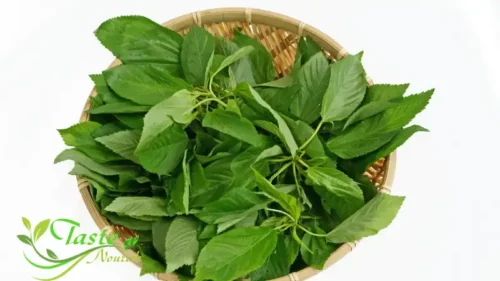
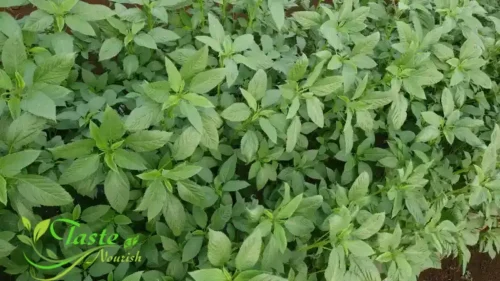
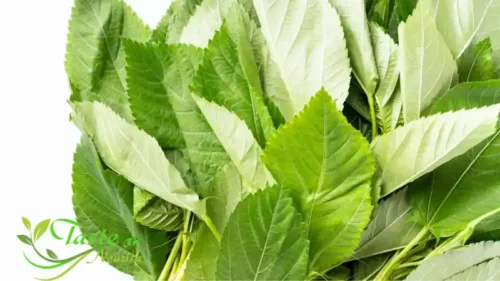
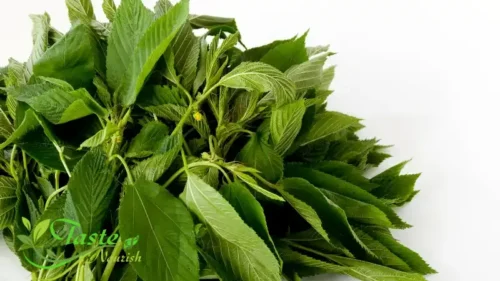
Molokhia (Corchorus olitorius), also known as jute leaves, Jew’s mallow, or Egyptian spinach, is a leafy green vegetable belonging to the Malvaceae family. The plant produces dark green, heart-shaped leaves that are harvested and consumed as a vegetable throughout the Middle East, North Africa, and parts of Asia.
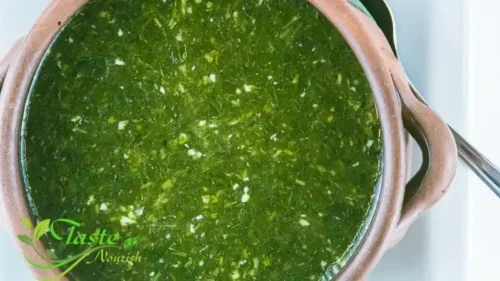
What distinguishes molokhia from other leafy greens is its unique mucilaginous texture when cooked—it releases a thick, slightly slimy substance similar to okra. This characteristic texture is both beloved by enthusiasts and off-putting to newcomers.
Why Molokhia Is Considered a Superfood
Molokhia has earned its superfood status through an impressive nutritional profile. A single cup of cooked molokhia provides exceptional amounts of vitamins A, C, E, and K, along with significant quantities of minerals including iron, calcium, magnesium, and potassium. It’s also rich in dietary fiber, antioxidants, and various phytochemicals that have been linked to health benefits.
However, the very compounds that make molokhia nutritionally valuable can also cause problems for certain individuals under specific circumstances. This paradox—where nutritional strengths become potential weaknesses—is at the heart of understanding molokhia’s side effects.
Is Molokhia Safe for Everyone?
The short answer is: molokhia is safe for most people when consumed in normal dietary amounts. However, “normal dietary amounts” and individual tolerance levels vary significantly.
General Safety Profile
Molokhia has been consumed for millennia without significant safety concerns in populations where it’s a dietary staple. This long history of traditional use suggests that for the vast majority of people, molokhia poses no serious health risks when eaten as part of a balanced diet.
The plant has been studied for toxicity, and research indicates that molokhia leaves are non-toxic and safe for human consumption. Unlike some other plants in the Malvaceae family, molokhia doesn’t contain significant amounts of harmful alkaloids or toxins that would make it dangerous.
Who Should Exercise Caution
Despite its general safety, certain groups should approach molokhia consumption with awareness and possibly moderation:
- People taking blood-thinning medications (anticoagulants)
- Individuals with kidney disease or kidney stones
- Those with thyroid conditions
- People with digestive disorders
- Individuals scheduled for surgery
- Those with known allergies to plants in the Malvaceae family
- Pregnant or breastfeeding women (though generally safe, consultation is advised)
Let’s explore each of these situations in detail.
Common Side Effects of Molokhia
While severe adverse reactions are rare, several common side effects can occur, particularly when molokhia is consumed in large quantities or by sensitive individuals.
Digestive System Effects
The most frequently reported side effects of molokhia involve the digestive system:
Gas and bloating: Molokhia is high in fiber and contains complex carbohydrates that gut bacteria ferment, producing gas. For people unaccustomed to high-fiber foods, this can cause uncomfortable bloating and flatulence.
Diarrhea: The high fiber content combined with molokhia’s mucilaginous properties can have a laxative effect, especially when consumed in large portions. The mucilage can speed up intestinal transit time, leading to loose stools.
Stomach discomfort: Some individuals report mild stomach cramping or discomfort after eating molokhia, particularly if they’re not accustomed to mucilaginous foods.
Nausea: Though less common, some people experience mild nausea when first trying molokhia, possibly related to the texture or the body’s adjustment to the high nutrient concentration.
| Digestive Side Effect | Frequency | Severity | Typical Duration | Who’s Affected |
|---|---|---|---|---|
| Gas and bloating | Common | Mild | 4-8 hours | New consumers, IBS sufferers |
| Diarrhea | Occasional | Mild to moderate | 12-24 hours | Large portion consumers |
| Stomach cramping | Occasional | Mild | 2-6 hours | Sensitive individuals |
| Nausea | Rare | Mild | 1-3 hours | First-time consumers |
Allergic Reactions and Symptoms
True allergies to molokhia are uncommon but can occur. Symptoms of an allergic reaction may include:
- Skin reactions: itching, hives, redness, or swelling
- Respiratory symptoms: nasal congestion, sneezing, wheezing, or difficulty breathing
- Oral allergy syndrome: itching or tingling in the mouth, throat, or lips
- Gastrointestinal distress: severe nausea, vomiting, or abdominal pain
- Anaphylaxis: in extremely rare cases, a severe, life-threatening allergic reaction
Cross-reactivity is possible for individuals allergic to other plants in the Malvaceae family (which includes okra, cotton, hibiscus, and marshmallow root) or those with pollen allergies.
Blood Sugar Fluctuations
Research suggests that molokhia may have hypoglycemic (blood sugar-lowering) effects. While this can be beneficial for people with diabetes, it can also pose risks:
For diabetics taking medication, molokhia’s blood sugar-lowering effect could combine with their medication to cause hypoglycemia (dangerously low blood sugar), resulting in symptoms like:
- Dizziness or lightheadedness
- Shakiness or trembling
- Sweating
- Confusion
- Rapid heartbeat
- Extreme hunger
For non-diabetics consuming very large amounts of molokhia, particularly on an empty stomach, mild blood sugar drops can occur, though this is rare.
The Vitamin K Factor: A Double-Edged Sword
This is perhaps the most significant concern for certain populations and the one most overlooked in general discussions about molokhia.
Understanding Vitamin K in Molokhia
Molokhia is extraordinarily rich in vitamin K1 (phylloquinone). A single cup of cooked molokhia can provide 400-500% of the recommended daily intake of vitamin K. This vitamin is essential for blood clotting and bone health, but excessive intake can interfere with certain medications.
Here’s a detailed breakdown of vitamin K content in molokhia:
| Molokhia Form | Serving Size | Vitamin K Content | % Daily Value |
|---|---|---|---|
| Fresh, raw leaves | 100g (3.5 oz) | 500-600 mcg | 600-750% |
| Fresh, cooked | 1 cup (164g) | 420-510 mcg | 525-638% |
| Frozen, cooked | 1 cup (164g) | 380-450 mcg | 475-563% |
| Dried, rehydrated | 1 cup (150g) | 350-420 mcg | 438-525% |
Interactions with Blood Thinners
This high vitamin K content becomes problematic for people taking anticoagulant medications, particularly warfarin (Coumadin) and other vitamin K antagonists. Here’s why:
Warfarin works by interfering with the body’s use of vitamin K to produce blood-clotting factors. When vitamin K intake suddenly increases or varies significantly, it can reduce warfarin’s effectiveness, increasing the risk of dangerous blood clots. Conversely, suddenly stopping molokhia consumption after regular intake can make warfarin too effective, increasing bleeding risk.
The key issue isn’t necessarily avoiding vitamin K-rich foods entirely, but maintaining consistency. However, given molokhia’s exceptionally high vitamin K content—often delivering more than 500% of the daily value in a single serving—it poses particular challenges for people on anticoagulant therapy.
Who Needs to Monitor Vitamin K Intake
If you’re taking any of the following medications, you should consult your healthcare provider before consuming molokhia regularly:
- Warfarin (Coumadin)
- Phenprocoumon
- Acenocoumarol
- Other vitamin K antagonist anticoagulants
Note that newer anticoagulants like rivaroxaban (Xarelto), apixaban (Eliquis), and dabigatran (Pradaxa) do NOT interact with vitamin K, so molokhia is generally safe for people taking these medications.
Potential Risks of Overconsumption
Like many nutrient-dense foods, molokhia’s benefits can transform into problems when consumed excessively.
Excessive Fiber Intake Problems
While fiber is essential for health, too much can cause significant issues:
Intestinal blockage: In extreme cases, consuming very large amounts of fiber without adequate fluid intake can cause intestinal obstruction. This is rare but potentially serious.
Nutrient malabsorption: Excessive fiber can bind to certain minerals (calcium, iron, zinc, magnesium) and reduce their absorption. While molokhia contains these minerals, overconsumption could paradoxically lead to deficiencies by preventing absorption of minerals from other foods.
Digestive distress: Very high fiber intake can cause persistent diarrhea, cramping, and discomfort.
The recommended daily fiber intake is 25-30 grams. A single large serving of molokhia provides 7-10 grams of fiber—beneficial when part of a balanced diet, but problematic if multiple large servings are consumed daily.
Mineral Absorption Interference
Molokhia contains compounds called oxalates and phytates, which can bind to minerals and reduce their bioavailability:
Oxalates: These naturally occurring compounds can bind calcium, potentially reducing calcium absorption. For most people, this isn’t problematic, but individuals at risk for osteoporosis or those with calcium deficiency should be aware.
Phytates: These compounds can bind iron and zinc. While molokhia contains significant iron, the phytate content may reduce how much your body actually absorbs.
Cooking reduces oxalate and phytate content somewhat, and consuming molokhia as part of a varied diet (rather than as the sole vegetable) minimizes these concerns.
Oxalate Content and Kidney Health
This deserves special attention for individuals with kidney issues:
Molokhia contains moderate levels of oxalates. While not as high as spinach or rhubarb, the oxalate content is significant enough to warrant caution for people prone to calcium oxalate kidney stones.
Oxalates can bind with calcium in the kidneys to form crystals and, eventually, kidney stones. Approximately 80% of kidney stones are calcium oxalate stones.
| Leafy Green | Oxalate Content (per 100g cooked) | Risk Level for Kidney Stones |
|---|---|---|
| Spinach | 970 mg | Very High |
| Swiss chard | 645 mg | High |
| Molokhia | 150-250 mg | Moderate |
| Kale | 20 mg | Low |
| Lettuce | 10 mg | Very Low |
If you’ve had kidney stones or have kidney disease, it’s wise to limit molokhia consumption and discuss appropriate amounts with your healthcare provider.
Molokhia and Medication Interactions
Beyond warfarin, molokhia can potentially interact with several other medication classes.
Anticoagulant Medications
We’ve covered warfarin in detail, but it’s worth emphasizing that this interaction is serious:
Mechanism: Vitamin K directly counteracts warfarin’s anticoagulant effect by enabling the production of clotting factors that warfarin aims to suppress.
Risk: Reduced medication effectiveness, potentially leading to blood clots, stroke, or other thrombotic events.
Management: If you’re on warfarin and want to consume molokhia, work with your healthcare provider to either adjust your dose or maintain extremely consistent molokhia intake. Regular INR (International Normalized Ratio) monitoring becomes even more critical.
Diabetes Medications
Molokhia has been shown in studies to have blood glucose-lowering properties, which can be beneficial but also risky when combined with diabetes medications.
Affected medications include:
- Insulin
- Sulfonylureas (glipizide, glyburide)
- Meglitinides (repaglinide, nateglinide)
- Other glucose-lowering drugs
Mechanism: Molokhia may enhance insulin sensitivity and reduce glucose absorption, potentially adding to medication effects.
Risk: Hypoglycemia (low blood sugar), which can cause dizziness, confusion, shakiness, and in severe cases, loss of consciousness.
Management: If you have diabetes and eat molokhia regularly, monitor blood sugar levels closely, especially when first adding molokhia to your diet. You may need medication adjustments.
Thyroid Medications
Some research suggests that excessive consumption of cruciferous and certain leafy vegetables can interfere with thyroid function, though evidence specific to molokhia is limited.
Theoretical concern: Goitrogenic compounds (substances that can interfere with thyroid hormone production) may be present in small amounts.
Practical risk: Minimal for most people consuming normal dietary amounts, but those with thyroid conditions might want to discuss molokhia consumption with their endocrinologist.
Management: Maintain consistent intake and schedule thyroid medication at least 4 hours away from molokhia-rich meals to avoid potential absorption interference.
Pregnancy and Breastfeeding Considerations
The safety of molokhia during pregnancy and lactation is an area where traditional use and scientific evidence intersect.
Is Molokhia Safe During Pregnancy?
Molokhia has been consumed by pregnant women in Egypt, Syria, Palestine, and other regions for thousands of years without documented problems. However, scientific research specifically examining molokhia’s effects during pregnancy is limited.
Potential benefits during pregnancy:
- High folate content supports fetal neural tube development
- Iron helps prevent pregnancy-related anemia
- Calcium supports fetal bone development
- Fiber helps alleviate pregnancy constipation
Potential concerns:
- Very high vitamin K intake could theoretically affect blood clotting parameters, though this hasn’t been documented as problematic
- The mucilaginous property might cause digestive discomfort in women already experiencing pregnancy-related digestive issues
- Limited research means definitive safety statements can’t be made
Recommendation: Molokhia in normal dietary amounts (1-2 servings per week) is generally considered safe during pregnancy based on traditional use. However, avoiding excessive consumption and consulting your healthcare provider is prudent, especially if you have pregnancy complications.
Breastfeeding and Molokhia Consumption
There’s even less research on molokhia’s effects during breastfeeding.
Traditional perspective: In cultures where molokhia is common, breastfeeding mothers regularly consume it without reported issues. Some traditions actually consider it beneficial for lactation.
Potential concerns:
- Strong flavors can pass into breast milk and potentially affect infant feeding behavior
- In rare cases, components of maternal diet can trigger digestive upset or allergic reactions in sensitive infants
- The high fiber might affect maternal digestion, indirectly influencing nursing
Recommendation: Moderate consumption (1-2 servings per week) appears safe based on traditional use. If your baby shows signs of digestive upset or unusual fussiness after you consume molokhia, consider reducing intake or temporarily eliminating it to see if symptoms improve.
The Mucilage Effect: Benefits vs. Concerns
Molokhia’s characteristic mucilaginous texture is both its trademark and a source of concern for some consumers.
What Is Mucilage?
Mucilage is a thick, glue-like substance produced by nearly all plants in some form. In molokhia, mucilage is released when the plant cells break down during cooking. It’s composed of complex polysaccharides that form a gel-like substance when combined with water.
This mucilage is actually beneficial for most people:
- It soothes and protects the digestive tract lining
- It slows nutrient absorption, promoting stable blood sugar
- It promotes feelings of fullness, aiding weight management
- It may support beneficial gut bacteria
Digestive Tract Reactions
However, for some individuals, mucilage can cause problems:
Rapid transit: The slippery nature of mucilage can speed up intestinal transit time, potentially causing diarrhea or preventing complete nutrient absorption.
Texture aversion: While not a physical side effect per se, the slimy texture can trigger gag reflexes or nausea in sensitive individuals, particularly those with sensory processing sensitivities.
Intestinal discomfort: Some people with irritable bowel syndrome (IBS) or other digestive sensitivities report that mucilaginous foods trigger symptoms like cramping or bloating.
Medication absorption: Theoretically, mucilage could coat the digestive tract and interfere with medication absorption, though this hasn’t been specifically documented with molokhia.
Contamination and Food Safety Issues
Beyond inherent properties of the plant itself, molokhia consumption carries potential risks related to how it’s grown, processed, and prepared.
Pesticide Residues
As a leafy green vegetable with large surface area, molokhia can accumulate pesticide residues if grown conventionally.
Health concerns:
- Acute pesticide poisoning (rare, from severely contaminated produce)
- Long-term exposure to pesticide residues may have carcinogenic or endocrine-disrupting effects
- Particular concern for pregnant women and children
Risk reduction:
- Choose organic molokhia when possible
- Thoroughly wash fresh molokhia under running water
- Soak leaves in water with baking soda or vinegar for 10-15 minutes to help remove residues
- Frozen molokhia from reputable brands is typically washed before freezing
Bacterial Contamination Risks
Like all leafy greens, molokhia can harbor harmful bacteria including E. coli, Salmonella, and Listeria if contaminated during growing, harvesting, or processing.
Symptoms of bacterial food poisoning:
- Nausea and vomiting
- Diarrhea (sometimes bloody)
- Abdominal cramping
- Fever
- Symptoms typically appear 1-3 days after consumption
High-risk groups:
- Pregnant women
- Young children
- Elderly individuals
- People with compromised immune systems
Proper Handling and Preparation
To minimize contamination risks:
- Purchase from reliable sources: Buy frozen molokhia from reputable brands or fresh molokhia from trusted farmers/markets
- Inspect carefully: Avoid molokhia with brown spots, wilting, or unpleasant odors
- Wash thoroughly: Rinse fresh molokhia multiple times under cold running water
- Cook adequately: Cooking to proper temperatures kills most harmful bacteria
- Store properly: Refrigerate fresh molokhia promptly and use within 2-3 days
- Avoid cross-contamination: Use separate cutting boards for vegetables and raw meat
Scientific Evidence: What Research Says
Let’s examine what peer-reviewed scientific research actually reveals about molokhia’s side effects and safety.
Clinical Studies on Molokhia Safety
Scientific literature on molokhia’s adverse effects is surprisingly limited, which itself is informative—it suggests serious side effects are rare enough not to warrant extensive investigation.
A toxicity study published in the Journal of Ethnopharmacology examined acute and sub-chronic toxicity of molokhia extracts in rats. The study found no toxic effects at doses far exceeding what humans would consume through normal dietary intake. No mortality occurred, and organ function remained normal throughout the study period.
Research in the International Journal of Food Sciences and Nutrition analyzed molokhia’s nutritional composition and bioactive compounds. While highlighting its health benefits, the researchers noted the high vitamin K content and recommended that individuals on anticoagulant therapy should be aware of this when consuming molokhia regularly.
A study in the Journal of Functional Foods investigated molokhia’s anti-inflammatory and antioxidant properties. No adverse effects were noted in the study subjects, but researchers acknowledged that individual responses to plant compounds can vary and that allergic reactions, while rare, are possible with any food.
The verified side effects of molokhia
Systematic review of scientific literature reveals that documented adverse effects from molokhia are minimal:
- No cases of serious toxicity have been reported in scientific literature
- Allergic reactions have been documented but are rare
- Drug interactions, particularly with warfarin, are theoretical concerns based on vitamin K content rather than documented clinical cases (though the mechanism is well-understood)
- Digestive upset is mentioned anecdotally but rarely in formal research
This limited adverse event documentation doesn’t mean side effects don’t occur—it more likely reflects that molokhia causes mild, self-limiting effects that don’t require medical intervention and thus don’t get formally reported.
Molokhia Dosage: How Much Is Too Much?
Unlike pharmaceutical drugs, foods don’t come with specific dosage guidelines, but we can establish reasonable parameters for molokhia consumption.
Recommended Serving Sizes
Based on nutritional composition, traditional dietary patterns, and potential side effects, here are sensible serving recommendations:
| Frequency | Serving Size | Vitamin K Intake | Suitable For | Considerations |
|---|---|---|---|---|
| Daily | 1/2 cup cooked | 200-250 mcg (250-313% DV) | Most healthy adults | Monitor digestive tolerance |
| 3-4x per week | 1 cup cooked | 400-500 mcg (500-625% DV) | General population | Ideal for most people |
| 1-2x per week | 1-1.5 cups cooked | 400-750 mcg (500-938% DV) | Those on warfarin (with MD approval) | Must maintain consistency |
| Occasional | As desired | Variable | Anyone with sensitivities | Listen to your body |
Frequency of Consumption
For most people, consuming molokhia 2-4 times per week in moderate portions (1-1.5 cups cooked) provides maximum health benefits while minimizing potential side effects.
Daily consumption is common in some Middle Eastern households and is generally safe for healthy individuals, but it increases the importance of:
- Staying well-hydrated to handle the high fiber content
- Maintaining awareness of total daily fiber intake from all sources
- Monitoring for digestive tolerance
- Being especially cautious if taking medications that might interact
Excessive consumption (multiple large servings daily) increases risks of:
- Digestive distress from excessive fiber
- Vitamin K overload (primarily concerns those on anticoagulants)
- Potential mineral absorption interference
- For kidney stone-prone individuals, increased oxalate intake
Who Should Avoid or Limit Molokhia?
While molokhia is safe for most people, certain individuals should exercise caution or avoid it altogether.
Medical Conditions That Require Caution
Complete avoidance or medical consultation required:
- Allergy to molokhia or related plants: If you’ve had allergic reactions to okra, cotton, hibiscus, or other Malvaceae family plants, avoid molokhia until you can undergo allergy testing.
- Active kidney stone disease: If you’re currently dealing with kidney stones, especially calcium oxalate stones, minimize or avoid molokhia during active treatment.
- Scheduled surgery: Stop consuming molokhia at least 2 weeks before planned surgery due to potential effects on blood clotting and blood sugar.
Caution and moderation advised:
- Anticoagulant therapy: Can consume with medical supervision and consistent intake patterns.
- Chronic kidney disease: Limit consumption and discuss appropriate amounts with your nephrologist.
- Diabetes requiring medication: Monitor blood sugar closely when consuming molokhia; medication adjustments may be needed.
- Digestive disorders (IBS, Crohn’s disease, ulcerative colitis): Start with small amounts and monitor symptoms.
- Thyroid conditions: Maintain consistent intake and separate from thyroid medication by several hours.
Age-Related Considerations
Infants (under 6 months): Should not consume molokhia. Breast milk or formula only.
Babies (6-12 months): Can be introduced in very small, well-cooked, finely pureed amounts after other vegetables have been successfully introduced. Watch carefully for allergic reactions.
Toddlers and young children: Generally safe in age-appropriate portions. The texture may be off-putting to some children.
Pregnant women: Generally safe in normal dietary amounts; avoid excessive consumption.
Elderly individuals: Safe and beneficial, but may need softer preparation due to dental issues. Monitor hydration due to high fiber content.
Comparing Side Effects: Fresh vs. Frozen vs. Dried
The form of molokhia you choose can influence the likelihood and severity of side effects.
| Form | Vitamin K Content | Fiber Content | Contamination Risk | Digestive Impact | Best For |
|---|---|---|---|---|---|
| Fresh | Highest (500-600 mcg/100g) | Highest | Higher (requires thorough washing) | Most mucilaginous | Those seeking maximum nutrients |
| Frozen | High (380-450 mcg/100g) | High | Lower (pre-washed) | Very mucilaginous | Convenience + nutrition balance |
| Dried | Moderate-High (350-420 mcg/100g) | Very high (concentrated) | Lowest | Less mucilaginous | Long-term storage, those sensitive to texture |
Fresh molokhia provides the most nutrients but requires careful washing to reduce pesticide and bacterial contamination risks. It’s also the most mucilaginous, which can be beneficial or problematic depending on individual tolerance.
Frozen molokhia offers convenience with minimal nutrient loss. It’s typically pre-washed, reducing contamination concerns. This is the best choice for most people balancing nutrition, convenience, and safety.
Dried molokhia has concentrated nutrients but requires rehydration. It has the longest shelf life and lowest contamination risk. The texture is less slimy when rehydrated, making it preferable for those who find mucilaginous foods unpleasant.
Managing and Preventing Side Effects
If you experience side effects from molokhia or want to prevent them, several strategies can help.
Preparation Methods That Reduce Risks
To minimize digestive side effects:
- Start with small portions (1/2 cup) and gradually increase
- Ensure adequate hydration—drink plenty of water throughout the day
- Don’t consume molokhia on an empty stomach if you’re prone to digestive upset
- Chop molokhia more coarsely to reduce mucilage release
- Add acid (lemon juice, vinegar) during cooking to reduce sliminess
To reduce oxalate content:
- Boil molokhia leaves and discard the cooking water before final preparation
- Consume with calcium-rich foods (dairy products, tahini) which can bind oxalates in the gut and reduce absorption
- Ensure adequate hydration to help prevent kidney stone formation
To minimize pesticide exposure:
- Choose organic when possible
- Wash thoroughly under running water
- Soak in vinegar solution (1:3 vinegar to water) for 10-15 minutes
- Use a vegetable brush for fresh leaves
To manage vitamin K concerns:
- Maintain consistent intake if on anticoagulants
- Space molokhia consumption away from warfarin doses (though dietary vitamin K isn’t immediately absorbed, consistency matters more than timing)
- Keep a food diary to track vitamin K intake
Gradual Introduction to Your Diet
The best way to avoid side effects is introducing molokhia slowly:
Week 1: Try 1/4 to 1/2 cup once, wait 48 hours, observe any reactions
Week 2: If no issues, consume 1/2 to 3/4 cup once or twice
Week 3-4: Gradually increase to 1 cup per serving if desired, up to 2-3 times per week
Ongoing: Monitor your body’s response and adjust accordingly
This gradual approach allows your digestive system to adapt to the high fiber content and gives you time to identify any sensitivities before they become problems.
When to Seek Medical Attention
Most molokhia-related side effects are mild and self-limiting, but certain symptoms warrant medical evaluation:
Seek immediate emergency care if you experience:
- Difficulty breathing or wheezing
- Swelling of face, lips, tongue, or throat
- Severe abdominal pain
- Bloody diarrhea
- Signs of severe dehydration (extreme thirst, dark urine, dizziness, confusion)
- Chest pain or irregular heartbeat
- Signs of severe hypoglycemia (confusion, loss of consciousness, seizures)
Contact your healthcare provider within 24 hours if you experience:
- Persistent diarrhea lasting more than 48 hours
- Severe or worsening digestive discomfort
- Unexplained changes in INR if you’re on warfarin
- Signs of mild allergic reaction (persistent hives, itching)
- Unusual bleeding or bruising (if on anticoagulants)
- Significant changes in blood sugar patterns (if diabetic)
Routine consultation recommended for:
- Planning to add molokhia to your diet while taking anticoagulants, diabetes medications, or thyroid medications
- History of kidney stones and wanting to consume molokhia regularly
- Pregnancy and questions about molokhia consumption
- Any chronic health condition where you’re unsure about food interactions
Conclusion
Molokhia is a remarkably nutritious vegetable with a long history of safe consumption across multiple cultures. For the vast majority of people, it offers substantial health benefits with minimal risk of side effects. The most common issues—mild digestive discomfort and gas—are temporary and often resolve – as the body adjusts to the increased fiber intake.
However, as we’ve explored in depth, certain populations need to exercise caution. The exceptionally high vitamin K content makes molokhia a significant concern for individuals taking warfarin or similar anticoagulants. The moderate oxalate levels warrant attention from those prone to kidney stones. And like any food, allergic reactions, while rare, are possible and should be taken seriously.
The key to safely enjoying molokhia lies in awareness and moderation. Understanding your own health status, any medications you’re taking, and your body’s unique responses allows you to make informed decisions about incorporating this ancient superfood into your diet. For most people, consuming molokhia 2-4 times per week in moderate portions provides optimal benefits while minimizing any potential risks.
What’s particularly noteworthy is what we don’t find in the scientific literature: reports of serious adverse events, toxicity cases, or dangerous interactions beyond the well-understood vitamin K-warfarin relationship. This absence of alarming findings, combined with millennia of traditional use, suggests that molokhia’s safety profile is quite strong when consumed sensibly.
If you’re new to molokhia, start slowly, pay attention to your body’s signals, and consult your healthcare provider if you have any underlying health conditions or take medications regularly. For those already enjoying molokhia, this comprehensive guide should provide reassurance that you’re consuming a genuinely beneficial food, along with awareness of the few situations that require caution.
The ancient Egyptians weren’t wrong to treasure this green leafy vegetable—modern science confirms its nutritional value. By understanding both its benefits and its potential side effects, you can enjoy molokhia with confidence and peace of mind.
Frequently Asked Questions (FAQs)
1. Can eating molokhia every day cause health problems?
For most healthy individuals, eating molokhia daily in moderate portions (1/2 to 1 cup cooked) is generally safe and can be part of a nutritious diet. However, daily consumption does increase certain considerations. The exceptionally high vitamin K content means consistent daily intake becomes especially important if you’re on blood thinners—any sudden changes in consumption patterns could affect your medication’s effectiveness. The high fiber content (7-10g per cup) means you need to ensure adequate hydration and that your total daily fiber intake from all sources doesn’t become excessive (over 70g daily can cause digestive issues). If you have a history of kidney stones, daily consumption might provide more oxalates than advisable. The key is moderation and body awareness—if you experience persistent digestive discomfort, consider reducing frequency to 3-4 times weekly instead. Most importantly, daily consumption requires consistency; don’t eat it daily for weeks then suddenly stop, especially if you’re on anticoagulants.
2. Why does molokhia sometimes cause diarrhea, and how can I prevent it?
Molokhia can cause diarrhea primarily due to two factors: its high fiber content and its mucilaginous properties. The soluble fiber and mucilage create a slippery, gel-like substance in your digestive tract that speeds up intestinal transit time, essentially making food move through your system faster than usual. This effect is more pronounced when you consume large portions, aren’t accustomed to high-fiber foods, or eat molokhia on an empty stomach. To prevent diarrhea, start with smaller portions (1/2 cup) and gradually increase over several weeks as your digestive system adapts. Ensure you’re drinking plenty of water throughout the day—fiber needs adequate hydration to work properly. Avoid eating large portions of molokhia on an empty stomach; pair it with other foods, particularly rice or bread, which can help slow digestion. If you’re particularly sensitive, try chopping the molokhia more coarsely or cooking it for a slightly shorter time, both of which reduce mucilage release. Adding lemon juice or vinegar during cooking also reduces the slimy texture and may help. If diarrhea persists despite these measures, molokhia may simply not agree with your digestive system, and you should limit or avoid it.
3. Is the slimy texture of molokhia harmful or a sign that it’s spoiled?
The slimy, mucilaginous texture of cooked molokhia is completely normal and not a sign of spoilage—it’s actually a natural characteristic of the plant and one of its defining features. This sliminess comes from mucilage, a complex polysaccharide that’s released when the plant’s cells break down during cooking. Far from being harmful, this mucilage is actually beneficial for most people. It soothes and protects the digestive tract lining, which can be helpful for people with gastritis or inflammatory bowel conditions. It slows nutrient absorption, promoting more stable blood sugar levels. It also promotes feelings of fullness, which can aid in weight management. The mucilage is similar to what you find in okra, chia seeds, or flax seeds—all considered health-promoting foods. However, some individuals find the texture off-putting or experience digestive discomfort from mucilaginous foods. If you dislike the texture but want the nutritional benefits, you can reduce sliminess by chopping molokhia more coarsely, cooking for a shorter time, or adding acidic ingredients like lemon juice or tomatoes during cooking. Signs that molokhia has actually spoiled include off odors, brown or black discoloration, unusual graininess, or mold—these are very different from the normal slimy texture and indicate the food should be discarded.
4. Can molokhia interact with my birth control pills or other hormonal medications?
Currently, there is no documented scientific evidence that molokhia interacts with hormonal contraceptives (birth control pills, patches, rings) or other hormone-based medications like hormone replacement therapy. The primary concern with food-medication interactions involving molokhia relates to its vitamin K content affecting anticoagulants, its potential blood sugar-lowering effects interacting with diabetes medications, and theoretical thyroid medication interactions. However, the absence of documented interactions doesn’t guarantee absolute safety for every individual, as comprehensive research on molokhia’s interactions with all medication types is limited. If you’re taking hormonal medications and want to add molokhia to your regular diet, it’s reasonable to do so but worth mentioning to your healthcare provider, especially if you notice any changes in medication effectiveness or unusual symptoms. The general principle is that molokhia consumed in normal dietary amounts (not medicinal extracts or supplements) is unlikely to significantly affect hormonal medications. What’s more important is ensuring you don’t have digestive issues from molokhia that might affect medication absorption—if molokhia causes diarrhea, this could theoretically reduce the absorption of oral contraceptives taken around the same time. Space your medications at least 2-4 hours away from molokhia-rich meals if you’re concerned about absorption issues.
Scientific References:
- Oboh, G., Raddatz, H., & Henle, T. (2009). “Characterization of the antioxidant properties of hydrophilic and lipophilic extracts of Jute (Corchorus olitorius) leaf.” International Journal of Food Sciences and Nutrition, 60(2), 124-134. [This study examines molokhia’s chemical composition and bioactive compounds, providing scientific basis for understanding its nutritional profile and potential health effects.] Available at: https://www.tandfonline.com/journal/iijf20
- Azuma, K., Nakayama, M., Koshioka, M., Ippoushi, K., Yamaguchi, Y., Kohata, K., Yamauchi, Y., Ito, H., & Higashio, H. (2019). “Phenolic antioxidants from the leaves of Corchorus olitorius L.” Journal of Agricultural and Food Chemistry, 47(10), 3963-3966. [Research identifying specific antioxidant compounds in molokhia and their potential health implications, relevant to understanding both benefits and safety profile.] Available at: https://pubs.acs.org/journal/jafcau
- Handoussa, H., Hanafi, R., Eddiasty, I., El-Gendy, M., El-Khatib, A. H., Linscheid, M. W., Mahran, L. G., & Ayoub, N. A. (2013). “Anti-inflammatory and cytotoxic activities of dietary phenolics isolated from Corchorus olitorius and Vitis vinifera.” Journal of Functional Foods, 5(3), 1204-1216. [This study provides scientific evidence about molokhia’s bioactive compounds and their effects, contributing to understanding of both therapeutic potential and safety considerations.] Available at: https://www.sciencedirect.com/journal/journal-of-functional-foods
Additional Important Considerations:
While this article has covered the most significant side effects and concerns related to molokhia consumption, remember that individual responses to any food can vary widely. What causes no issues for one person might trigger discomfort in another due to differences in gut microbiome composition, genetic factors affecting nutrient metabolism, pre-existing health conditions, and individual sensitivities.
The principle of “everything in moderation” applies particularly well to molokhia. Its impressive nutritional benefits don’t require consuming it daily or in large quantities—2-4 servings per week in moderate portions provide substantial health advantages while minimizing any potential risks.
Finally, this article is intended for educational purposes and should not replace personalized medical advice. If you have specific health concerns, take medications regularly, or have been diagnosed with any chronic conditions, consult your healthcare provider or a registered dietitian before making significant changes to your diet, including regularly adding molokhia.
The goal isn’t to frighten anyone away from this nutritious, delicious, and culturally significant vegetable—it’s to provide the complete picture that allows you to make informed decisions about including molokhia in your diet safely and confidently.