
Chicken Molokhia | The Ultimate Guide to Egypt’s Nutrient-Packed Green Superfood (With Calorie Charts)
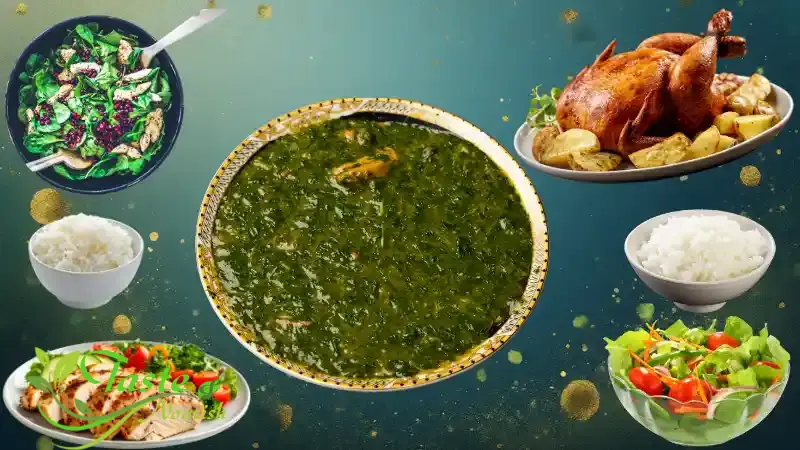
Have you ever stumbled upon a dish so rich in history and nutrition that it makes you wonder why it isn’t more popular worldwide? That’s exactly what chicken molokhia is—a hidden gem from Egyptian cuisine that deserves your attention. This vibrant green stew, made from jute leaves and tender chicken, isn’t just a feast for your taste buds; it’s a nutritional powerhouse that’s been nourishing families for thousands of years.
What Is Molokhia and Why Is It Special?
Molokhia, also known as jute leaves or Jew’s mallow, is a leafy green vegetable that’s been cultivated in Egypt since ancient times. The plant belongs to the Corchorus genus and produces leaves with a distinctive mucilaginous texture when cooked. Think of it as the Middle Eastern answer to okra or spinach, but with its own unique personality and flavor profile.
The Historical Origins of Molokhia
The story of molokhia reads like an adventure novel. Ancient Egyptians considered this vegetable so precious that pharaohs claimed it as their own. Legend has it that the word “molokhia” comes from the Arabic word “mulukiyah,” meaning “of the kings.” Some historians suggest that commoners were forbidden from eating it during certain dynasties, making it the ultimate royal delicacy.
Fast forward to today, and molokhia has become a beloved comfort food across Egypt, Palestine, Syria, Lebanon, and Tunisia. Each region has put its own spin on the dish, but the Egyptian version with chicken remains the most celebrated.
Nutritional Profile of Molokhia Leaves
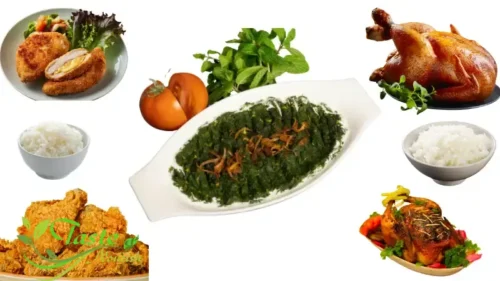
Before we dive into the chicken aspect, let’s talk about why molokhia leaves themselves are nutritional superstars. These dark green leaves are packed with vitamins A, C, and E, along with essential minerals like iron, calcium, and magnesium. They’re also incredibly rich in dietary fiber and contain more than 30 different vitamins and minerals in varying amounts.
What sets molokhia apart from other leafy greens is its exceptional antioxidant content. The leaves contain beta-carotene, lutein, and various polyphenolic compounds that work together to protect your cells from oxidative stress.
Understanding Chicken Molokhia: The Perfect Combination
When you combine nutrient-dense molokhia leaves with protein-rich chicken, you create a dish that’s greater than the sum of its parts. This isn’t just about throwing ingredients together—it’s about creating a harmonious balance of flavors, textures, and nutritional benefits.
Why Chicken Works Perfectly with Molokhia
Chicken brings lean protein to the table, making the dish satisfying and muscle-building friendly. The mild flavor of chicken doesn’t compete with the earthy, slightly bitter taste of molokhia; instead, it provides a neutral canvas that allows the herbs and spices to shine. The chicken also releases collagen and minerals into the broth during cooking, enhancing both the flavor and nutritional value of the dish.
Regional Variations Across the Middle East
While Egyptian chicken molokhia is the most famous version, you’ll find fascinating variations throughout the region. Lebanese cooks often add more garlic and lemon juice, creating a brighter, more acidic flavor profile. Palestinian versions might include chickpeas for added texture and nutrition. Syrian preparations often feature larger chicken pieces and a thicker consistency.
The Nutritional Powerhouse: Breaking Down Chicken Molokhia
Let’s get into the numbers that make chicken molokhia such a nutritious choice for your dinner table.
Macronutrients in Chicken Molokhia
A typical serving of chicken molokhia (approximately 1.5 cups or 350 grams) provides a well-balanced macronutrient profile:
| Component | Amount per Serving | % Daily Value |
|---|---|---|
| Calories | 285-320 kcal | 14-16% |
| Protein | 28-32 g | 56-64% |
| Carbohydrates | 18-22 g | 6-7% |
| Dietary Fiber | 6-8 g | 24-32% |
| Total Fat | 12-15 g | 18-23% |
| Saturated Fat | 2-3 g | 10-15% |
Vitamins and Minerals You’re Getting
Here’s where chicken molokhia really shines. This dish delivers an impressive array of micronutrients:
| Vitamin/Mineral | Amount per Serving | % Daily Value |
|---|---|---|
| Vitamin A | 4,500-5,200 IU | 90-104% |
| Vitamin C | 45-55 mg | 75-92% |
| Vitamin K | 380-450 mcg | 475-563% |
| Folate | 95-115 mcg | 24-29% |
| Iron | 4.5-5.8 mg | 25-32% |
| Calcium | 220-260 mg | 22-26% |
| Magnesium | 85-105 mg | 21-26% |
| Potassium | 580-650 mg | 17-19% |
Calorie Content and Portion Sizes
Understanding portion sizes helps you incorporate chicken molokhia into your meal plan effectively:
| Portion Size | Calories | Protein | Best For |
|---|---|---|---|
| Small (1 cup / 235g) | 190-215 kcal | 19-22 g | Light lunch or side dish |
| Medium (1.5 cups / 350g) | 285-320 kcal | 28-32 g | Standard dinner portion |
| Large (2 cups / 470g) | 380-430 kcal | 38-43 g | Active individuals or main meal |
It’s worth noting that these calorie counts assume moderate use of cooking oil. Traditional preparations using generous amounts of ghee or butter can increase the calorie content by 100-150 calories per serving.
The health benefits of molokhia
Chicken molokhia isn’t just delicious—it’s a functional food that supports multiple aspects of your health.
Digestive Health and Fiber Content
The high fiber content in molokhia leaves promotes healthy digestion in several ways. First, the soluble fiber feeds beneficial gut bacteria, supporting a healthy microbiome. Second, the insoluble fiber adds bulk to your stool, preventing constipation and promoting regular bowel movements. The mucilaginous texture of cooked molokhia also creates a soothing effect on the digestive tract, which can be particularly beneficial for people with sensitive stomachs.
Immune System Support
With its impressive vitamin C content and abundance of antioxidants, chicken molokhia gives your immune system a significant boost. Vitamin A, present in exceptionally high amounts, plays a crucial role in maintaining the integrity of your skin and mucous membranes—your body’s first line of defense against pathogens. The zinc from chicken further enhances immune function, helping your body fight off infections more effectively.
Heart Health and Cholesterol Management
The combination of fiber, potassium, and magnesium in chicken molokhia works synergistically to support cardiovascular health. Fiber helps reduce LDL cholesterol levels, while potassium helps regulate blood pressure by counteracting the effects of sodium. Magnesium supports healthy heart rhythm and vascular function. Additionally, molokhia contains compounds that may help reduce inflammation in blood vessels, a key factor in preventing heart disease.
Weight Management Benefits
If you’re watching your weight, chicken molokhia is an excellent choice. The high protein content from chicken promotes satiety, helping you feel full longer and reducing the likelihood of overeating. The fiber from molokhia leaves further enhances this feeling of fullness while adding minimal calories. The dish’s low energy density means you can eat a satisfying portion without consuming excessive calories—a key principle in sustainable weight management.
The Science Behind Molokhia’s Health Properties
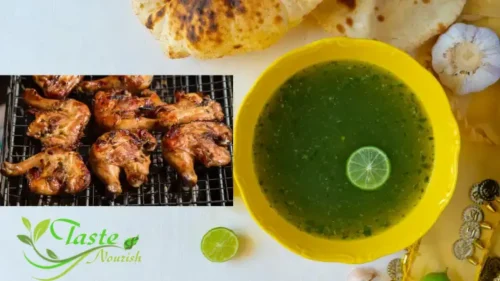
Recent scientific research has begun to validate what traditional cultures have known for centuries about molokhia’s health benefits.
Antioxidants and Anti-Inflammatory Compounds
Molokhia leaves contain an impressive array of antioxidant compounds, including flavonoids, phenolic acids, and carotenoids. These compounds work together to neutralize free radicals in your body, protecting your cells from oxidative damage that can lead to chronic diseases and premature aging. Research has shown that molokhia extracts exhibit significant anti-inflammatory properties, which may help reduce the risk of inflammatory conditions like arthritis, cardiovascular disease, and certain cancers.
Blood Sugar Regulation
The combination of fiber and protein in chicken molokhia creates a low glycemic index meal that helps stabilize blood sugar levels. The fiber slows down the absorption of carbohydrates, preventing rapid spikes in blood glucose. This makes chicken molokhia an excellent choice for people with diabetes or those looking to maintain steady energy levels throughout the day. Some studies suggest that specific compounds in molokhia may also enhance insulin sensitivity, though more research is needed in this area.
How to Prepare Authentic Chicken Molokhia
Ready to bring this nutritious dish to your kitchen? Let’s walk through the preparation process step by step.
Selecting and Preparing Fresh Molokhia
Fresh molokhia leaves are ideal, but they can be challenging to find outside Middle Eastern communities. If you’re lucky enough to locate fresh leaves, choose bunches with vibrant green color and no yellowing or wilting. Strip the leaves from the stems and wash them thoroughly in cold water.
For most home cooks, frozen molokhia is the practical choice. It’s available in Middle Eastern grocery stores and maintains most of the nutritional value of fresh leaves. Some cooks also use dried molokhia, which has a more concentrated flavor and requires rehydration before use.
Choosing the Right Chicken Cuts
Bone-in, skin-on chicken pieces work best for traditional molokhia because they release more flavor into the broth. Chicken thighs are particularly excellent due to their rich flavor and tender texture. However, if you prefer a leaner option, skinless chicken breast works well, though you might need to add a bit more fat to the dish for optimal flavor.
Essential Ingredients and Spices
Beyond chicken and molokhia, you’ll need:
- Fresh garlic (lots of it—this is crucial)
- Ground coriander
- Ground cumin
- Fresh cilantro
- Chicken broth or water
- Cooking oil or ghee
- Salt and pepper
- Optional: dried mint, chili flakes, or cardamom for regional variations
Step-by-Step Cooking Instructions
The Traditional Egyptian Method
Start by boiling your chicken pieces in water with a bay leaf, onion, and a few peppercorns. This creates a flavorful broth that forms the base of your molokhia. Once the chicken is cooked through (about 30-40 minutes), remove it from the broth and set it aside.
Strain the broth and return it to the pot. If using frozen molokhia, add it directly to the simmering broth. Fresh molokhia should be finely chopped before adding. The key is achieving the right consistency—somewhere between a soup and a stew.
While the molokhia simmers, prepare the ta’leya (garlic mixture), which is the soul of the dish. Heat oil or ghee in a small pan, add crushed garlic, ground coriander, and sometimes dried mint. Cook until fragrant but not burned—this takes only about 30 seconds. Pour this aromatic mixture into the molokhia and stir well.
Time-Saving Modern Techniques
For busy weeknights, you can use a pressure cooker or Instant Pot to reduce cooking time significantly. Cook the chicken in the pressure cooker for about 15 minutes, then proceed with adding the molokhia and ta’leya. Some modern cooks also use rotisserie chicken and store-bought broth to cut preparation time in half while still achieving authentic flavor.
Common Mistakes to Avoid
Even experienced cooks can stumble when making molokhia. Here are the pitfalls to watch out for:
Don’t overcook the garlic in your ta’leya—burned garlic will make the entire dish bitter. The garlic should be golden and fragrant, not brown.
Avoid using too little liquid. Molokhia should have a soup-like consistency that allows you to eat it with rice or bread. If it’s too thick, it becomes difficult to enjoy properly.
Don’t skip straining your broth. Bits of onion skin or pepper can ruin the smooth texture that makes molokhia so appealing.
Finally, resist the temptation to add the molokhia to boiling broth. Reduce the heat to a gentle simmer first to prevent the leaves from becoming stringy or losing their vibrant color.
Serving Suggestions and Accompaniments
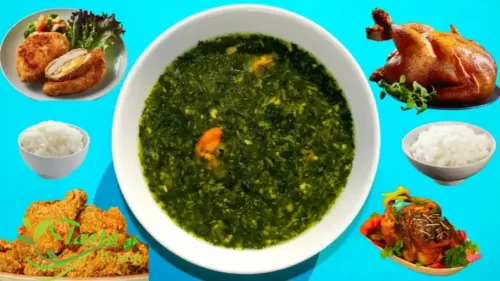
Chicken molokhia is traditionally served over white rice or with Egyptian flatbread (baladi). The rice soaks up the flavorful broth, creating a satisfying and complete meal. Many families also serve it with:
- Pickled vegetables (torshi) for acidity and crunch
- Fresh lemon wedges to squeeze over the top
- Sliced onions soaked in vinegar
- Hot chili sauce for those who like heat
- A simple tomato and cucumber salad
For an authentic Egyptian experience, serve the chicken pieces on a separate plate so diners can enjoy them alongside the molokhia rather than mixed in.
Storage and Reheating Tips
Chicken molokhia keeps well in the refrigerator for 3-4 days when stored in an airtight container. The flavors actually develop and deepen overnight, making leftovers even more delicious than the original dish.
For longer storage, freeze molokhia in portion-sized containers for up to 3 months. When reheating, do so gently on the stovetop, adding a splash of water or broth if it has thickened too much. Avoid microwaving on high heat, as this can affect the texture of the molokhia.
Dietary Modifications and Alternatives
Low-Calorie Version
To reduce the calorie content, use skinless chicken breast and minimize the amount of oil in your ta’leya. You can achieve nearly the same flavor with half the fat by using a light spray of oil and adding extra garlic and spices. This modification can reduce the calorie count to approximately 210-240 calories per serving.
Vegetarian Adaptations
While chicken molokhia is the classic version, vegetarian variations are entirely possible and still delicious. Replace chicken with chickpeas, white beans, or firm tofu for protein. Use vegetable broth instead of chicken broth, and add a tablespoon of tahini for extra richness and creaminess. The ta’leya remains the same, providing that essential aromatic foundation.
Conclusion
Chicken molokhia represents the perfect intersection of nutrition, tradition, and flavor. This ancient Egyptian dish delivers an impressive nutritional profile with high levels of vitamins A, C, and K, substantial protein from chicken, and beneficial fiber from molokhia leaves. Whether you’re seeking immune support, digestive health benefits, or simply a delicious meal that satisfies the whole family, chicken molokhia delivers on all fronts.
The beauty of this dish lies not just in its nutritional density but in its accessibility. With frozen molokhia available in most Middle Eastern grocery stores and simple preparation techniques, anyone can bring this healthful delicacy to their dinner table. As you master the basic recipe, you’ll discover endless opportunities for personalization—adjusting spices, modifying cooking methods, and creating your own family tradition around this remarkable dish.
So why not give chicken molokhia a try? Your taste buds will thank you, your body will benefit from its nutrients, and you’ll be connecting with thousands of years of culinary history with every spoonful.
Frequently Asked Questions (FAQs)
1. Can I use dried molokhia instead of frozen, and does it affect the nutritional value?
Yes, you can absolutely use dried molokhia as a substitute for frozen. Dried molokhia actually retains most of its nutritional value during the drying process, particularly the minerals and fiber content. However, some heat-sensitive vitamins like vitamin C may be slightly reduced. To use dried molokhia, rehydrate it in warm water for about 15-20 minutes before adding it to your dish. The flavor tends to be more concentrated with dried leaves, so you might need slightly less than the recipe calls for with fresh or frozen varieties.
2. Is chicken molokhia suitable for people with diabetes?
Chicken molokhia is an excellent choice for people managing diabetes. The dish has a low glycemic index due to its high fiber and protein content, which helps regulate blood sugar levels and prevents rapid glucose spikes. The fiber in molokhia leaves slows down carbohydrate absorption, while the protein from chicken provides sustained energy. Just be mindful of portion sizes of accompanying rice or bread, and consider pairing the dish with a larger salad to further balance the meal.
3. How can I make chicken molokhia less slimy?
The mucilaginous texture is actually a natural characteristic of molokhia and part of its traditional appeal, but if you prefer a less slimy consistency, there are a few techniques you can try. First, chop fresh molokhia leaves more finely before adding them to the broth—the finer the chop, the less noticeable the texture. Second, cook the molokhia for a shorter time, as prolonged cooking increases the release of mucilage. Finally, adding a tablespoon of lemon juice or vinegar near the end of cooking can help reduce the slippery texture while adding a pleasant tangy note.
4. What’s the best way to introduce molokhia to children who are picky eaters?
Getting children to try new foods can be challenging, but there are several strategies that work well with molokhia. Start by mixing small amounts of molokhia into familiar dishes like chicken soup or rice bowls, gradually increasing the proportion over time. You can also present it as a “green power soup” and involve kids in the cooking process—children are more likely to eat foods they’ve helped prepare. Another approach is to blend the molokhia more finely so the texture is less noticeable, and serve it with fun accompaniments like crispy pita chips for dipping.
5. Can I prepare chicken molokhia in advance for meal prep?
Absolutely! Chicken molokhia is ideal for meal prepping. Prepare a large batch on the weekend and divide it into individual portions in airtight containers. It keeps well in the refrigerator for 3-4 days and actually tastes better the next day as the flavors meld together. For longer storage, freeze portions for up to 3 months. When meal prepping, consider storing the chicken pieces separately from the molokhia sauce, as this prevents the chicken from becoming overly soft. Store rice separately as well, preparing fresh portions throughout the week for the best texture and food safety.
Scientific References:
- Azuma, K., Nakayama, M., Koshioka, M., et al. (2019). “Phenolic antioxidants from the leaves of Corchorus olitorius L.” Journal of Agricultural and Food Chemistry. Available at: https://pubs.acs.org/journal/jafcau
- Oboh, G., Raddatz, H., & Henle, T. (2009). “Characterization of the antioxidant properties of hydrophilic and lipophilic extracts of Jute (Corchorus olitorius) leaf.” International Journal of Food Sciences and Nutrition, 60(2), 124-134. Available at: https://www.tandfonline.com/toc/iijf20/current
- Handoussa, H., Hanafi, R., Eddiasty, I., et al. (2013). “Anti-inflammatory and cytotoxic activities of dietary phenolics isolated from Corchorus olitorius and Vitis vinifera.” Journal of Functional Foods, 5(3), 1204-1216. Available at: https://www.sciencedirect.com/journal/journal-of-functional-foods