
The Remarkable Benefits of Mulukhiyah | A Nutritional Powerhouse
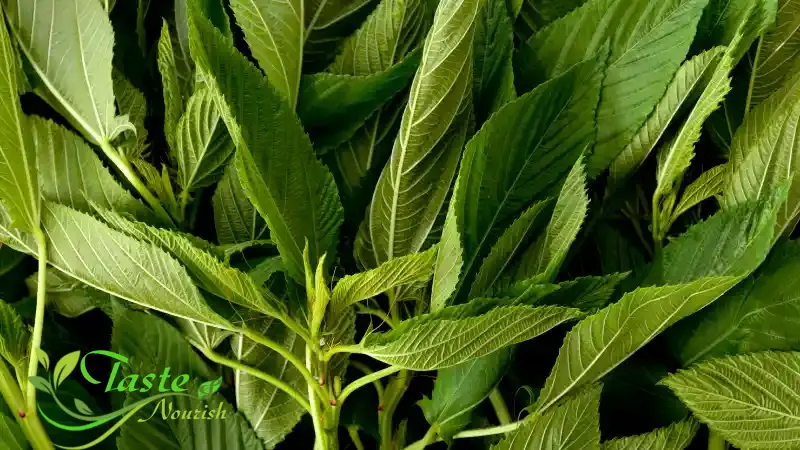
The Remarkable Benefits of Mulukhiyah
Have you ever wondered why generations of Middle Eastern and North African families have sworn by a humble leafy green called Molokhia? This ancient vegetable, also known as jute mallow or Egyptian spinach, isn’t just a culinary tradition—it’s a nutritional goldmine that modern science is finally catching up with. Let’s dive deep into why this slimy, vibrant green deserves a permanent spot on your dinner table.
Nutritional Profile of Mulukhiyah
Let’s talk numbers. When we break down what’s actually in mulukhiyah, you’ll understand why nutritionists are getting excited about this ancient vegetable.
Macronutrients Breakdown
Mulukhiyah is incredibly low in calories while being surprisingly high in protein for a leafy green. It’s also loaded with dietary fiber, which we’ll discuss more in the health benefits section. The vegetable contains minimal fat, and what fat it does contain is primarily in the form of beneficial omega-3 fatty acids.

Vitamins and Minerals Content
Here’s where mulukhiyah really shines. This leafy green is absolutely packed with:
- Vitamin A: Essential for eye health, immune function, and skin integrity
- Vitamin C: A powerful antioxidant that supports immune health and collagen production
- Vitamin E: Protects cells from oxidative damage
- Vitamin K: Crucial for blood clotting and bone health
- B-vitamins: Including folate, which is particularly important for pregnant women
- Iron: Vital for oxygen transport in the blood
- Calcium: Necessary for bone health and muscle function
- Magnesium: Supports hundreds of enzymatic reactions in the body
- Potassium: Helps regulate blood pressure and fluid balance
- Manganese: Important for metabolism and antioxidant function
The vitamin K content in mulukhiyah is particularly noteworthy—just one serving can provide several times your daily requirement. That’s impressive by any standard!
Caloric Information and Serving Sizes
Let me break down the nutritional information in an easy-to-read format:
| Nutrient | Per 100g Raw Mulukhiyah | Per 1 Cup Cooked (190g) |
|---|---|---|
| Calories | 37 kcal | 70 kcal |
| Protein | 4.7 g | 8.9 g |
| Carbohydrates | 6.3 g | 12.0 g |
| Dietary Fiber | 2.0 g | 3.8 g |
| Fat | 0.4 g | 0.8 g |
| Vitamin A | 6,000 IU | 11,400 IU |
| Vitamin C | 53 mg | 100 mg |
| Vitamin K | 500 µg | 950 µg |
| Calcium | 208 mg | 395 mg |
| Iron | 7 mg | 13.3 mg |
| Magnesium | 64 mg | 122 mg |
| Potassium | 559 mg | 1,062 mg |
Comparison with Other Leafy Greens (per 100g):
| Leafy Green | Calories | Protein (g) | Vitamin A (IU) | Iron (mg) | Calcium (mg) |
|---|---|---|---|---|---|
| Mulukhiyah | 37 | 4.7 | 6,000 | 7.0 | 208 |
| Spinach | 23 | 2.9 | 9,377 | 2.7 | 99 |
| Kale | 35 | 2.9 | 9,990 | 1.5 | 135 |
| Collard Greens | 32 | 3.0 | 5,019 | 0.5 | 232 |
| Swiss Chard | 19 | 1.8 | 6,116 | 1.8 | 51 |
As you can see, mulukhiyah holds its own—and in some categories, completely outperforms—other popular leafy greens.
Health Benefits of Mulukhiyah
Now we’re getting to the good stuff. What can this vegetable actually do for your health?
Supports Digestive Health
Remember that slightly slimy texture I mentioned earlier? That’s actually mucilage, a type of soluble fiber that’s incredibly beneficial for your digestive system. Think of it as nature’s own gut coating.
This mucilage acts as a prebiotic, feeding the beneficial bacteria in your gut and promoting a healthy microbiome. Research published in the Journal of Medicinal Food has shown that soluble fiber from plants like mulukhiyah can significantly improve gut health by increasing beneficial bacterial populations.
Beyond that, the high fiber content helps prevent constipation, promotes regular bowel movements, and may reduce the risk of developing hemorrhoids and diverticular disease. If you’ve been struggling with digestive issues, adding mulukhiyah to your diet might be the gentle, natural solution you’ve been looking for.
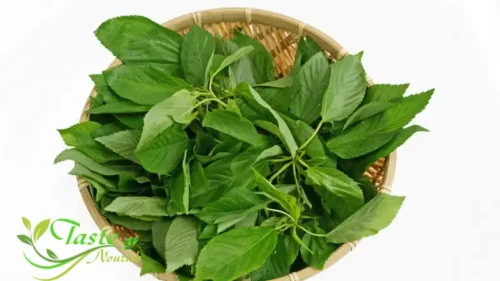
Boosts Immune System Function
Your immune system is your body’s defense army, and mulukhiyah provides it with some serious ammunition. The combination of vitamins A, C, and E creates a powerful antioxidant trio that helps neutralize harmful free radicals and supports immune cell function.
Vitamin C, in particular, stimulates the production and function of white blood cells—your body’s first responders to infection. One serving of cooked mulukhiyah provides nearly 170% of your daily vitamin C requirement. That’s more than an orange!
But here’s something most articles don’t mention: mulukhiyah also contains beta-glucans, complex polysaccharides that have been shown in studies to enhance immune response. Research from the International Journal of Biological Macromolecules demonstrates that these compounds can activate macrophages and natural killer cells, essentially training your immune system to work more efficiently.
Promotes Heart Health
Heart disease remains the leading cause of death globally, so anything we can do to protect our cardiovascular system matters. Mulukhiyah contributes to heart health through multiple mechanisms.
First, its high potassium content helps regulate blood pressure by counteracting the effects of sodium. The American Heart Association recommends increasing potassium intake as a key strategy for managing hypertension, and mulukhiyah delivers potassium in spades.
Second, the omega-3 fatty acids present in mulukhiyah, though in smaller amounts than fatty fish, still contribute to reducing inflammation in blood vessels and lowering triglyceride levels. A study in Nutrients journal confirmed that even plant-based omega-3s (ALA) can provide cardiovascular benefits.
Third—and this is often overlooked—the antioxidants in mulukhiyah, particularly vitamin E and various polyphenols, help prevent LDL cholesterol oxidation. Oxidized LDL is particularly dangerous because it’s more likely to deposit in artery walls, leading to atherosclerosis. By preventing this oxidation, mulukhiyah helps keep your arteries clean and flexible.
Enhances Bone Strength
Osteoporosis affects millions of people worldwide, particularly postmenopausal women. Building and maintaining strong bones requires more than just calcium—you need a whole team of nutrients working together.
Mulukhiyah provides this team. The high vitamin K content is particularly crucial because vitamin K activates proteins that bind calcium to bones. Without adequate vitamin K, calcium can’t do its job properly, regardless of how much you consume.
Additionally, the magnesium in mulukhiyah plays a vital role in converting vitamin D into its active form, which is necessary for calcium absorption. See how it all works together? The calcium content itself is also impressive—one serving provides about 40% of your daily requirement.
Research published in Osteoporosis International has shown that adequate vitamin K intake is associated with higher bone density and reduced fracture risk. Given that one serving of mulukhiyah provides nearly 1000% of your daily vitamin K needs, it’s a bone-health superstar.
Aids in Weight Management
If you’re trying to lose weight or maintain a healthy weight, mulukhiyah should become your new best friend. Why? The math is simple but powerful.
At only 37 calories per 100 grams raw (or about 70 calories for a generous cooked serving), mulukhiyah is incredibly low in calories. But unlike many low-calorie foods that leave you feeling hungry an hour later, mulukhiyah’s high fiber and protein content promotes satiety—that comfortable feeling of fullness that prevents overeating.
The soluble fiber in mulukhiyah slows down digestion, which means you absorb nutrients more gradually and maintain stable blood sugar levels. This prevents the energy spikes and crashes that often lead to cravings and snacking.
Here’s something most people don’t realize: the mucilage in mulukhiyah also physically increases in volume in your stomach, creating a sense of fullness without adding significant calories. It’s like nature’s own appetite suppressant, without any of the concerning side effects of weight-loss drugs.
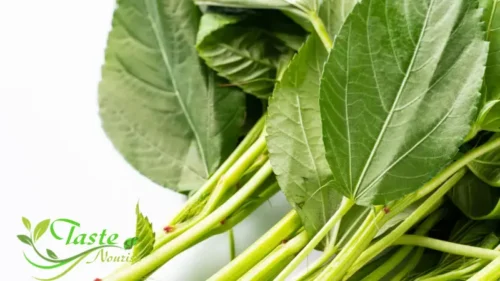
Molokhia for Disease Prevention
Can a vegetable really help prevent serious diseases? The science says yes—though of course, no single food is a magic bullet. Let’s look at what research tells us.
Anti-Cancer Properties
Cancer prevention is complex, involving genetics, environment, and lifestyle factors. However, diet plays a significant role, and mulukhiyah contains several compounds that researchers have identified as potentially protective.
The high antioxidant content—vitamins A, C, and E, plus various polyphenols—helps neutralize free radicals that can damage DNA and potentially trigger cancerous mutations. This isn’t just theory; population studies have consistently shown that people who consume more antioxidant-rich vegetables have lower cancer rates.
But here’s what’s really interesting: mulukhiyah contains specific compounds called glucosinolates, which aren’t widely discussed in most articles about this vegetable. Research published in Cancer Prevention Research has shown that glucosinolates can be converted by the body into compounds that actually help detoxify carcinogens and prevent tumor growth.
Additionally, the high fiber content supports colon health specifically. Studies in the Journal of the National Cancer Institute have demonstrated that high dietary fiber intake is associated with reduced colorectal cancer risk. The mechanism? Fiber speeds up the transit time of waste through the colon, reducing the time that potential carcinogens are in contact with the intestinal lining.
Diabetes Management
Type 2 diabetes affects hundreds of millions of people worldwide, and diet is absolutely central to managing this condition. Mulukhiyah offers several benefits for people with diabetes or those at risk of developing it.
The high fiber content slows the absorption of sugars into the bloodstream, preventing the blood sugar spikes that are problematic for diabetics. This means more stable energy levels throughout the day and less stress on the insulin-producing cells of the pancreas.
What’s particularly fascinating is research from the Journal of Ethnopharmacology showing that mulukhiyah leaves contain compounds that may actually enhance insulin sensitivity. The study found that extracts from the plant improved glucose uptake in cells, essentially helping the body use insulin more effectively.
The magnesium content also plays a role here. Studies have shown that magnesium deficiency is common in diabetics and that adequate magnesium intake improves insulin function and glucose metabolism. One serving of mulukhiyah provides about 30% of your daily magnesium needs.
Anti-Inflammatory Effects
Chronic inflammation is now recognized as a root cause of many diseases, from arthritis to Alzheimer’s. Reducing inflammation through diet is one of the most powerful preventive strategies available to us.
Mulukhiyah contains several anti-inflammatory compounds, including omega-3 fatty acids, vitamin E, and various polyphenols. Research in Pharmaceutical Biology has specifically examined mulukhiyah extracts and found significant anti-inflammatory activity comparable to some pharmaceutical anti-inflammatory drugs—without the side effects.
The mucilage in mulukhiyah also has soothing anti-inflammatory properties, particularly for the digestive tract. If you suffer from inflammatory bowel conditions like Crohn’s disease or ulcerative colitis, the gentle coating action of mulukhiyah might provide relief (though always consult your doctor before making dietary changes for medical conditions).
Beauty and Skin Health Benefits
Your skin is your body’s largest organ, and what you eat directly affects how it looks and functions. Mulukhiyah offers some impressive beauty benefits that go beyond surface-level improvements.
Anti-Aging Properties
Aging is inevitable, but how quickly your skin shows signs of aging is partly within your control. The antioxidants in mulukhiyah—particularly vitamins A, C, and E—work synergistically to protect your skin from oxidative stress caused by UV radiation, pollution, and other environmental factors.
Vitamin C is essential for collagen production. Collagen is the structural protein that keeps skin firm and elastic, and our bodies produce less of it as we age. By providing the raw materials for collagen synthesis, mulukhiyah helps maintain skin firmness and reduces the appearance of fine lines and wrinkles.
Vitamin A, in the form of beta-carotene in mulukhiyah, supports skin cell turnover. This means damaged, dull surface cells are replaced more quickly with fresh, healthy cells. The result? Brighter, more radiant skin with a more even tone.
Here’s something most beauty articles don’t mention: the high iron content in mulukhiyah supports healthy circulation, which means better oxygen and nutrient delivery to your skin cells. Poor circulation can make skin look dull and tired, while good circulation creates that coveted healthy glow.
Hair Health and Growth
Hair loss and thinning hair affect both men and women, often causing significant distress. While genetics play a major role, nutritional deficiencies can exacerbate these issues.
Iron deficiency is one of the most common causes of hair loss in women, and mulukhiyah is an excellent source of plant-based iron. One serving provides about 70% of the daily iron requirement for adult women. Combined with the vitamin C that enhances iron absorption, mulukhiyah is a smart choice for supporting healthy hair growth.
The B-vitamins in mulukhiyah, particularly folate, also support hair health by aiding in red blood cell formation. Red blood cells carry oxygen and nutrients to hair follicles, and without adequate folate, hair growth can slow down or stop altogether.
Additionally, the protein content in mulukhiyah provides amino acids that are the building blocks of keratin, the protein that makes up hair strands. While you’d need to eat a lot of mulukhiyah to meet all your protein needs, every bit helps, especially in a balanced diet.
Mulukhiyah During Pregnancy
Pregnancy is a time when nutritional needs increase dramatically, and choosing the right foods becomes especially important. Mulukhiyah offers several specific benefits for pregnant women.
Folate Content and Fetal Development
Folate (vitamin B9) is arguably the most critical nutrient during early pregnancy because it plays a central role in neural tube development. The neural tube forms within the first few weeks of pregnancy—often before a woman even knows she’s pregnant—and closes to become the baby’s brain and spinal cord.
Inadequate folate during this critical period can lead to neural tube defects like spina bifida. The Centers for Disease Control and Prevention (CDC) recommends that all women of childbearing age consume 400 micrograms of folate daily, increasing to 600 micrograms during pregnancy.
Mulukhiyah is rich in natural folate. While the exact amount varies depending on growing conditions and preparation methods, it provides a significant contribution to meeting daily folate needs. What’s particularly beneficial is that the folate in mulukhiyah comes packaged with other nutrients that support pregnancy—iron for preventing anemia, calcium for building the baby’s bones and teeth, and vitamin K for proper blood clotting.
The iron content is especially important during pregnancy because blood volume increases by about 50%, requiring more iron to produce hemoglobin. Many pregnant women struggle with iron-deficiency anemia, which can cause fatigue and increase the risk of preterm delivery and low birth weight. The non-heme iron in mulukhiyah, when consumed with vitamin C (which mulukhiyah also provides), is well-absorbed and helps prevent these issues.
Safety Considerations
Is mulukhiyah safe during pregnancy? For most women, absolutely yes—in fact, it’s highly beneficial. Traditional cultures have been safely consuming mulukhiyah during pregnancy for thousands of years.
However, there are a couple of considerations. First, like all fresh produce, mulukhiyah should be thoroughly washed and cooked to prevent foodborne illness, which pregnant women are more susceptible to. Always ensure it’s properly cooked until tender.
Second, if you’re taking blood-thinning medication like warfarin, the high vitamin K content in mulukhiyah could interfere with the medication’s effectiveness. While this applies to anyone on blood thinners, not just pregnant women, it’s worth mentioning. If this applies to you, talk to your doctor—you may still be able to eat mulukhiyah, but you’ll need to maintain consistent intake and monitor your blood work.
Finally, some sources mention that mulukhiyah seeds (not the leaves) were traditionally used to induce labor. However, the leaves themselves—which are what we eat—don’t have this effect and are considered safe throughout pregnancy.
How to Prepare and Cook Mulukhiyah
Having all this nutritional information is great, but if you don’t know how to prepare mulukhiyah or find it intimidating, you won’t get any of these benefits. Let’s demystify the cooking process.
Traditional Preparation Methods
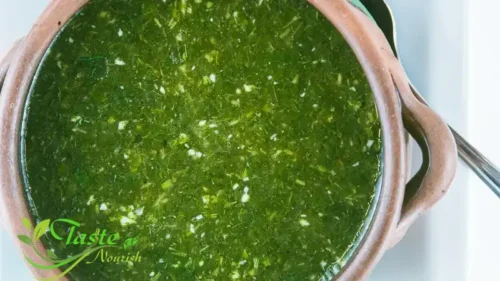
The traditional way of preparing mulukhiyah varies by region, but the basic process is similar. Fresh mulukhiyah leaves are stripped from their stems, washed thoroughly, and then finely chopped. This chopping is crucial—it releases the mucilaginous compounds that give the dish its characteristic texture.
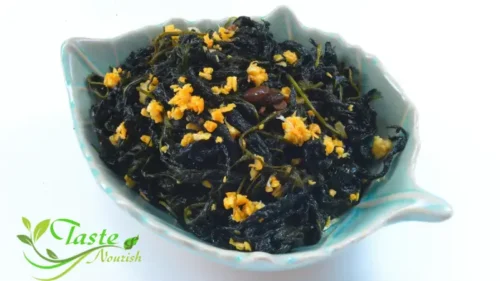
In Egypt, the most popular preparation involves cooking the chopped leaves in a flavorful broth (often chicken or beef stock) until they’re tender and the mixture becomes thick and slightly slimy. The dish is then seasoned with a “taqliya”—a aromatic mixture of minced garlic sautéed in butter or oil with ground coriander. This garlic mixture is added right at the end and gives the mulukhiyah its distinctive, mouthwatering aroma.
The Egyptian version is typically served over rice with meat on the side—usually chicken or rabbit—and accompanied by lemon wedges and fresh bread. The lemon juice adds a bright acidity that balances the richness of the dish perfectly.
In other regions, like Lebanon and Syria, mulukhiyah is sometimes prepared with chickpeas, creating a heartier, more protein-rich dish. Tunisian mulukhiyah often includes harissa (hot chili paste) for those who enjoy some heat.
Modern Cooking Techniques
Don’t have hours to spend in the kitchen? No problem. Modern cooking methods can significantly reduce preparation time while maintaining nutritional value.
Using Frozen Mulukhiyah: Fresh mulukhiyah isn’t available everywhere, but frozen mulukhiyah is increasingly accessible in Middle Eastern grocery stores and even some mainstream supermarkets. The good news is that frozen mulukhiyah retains most of its nutritional value and is already chopped, cutting your prep time dramatically. Simply add it directly to your simmering broth.
Pressure Cooker Method: If you’re using fresh mulukhiyah and want to speed up cooking, a pressure cooker or Instant Pot works wonderfully. You can prepare the entire dish in about 15 minutes under pressure, followed by a quick sauté of the garlic-coriander mixture.
Batch Cooking: Mulukhiyah freezes beautifully, so consider making a large batch and freezing portions for quick meals later. This is actually how many Middle Eastern families handle it—making a big pot and enjoying it throughout the week or freezing individual portions.
Nutritional Tip: To maximize iron absorption from mulukhiyah, always serve it with vitamin C-rich foods. The lemon juice traditionally served with mulukhiyah isn’t just for flavor—it significantly enhances your body’s ability to absorb the plant-based iron. You could also serve it with tomatoes, bell peppers, or other vitamin C sources.
Potential Side Effects and Precautions
While mulukhiyah is generally safe and beneficial for most people, it’s important to be aware of potential issues.
Vitamin K and Blood Thinners: As mentioned earlier, the extremely high vitamin K content can interfere with warfarin and similar anticoagulant medications. Vitamin K promotes blood clotting, while these medications prevent it, so they work against each other. If you’re on blood thinners, don’t necessarily avoid mulukhiyah—just maintain consistent intake and work with your doctor to adjust medication as needed.
Oxalates and Kidney Stones: Mulukhiyah contains oxalates, compounds found in many leafy greens that can contribute to kidney stone formation in susceptible individuals. If you have a history of calcium oxalate kidney stones, you might want to moderate your intake and ensure you’re drinking plenty of water.
Allergic Reactions: Though rare, some people may be allergic to plants in the Malvaceae family. If you’ve never eaten mulukhiyah before, start with a small amount to ensure you don’t have an adverse reaction.
Digestive Adjustment: If you’re not used to eating high-fiber foods, introducing mulukhiyah suddenly might cause temporary digestive discomfort like gas or bloating. Start with smaller portions and gradually increase as your digestive system adjusts.
Pesticide Residues: Like all leafy greens, mulukhiyah can contain pesticide residues if not grown organically. Wash it thoroughly or choose organic when possible, especially if you’re pregnant or feeding children.
Mulukhiyah
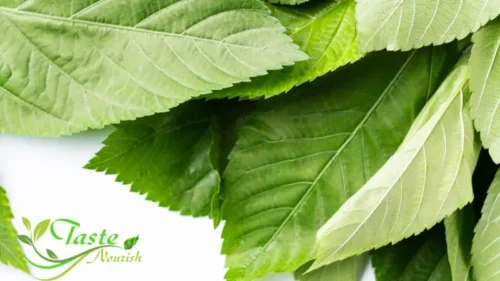
Mulukhiyah comes from the Corchorus olitorius plant, a species that’s been cultivated for thousands of years across Africa, Asia, and the Mediterranean. The leaves are what we’re after—they’re packed with nutrients and develop a unique, slightly mucilaginous texture when cooked that some people absolutely love and others need to acquire a taste for.
Historical Background and Cultural Significance
The story of mulukhiyah reads like a royal tale. Legend has it that Egyptian pharaohs considered this vegetable so nutritious and delicious that they reserved it exclusively for royal consumption. The name “mulukhiyah” itself derives from the Arabic word “mulūkīyah,” meaning “of kings.” Talk about food fit for royalty!
Throughout history, this leafy green has played a crucial role in traditional medicine across multiple cultures. Ancient Egyptians used it to treat various ailments, while traditional healers in other regions prescribed it for everything from digestive troubles to skin conditions. Today, we’re discovering that these ancestral practices weren’t just folklore—they were onto something scientifically valid.
Botanical Classification and Growing Regions
Belonging to the Malvaceae family, mulukhiyah thrives in warm climates and is extensively cultivated throughout Egypt, Sudan, Tunisia, Syria, Lebanon, Palestine, and many other countries. The plant grows quickly, reaching heights of up to three feet, with heart-shaped leaves that are harvested young for optimal tenderness and flavor.
What makes mulukhiyah particularly interesting from an agricultural standpoint is its resilience. It requires relatively little water compared to other leafy greens and can tolerate various soil conditions, making it an environmentally sustainable crop—something we should all care about in today’s climate-conscious world.
Comparing Mulukhiyah to Other Leafy Greens
How does mulukhiyah stack up against the more familiar leafy greens like spinach, kale, or collard greens?
Looking at the nutritional comparison table from earlier, mulukhiyah holds its own admirably. It contains significantly more protein than most other leafy greens—nearly double that of spinach or kale. This makes it particularly valuable for vegetarians and vegans looking to boost protein intake from plant sources.
The iron content in mulukhiyah is exceptional—more than twice that of spinach, which is often touted as an iron powerhouse. For people with anemia or those at risk (menstruating women, vegetarians, pregnant women), this makes mulukhiyah an excellent dietary choice.
Where mulukhiyah is truly unmatched is in its vitamin K content. While all leafy greens are good sources of vitamin K, mulukhiyah provides extraordinary amounts. This is particularly beneficial for bone health and proper blood clotting.
The unique mucilaginous texture of mulukhiyah also sets it apart. While this might not appeal to everyone initially, this quality provides digestive benefits that other leafy greens can’t match. The mucilage acts as a soothing coating for the digestive tract, which is especially helpful for people with inflammatory gut conditions.
One area where other greens might have an edge is in vitamin A content—spinach and kale both provide more. However, mulukhiyah still offers a substantial amount, and when you consider the overall nutritional package, it’s comparable or superior to most popular leafy greens.
The bottom line? Variety is important in any healthy diet, but if you’re looking for a nutrient-dense leafy green that’s been somewhat overlooked in Western nutrition, mulukhiyah deserves serious consideration.
Conclusion
Mulukhiyah isn’t just another trendy superfood—it’s a time-tested nutritional powerhouse that’s been nourishing people for millennia. From supporting digestive health and boosting immunity to promoting heart health and aiding in disease prevention, this humble leafy green punches well above its weight.
What makes mulukhiyah particularly remarkable is its comprehensive nutritional profile. It’s not just high in one or two nutrients; it provides significant amounts of protein, fiber, vitamins A, C, E, K, folate, iron, calcium, magnesium, and potassium. This makes it genuinely one of the most nutrient-dense foods you can eat.
For pregnant women, people trying to lose weight, those concerned about bone health, or anyone simply wanting to improve their overall nutrition, mulukhiyah offers real, science-backed benefits. The fact that it’s also delicious when properly prepared (and deeply embedded in some of the world’s most flavorful culinary traditions) is a bonus.
If you’ve never tried mulukhiyah, I encourage you to seek it out at a Middle Eastern grocery store or restaurant. Yes, the texture might take some getting used to if you’re unfamiliar with it, but give it a fair chance. Your body will thank you for it.
Remember, no single food is a magic solution for health, and mulukhiyah works best as part of a varied, balanced diet rich in different vegetables, fruits, whole grains, and lean proteins. But as far as superfoods go, this one has earned its crown—literally!
Frequently Asked Questions (FAQs)
1. Can I eat mulukhiyah every day?
Yes, you can eat mulukhiyah daily as part of a balanced diet. It’s a nutritious leafy green that can be consumed regularly, just like spinach or kale. However, if you’re taking blood-thinning medications, you should maintain consistent intake and consult your doctor, as the high vitamin K content can affect medication effectiveness. For most people, eating mulukhiyah several times a week provides excellent nutritional benefits without any concerns.
2. Does frozen mulukhiyah have the same nutritional value as fresh?
Frozen mulukhiyah retains most of its nutritional value, making it an excellent alternative when fresh isn’t available. Some minor losses in vitamin C may occur during the freezing process, but the majority of nutrients—including protein, fiber, iron, calcium, and vitamin K—remain intact. The convenience of frozen mulukhiyah often means people eat it more regularly, which can actually result in better overall nutrition than occasionally eating fresh.
3. Why does mulukhiyah have a slimy texture, and is it normal?
The slimy or mucilaginous texture is completely normal and actually one of mulukhiyah’s beneficial features! This comes from soluble fiber compounds that are released when the leaves are chopped and cooked. These compounds provide digestive benefits, act as prebiotics for gut bacteria, and create a soothing coating for the digestive tract. Think of it like okra or chia seeds—the texture might be unusual at first, but it’s a sign of beneficial fiber that supports your health.
4. Can children eat mulukhiyah, and at what age can I introduce it?
Yes, children can eat mulukhiyah, and it’s actually an excellent food for growing kids due to its high iron, calcium, and vitamin content. You can introduce it when your baby starts eating solid foods (around 6 months), but make sure it’s well-cooked and pureed or finely chopped to prevent choking. The mucilaginous texture actually makes it easier for babies to swallow. Many Middle Eastern families introduce it early, and children raised eating it often love it. Start with small amounts mixed into familiar foods to help develop the taste.
5. Where can I buy mulukhiyah if I don’t have access to Middle Eastern grocery stores?
If you can’t find mulukhiyah locally, you have several options. Many online retailers, including Amazon and specialty food websites, sell frozen mulukhiyah that can be shipped to your home. Some well-stocked international sections of major supermarkets carry frozen mulukhiyah. You can also look for it dried (sometimes sold as “jute leaves” or “Egyptian spinach”), which has a long shelf life and can be rehydrated. Finally, if you have a green thumb, mulukhiyah is relatively easy to grow in warm climates—you can order seeds online and grow your own!
I like your blog.