
Egyptian Molokhia | The Ancient Superfood Turning Modern Tables Green with Flavor and Health
قال Article Writer GPT:
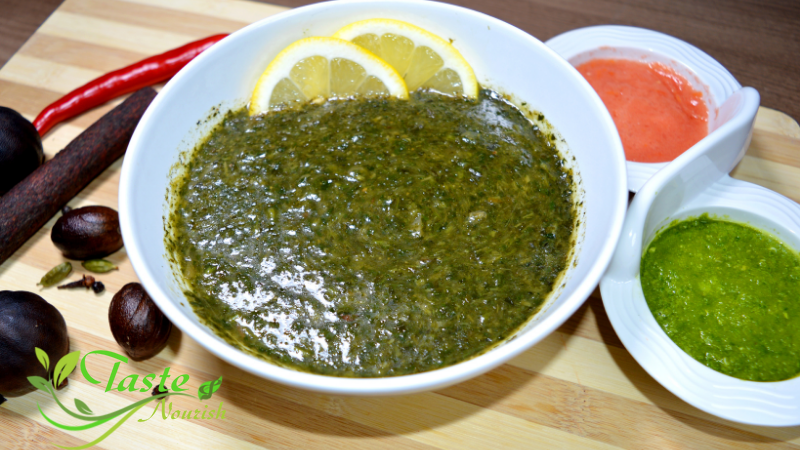
Egyptian Molokhia, often called “the food of the Pharaohs,” is a beloved green dish that embodies Egypt’s comfort, culture, and history. Made from jute mallow leaves (Corchorus olitorius), this silky soup is a staple of Egyptian cuisine and a powerhouse of nutrients and antioxidants. From ancient royal feasts to today’s family tables, Egyptian Molokhia continues to nourish both body and soul with its unique flavor, health benefits, and timeless tradition.
What Is Molokhia?
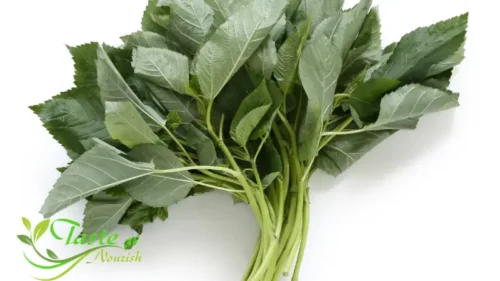
Molokhia is a leafy green vegetable native to Egypt and parts of Africa and Asia. Scientifically known as Corchorus olitorius, this plant belongs to the jute family and is recognized for its high nutritional content and unique texture. The leaves are typically harvested fresh, dried, or frozen, and are used to prepare a traditional soup served with rice, bread, or roasted meat.
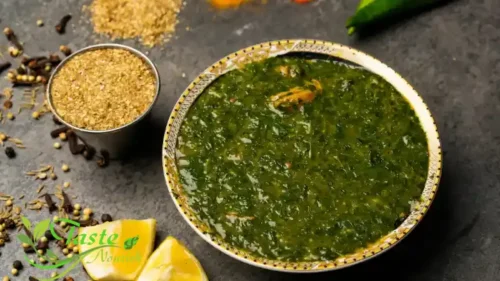
In Egypt, Molokhia is more than a side dish—it’s a main course that often steals the spotlight. The dish is prepared by finely chopping the leaves and simmering them in a broth flavored with garlic and coriander. Some families prefer to serve it with rabbit or chicken, while others pair it with beef or lamb.
The texture of cooked Molokhia is what sets it apart—it’s slightly mucilaginous, similar to okra. This texture gives it a silky, luxurious feel that coats the palate and complements the hearty flavor of garlic and spices beautifully.
The term “Molokhia” itself comes from the Arabic word “mulūkhiyyah,” which some historians believe means “royal” or “fit for kings.” And indeed, legend has it that ancient Egyptian royalty enjoyed this dish as a symbol of prosperity and health.
A Brief History of Egyptian Molokhia
Origins in Ancient Egypt
Molokhia’s roots trace back thousands of years to the Nile Valley. Historical evidence suggests that the ancient Egyptians cultivated Corchorus olitorius both as a food source and for making jute fibers. Some historians claim that Pharaohs consumed Molokhia as part of their royal meals, considering it a health-promoting elixir.
Interestingly, there’s even a local legend that Molokhia was once forbidden to commoners, reserved only for Egypt’s rulers. Whether myth or fact, this story adds to the plant’s mystique as “the green gold of Egypt.”
Cultural Symbolism in the Arab World
When the dish spread across the Middle East during the Fatimid Caliphate, it adapted to local tastes. In Lebanon, it’s cooked with lemon and served with onions; in Palestine, it’s prepared with olive oil and lemon juice. Yet, Egypt remains its true culinary home — where the dish holds cultural importance beyond mere nutrition.
In Egyptian households, Molokhia is the quintessential comfort food. It’s served during family gatherings, celebrations, and even after Ramadan fasts. Mothers pass down the recipe through generations, ensuring that each family’s version retains its own unique flavor profile.
Nutritional Profile of Molokhia
Macronutrients and Micronutrients
Molokhia is often called a superfood — and for good reason. It’s rich in vitamins, minerals, fiber, and protein, while being low in calories and fat. The leaves are particularly high in Vitamin A, Vitamin C, calcium, potassium, and iron.
Just one serving (100 grams) of cooked Molokhia offers an impressive nutritional punch.
Table: Calorie and Nutrient Breakdown (per 100g of cooked Molokhia)
| Nutrient | Amount | % Daily Value* |
|---|---|---|
| Calories | 43 kcal | 2% |
| Protein | 4.6 g | 9% |
| Carbohydrates | 7.8 g | 3% |
| Dietary Fiber | 2.0 g | 8% |
| Fat | 0.3 g | <1% |
| Vitamin A | 6780 IU | 135% |
| Vitamin C | 50 mg | 83% |
| Calcium | 266 mg | 26% |
| Iron | 4.5 mg | 25% |
| Potassium | 450 mg | 13% |
*Values based on a 2,000-calorie daily dite.
Molokhia is also a source of essential amino acids and antioxidants like beta-carotene, which protect cells from oxidative stress.
Health Benefits of Molokhia
Molokhia isn’t just a flavorful dish — it’s a nutritional powerhouse loaded with health-promoting compounds. Egyptian mothers often call it “the strength soup,” and science backs them up. Let’s uncover the key health benefits of this green marvel.
Boosts Immunity
One of the most impressive qualities of Molokhia is its ability to strengthen the immune system. Thanks to its high vitamin C content — nearly 83% of your daily requirement per 100 grams — Molokhia plays a vital role in boosting white blood cell production and protecting the body against infections and viruses.
The beta-carotene found in Molokhia (which the body converts into vitamin A) supports the health of mucous membranes, including those in the respiratory and digestive tracts. This helps block pathogens before they even enter your bloodstream.
In short, adding Molokhia to your diet can be a natural, delicious way to enhance your immune defenses — especially during cold and flu season.
Supports Heart Health
Molokhia’s nutritional profile makes it an excellent ally for cardiovascular health. It’s low in cholesterol and saturated fat but rich in potassium, a mineral essential for regulating blood pressure.
Studies have shown that diets high in potassium and fiber can help reduce the risk of stroke and heart disease. Moreover, the antioxidants in Molokhia, such as flavonoids and polyphenols, help combat oxidative stress — one of the main contributors to cardiovascular damage.
Eating Molokhia regularly may help lower bad cholesterol (LDL) while improving good cholesterol (HDL), thus promoting a healthier heart and circulatory system.
Promotes Digestive Wellness
Molokhia’s fiber content aids digestion and supports gut health. The mucilaginous texture that gives Molokhia its signature “slimy” consistency actually has a purpose — it acts as a soothing agent for the stomach lining, reducing inflammation and promoting smooth digestion.
Fiber also helps regulate bowel movements, preventing constipation and maintaining a healthy gut microbiome. If you suffer from digestive issues like bloating or acidity, Molokhia can provide natural relief while also keeping you full longer.
Anti-Inflammatory and Antioxidant Effects
Molokhia is a natural source of compounds like chlorophyll, phenolic acids, and carotenoids — all of which have potent antioxidant and anti-inflammatory properties. These compounds fight against free radicals that can damage cells, slow aging, and even reduce the risk of chronic diseases like cancer.
According to research published in the Journal of Food Science and Technology, Molokhia extracts show strong antioxidant activity comparable to well-known superfoods like spinach and kale. By neutralizing oxidative stress, Molokhia helps maintain overall vitality and longevity.
Molokhia and Weight Management
If you’re trying to lose or maintain weight, Molokhia is your best friend in the kitchen. It’s low in calories yet rich in essential nutrients, making it a perfect meal for those following a balanced diet.
The fiber in Molokhia provides a sense of fullness, curbing hunger pangs and helping control calorie intake. Additionally, its high protein content supports lean muscle maintenance, which is crucial for a healthy metabolism.
Unlike many weight-loss foods that sacrifice taste for nutrition, Molokhia offers both. The combination of savory garlic, coriander, and silky greens creates a dish that’s deeply satisfying without being calorie-dense.
In traditional Egyptian diets, Molokhia is often served with brown rice or whole-grain bread — both healthy carb options that enhance satiety and energy levels. Add a side of grilled chicken or fish, and you’ve got a nutrient-packed, low-fat meal that keeps you fueled all day.
How to Cook Authentic Egyptian Molokhia
Cooking Molokhia is both an art and a ritual in Egyptian households. It’s one of those dishes that brings families together, and every region — even every home — has its own secret twist.
Traditional Ingredients
To make the classic Egyptian Molokhia, you’ll need:
-
1 lb (450 g) fresh or frozen Molokhia leaves (finely chopped)
-
4 cups chicken or rabbit broth
-
6 cloves of garlic, minced
-
2 tbsp ground coriander
-
2 tbsp butter or ghee
-
1 tsp salt
-
½ tsp black pepper
-
Cooked white rice or Egyptian flatbread (for serving)
Step-by-Step Cooking Method
-
Prepare the broth:
In a large pot, bring your chicken or rabbit broth to a gentle boil. Keep it simmering on low heat. -
Prepare the “ta’leya” (garlic-coriander mix):
In a separate pan, melt butter or ghee. Add minced garlic and coriander, and sauté until golden brown. The aroma will be irresistible — this mixture is the soul of Molokhia. -
Add the Molokhia:
Gradually stir the chopped Molokhia leaves into the simmering broth. Avoid boiling; gentle simmering helps preserve its texture and nutrients. -
Mix the ta’leya into the soup:
Once the Molokhia is fully blended, pour the garlic-coriander mix into the pot. Stir gently and season with salt and pepper. -
Serve immediately:
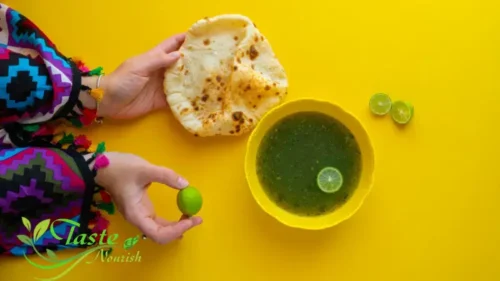
Molokhia is best enjoyed hot, served over rice or with flatbread. For an authentic Egyptian touch, serve it alongside roasted chicken or rabbit.
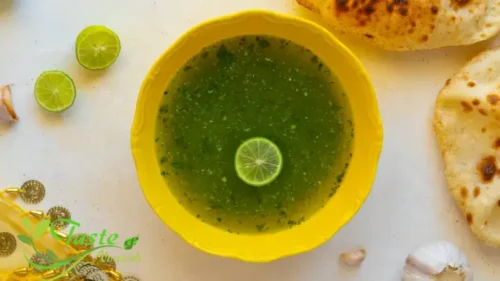
Chef’s Tips for the Perfect Texture
-
Never boil Molokhia — it breaks down its silky consistency.
-
Use a wooden spoon to stir; Egyptians believe it keeps the texture smoother.
-
If you prefer a thicker consistency, let it rest for 10–15 minutes before serving.
-
For a vegan version, simply use vegetable broth and olive oil instead of butter.
Variations Across the Middle East
Molokhia might be Egyptian at its core, but it has found a home in many Middle Eastern and African cuisines — each with its own distinct twist.
Lebanese Molokhia
In Lebanon, Molokhia is prepared with shredded chicken, lemon juice, and lots of caramelized onions. Unlike the Egyptian version, the leaves are often left whole, resulting in a chunkier texture. It’s served over rice with toasted pita and roasted nuts, making it a hearty meal.
Palestinian Molokhia
Palestinians prefer a tangier version, adding generous amounts of lemon juice and olive oil. The broth is slightly thinner, and the dish is typically accompanied by pickles and fresh onions.
Sudanese Molokhia
In Sudan, Molokhia takes on a more rustic flavor. It’s commonly cooked with lamb or beef and seasoned with hot spices. The leaves are sun-dried and rehydrated before cooking, giving the dish an earthy aroma.
Each variation reflects local ingredients, climates, and traditions — yet they all share one core belief: Molokhia is a dish of comfort, health, and family unity.
Molokhia in Modern Egypted in next response
Molokhia isn’t just a dish—it’s part of Egypt’s identity. From Cairo’s bustling kitchens to rural family farms along the Nile, this green delicacy bridges generations and social classes alike. It’s as likely to appear on a wedding table as it is during a cozy family dinner.
In modern Egypt, Molokhia represents home. Egyptians living abroad often describe it as the food that instantly transports them back to their childhood. Many even carry packets of dried Molokhia leaves in their luggage when traveling, a symbol of nostalgia and comfort.
The dish also holds cultural significance during festive times. After Ramadan, Molokhia frequently features in the first family meal marking Eid celebrations. Restaurants across Cairo serve it as a staple, from luxury hotels to humble neighborhood eateries.
Interestingly, social media has played a role in reviving its popularity among younger generations. Food bloggers and chefs now share modern takes on the classic—Molokhia risotto, vegan Molokhia bowls, and even Molokhia smoothies! While these creative versions may surprise purists, they keep the ancient dish alive and evolving.
Pairing Molokhia with Egyptian Dishes
To enjoy Molokhia like a local, it’s all about the sides. The traditional Egyptian meal revolves around balance—rich proteins, light carbs, and vibrant flavors.
Perfect pairings include:
-
Egyptian Rice: Short-grain rice cooked with butter or vermicelli. Its neutral flavor complements Molokhia’s robust taste.
-
Roasted Chicken or Rabbit: Tender, juicy, and slightly salty—these meats bring out the herbal notes of the Molokhia leaves.
-
Baladi Bread: This traditional Egyptian flatbread is perfect for scooping up the silky soup.
-
Pickled Vegetables: Tangy pickles cut through the richness and add a satisfying crunch.
For a more modern twist, pair Molokhia with grilled salmon, brown rice, or quinoa. Its earthy flavor also goes beautifully with lemony salads or roasted vegetables.
Molokhia for Vegetarians and Vegans
One of the great things about Molokhia is its versatility. While the classic Egyptian recipe uses chicken or meat broth, it’s incredibly easy to make it vegetarian or vegan.
Swap the broth for a vegetable-based stock infused with garlic, onion, celery, and coriander seeds. Use olive oil instead of butter or ghee for a plant-based version that’s equally flavorful.
To increase its protein content, add tofu cubes, tempeh, or chickpeas. These absorb the Molokhia’s garlic-coriander aroma beautifully while keeping the dish hearty and satisfying.
For added nutrition, stir in a handful of spinach or kale toward the end of cooking. This creates a nutrient-dense green stew that’s both light and filling.
Vegan Molokhia is not just a substitute—it’s a culinary statement. It proves that traditional Egyptian flavors can adapt beautifully to modern plant-based lifestyles without losing their authenticity.
Scientific Studies on Molokhia’s Nutritional Value
Modern science confirms what Egyptians have known for centuries: Molokhia is a powerhouse of nutrients. Several studies highlight its antioxidant, anti-inflammatory, and immune-boosting potential.
A 2020 study published in the Journal of Functional Foods found that Corchorus olitorius leaves contain high levels of phenolic compounds and flavonoids, which help combat oxidative stress and inflammation. Another research from Food Chemistry (2019) reported that Molokhia extract exhibited antimicrobial properties, suggesting possible therapeutic applications.
Furthermore, researchers at Cairo University discovered that Molokhia’s beta-carotene content supports eye health and helps protect against macular degeneration. Its calcium and iron concentrations also make it a valuable food for maintaining bone density and preventing anemia.
The combination of fiber, plant protein, and phytonutrients makes Molokhia not only a traditional dish but a scientifically validated superfood.
Where to Buy Molokhia and How to Store It
Finding Molokhia is easier than ever, even outside Egypt. You can purchase it in three main forms:
-
Fresh Leaves: Available in Middle Eastern markets during the summer months.
-
Frozen Molokhia: Sold in many international supermarkets—ready to cook with no chopping required.
-
Dried Molokhia: Found in spice shops and online; simply rehydrate in warm water before cooking.
Storage Tips:
-
Fresh Molokhia: Store unwashed leaves in the refrigerator for up to three days.
-
Frozen Molokhia: Keep sealed and frozen for up to six months.
-
Dried Molokhia: Store in airtight containers in a cool, dark place for up to a year.
Always check for freshness—the leaves should be dark green and aromatic, not yellowing or brittle.
Common Mistakes to Avoid When Cooking Molokhia
Even experienced cooks can make errors when preparing this delicate dish. Here are the most common mistakes — and how to avoid them:
-
Boiling the Molokhia:
Overheating breaks down its natural mucilage and ruins the signature texture. Always simmer gently. -
Skipping the “Ta’leya”:
The garlic-coriander mixture defines the dish’s flavor. Without it, Molokhia loses its soul. -
Using Too Much Broth:
Too much liquid makes the soup watery. The ideal consistency is thick yet pourable. -
Not Chopping the Leaves Finely Enough:
Traditional Molokhia is almost pureed. Finely chopped leaves ensure a smooth, cohesive texture. -
Forgetting the Lemon:
A squeeze of lemon right before serving brightens the dish and balances its earthy flavor.
Conclusion
Molokhia is more than just food — it’s history in a bowl. From its royal origins in ancient Egypt to its place on family tables today, it embodies resilience, community, and nourishment.
Packed with vitamins, minerals, and antioxidants, Molokhia isn’t merely a cultural treasure — it’s a global superfood waiting to be rediscovered. Whether you enjoy it with rice and roasted chicken or in a modern vegan version, each spoonful connects you to thousands of years of culinary heritage.
It’s time for Molokhia to earn its rightful place among the world’s healthiest dishes — not just as Egypt’s favorite meal, but as a symbol of how simple, humble ingredients can create timeless beauty on a plate.
FAQs About Egyptian Molokhia
1. Is Molokhia the same as jute leaves?
Yes. Molokhia is the Arabic name for Corchorus olitorius, commonly known as jute mallow leaves.
2. Can I freeze homemade Molokhia?
Absolutely. Store it in airtight containers and freeze for up to 3 months. Thaw gently over low heat before serving.
3. Why does Molokhia have a slimy texture?
That texture comes from natural mucilage in the leaves—similar to okra—which helps soothe digestion and adds body to the soup.
4. Is Molokhia gluten-free?
Yes! Molokhia leaves are naturally gluten-free. Just make sure your broth and sides don’t contain wheat.
5. Can Molokhia be eaten cold?
While traditionally served hot, it can be enjoyed chilled as a refreshing green soup, especially during summer.
I do not evenn know how I ended up here, but I thought this post was great.
I do not know who you are but certainly you’re going to a famous blogger if you are
not already 😉 Cheers!