
How to Organise a Kitchen Like a Pro | Smart, Stylish, and Space-Saving Ideas for Every Home
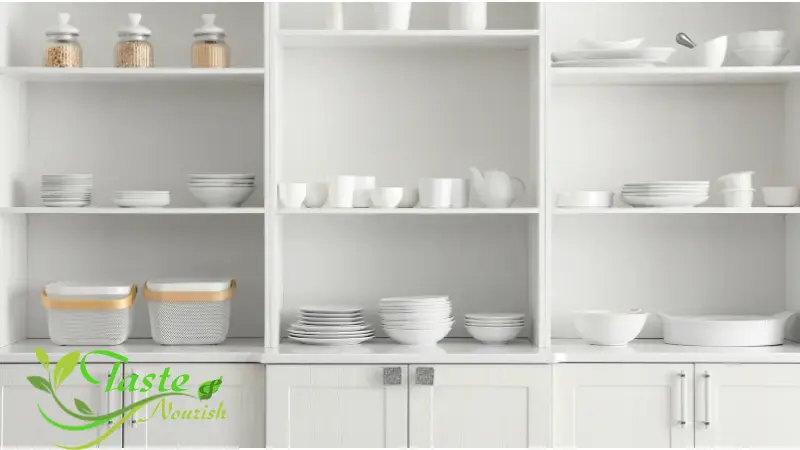
How to Organise a Kitchen Like a Pro
Learning how to organise a kitchen can completely transform your daily life. A well-arranged kitchen saves time, reduces stress, and makes cooking feel effortless. When everything has its place—ingredients, tools, and appliances—your space becomes more functional and inviting. Whether you have a small apartment kitchen or a large family setup, mastering kitchen organization helps you cook smarter, stay tidy, and truly enjoy the heart of your home.
In this guide, we’ll walk you through the entire process—from decluttering and zoning to advanced storage hacks and sustainable strategies. Whether your kitchen is small and cozy or sprawling and luxurious, you’ll learn how to turn it into a space that’s intuitive, stylish, and perfectly suited to your life.
Understanding Your Kitchen’s Purpose and Flow
Before you start organizing, take a moment to understand how your kitchen works for you. Every kitchen has its own personality, rhythm, and purpose. For some, it’s purely a cooking space. For others, it’s also a dining room, home office, or even a social hub. Knowing your kitchen’s purpose helps you design an organization system that supports your daily habits, not one that fights them.
The Science of Kitchen Ergonomics
Kitchen ergonomics focuses on arranging your space to minimize movement and maximize comfort. According to the Ergonomics Society of America, a well-designed workspace can reduce physical strain and improve productivity by up to 30%. In a kitchen, this means placing frequently used items—like knives, cutting boards, and cooking oils—within easy reach of your main prep area.
Think about how you move when you cook. Do you find yourself crisscrossing the kitchen to fetch ingredients? Are your pots stored miles away from your stove? Fixing these issues can save you hundreds of steps per meal. The goal is simple: make your kitchen work smarter, not harder.
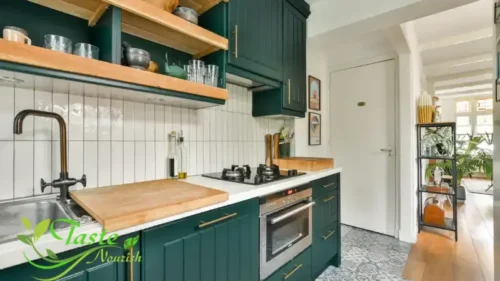
How to Define Your Kitchen Zones
A functional kitchen revolves around five main zones:
-
Prep Zone – For cutting, chopping, and mixing. Keep knives, boards, and mixing bowls here.
-
Cooking Zone – Centered around the stove. Store pots, pans, and cooking utensils nearby.
-
Cleaning Zone – The sink and dishwasher area. Keep dish soap, scrubbers, and towels handy.
-
Storage Zone – Where food and supplies live, including your pantry and refrigerator.
-
Serving Zone – Where plates, cutlery, and glasses are stored for easy table setup.
By dividing your kitchen into these zones, you’ll reduce clutter and confusion. Every tool and ingredient will have a logical home—making cooking not just easier, but enjoyable.
How to Organise a Kitchen
Decluttering: The Essential First Step
Before any fancy organization system can work, you need to declutter. Many people skip this step and end up organizing stuff they don’t even use.
The 3-Box Decluttering Method
Grab three boxes and label them:
-
Keep – For items you use regularly or truly love.
-
Donate – For duplicates or tools you rarely touch.
-
Discard – For broken, expired, or useless items.
Go through each cabinet and drawer systematically. Don’t rush—touch every single item. Ask yourself: When was the last time I used this? Would I buy it again today? If the answer is no, it’s time to let it go.
This step isn’t just about creating space—it’s about creating mental clarity. According to a study by UCLA’s Center on Everyday Lives of Families, clutter in the home is directly linked to higher cortisol (stress hormone) levels. A clean, streamlined kitchen doesn’t just look better; it feels better.
Items to Toss, Donate, or Repurpose
Here’s a quick guide:
-
Toss: Expired food, mismatched lids, rusted pans, dull knives.
-
Donate: Duplicate utensils, unused gadgets, extra mugs.
-
Repurpose: Mason jars for storage, old trays as drawer organizers.
Remember, decluttering is not a one-time event—it’s a mindset. Once you embrace it, your kitchen will never go back to chaos.
Creating a Kitchen Layout That Works for You
No two kitchens are the same. The layout that works for a family of five won’t suit a city apartment dweller. But the principle remains constant: your kitchen layout should prioritize efficiency and comfort.
The Golden Triangle Rule Explained
The golden triangle is the holy grail of kitchen design. It connects the sink, stove, and refrigerator—the three most-used areas in your kitchen. Ideally, these should form a triangle with sides between 4 to 9 feet long. This ensures smooth workflow and minimal walking distance between key tasks.
If you can’t physically remodel your kitchen, you can still apply this principle by rearranging your tools and prep stations. For example, keep cooking oils near your stove, cutting boards near your sink, and snacks or perishables close to the fridge.
Small Kitchen vs. Large Kitchen Strategies
For small kitchens, vertical storage is your best friend. Install floating shelves, magnetic knife strips, and wall-mounted racks. Opt for foldable tables and stackable containers. Keep countertops clear to create the illusion of space.
For large kitchens, the challenge is the opposite—keeping everything accessible. Use drawer dividers, lazy Susans, and rolling carts to bring items closer to where they’re needed. Group related items together so you’re not zigzagging across the room.
A smart layout doesn’t just make cooking easier—it transforms your kitchen into a space that flows naturally.
Categorize and Zone Your Kitchen Smartly
Once you’ve decluttered and defined your kitchen’s purpose, it’s time to give everything a home. Zoning is the secret ingredient of a truly functional kitchen—it ensures that every tool, ingredient, and appliance is exactly where you need it when you need it. Think of zoning as creating small “workstations” for every kitchen activity.
Prep Zone, Cooking Zone, Cleaning Zone
Your kitchen should be divided into three main activity zones:
-
Prep Zone: This is where the magic begins. Keep knives, cutting boards, mixing bowls, and spices close at hand. Ideally, your prep area should be near the sink for easy washing and waste disposal.
-
Cooking Zone: Everything related to cooking belongs here—pots, pans, cooking utensils, oils, and seasonings. Place these items near your stove or oven for easy access.
-
Cleaning Zone: Centered around your sink and dishwasher, this area should hold dish soap, scrub brushes, sponges, and towels. If space allows, have a separate drying area or rack nearby.
A well-zoned kitchen not only saves time but also reduces mess. Imagine prepping your ingredients without constantly moving across the kitchen—it feels like choreography when everything’s in sync.
The Importance of Keeping “Like with Like”
Grouping similar items together is one of the most powerful organizational habits. Store baking ingredients (flour, sugar, vanilla) in one area, cooking oils and vinegars in another, and all your snacks in a dedicated drawer or pantry shelf.
This approach also makes it easier to spot what you’re running low on, reducing food waste and unnecessary purchases. According to a 2023 study by the Environmental Protection Agency (EPA), American households throw away nearly 31% of purchased groceries due to disorganization and spoilage. By zoning your kitchen and categorizing items, you can significantly cut that percentage.
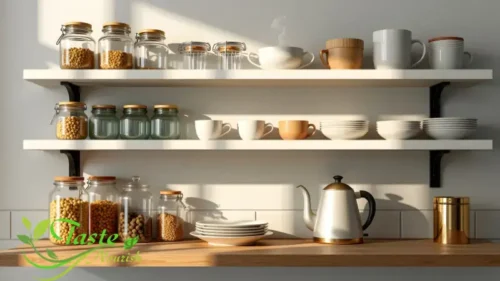
Smart Storage Solutions for Every Kitchen Size
Even the most organized person can struggle with storage. But with a few clever tricks, you can double your kitchen’s capacity without knocking down walls.
Vertical Storage Hacks
When floor space is limited, think up! Install floating shelves, hanging racks, or magnetic strips for knives and metal utensils. The inside of cabinet doors can also hold spice racks, cutting boards, or cleaning supplies.
If you have high ceilings, add top shelves for seasonal or rarely used items. Use clear, labeled bins so you can easily identify what’s stored there. Vertical space often goes wasted, but it can be your greatest asset in a compact kitchen.
Hidden Storage for Minimalist Kitchens
Minimalist kitchens thrive on visual calm, which means reducing countertop clutter. Consider these options:
-
Pull-out drawers instead of deep cabinets for easier access.
-
Toe-kick drawers under lower cabinets for baking sheets or trays.
-
Slide-out pantry shelves that make use of narrow gaps.
If you’re a fan of sleek designs, opt for concealed trash bins and built-in organizers. It’s like giving your kitchen a secret layer of organization no one else can see.
Pull-Out Shelves, Dividers, and Lazy Susans
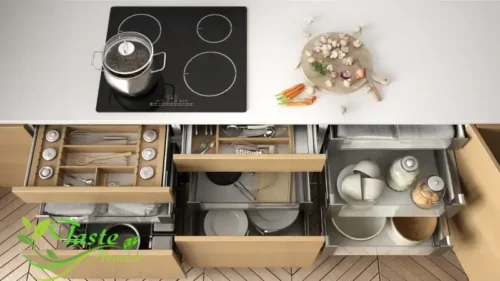
Pull-out shelves are game changers. They let you reach items stored deep inside cabinets without bending or rummaging. Combine them with adjustable dividers to keep pots, lids, and trays separate.
A lazy Susan is perfect for corners or pantries—it keeps everything visible and accessible. You’ll never have to dig for that lost jar of peanut butter again.
Incorporating these small but mighty tools transforms your kitchen from chaotic to seamless.
Optimizing Cabinet and Drawer Space
Cabinets and drawers are the backbone of kitchen organization. Yet, they’re often underutilized or cluttered beyond recognition. Let’s fix that.
Drawer Organizers and Inserts
Instead of tossing utensils into one big drawer, use custom inserts to divide them by type—spoons, forks, knives, and gadgets. Bamboo or acrylic organizers are great because they’re adjustable and easy to clean.
For deep drawers, add stacking bins or drawer risers to use vertical space efficiently. Keep frequently used tools in top drawers and lesser-used items below.
How to Store Pots, Pans, and Lids Efficiently
Heavy cookware can take up a lot of space. Install pull-out racks or pan organizers to keep them upright and separated. Store lids on a mounted rack or inside cabinet doors using adhesive hooks.
If your kitchen layout allows, dedicate one deep drawer solely for pots and pans—it saves you from the endless clanging that comes with stacking.
For lightweight items like baking sheets or cutting boards, use vertical dividers instead of piling them flat. This not only saves space but also prevents scratches and chips.
Pantry Organization: The Heart of the Kitchen
Your pantry is like your kitchen’s command center—it holds the supplies that make every meal possible. A disorganized pantry can lead to waste, frustration, and even overspending.
Labeling and Container Systems
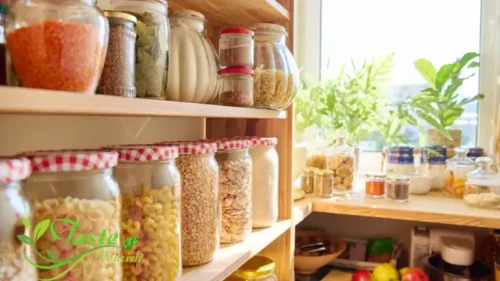
The key to a beautiful, functional pantry is uniformity. Transfer dry goods (flour, sugar, pasta, cereal) into airtight containers. Not only do they keep food fresh, but they also make your shelves look instantly neater.
Label each container clearly with its name and expiration date. Clear containers are best because you can see what’s inside at a glance. Group similar foods—like baking items, snacks, grains, and canned goods—into their own sections.
FIFO (First In, First Out) Method for Food Rotation
Professional kitchens use the FIFO method to ensure nothing expires unnoticed. Place newer items behind older ones, so you always use up the oldest stock first. It’s simple but incredibly effective.
You can even assign each shelf a category—like breakfast, baking, or dinners—to make meal planning easier. Consider adding a “use soon” basket for near-expiration items to reduce food waste.
A clean, well-organized pantry doesn’t just save space—it saves money, sanity, and time every single day.
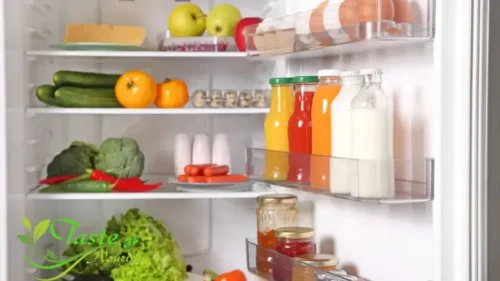
Refrigerator and Freezer Organization Tips
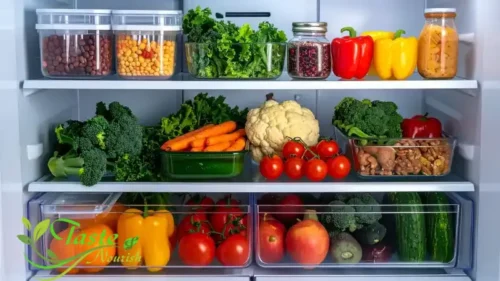
The refrigerator is one of the most used and most chaotic spaces in any kitchen. Without structure, it can quickly turn into a cold, messy cave where leftovers go to die. Organizing your fridge and freezer is about more than just neatness—it directly impacts food safety, freshness, and your grocery budget.
Ideal Temperature Zones
Every refrigerator has natural temperature variations, and understanding them helps you store food more effectively. The coldest zone is typically at the back and bottom—perfect for raw meat, poultry, and seafood. The middle shelves are ideal for dairy and leftovers, while the top shelf works best for ready-to-eat items like drinks, snacks, and condiments.
The crisper drawers are designed for produce, but even they have a system. Use one drawer for fruits (low humidity) and another for vegetables (high humidity). This small adjustment can extend shelf life by several days.
Keep your refrigerator temperature between 35°F and 38°F, and your freezer at 0°F for optimal preservation. Regularly check the temperature settings using a fridge thermometer to ensure consistent cooling.
Using Bins and Baskets for Easy Access
Clear bins and labeled baskets can turn fridge chaos into order. Create zones: one for dairy, one for beverages, another for leftovers. Use smaller bins for condiments, sauces, and snacks. This system helps prevent food from getting lost and going bad.
Try using lazy Susans for frequently used items—it makes grabbing the ketchup or soy sauce effortless. Stackable containers are another excellent solution, especially for meal-prepped food or leftovers.
For the freezer, use stackable bins or drawers to group similar items—like frozen veggies, meats, and desserts. Label everything with the date you froze it. No more mystery containers from three months ago!
Regular cleaning is just as essential as organizing. Once a month, do a “fridge audit”: wipe down shelves, toss expired food, and reorganize items. This routine not only keeps things hygienic but also prevents bad odors and cross-contamination.
Countertop Management: Keep It Clear, Keep It Calm
Your countertops are prime real estate. Too much clutter here, and your kitchen instantly feels cramped and chaotic. A clean counter, on the other hand, creates a sense of calm and invites creativity.
What Deserves a Spot on the Counter
The golden rule: only keep out what you use every single day. That usually includes:
-
A coffee maker or kettle
-
A toaster or blender (if used daily)
-
A fruit bowl or small herb garden
-
A decorative cutting board or small utensil holder
Everything else should live in cabinets, drawers, or shelves. Store appliances you use less frequently, like slow cookers or mixers, out of sight but within easy reach.
Minimalism vs. Practicality
While a spotless, minimalist counter looks amazing in photos, real life requires balance. You don’t need to hide everything, but you do need to keep it functional. Use decorative trays to corral everyday items, like oils and spices, to make them look intentional instead of random.
Also, consider zone-based counter organization—dedicate a small section near your stove for cooking essentials and another near your sink for cleaning supplies. This keeps your workflow seamless and your surfaces tidy.
If your kitchen is small, use vertical space creatively: install wall-mounted racks for utensils, magnetic strips for knives, or even floating shelves for often-used ingredients. You’ll be amazed how much space this frees up while keeping your kitchen efficient and stylish.
Sustainable Kitchen Organization
Sustainability is no longer just a trend—it’s a necessity. By organizing your kitchen with eco-friendly habits, you not only reduce waste but also create a healthier environment for your family.
Eco-Friendly Storage Materials
Skip the plastic whenever possible. Instead, opt for glass jars, bamboo bins, stainless steel containers, or silicone bags. They’re durable, non-toxic, and far more environmentally friendly. Mason jars, for instance, are perfect for storing dry goods, leftovers, or even smoothies.
You can also switch to reusable wraps made from beeswax instead of single-use plastic wraps. Cloth bags and paper storage containers are excellent for dry ingredients and snacks.
Reducing Food and Packaging Waste
The U.S. Department of Agriculture reports that nearly 30–40% of the food supply is wasted annually. Much of this waste comes from poor organization and over-purchasing. Combat this by:
-
Planning your meals weekly before grocery shopping.
-
Using transparent storage so you can see what you have.
-
Labeling food with purchase or expiration dates.
-
Freezing items before they spoil.
You can even compost vegetable scraps or start a small herb garden from leftover stems. A sustainable kitchen isn’t just organized—it’s mindful and efficient.
Using Technology for Kitchen Organization
In today’s smart homes, even your kitchen can benefit from a digital upgrade. Technology can simplify everything from meal planning to inventory tracking, making your organization efforts practically effortless.
Smart Storage Systems and Digital Pantries
Smart fridges can now track expiration dates, suggest recipes based on available ingredients, and even create shopping lists. Pair that with smart storage—like motion-sensor lights inside drawers or Bluetooth-enabled pantry systems—and you’ll never lose track of what you have again.
If you’re not ready for a high-tech overhaul, start small with smart labels or QR codes that you can scan with your phone to check what’s in each container or when it expires.
Inventory and Meal-Planning Apps
Apps like Pantry Check, Out of Milk, or Yummly can sync your grocery list with your pantry inventory. They remind you when something’s running low and suggest recipes to use up ingredients before they spoil.
Meal planning apps also help reduce waste, save time, and ensure you always have what you need. Imagine never realizing mid-dinner that you’re out of garlic again!
Embracing technology isn’t about replacing your instincts—it’s about enhancing your organization skills with smarter tools.
Aesthetic Touches: Designing for Beauty and Function
An organized kitchen doesn’t have to be purely practical—it should also reflect your personality and style. The best kitchens balance functionality and beauty, blending organization systems seamlessly with décor. A visually pleasing kitchen invites you to spend time in it, experiment with recipes, and feel genuinely proud of your space.
Matching Organization with Décor
Start by choosing a consistent theme—modern minimalism, rustic farmhouse, coastal chic, or industrial elegance. Then, integrate your organization elements accordingly. For instance:
-
In a modern kitchen, use sleek glass jars, matte finishes, and hidden pull-out shelves.
-
In a farmhouse-style kitchen, woven baskets, wooden crates, and ceramic canisters fit beautifully.
-
For an industrial look, metal racks, wire baskets, and exposed shelving can create both character and convenience.
The key is cohesion. Stick to a limited color palette, use similar materials, and make sure your storage items complement your kitchen’s overall vibe.
Lighting, Color, and Open Shelving Ideas
Lighting plays a massive role in both functionality and aesthetics. Combine task lighting (under-cabinet LEDs) with ambient lighting (pendant lamps or recessed fixtures) to create a warm yet efficient workspace.
Colors also influence how organized a kitchen feels. Light tones like white, cream, or pastel shades make small kitchens feel open and airy, while darker hues like navy or charcoal add depth and luxury to larger spaces.
Open shelving is another way to blend décor with practicality. Use it for displaying frequently used items like dishes, mugs, or jars filled with grains. The key is to keep it tidy—open shelves highlight clutter just as easily as beauty. Rotate display items occasionally to refresh the look and keep dust at bay.
Balancing Aesthetics with Everyday Use
While it’s tempting to make your kitchen look Instagram-perfect, remember it’s a working space. Beauty should never come at the cost of usability. If a decorative item doesn’t serve a purpose, keep it minimal or move it elsewhere.
Your kitchen should tell your story—through thoughtful details, functional organization, and a touch of personal charm.
Why Kitchen Organization Matters More Than You Think
A well-organized kitchen is more than just visually appealing—it’s the heartbeat of a happy home. Think about it: this is where you start your mornings with coffee, prep meals that bring your family together, and even host impromptu conversations. When chaos takes over, it can make cooking stressful, waste your time, and even cost you money through expired food or misplaced tools.
According to a 2024 study by the National Kitchen & Bath Association, a properly organized kitchen can reduce meal prep time by up to 40%. That’s not just convenience—it’s efficiency backed by data. Moreover, research in Environmental Psychology suggests that visual clutter can trigger anxiety and reduce focus. So yes, that messy spice drawer is affecting more than just your dinner routine.
Maintaining an Organized Kitchen Long-Term
Organizing your kitchen once is easy; keeping it that way is the real challenge. Consistency is key, and it comes from building simple, sustainable habits.
Daily, Weekly, and Monthly Maintenance Habits
Here’s a routine that keeps your kitchen spotless without overwhelming you:
Daily:
-
Wipe down countertops and stove after each use.
-
Load and unload the dishwasher.
-
Return everything to its designated zone.
Weekly:
-
Check pantry and fridge for expired items.
-
Sweep and mop the floor.
-
Refill containers and restock essentials.
Monthly:
-
Deep clean one section at a time (drawers, cabinets, etc.).
-
Rotate food items using the FIFO method.
-
Assess what’s working—and what’s not.
Set aside 10–15 minutes daily for light tidying, and your kitchen will rarely need a massive overhaul again.
Family Involvement and Accountability
Your kitchen is a shared space, so everyone who uses it should help maintain it. Create a simple system the whole household understands—like labeling drawers, using clear bins, and assigning cleanup tasks.
If you have kids, make it fun! Color-code snack bins or teach them to put dishes away using picture labels. For partners or roommates, divide responsibilities based on cooking habits—whoever cooks, the other cleans.
When everyone takes ownership, organization becomes a family routine rather than one person’s chore.
Adapting as Your Lifestyle Changes
Over time, your needs will evolve. Maybe you start meal prepping, get new appliances, or shift dietary habits. Don’t be afraid to reorganize periodically. The most successful kitchens adapt as your lifestyle does.
Think of organization as a living system—it grows and changes with you.
Conclusion
Organizing your kitchen isn’t just about tidying up—it’s about transforming how you live, cook, and connect with your space. A well-organized kitchen saves time, reduces stress, and turns everyday chores into moments of calm and creativity.
By following these steps—decluttering, zoning, optimizing storage, and maintaining consistency—you’ll build a kitchen that truly works for you. Whether you’re cooking a quick breakfast or hosting a dinner party, everything you need will be within reach and beautifully displayed.
Remember, perfection isn’t the goal—functionality and flow are. With the right systems in place, your kitchen will become not only the heart of your home but a reflection of your best self: intentional, organized, and effortlessly stylish.
FAQs About Kitchen Organization
1. How often should I reorganize my kitchen?
At least twice a year. Revisit your setup seasonally or whenever your cooking habits change. You might need more pantry space during holidays or a new layout when introducing meal prepping.
2. What’s the easiest way to keep my counters clutter-free?
Limit what stays on the counter to items you use daily. Use trays or baskets to group essentials, and put away appliances that aren’t in use.
3. How can I organize a small kitchen on a budget?
Use vertical space—install hooks, magnetic strips, and floating shelves. Repurpose containers like mason jars or baskets you already own. Labeling and grouping items cost little but make a big difference.
4. What’s the best way to organize my fridge?
Use clear bins and labels to create zones for dairy, produce, snacks, and leftovers. Keep dairy in the middle, and ready-to-eat foods up top. Rotate older items forward to prevent waste.
5. How do I get my family to help maintain organization?
Make it simple and visual. Label everything, assign responsibilities, and create clear systems. Encourage small habits—like cleaning as you cook or putting things back right after use.