
Chicken Kabsa Saudi Recipe | The Ultimate Traditional Saudi Arabian Dish Guide
What is Chicken Kabsa?
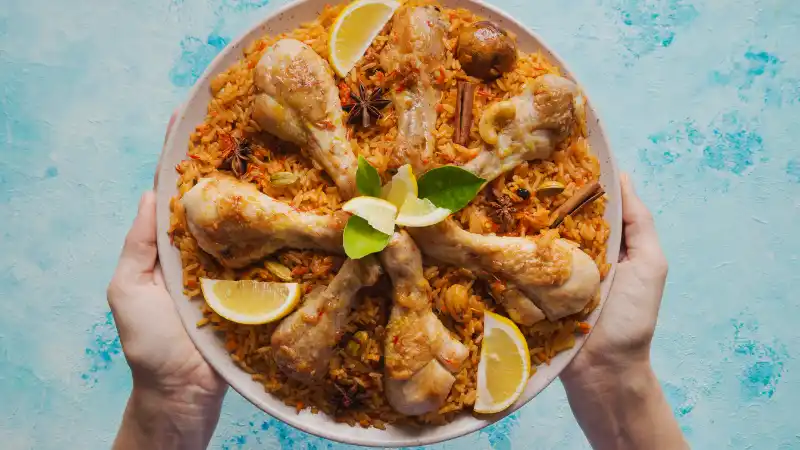
Chicken Kabsa is more than just a meal—it’s a story told through spices, aroma, and tradition. Originating from Saudi Arabia, this aromatic rice and chicken dish has become the pride of Arabian cuisine. It’s rich in flavor, color, and culture. Kabsa is a perfect harmony between long-grain rice, tender chicken, tomatoes, and a symphony of traditional spices that paint the air with warmth.
What makes Chicken Kabsa stand out is its depth. Each grain of rice soaks in chicken broth, tomato sauce, and kabsa spices (a blend of cardamom, cinnamon, bay leaves, cloves, and dried lime). The result? A dish that’s savory, slightly tangy, and irresistibly fragrant. It’s the centerpiece of Saudi feasts, often enjoyed during Eid, weddings, and Friday gatherings.
Unlike many rice dishes, Kabsa isn’t just about taste—it’s about heritage. It reflects the Arabian Peninsula’s desert roots and hospitality culture. Every spoonful carries a hint of Saudi tradition, shared between family and friends, served with pride and love.
Health Benefits of Chicken Kabsa Ingredients
Chicken Kabsa isn’t only delicious—it’s nutritious when made with fresh, wholesome ingredients. Every element, from the rice to the spices, contributes to a balanced and health-supportive meal. The beauty of this dish lies in how traditional Saudi cooks intuitively combined flavors that are both satisfying and beneficial to the body.
The chicken provides high-quality lean protein, essential for muscle repair and growth. Unlike red meat, chicken is lower in saturated fat, making it a heart-friendly choice. When cooked with minimal oil and without deep-frying, it remains light yet filling.
The spices—like cardamom, cinnamon, cloves, and black lime—do more than add aroma. Cardamom aids digestion and improves metabolism. Cinnamon helps regulate blood sugar levels, while cloves and black pepper are natural antioxidants. Dried lime, or loomi, contributes vitamin C and gives the dish its signature tang.
Tomatoes in Kabsa are rich in lycopene, a powerful antioxidant linked to reduced inflammation and better heart health. The rice, especially if you use long-grain basmati, is a source of slow-release carbohydrates that provide sustained energy without spikes in blood sugar.
Moreover, Kabsa typically uses olive oil or ghee—both healthier fats when consumed moderately. Combined, these ingredients make Chicken Kabsa not just a comfort food but a meal that nourishes your body and pleases your senses.
Essential Ingredients for Authentic Chicken Kabsa
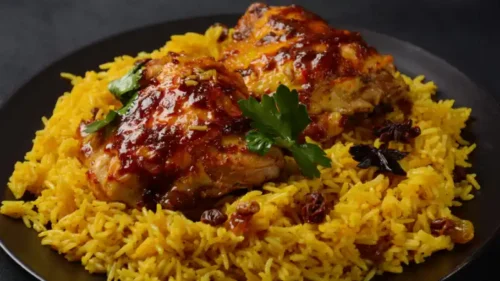
Creating an authentic Chicken Kabsa starts with the right ingredients. While you might be tempted to substitute a few items, the secret to real Saudi flavor lies in traditional components that make the dish unmistakably Arabian.
Choosing the Right Rice
The soul of Kabsa is basmati rice—long-grain, aromatic, and fluffy. The grains must remain separate after cooking, not sticky or mushy. Before cooking, it’s essential to rinse the rice several times to remove excess starch, then soak it for 20–30 minutes. This ensures the rice cooks evenly and absorbs the spices beautifully.
Selecting the Best Chicken
Traditionally, whole chicken pieces are used to create a richer broth. You can use a full chicken cut into parts, but if you prefer convenience, thighs and drumsticks hold flavor better than breast meat. The chicken should be marinated with salt, pepper, and a touch of lemon for at least 30 minutes before cooking to enhance tenderness and flavor.
Key Spices and Their Role
The heart of Kabsa lies in its spice blend—known as Baharat al-Kabsa. Here’s a quick look at the essential spices and what they do:
| Spice | Flavor Contribution | Health Benefit |
|---|---|---|
| Cardamom | Sweet, floral aroma | Aids digestion |
| Cinnamon | Warm, slightly sweet | Regulates blood sugar |
| Cloves | Pungent, deep | Anti-inflammatory |
| Bay leaves | Earthy | Supports digestion |
| Black pepper | Sharp, spicy | Improves metabolism |
| Dried lime (loomi) | Tangy, citrusy | Rich in vitamin C |
| Nutmeg | Sweet and woody | Improves mood |
| Turmeric | Earthy, golden color | Anti-inflammatory |
These spices, when roasted or sautéed briefly in oil before adding the chicken, release their essential oils, intensifying the flavor and aroma.
Step-by-Step Preparation of Chicken Kabsa
Preparing the Chicken
Start by cleaning the chicken pieces thoroughly, then pat them dry. Heat olive oil or ghee in a large heavy-bottomed pot. Sauté chopped onions until golden brown, then add minced garlic and chopped tomatoes. Once the tomatoes break down, add the spices—cardamom, cinnamon, bay leaves, cloves, and turmeric. Stir until fragrant.
Next, add the chicken pieces and brown them on all sides. This step seals in the juices and ensures the meat stays tender. Once browned, pour in hot water to cover the chicken, add salt, and let it simmer for 25–30 minutes. As it cooks, the broth develops into a flavorful base for the rice.
Making the Kabsa Spice Blend (Baharat)
While the chicken simmers, prepare your baharat. Mix equal parts of ground cardamom, cinnamon, black pepper, cloves, nutmeg, turmeric, and coriander. Toast them lightly in a dry pan for 1–2 minutes to enhance their aroma. This blend will be used later to season both the chicken and the rice.
Cooking the Rice and Chicken Together
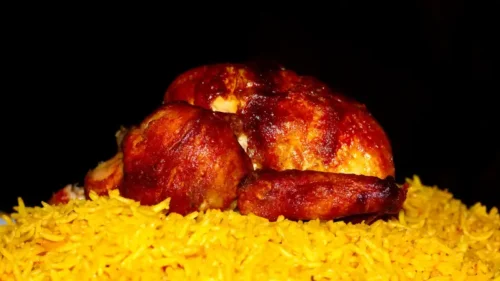
Remove the cooked chicken from the broth and set it aside. Strain the broth to remove spices and debris. Add the soaked rice into the same pot, pour in enough strained broth to cover the rice by one inch, and cook on medium heat until the liquid is mostly absorbed. Place the chicken pieces on top of the rice, cover the pot tightly, and let it steam on low heat for 10–15 minutes. This step allows the rice to soak in the chicken’s flavor, giving Kabsa its rich, cohesive taste.
Secret Tips for Perfecting Kabsa Like a Saudi Chef
-
Use homemade spice blends: Pre-mixed store versions can never match the freshness of freshly ground spices.
-
Control the heat: Keep it moderate to avoid burning the spices or rice.
-
Add dried lime whole: Don’t crush it; this helps control its tanginess.
-
Rest before serving: Once cooked, let Kabsa rest covered for 10 minutes before fluffing. This helps redistribute moisture evenly.
-
Garnish smartly: Toasted almonds, cashews, and raisins add texture and visual appeal.
Authentic Saudi chefs often say, “Kabsa should smell like a garden of spices before it even reaches the table.” That’s the secret—aroma first, flavor second, texture last.
Variations of Kabsa Across the Arabian Peninsula
Chicken Kabsa is the most popular version, but this dish wears many delicious faces across the Arabian Peninsula. Each region gives Kabsa its own personality, influenced by local ingredients and traditions. Understanding these variations not only deepens appreciation for the dish but also helps you explore the diverse flavors of the Middle
East.
Lamb Kabsa
In the central and northern regions of Saudi Arabia, Lamb Kabsa reigns supreme. Lamb, with its rich and fatty flavor, adds depth to the broth and gives the rice a silky texture. Traditionally, whole lamb pieces are slow-cooked for hours with the same Kabsa spices, making the dish incredibly tender and aromatic. The slow cooking process allows the meat to fall off the bone, blending perfectly with the spiced rice. Often, saffron or rose water is added at the end to give it a luxurious finish and a subtle floral aroma.
Fish Kabsa
In coastal cities like Jeddah or Dammam, Fish Kabsa—also known as Sayadiya—is a common variant. It replaces chicken or lamb with local fish such as hamour or kingfish. The rice is infused with fish stock and lightly spiced with cumin and turmeric to balance the seafood flavor. It’s lighter than traditional Kabsa but still full of depth. Some versions even include caramelized onions for sweetness, giving a beautiful balance of flavors from land and sea.
Vegetarian Kabsa
For those who prefer a plant-based diet, Vegetarian Kabsa is a delightful alternative. Instead of chicken or meat, hearty vegetables like carrots, bell peppers, zucchini, and chickpeas are used. The same Kabsa spice blend ensures that the dish retains its authenticity, while the vegetables bring color and nutrition. A touch of smoked paprika or roasted nuts adds richness, mimicking the depth that meat usually provides. This variation is proof that Kabsa’s magic doesn’t depend solely on meat—it’s the spices that create the soul of the dish.
Each version of Kabsa tells a story—a reflection of geography, climate, and lifestyle. From the desert’s hearty lamb to the coastal fish, Kabsa truly connects the diverse landscapes of Saudi Arabia.
Modern Twists and Fusion Versions of Kabsa
As global cuisine evolves, chefs around the world have started to reinvent traditional dishes with contemporary flair—and Kabsa is no exception. Modern interpretations honor the dish’s roots while adding creative elements to surprise the palate.
Some chefs use quinoa or brown rice instead of basmati for a healthier twist, increasing fiber and protein content without compromising flavor. Others experiment with oven-baked Kabsa, where marinated chicken is roasted separately and served atop spiced rice for a crispier texture.
In fine dining restaurants, Kabsa is being reimagined with gourmet ingredients like saffron cream, truffle oil, or even sous-vide chicken for perfect tenderness. Fusion Kabsa dishes—like Kabsa tacos or Kabsa-stuffed peppers—are becoming trendy among younger generations, especially in Saudi Arabia’s cosmopolitan cities.
Even global foodies are embracing Kabsa’s flavors in unique ways. Some use the Kabsa spice blend to season grilled meats, pasta sauces, or even soups, bringing a touch of the Middle East into everyday cooking. This evolution proves that Kabsa, while traditional, is timeless—able to adapt and inspire across cultures and cuisines.
Serving Suggestions and Traditional Accompaniments
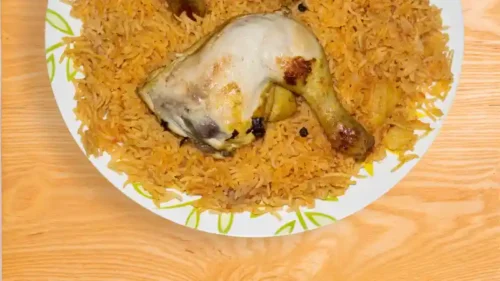
Chicken Kabsa is traditionally served on a large, flat platter, meant for sharing. In Saudi culture, the communal dining style reflects togetherness and equality. Everyone eats from the same platter, starting from the edges and moving inward—a beautiful gesture of unity.
To complement Kabsa, several side dishes and accompaniments are often served:
-
Salata Hara (Spicy Tomato Salad): A tangy, spicy salad made from tomatoes, chili, and lemon juice that cuts through the richness of the Kabsa.
-
Yogurt Sauce: Plain yogurt or laban helps cool the palate and adds creaminess to each bite.
-
Pickled Vegetables: Tangy and crunchy, they balance the warm spices of the rice.
-
Fried Nuts and Raisins: These toppings add a contrasting sweetness and crunch.
-
Arabic Flatbread: Perfect for scooping up the rice and meat.
For a royal touch, drizzle some saffron-infused water over the Kabsa before serving—it enhances the aroma and gives the dish a golden hue. Garnish with fresh coriander or parsley for a pop of color. And remember, Kabsa tastes best when enjoyed with family or friends—because its true essence lies in shared moments.
Nutritional Value of Chicken Kabsa
Let’s break down the approximate nutritional composition of a standard serving of Chicken Kabsa (1 plate or 400g):
| Nutrient | Amount (approx.) | Health Benefits |
|---|---|---|
| Calories | 650–700 kcal | Provides sustained energy |
| Protein | 38–42g | Supports muscle health |
| Carbohydrates | 55–60g | Main source of fuel |
| Fats | 18–22g | Essential for brain and hormone function |
| Fiber | 3–5g | Aids digestion |
| Sodium | 700–900mg | Electrolyte balance |
| Vitamin C | 20–25mg | Boosts immunity |
| Iron | 2–3mg | Prevents anemia |
This table highlights why Kabsa, when prepared with balanced proportions, can be a wholesome and nutrient-rich meal. To make it even healthier, you can reduce oil usage, opt for brown basmati rice, and grill the chicken instead of
frying.
Common Mistakes to Avoid While Cooking Kabsa
Cooking Kabsa can seem simple, but a few small missteps can affect its taste and texture. Here are the most common mistakes and how to avoid them:
Using the wrong rice: Short-grain or sticky rice ruins Kabsa’s signature texture. Always choose long-grain basmati.
Skipping the soaking step: Unsoaked rice can cook unevenly or turn mushy. Soaking helps achieve fluffy grains.
Overcrowding the pot: This traps steam, making rice soggy. Use a large enough pot for even cooking.
Adding too much water: The key to perfect Kabsa is the right broth-to-rice ratio—roughly 1.5 cups liquid for each cup of rice.
Overusing spices: Balance is key. Overpowering flavors can mask the harmony of Kabsa spices.
Neglecting to rest the rice: Allowing Kabsa to rest helps moisture redistribute evenly, ensuring perfect texture.
Using low-quality chicken: The broth is only as flavorful as the chicken used. Always pick fresh, high-quality meat.
Avoiding these pitfalls ensures your Kabsa tastes authentic every time—rich, aromatic, and perfectly balanced.
Scientific Insight: The Chemistry of Spices in Kabsa
Behind the delicious aroma of Chicken Kabsa lies a fascinating world of culinary chemistry. Each spice in this Saudi masterpiece contributes not only to taste but also to the dish’s texture, color, and nutritional profile. Understanding this can help you appreciate why Kabsa’s spice combination feels perfectly balanced and deeply satisfying.
Aromatic Compounds at Work
Cardamom contains cineole and terpinyl acetate, two compounds that give it its signature floral and citrusy notes. These molecules stimulate saliva production and enhance digestion—explaining why Kabsa never feels too heavy despite its richness. Cinnamon, on the other hand, is packed with cinnamaldehyde, responsible for its warmth and slight sweetness. Studies published in the Journal of Food Science highlight cinnamon’s role in stabilizing blood sugar levels and improving cardiovascular health.
Cloves bring in eugenol, a natural antiseptic and antioxidant. It’s this compound that lends a deep, woody aroma and slight numbness to the palate—an effect that balances the tangy dried lime. Speaking of which, loomi owes its flavor to citric acid and essential oils like limonene, creating that refreshing acidity Kabsa is famous for.
Great post, you have pointed out some superb points, I besides think this s a very great website.
Mantap dengan tulisan ini. Keren! Sukses selalu.